

Exploring the stories, strengths, and soul of two timeless building materials
Every building tells a story—not just through its design, but through the materials that clothe its walls, floors, and facades. The choice of stone, concrete, or composite isn't just about durability; it's about evoking emotion, reflecting identity, and creating spaces that feel alive. In the world of architectural materials, two contenders stand out for their ability to blend beauty with functionality: Red Travertine MCM and Limestone . One is a modern marvel, born from innovation and flexibility; the other is a classic, shaped by millennia of natural processes. Let's dive into their unique personalities, strengths, and how they transform the spaces we live, work, and gather in.
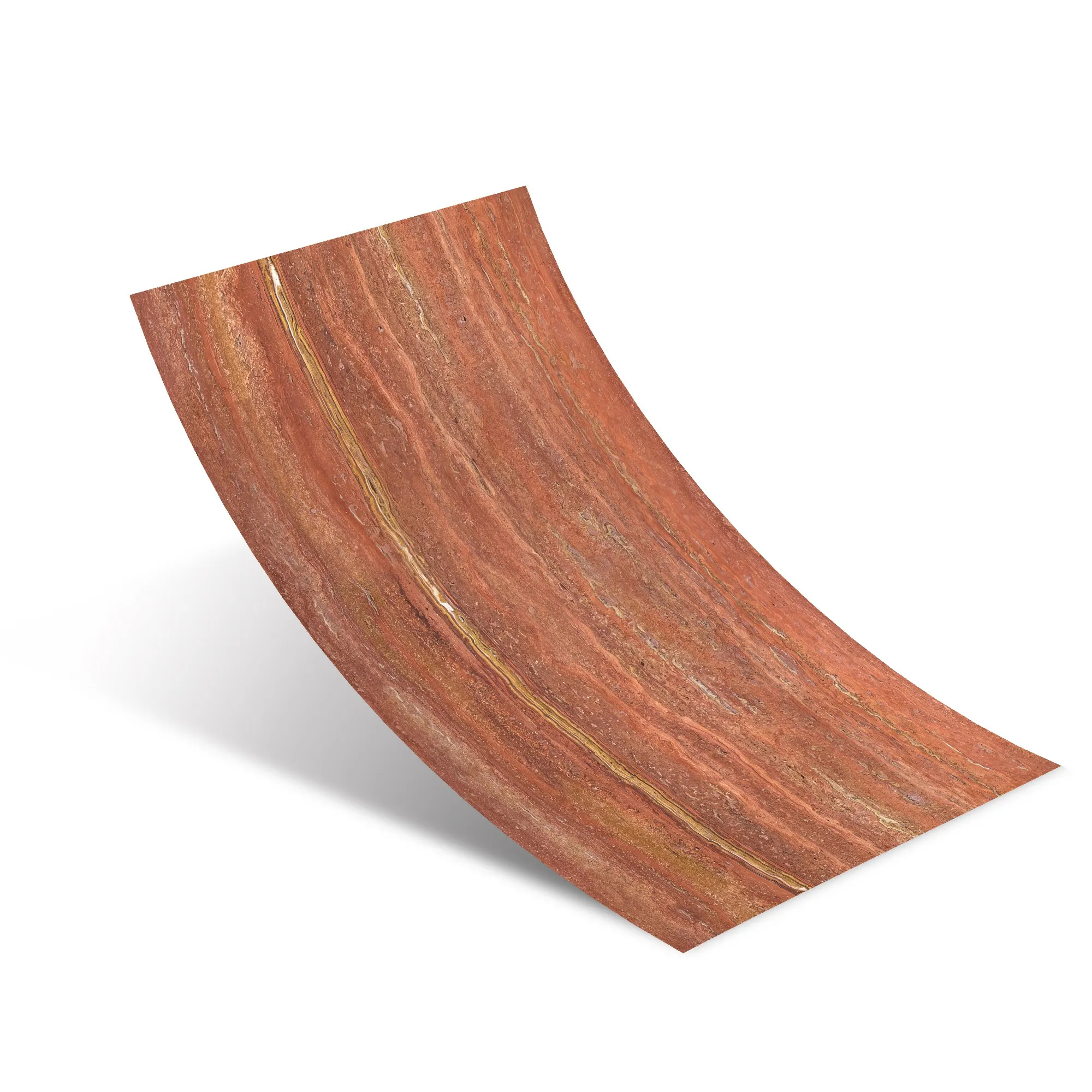
First, let's meet Red Travertine MCM —a material that marries the earthy charm of natural travertine with the cutting-edge technology of MCM flexible stone . MCM, or Modified Composite Material, is a game-changer in construction: it layers natural stone particles (like travertine) with fiberglass and resin, resulting in a panel that's lightweight, flexible, and incredibly durable. Think of it as travertine's modern cousin—retaining the stone's organic texture but with a versatility that traditional quarried stone can't match.
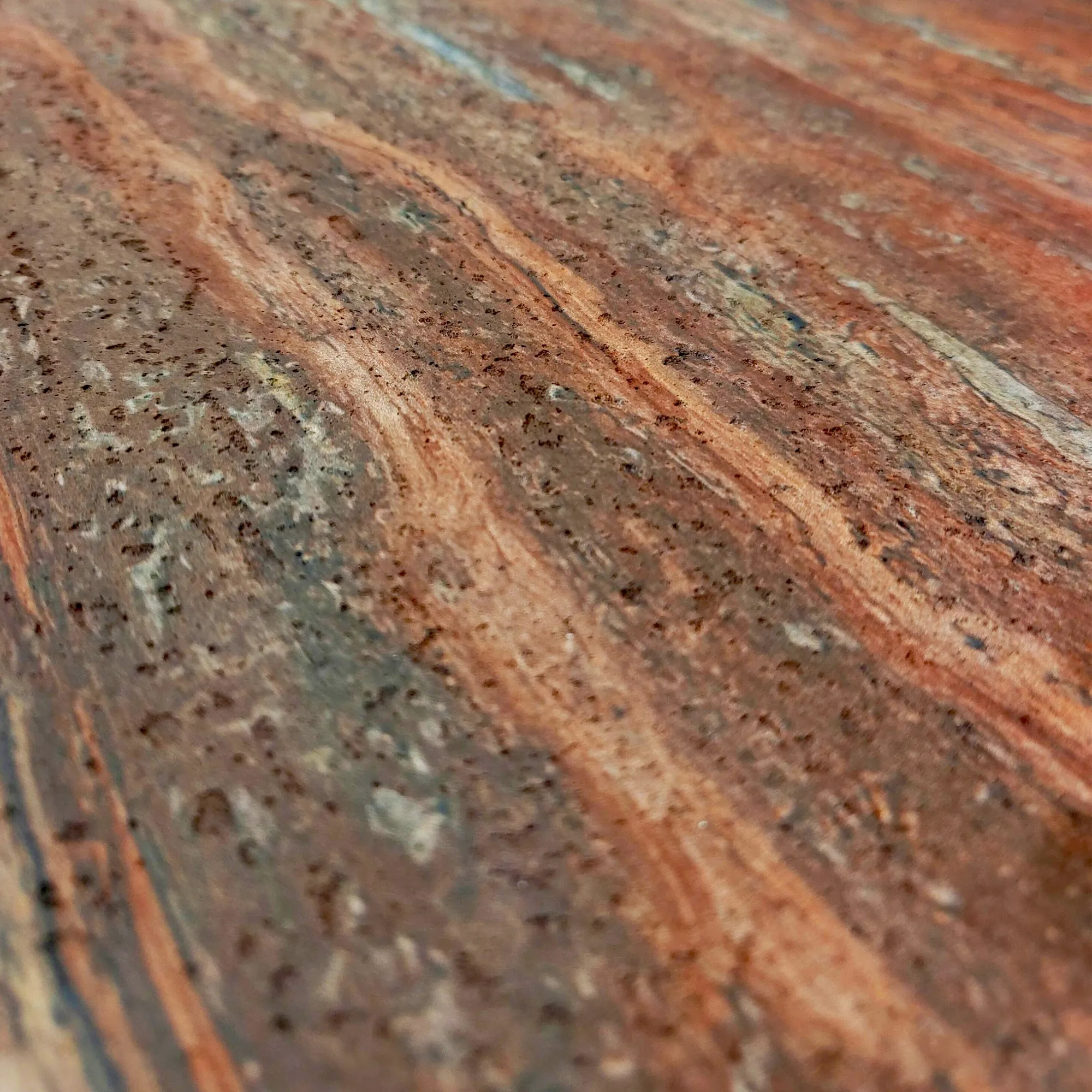
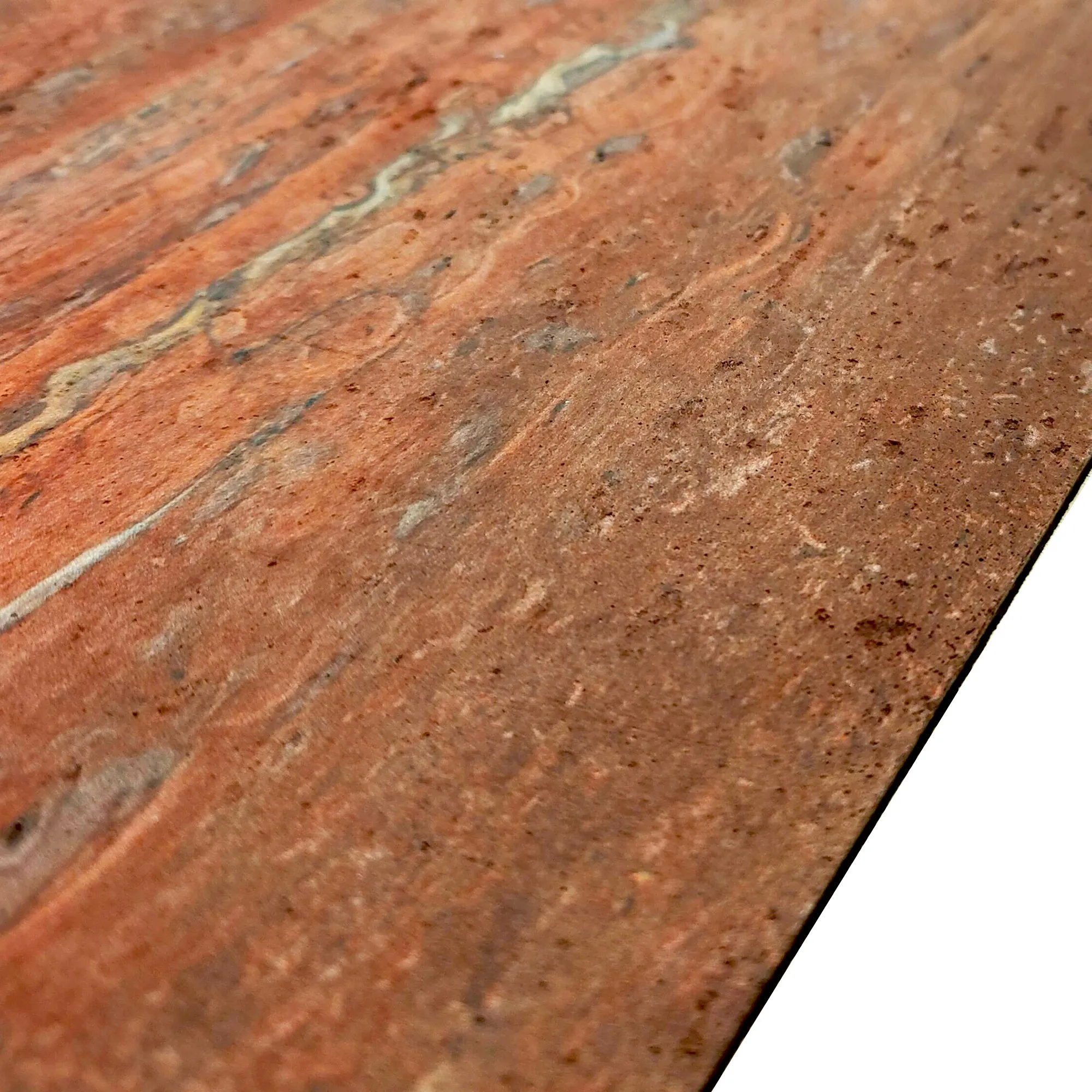
What sets Red Travertine MCM apart is its color: a rich, warm red that ranges from deep burgundy to terracotta, often flecked with subtle veins or "starry" accents (echoing variants like travertine (starry red) ). This isn't just pigment; it's the natural hue of the travertine itself, enhanced by the MCM process to stay vibrant over time. Run your hand over a panel, and you'll feel the gentle pockmarks and grooves that make travertine so tactile—those tiny pores, formed by mineral-rich water evaporating in ancient hot springs, give the material a lived-in, authentic feel.
But it's the flexibility that makes Red Travertine MCM a favorite among architects. Unlike solid stone slabs, which are heavy and rigid, MCM panels bend slightly, allowing them to follow curved surfaces, wrap around columns, or even be installed vertically or horizontally with minimal waste. This flexibility opens up design possibilities: imagine a boutique hotel's facade that undulates like a wave, clad in Red Travertine MCM, catching the sunset and glowing like a beacon. Or a restaurant's accent wall, where the stone's red tones complement warm wood and soft lighting, creating an ambiance that feels both rustic and refined.
If Red Travertine MCM is the bold storyteller, Limestone is the wise elder—calm, timeless, and steeped in history. Formed from the compressed remains of marine organisms over millions of years, limestone is a sedimentary rock that feels like a bridge to the past. When we talk about limestone in architecture, we're often drawn to its most beloved variant: lime stone(beige) —a soft, creamy hue that ranges from warm sand to pale ivory, with subtle variations in tone that make every slab one-of-a-kind.
Beige limestone's beauty lies in its understatement. It doesn't shout; it whispers. Its smooth, matte surface (though it can be polished to a gentle sheen) reflects light softly, creating spaces that feel airy and serene. Run your fingers along a limestone floor, and you might notice tiny fossilized shells or coral fragments—ghosts of ancient oceans, frozen in stone. These imperfections aren't flaws; they're character, a reminder that the material has been shaped by forces far larger than human hands.
Durability is another feather in limestone's cap. While softer than granite, it's surprisingly tough when properly sealed, standing up to foot traffic, weather, and time. For centuries, civilizations have turned to limestone to build structures meant to last: think of the Great Pyramids of Giza, the Parthenon in Athens, or the medieval cathedrals of Europe. Its neutral color also makes it a chameleon, pairing seamlessly with other materials—whether wood, metal, or glass. A limestone-clad home feels both classic and contemporary; a limestone lobby in a corporate building exudes professionalism without feeling cold.
| Feature | Red Travertine MCM | Limestone (Beige) |
|---|---|---|
| Material Makeup | Natural travertine particles + fiberglass/resin (MCM flexible stone technology) | 100% natural sedimentary rock (calcium carbonate, fossil fragments) |
| Aesthetic Vibe | Bold, warm red tones with organic texture; modern yet rustic | Soft beige/ivory with subtle fossil details; classic, timeless |
| Durability | Highly resistant to cracking, fading, and moisture (flexible core) | Durable but porous; requires sealing to prevent staining |
| Installation | Lightweight (5-8kg/m²); flexible for curved surfaces; quick installation | Heavier (20-25kg/m²); rigid; requires skilled labor for cutting |
| Sustainability | Low waste manufacturing; often uses recycled stone particles | Natural resource; sustainable if quarried responsibly (low carbon footprint) |
| Best For | Modern facades, accent walls, statement entrances, curved surfaces | Historical restorations, flooring, classic cladding, heritage buildings |
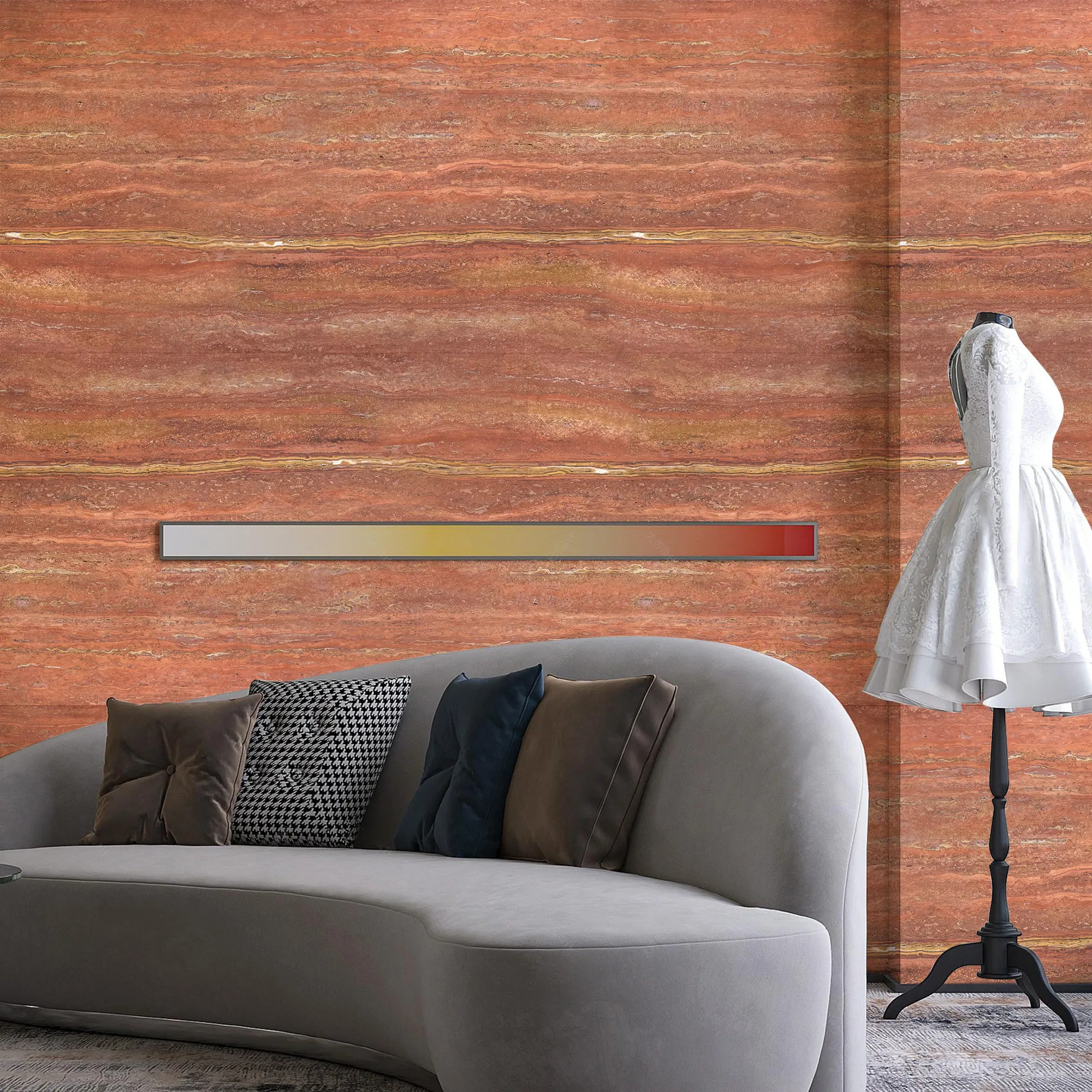
In homes, both materials play to their strengths. Red Travertine MCM is a favorite for homeowners who want to make a statement without overwhelming. Imagine a kitchen backsplash in Red Travertine MCM, where the red tones complement oak cabinets and brass fixtures, turning a functional space into a focal point. Or a bedroom accent wall, where the stone's texture adds depth, and its flexibility allows it to wrap around a recessed bookshelf, creating a cozy nook.
Limestone, on the other hand, brings calm to residential settings. Beige limestone flooring in a living room feels warm underfoot, softening the harshness of modern furniture. A limestone fireplace surround, with its natural veining, becomes the heart of the home, where families gather on cold nights. It's also a top choice for outdoor patios—its slip-resistant surface and ability to weather gracefully make it perfect for al fresco dining, even in rainy climates.
Commercial architects love materials that tell a brand's story, and both Red Travertine MCM and Limestone deliver. For a trendy café or boutique, Red Travertine MCM cladding on the exterior signals creativity and boldness—passersby can't help but notice the vibrant red facade, drawing them in. Inside, a reception desk wrapped in the same material creates a cohesive, memorable first impression.
For more traditional businesses—law firms, banks, or luxury hotels—limestone is the go-to. A beige limestone lobby floor, polished to a soft glow, exudes professionalism and trust. Historic hotels often use limestone in their exteriors to maintain a sense of grandeur; think of the Ritz Paris or The Plaza, where limestone walls have stood for over a century, aging like fine wine.
Cultural buildings demand materials that respect the past while embracing the future. Red Travertine MCM has found a place in modern museums and art galleries, where its bold color serves as a backdrop for contemporary art, making installations pop. The MCM flexible stone technology also allows for unique, sculptural designs—like a museum's exterior that curves upward, symbolizing creativity, clad in Red Travertine MCM panels that catch the light differently throughout the day.
Limestone, meanwhile, is irreplaceable in historic preservation. When restoring a centuries-old theater or government building, architects often choose beige limestone to match the original stone, ensuring the structure retains its historical integrity. Even new cultural centers, like the Louvre Abu Dhabi, use limestone (in this case, white) to evoke timelessness, proving that some materials never go out of style.
In an era where sustainability is non-negotiable, both Red Travertine MCM and Limestone have their eco-credentials. MCM flexible stone manufacturing is often lauded for its efficiency: by using stone particles (including recycled waste from traditional quarrying), it reduces the need for large-scale mining. The panels are also lightweight, which cuts down on transportation emissions—trucks can carry more panels per trip, lowering carbon footprints. Plus, MCM's durability means buildings need less frequent repairs or replacements, reducing long-term waste.
Limestone, as a natural material, has a low carbon footprint when quarried responsibly. Unlike synthetic materials, it doesn't release harmful chemicals into the air or water. It's also biodegradable in the long run—if a building is demolished, limestone can be crushed and reused as aggregate. However, it's crucial to source limestone from quarries that practice sustainable mining, replanting vegetation and restoring ecosystems post-extraction.
Both materials also contribute to energy efficiency. Red Travertine MCM's thickness and density provide good insulation, keeping buildings cool in summer and warm in winter. Limestone, with its thermal mass, absorbs heat during the day and releases it at night, reducing reliance on HVAC systems. In short, choosing either is a step toward greener, more responsible architecture.
A contemporary art gallery in Manhattan wanted a facade that would stand out in a neighborhood of glass and steel. The architects chose Red Travertine MCM for its bold color and flexibility. The panels were curved to create a wave-like effect, with travertine (starry red) accents adding depth. Today, the gallery is a landmark: the red stone glows at dusk, drawing art lovers from blocks away, while the MCM panels have withstood New York's harsh winters without fading or cracking.
When restoring a 18th-century museum in Rome, architects needed a stone that matched the original limestone but was durable enough for modern foot traffic. They selected lime stone(beige) from a local quarry, known for its similarity to the museum's original stone. The new limestone flooring and cladding blend seamlessly with the historic structure, while modern sealing techniques protect it from spills and wear. Visitors often remark that the museum feels "timeless"—a testament to limestone's ability to bridge past and present.
At the end of the day, the choice between Red Travertine MCM and Limestone isn't about which is "better"—it's about which tells your project's story. Do you want to make a bold, modern statement? Let Red Travertine MCM's vibrant red and flexible design lead the way. Are you honoring tradition or seeking timeless elegance? Let limestone's soft beige and natural character speak volumes.
Both materials remind us that architecture is more than just walls and roofs; it's about creating spaces that feel human. Whether it's the warm embrace of Red Travertine MCM or the quiet wisdom of Limestone, these stones don't just build buildings—they build memories.
Recommend Products











