

Walk down any street, and the first thing that catches your eye about a building is its skin—the cladding that wraps its exterior, telling a story before you even step inside. For architects and homeowners alike, choosing the right cladding is more than a practical decision; it's about crafting an identity. Today, we're putting two heavyweights head-to-head: the timeless allure of Red Travertine and the innovative flexibility of MCM flexible stone, pitted against the ever-popular vinyl cladding. Which one earns the title of "best in show" for aesthetic charm and long-lasting performance?
Before we dive into the details, let's meet our competitors. Red Travertine is a natural stone, quarried from mineral-rich regions where ancient hot springs once flowed. Its signature red and gold veining comes from iron oxide deposits, making each slab a one-of-a-kind masterpiece. Then there's MCM flexible stone —a modern marvel that blends natural stone particles with high-performance polymers, offering the beauty of stone with the adaptability of engineered materials. And finally, vinyl cladding , the budget-friendly workhorse made from PVC resins, known for its affordability and range of color options.
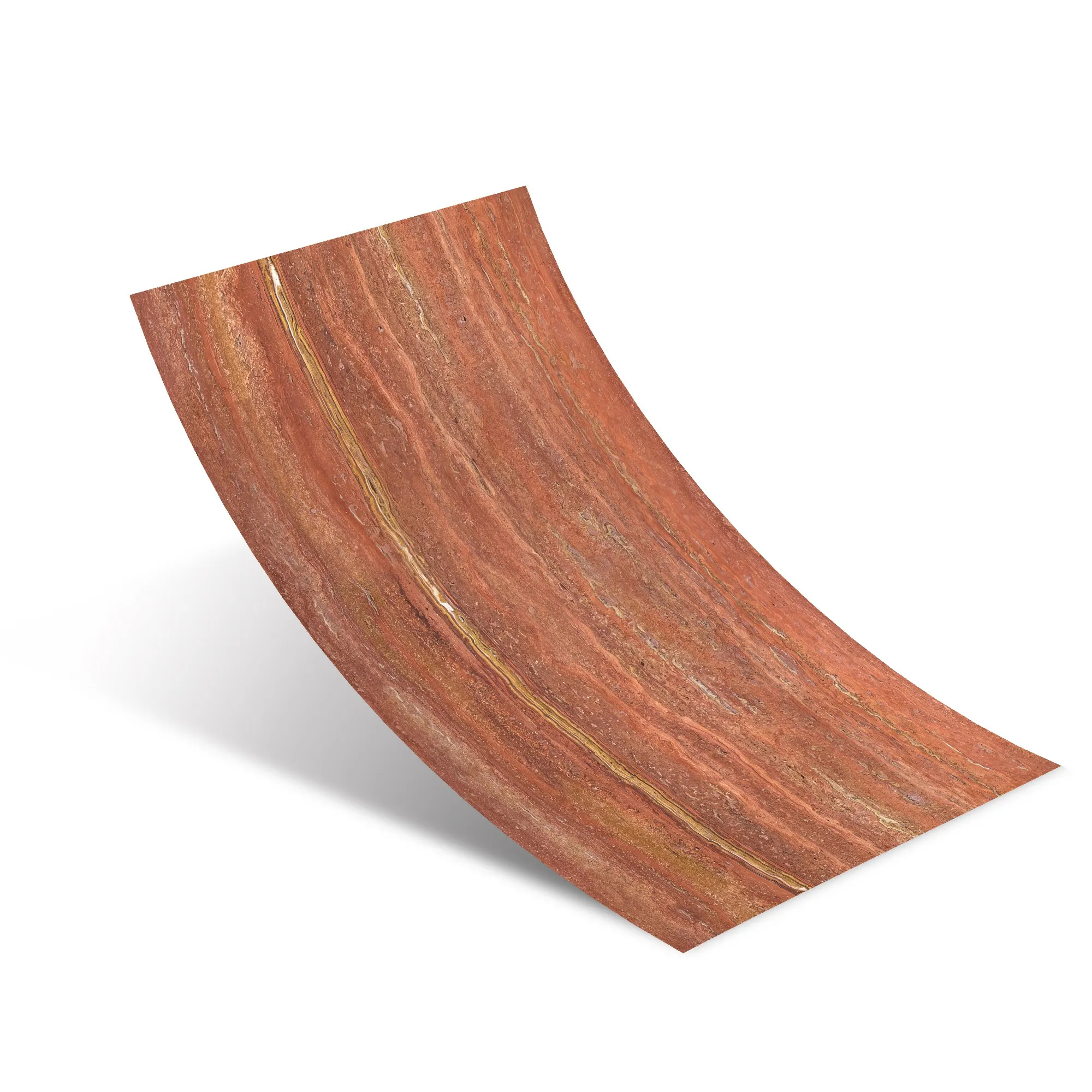
Red Travertine doesn't just cover a building—it adorns it. Imagine a boutique hotel in Tuscany, its facade glowing in the sunset, each Red Travertine slab telling a story of geological time. The stone's warm red base is streaked with veins of cream, gold, and even hints of amber, creating a dynamic, organic pattern that no two panels share. Run your hand over its surface, and you'll feel tiny pits and ridges—traces of the mineral-rich water that formed it millions of years ago. It's tactile, alive, and unapologetically natural.
But its beauty isn't just visual; it's emotional. Red Travertine evokes warmth and history, making it a favorite for heritage restorations or luxury homes that aim to feel rooted in place. Pair it with wooden accents or fair-faced concrete, and you get a juxtaposition of rough and refined that feels both timeless and contemporary.
MCM flexible stone is like a painter with an unlimited palette. While it can mimic the look of Red Travertine (down to the veining and texture), it doesn't stop there. Want a facade that curves like a wave? MCM bends without breaking. Dream of a geometric pattern inlaid with metallic accents? Its thin, lightweight sheets make intricate designs possible. Unlike rigid natural stone, MCM plays well with modern architecture—think angular office buildings or avant-garde museums that demand clean lines and bold statements.
Take the "Starry Red" Travertine variant, for example. MCM captures the stone's deep crimson hue and adds a subtle shimmer, turning a daytime facade into a nighttime spectacle. It's stone, but smarter—engineered to enhance natural beauty without the limitations of geology.
Vinyl cladding is the reliable friend who never surprises you—and that's not always a bad thing. Available in solid colors from "Seaside Blue" to "Autumn Brown," it offers uniform coverage that's easy to coordinate with roof shingles or trim. Its smooth, matte finish is low-key, making it a popular choice for suburban homes where blending in is the goal. But here's the catch: uniformity can tip into monotony. Without the organic variation of stone, vinyl facades often feel flat, lacking the depth that makes a building memorable.
Some vinyl options mimic wood grain or stone, but up close, the illusion fades. The texture is often too perfect—no pits, no ridges, just a printed pattern on a smooth plastic surface. It's functional, yes, but it rarely stirs the soul the way natural or engineered stone does.
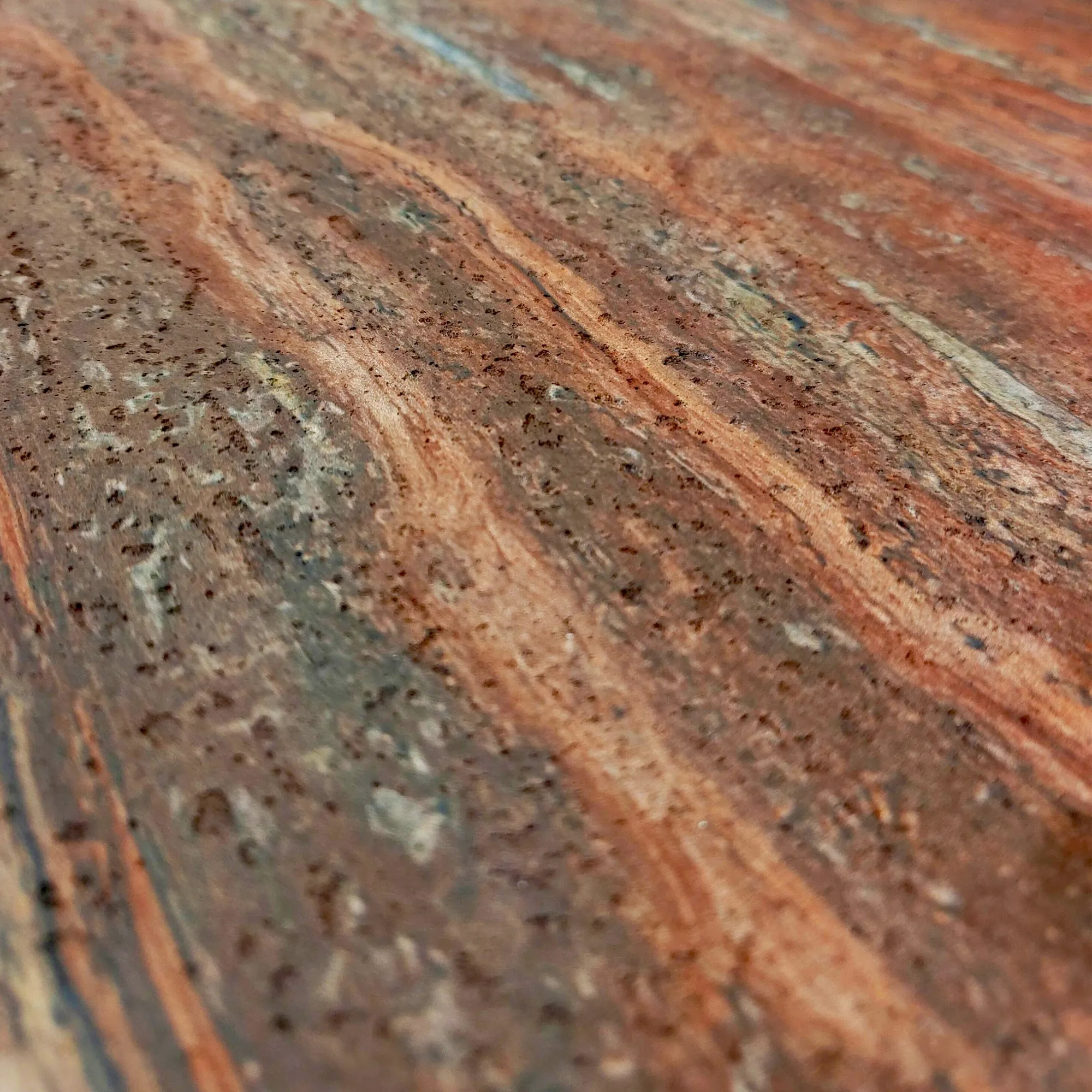
Natural stone is tough, but Red Travertine has a soft spot—literally. It's porous, meaning water, dirt, and even pollutants can seep into its surface over time. In rainy climates, this can lead to staining; in freezing temperatures, trapped water expands, causing cracks. To combat this, Red Travertine needs regular sealing—usually every 2–3 years—to plug its pores and protect its color. Skip the sealing, and you might find your once-vibrant red facade turning a dull, splotchy gray.
That said, when cared for, Red Travertine outlasts most cladding materials. Ancient Roman structures like the Colosseum were built with travertine, and they're still standing. It resists fire, pests, and rot, making it a solid investment for buildings meant to endure.
MCM flexible stone laughs in the face of harsh weather. Its secret? A core of natural stone particles bound by high-performance polymers that repel water and resist UV rays. Unlike Red Travertine, it won't absorb moisture or fade in the sun. Even better, its flexibility makes it crack-resistant—ideal for regions prone to earthquakes or temperature swings. A hailstorm that dents vinyl or chips stone might leave MCM unscathed.
Take coastal areas, where saltwater and humidity wreak havoc on building materials. MCM holds up where natural stone would corrode and vinyl might warp. It's also lightweight, reducing stress on a building's structure—no need for reinforced walls or extra support beams. For commercial buildings or high-rises, that translates to lower long-term maintenance costs and fewer headaches.
Vinyl is a workhorse in moderate climates. It resists rot, pests, and moisture (when installed correctly), and it rarely needs more than a yearly wash. But push it to the extremes, and it falters. In scorching desert heat, dark-colored vinyl can warp; in frigid winters, it becomes brittle and prone to cracking. Hailstones leave dents, and sharp objects—like a wayward ladder—scratch its surface, with no way to repair the damage.
Color fade is another issue. Even "UV-resistant" vinyl loses its vibrancy over time, turning bright red into pink or deep green into sage. For homeowners planning to stay put for decades, that means repainting or replacing panels—a hassle natural stone avoids.
| Feature | Red Travertine | MCM Flexible Stone | Vinyl Cladding |
|---|---|---|---|
| Aesthetics | Unique veining, warm red hues, organic texture; evokes history and warmth. | Versatile designs (curves, patterns); mimics stone with added shimmer/color options. | Uniform, solid colors; limited texture; prone to monotony. |
| Durability | Porous (needs sealing); resists fire/pests; cracks in freezing temps without care. | Weather-resistant, flexible (no cracking); UV/fade-resistant; saltwater-friendly. | Durable in moderate climates; fades/warps in extreme heat/cold; prone to scratches. |
| Installation | Heavy (needs structural support); requires skilled masons; time-consuming. | Lightweight (easy handling); flexible for curves; quick installation over existing surfaces. | Lightweight, DIY-friendly; snaps together; risk of water seepage with poor installation. |
| Maintenance | Regular sealing (every 2–3 years); careful cleaning (no acidic agents). | Minimal: hose rinse or mild soap; no sealing/etching concerns. | Occasional pressure washing; prone to mildew in shade; scratches are permanent. |
| Cost | High (quarrying, transportation, labor). | Moderate (engineered, but premium design options). | Low (affordable materials, quick installation). |
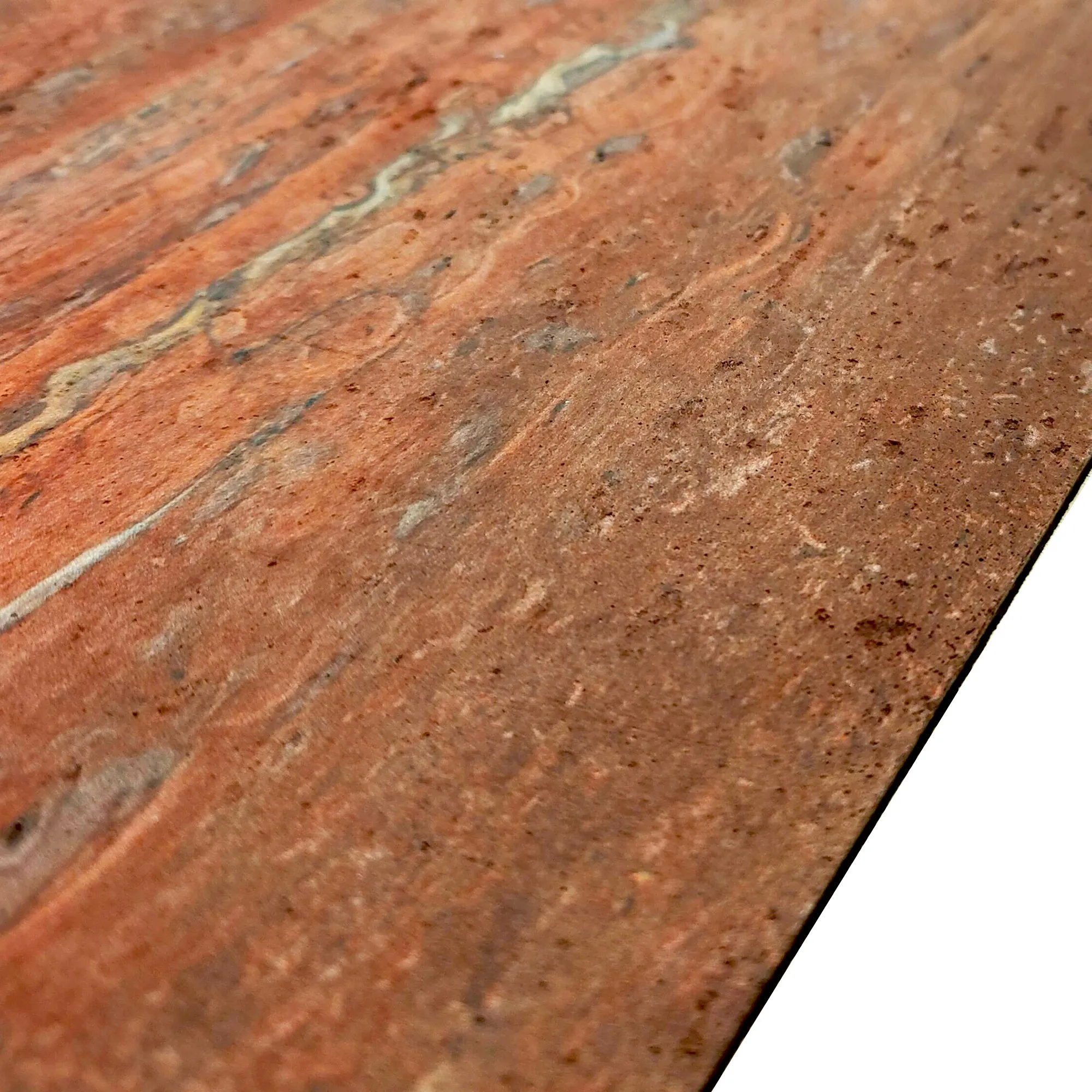
Installing Red Travertine is like building with history—it requires patience and precision. Each slab weighs 15–20 pounds per square foot, so structural engineers often need to reinforce walls or foundations to support the load. Skilled masons then spend hours aligning the stone, ensuring veins flow naturally across the facade. It's labor-intensive, but the result is a facade that feels permanent, like it's been there for centuries.
MCM flexible stone, by contrast, is a installer's dream. At just 3–5 pounds per square foot, it can be carried by two people and installed directly over existing cladding (think old brick or even fair-faced concrete). Its flexibility means it hugs curved surfaces without cutting, reducing waste and seams. For a 2,000-square-foot home, a crew might finish the job in 3–4 days—half the time of natural stone.
Vinyl cladding is the speed demon of the bunch. Most systems snap together with interlocking edges, requiring nothing more than a utility knife and a level. DIYers can tackle small projects in a weekend, while pros wrap entire houses in a matter of days. But speed comes with risk: a misaligned panel or loose seam can let water seep behind the cladding, leading to mold or rot. It's quick, but not always foolproof.
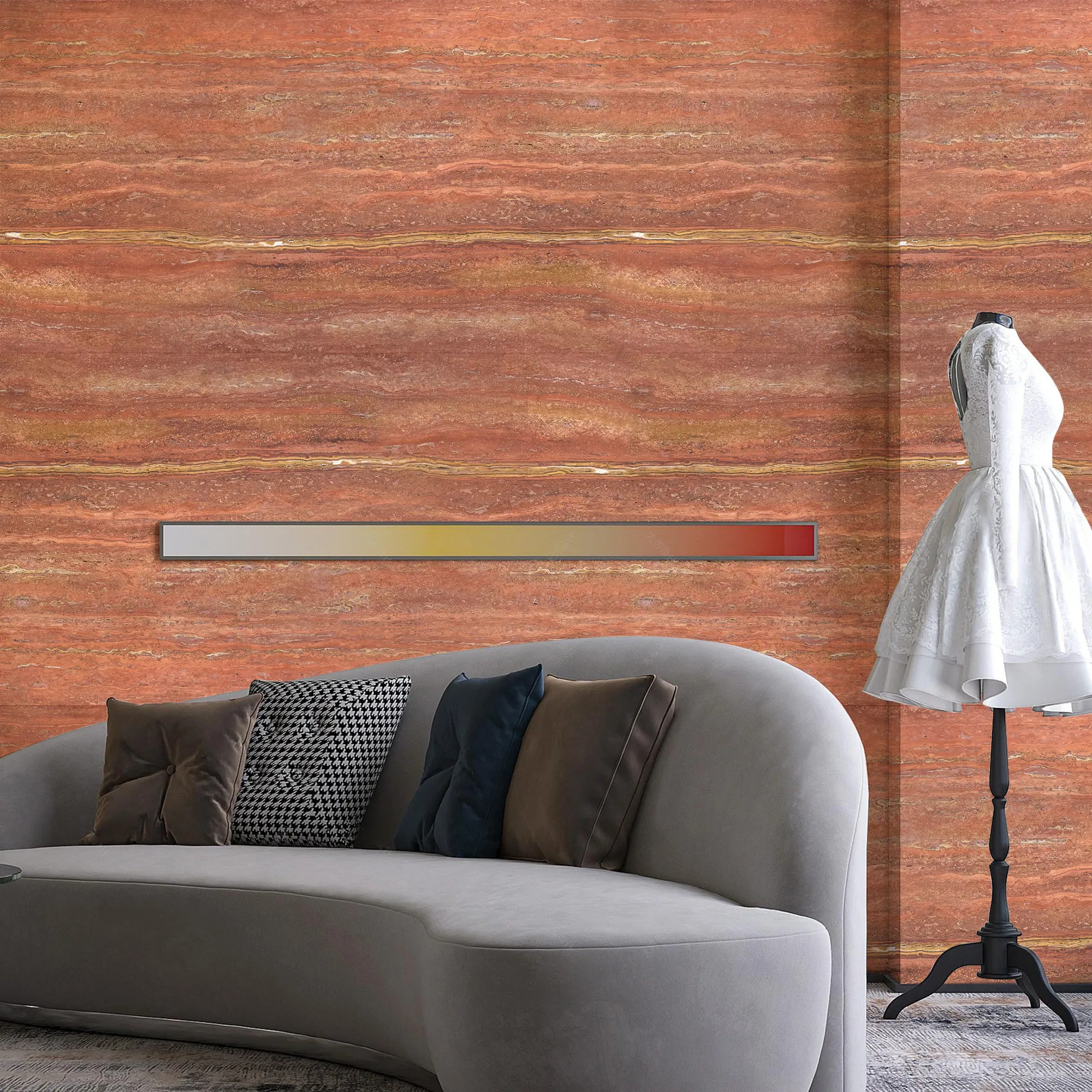
Red Travertine demands attention, but for many, it's a labor of love. Every 2–3 years, you'll need to seal it with a penetrating sealer to lock out moisture—a process that involves cleaning the stone with a pH-neutral soap, letting it dry, and then applying the sealer with a roller. Spills, especially acidic ones like lemon juice, need immediate wiping to avoid etching. But done right, the stone ages beautifully, its color deepening into a richer, more nuanced hue over time.
MCM flexible stone is the low-maintenance star. A quick rinse with a garden hose every few months keeps it fresh; for stubborn dirt, a soft brush and mild soap do the trick. No sealing, no special cleaners, no panic over spills. Its color is mixed into the material, not painted on, so UV rays won't fade it. For busy homeowners or commercial buildings, that's a game-changer.
Vinyl cladding bills itself as "maintenance-free," but that's a stretch. It collects mildew in shaded areas, requiring a yearly pressure wash (on low setting to avoid dents). Scratches are permanent, and faded panels often need replacement—costly and time-consuming. It's easy, but it's not effortless.
There's no "best" cladding—only the best choice for your priorities. Red Travertine is for those who crave natural beauty and are willing to invest in maintenance for a facade with soul. MCM flexible stone suits innovators who want stone's elegance without the hassle, or architects pushing the boundaries of design. Vinyl cladding works for budget-conscious homeowners who value speed and simplicity over character.
At the end of the day, cladding is more than a protective layer—it's a statement. Whether you choose the earthy warmth of Red Travertine, the versatile innovation of MCM flexible stone, or the practicality of vinyl, your building's skin will tell the world who you are. Choose wisely—and let your facade speak volumes.
Recommend Products











