

Choosing the right exterior cladding material is more than just an aesthetic decision—it's a long-term investment in your building's durability, maintenance costs, and overall performance. For homeowners, architects, and builders working in harsh climates, this choice becomes even more critical. Whether you're dealing with scorching desert sun, salt-laden coastal winds, freezing winters, or relentless rain, the material you pick will determine how well your structure stands the test of time. Today, we're diving deep into two popular options: Red Travertine MCM (Modified Composite Material) and traditional wood cladding. We'll explore their strengths, weaknesses, and most importantly, which one truly lasts longer when the elements turn unforgiving.
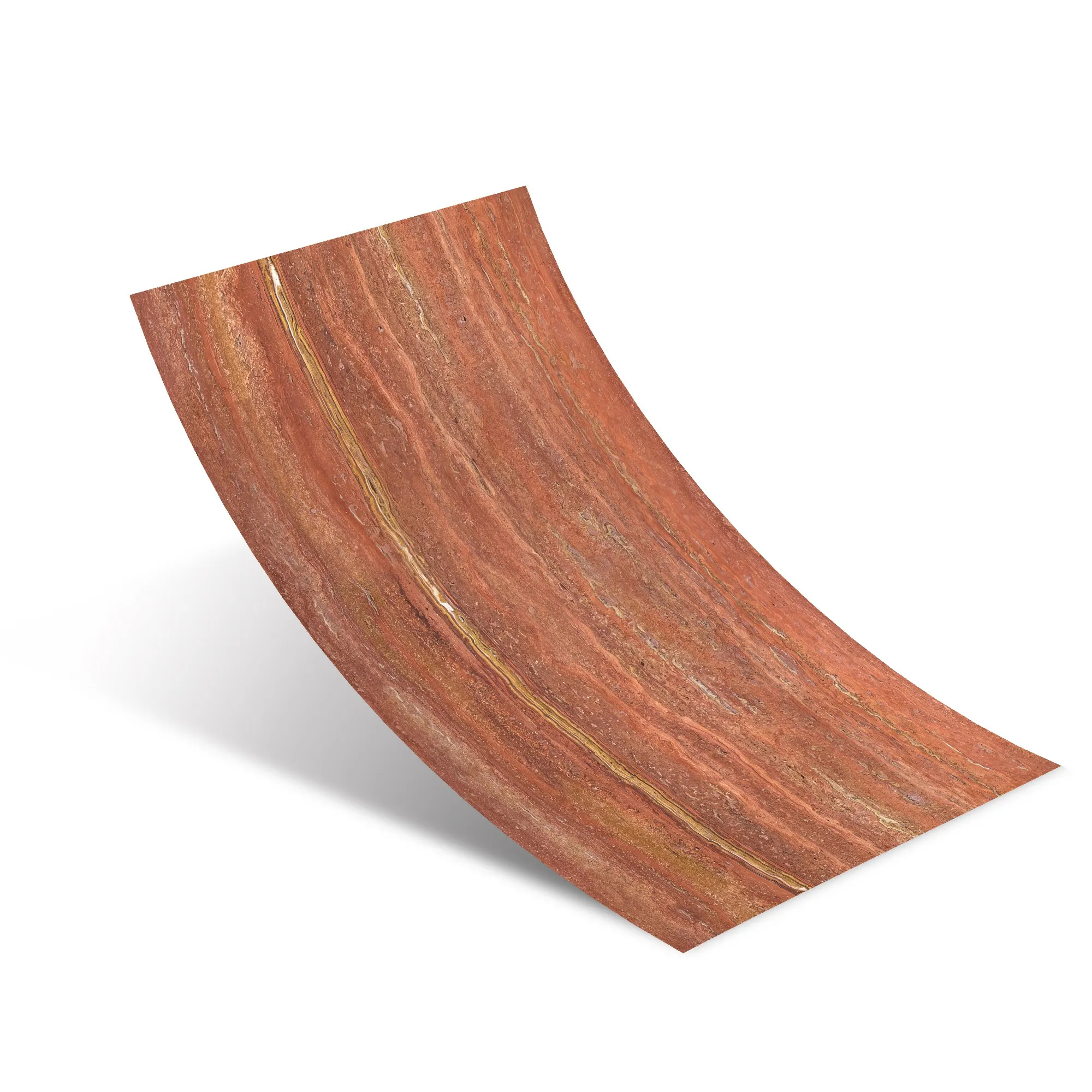
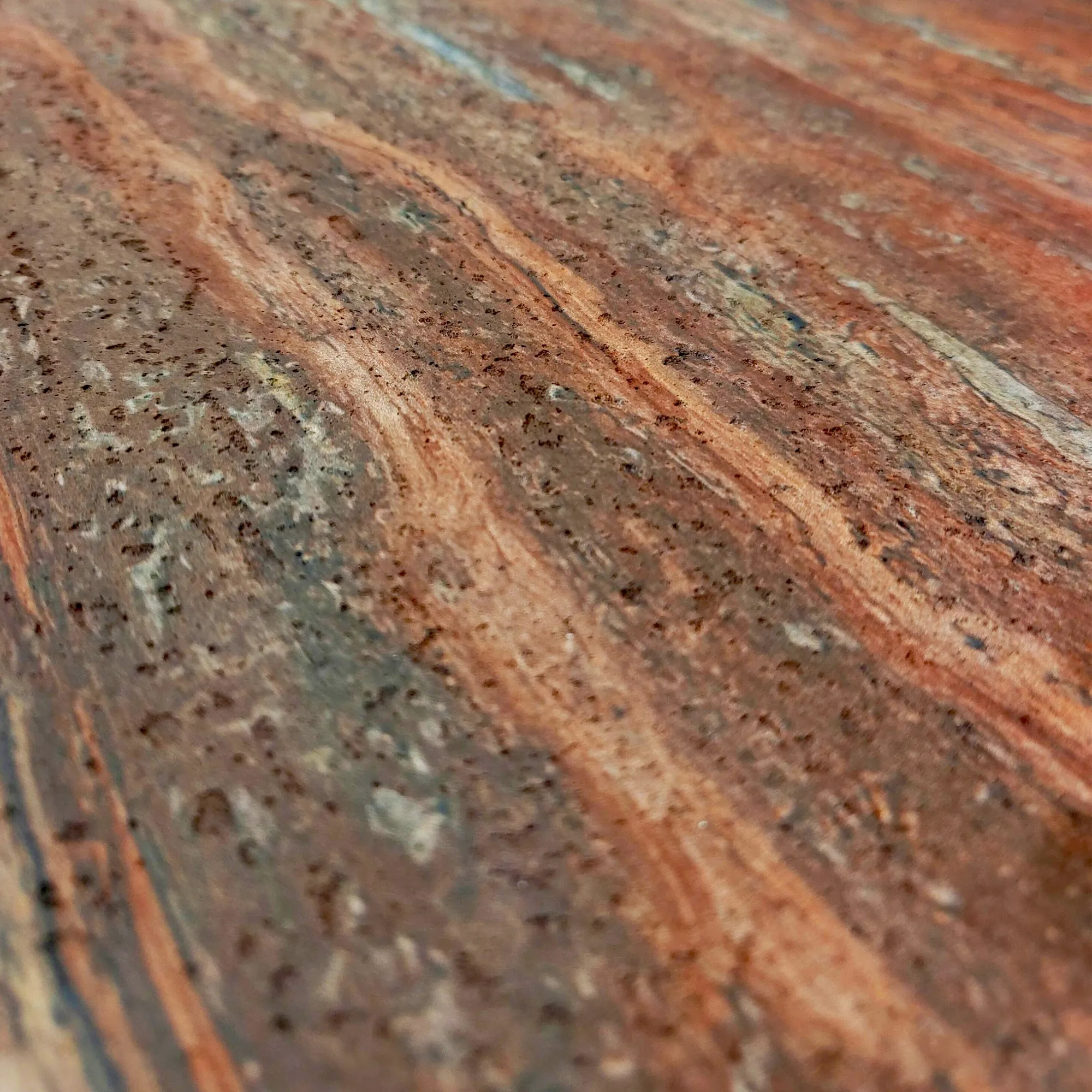
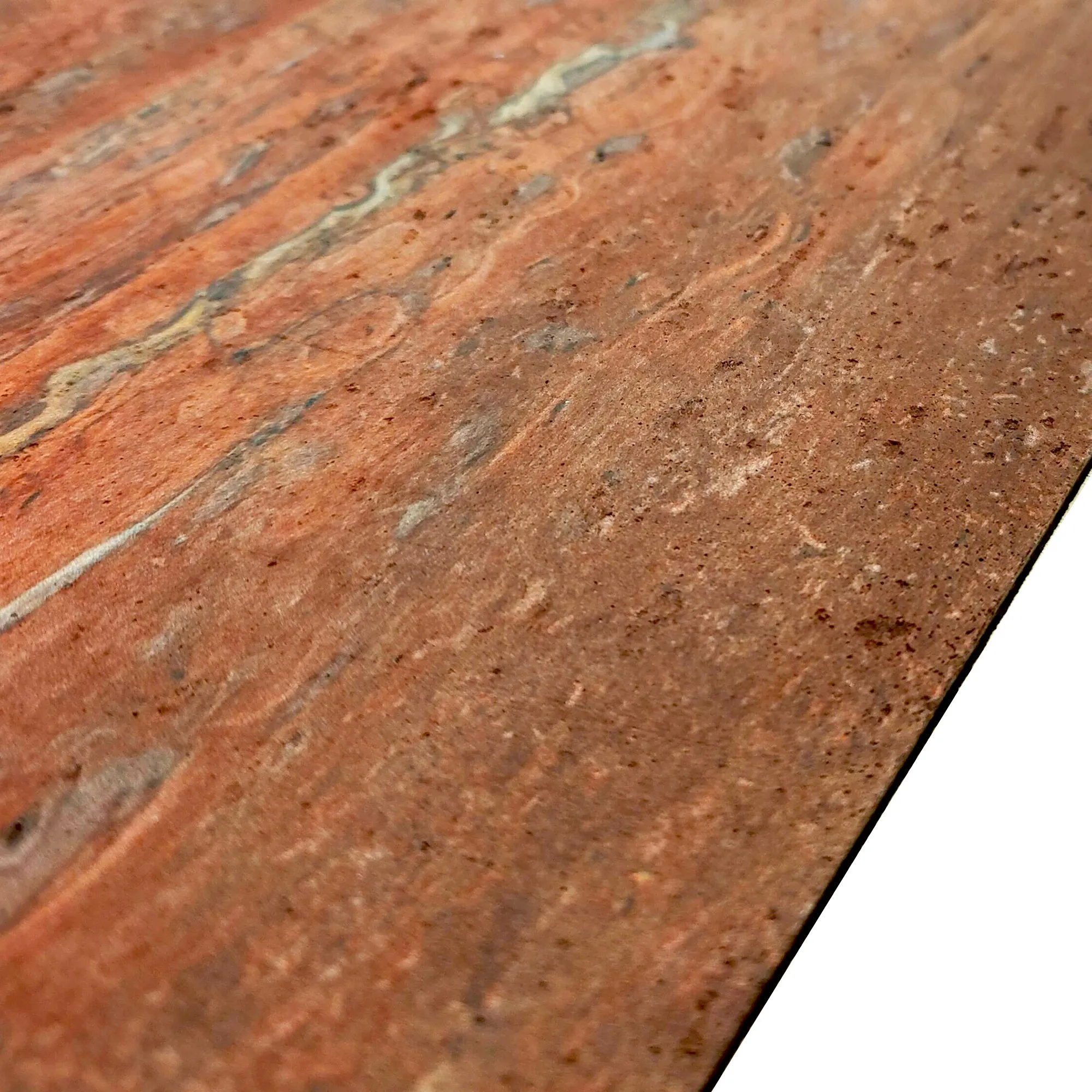
First, let's get to know Red Travertine MCM. You might be familiar with travertine—a natural stone known for its unique porous texture and earthy tones, often used in luxury buildings. But Red Travertine MCM takes that classic beauty and supercharges it with modern engineering. MCM, or Modified Composite Material, is a cutting-edge cladding solution that combines natural stone particles (in this case, red travertine) with high-performance polymers. The result? A material that's lightweight, flexible, and incredibly durable—all while retaining the authentic look and feel of natural stone.
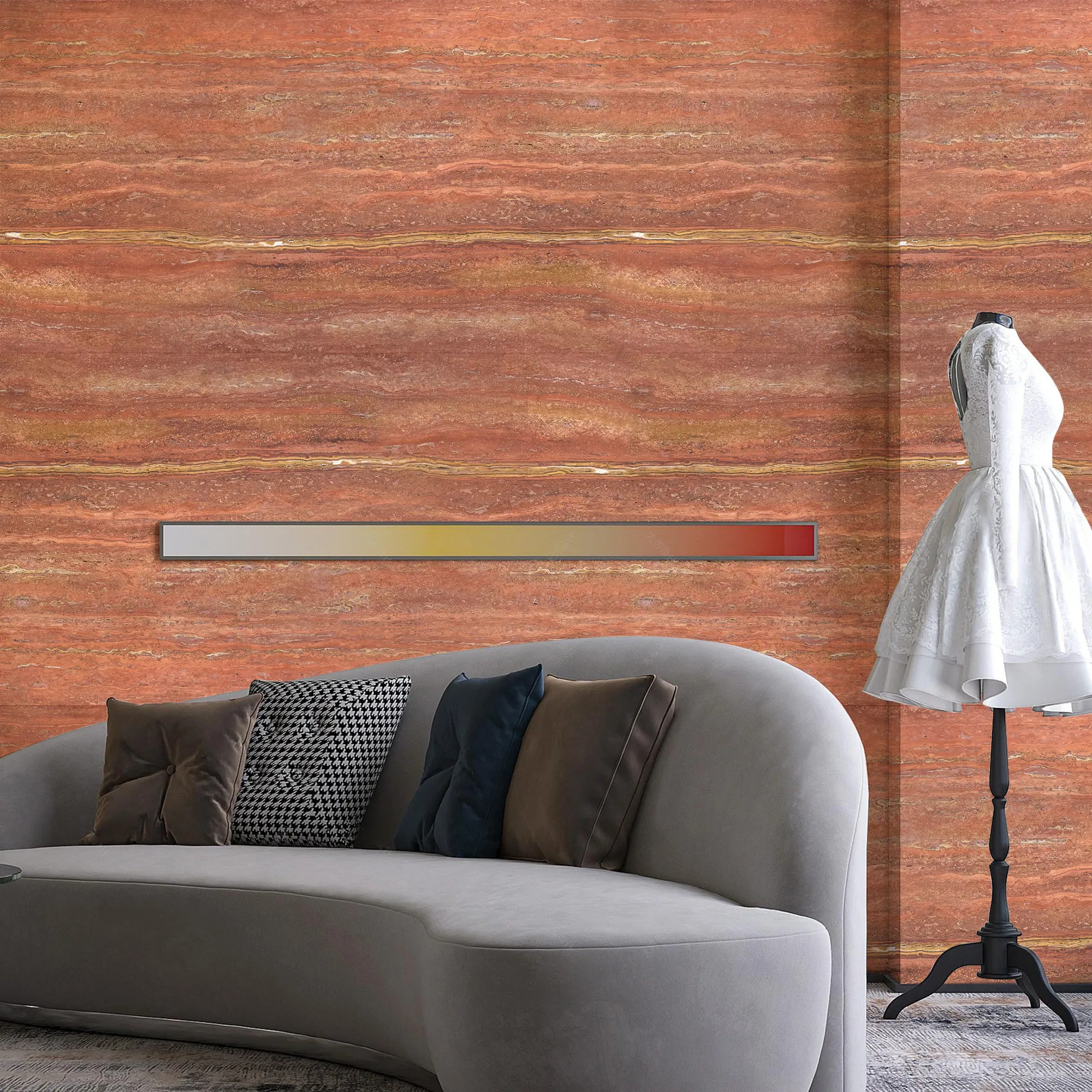
Think of it as nature and technology shaking hands. The red travertine component gives it that rich, warm hue with subtle veining and depth, while the polymer matrix adds strength and resilience. Unlike solid natural stone, which can be heavy and brittle, MCM flexible stone is thin (usually 3-5mm thick) and bendable, making it easier to install on curved surfaces or complex architectural designs. It's also resistant to chipping, cracking, and fading—qualities that make it a standout in tough environments.
A Real-World Example: The Desert Office Complex
In Phoenix, Arizona, a commercial developer recently opted for Red Travertine MCM on a new office complex. The decision came after seeing neighboring buildings with traditional stone cladding struggle with heat-induced expansion and contraction, leading to cracks and loose panels. "We needed something that could handle 120°F summers and monsoon rains without looking worn in five years," says the project architect. "Red Travertine MCM checked all the boxes—lightweight enough to reduce structural load, tough enough to resist the sun, and beautiful enough to impress clients." Three years later, the building's exterior still looks brand-new, with no signs of fading or damage.
Now, let's turn to wood cladding—a material that's been used for centuries, and for good reason. There's something inherently inviting about wood's natural grain, warmth, and texture. It adds a sense of organic beauty to any structure, blending seamlessly with landscapes and creating a cozy, welcoming vibe. From cedar and redwood to pine and oak, wood cladding comes in a variety of species, each with its own unique characteristics. Cedar, for example, is prized for its natural oils that resist rot, while pine is more affordable but requires regular treatment.
Wood cladding works by attaching overlapping or shiplap boards to the exterior of a building, creating a protective layer that also enhances insulation. When properly maintained, it can last for decades—think of historic cabins in the Pacific Northwest that have stood for 50+ years. But here's the catch: "properly maintained" is a big qualifier, especially in harsh climates. Wood is a natural material, and like all living things, it's susceptible to the elements. Moisture, insects, UV rays, and temperature swings can all take a toll, turning that beautiful golden cedar into a warped, grayed, or even rotting mess if not cared for vigilantly.
Homeowners who love wood often cite its sustainability and aesthetic versatility as key draws. It can be stained, painted, or left to weather naturally (a process called "silvering," where the wood turns a soft gray). But in regions where the weather doesn't play nice, that versatility can become a double-edged sword. For example, in coastal areas, saltwater mist can accelerate wood decay, while in humid climates, mold and mildew find wood to be the perfect breeding ground.
To really understand which material lasts longer, we need to put them head-to-head in some of the world's toughest climates. Let's break down four common harsh environments and see how Red Travertine MCM and wood cladding perform.
Desert climates are brutal for exterior materials. Daytime temperatures soar (often above 100°F), UV radiation is intense, and humidity levels plummet, causing materials to dry out and degrade. Let's see how our two contenders fare here.
Red Travertine MCM: Heat is no match for MCM. The polymer matrix in Red Travertine MCM is designed to withstand extreme temperatures without warping, melting, or losing structural integrity. Unlike natural stone, which can absorb heat and expand (leading to cracks when it cools), MCM has low thermal conductivity—meaning it stays cool to the touch even in direct sunlight. UV resistance is another strong suit: the pigments in the red travertine particles are locked into the polymer, preventing fading. In fact, most MCM manufacturers back their products with a 15-20 year warranty against color fading in high-UV environments.
Wood Cladding: Wood, on the other hand, struggles in the desert. The intense sun dries out the wood fibers, causing them to shrink, crack, and split. Over time, this leads to warping, where boards bow or twist out of shape. UV rays also break down the wood's natural oils and pigments, turning vibrant cedar or redwood into a dull, grayish hue. To combat this, homeowners in desert areas must regularly apply UV-resistant stains or sealants—usually every 1-2 years. Even with maintenance, though, wood cladding in the desert typically needs replacement after 10-15 years, compared to MCM's potential 30+ year lifespan.
Coastal regions bring their own set of challenges: saltwater spray, high humidity, and strong winds that carry abrasive sand. These elements are notoriously hard on building materials, especially organic ones like wood.
Red Travertine MCM: Saltwater and moisture are non-issues for Red Travertine MCM. The polymer coating creates a waterproof barrier, preventing water from seeping into the material. Unlike natural stone, which can absorb salt and develop efflorescence (that white, powdery residue), MCM is impervious to salt penetration. Wind-driven sand? Thanks to its tough surface, MCM resists scratching and pitting, keeping its finish smooth and intact. In coastal cities like Miami or Sydney, where buildings take a beating from tropical storms, MCM has become a go-to choice for architects aiming for longevity.
Wood Cladding: Wood and saltwater are not friends. Salt accelerates the breakdown of wood fibers, leading to rot and decay. Even pressure-treated wood, which is infused with chemicals to resist rot, can struggle in coastal areas. The high humidity also encourages mold and mildew growth, which not only looks unsightly but can compromise the wood's structural integrity. Homeowners in coastal zones often find themselves power-washing, sanding, and reapplying sealants every 6-12 months to keep wood cladding from deteriorating. Despite these efforts, wood in coastal climates often needs major repairs or replacement within 8-12 years.
In cold climates, materials face a different enemy: freeze-thaw cycles. When water seeps into pores or cracks, freezes, and expands, it can cause significant damage over time. Add ice, snow, and de-icing salts, and you've got a recipe for material failure.
Red Travertine MCM: MCM's low water absorption rate (usually less than 1%) makes it highly resistant to freeze-thaw damage. Since it doesn't absorb much water, there's little to no expansion when temperatures drop below freezing. This is a huge advantage over solid natural stone, which can absorb more water and crack under pressure. Red Travertine MCM also stands up to ice and snow without scratching or staining, and it's unaffected by de-icing salts—good news for buildings near roads or walkways that get salted in winter.
Wood Cladding: Wood is porous by nature, so it absorbs water readily. In cold climates, that absorbed water freezes, expands, and creates tiny cracks in the wood. Over repeated freeze-thaw cycles, these cracks grow larger, leading to splitting and splintering. Ice dams on roofs can also cause water to back up behind cladding, worsening the problem. While some wood species (like cedar) are more resistant than others, even the best wood cladding in cold climates requires careful installation (with proper ventilation and drainage) and regular maintenance to avoid premature failure. Without it, you might be looking at replacement in 10-15 years.
Industrial areas, with their high levels of air pollution, acid rain, and chemical exposure, are another tough test for exterior materials. These contaminants can eat away at surfaces, causing discoloration and degradation.
Red Travertine MCM: MCM's non-porous surface is highly resistant to chemical and pollution damage. Acid rain, which can etch natural stone or discolor wood, simply beads up and runs off MCM without leaving a trace. This makes it an excellent choice for buildings near factories, highways, or urban centers with high pollution levels. In fact, a study conducted in an industrial zone in Germany found that MCM cladding showed no signs of staining or degradation after 10 years, while neighboring wood cladding had turned dark and developed surface cracks.
Wood Cladding: Wood is vulnerable to pollution and chemicals. Acid rain can strip away its natural oils and protective coatings, leaving it exposed to further damage. Industrial emissions can also discolor wood, turning it gray, black, or even green in severe cases. While regular cleaning can help, the damage is often irreversible, and over time, the wood becomes brittle and weak. In industrial climates, wood cladding may need replacement in as little as 7-10 years.
Let's not forget about impact resistance—hailstorms, flying debris from storms, or even accidental bumps from ladders or equipment can cause unexpected damage. How do our two materials stack up here?
Red Travertine MCM: Despite its thin profile, MCM is surprisingly tough. The polymer matrix gives it flexibility, so it can absorb minor impacts without cracking. While severe hail (golf ball-sized or larger) might leave small dents, it's unlikely to cause major damage. In contrast, solid natural stone would chip or crack under the same conditions. MCM's impact resistance makes it a popular choice in areas prone to hailstorms, like the American Midwest.
Wood Cladding: Wood is prone to denting and scratching, especially softer species like pine. Hail can leave divots, while flying debris can split or crack boards. Even a misplaced ladder can gouge the surface. While some damage can be sanded out, deep scratches or splits often require board replacement. Over time, these impacts add up, making the wood look worn and increasing the risk of moisture penetration.
| Factor | Red Travertine MCM | Wood Cladding |
|---|---|---|
| Expected Lifespan (Harsh Climates) | 30-50 years with minimal maintenance | 10-15 years with regular maintenance; 5-8 years with poor maintenance |
| Maintenance Required | Annual washing with soap and water; no sealing or staining needed | Sanding, sealing, or staining every 1-2 years; frequent cleaning to prevent mold/mildew |
| Resistance to Moisture | Excellent (water absorption <1%); resists rot, mold, and mildew | Poor to moderate (varies by species); prone to rot, mold, and warping when wet |
| Resistance to UV Rays | Excellent; color fading is minimal even after decades of sun exposure | Poor; fades and grays quickly without regular UV protection |
| Resistance to Freeze-Thaw Cycles | Excellent; low water absorption prevents cracking | Poor; water absorption leads to splitting and warping in cold climates |
| Impact Resistance | Good; flexible polymer matrix resists dents and cracks from minor impacts | Poor; prone to dents, scratches, and splits from hail or debris |
| Cost (Initial vs. Long-Term) | Higher initial cost ($15-25/sq ft installed); lower long-term cost due to minimal maintenance and long lifespan | Lower initial cost ($8-15/sq ft installed); higher long-term cost due to frequent maintenance and replacement |
| Aesthetic Longevity | High; retains color and texture for decades | Low; fades, warps, and discolors over time, even with maintenance |
Of course, durability isn't the only factor—aesthetics, budget, and project goals also play a role. Let's look at scenarios where one material might be preferable over the other.
The Coastal Homeowner's Dilemma
Mark, a homeowner in Charleston, South Carolina, faced this exact choice when renovating his beach house. "I've always loved the look of cedar cladding—it feels so coastal and inviting," he says. "But my last house had wood cladding, and within seven years, it was rotting in spots, and the maintenance was killing me. I was power-washing every three months and restaining every year." After researching options, Mark went with Red Travertine MCM. "It has that warm, natural look I wanted, but I don't have to worry about saltwater or humidity. Two years later, it still looks perfect, and I've only had to hose it down once. Best decision I ever made for this house."
When it comes to longevity in harsh climates, Red Travertine MCM emerges as the clear winner. Its combination of natural beauty, modern durability, and minimal maintenance makes it a far more practical choice than wood cladding for areas where the elements are unforgiving. Wood cladding has its charm, but its vulnerability to moisture, UV rays, temperature extremes, and pests means it simply can't keep up with MCM in the long run.
That said, wood cladding still has a place in mild climates or for projects where aesthetics and natural appeal take precedence over durability. But for most homeowners, architects, and builders working in tough environments, Red Travertine MCM offers the best of both worlds: the timeless beauty of red travertine and the resilience of modern composite technology. It's an investment that pays off not just in how your building looks today, but in how well it stands strong tomorrow—no matter what the weather throws its way.
So, if you're planning a project in a harsh climate and want cladding that lasts, consider Red Travertine MCM. Your future self (and your wallet) will thank you.
Recommend Products











