

Walk down any modern city street, and you'll notice a quiet revolution happening on building facades, interior walls, and even outdoor patios. Architects and designers are ditching generic materials for something that feels both timeless and fresh—something that tells a story. Enter Red Travertine MCM . If you've ever paused to admire a building's warm, earthy tones or wondered how a surface can feel both rugged and refined, chances are you've encountered modified cementitious materials (MCM) in action. Today, we're diving deep into one of the most captivating members of this family: Red Travertine MCM. What is it, exactly? Why is it winning over the hearts of creatives worldwide? And how does it stand apart from the stones and concretes we've known for decades? Let's explore.
Let's start with the basics. Red Travertine MCM isn't your average building material. It's a hybrid of nature and innovation—a product of modern engineering that borrows the organic beauty of travertine stone but wraps it in the durability and flexibility of modified cementitious technology. Think of it as travertine's smarter, more adaptable cousin. Traditional travertine is a form of limestone formed by mineral deposits from hot springs, known for its porous texture and warm hues. But while natural travertine is stunning, it's heavy, prone to cracking, and can be a headache to install on large surfaces. That's where MCM steps in.
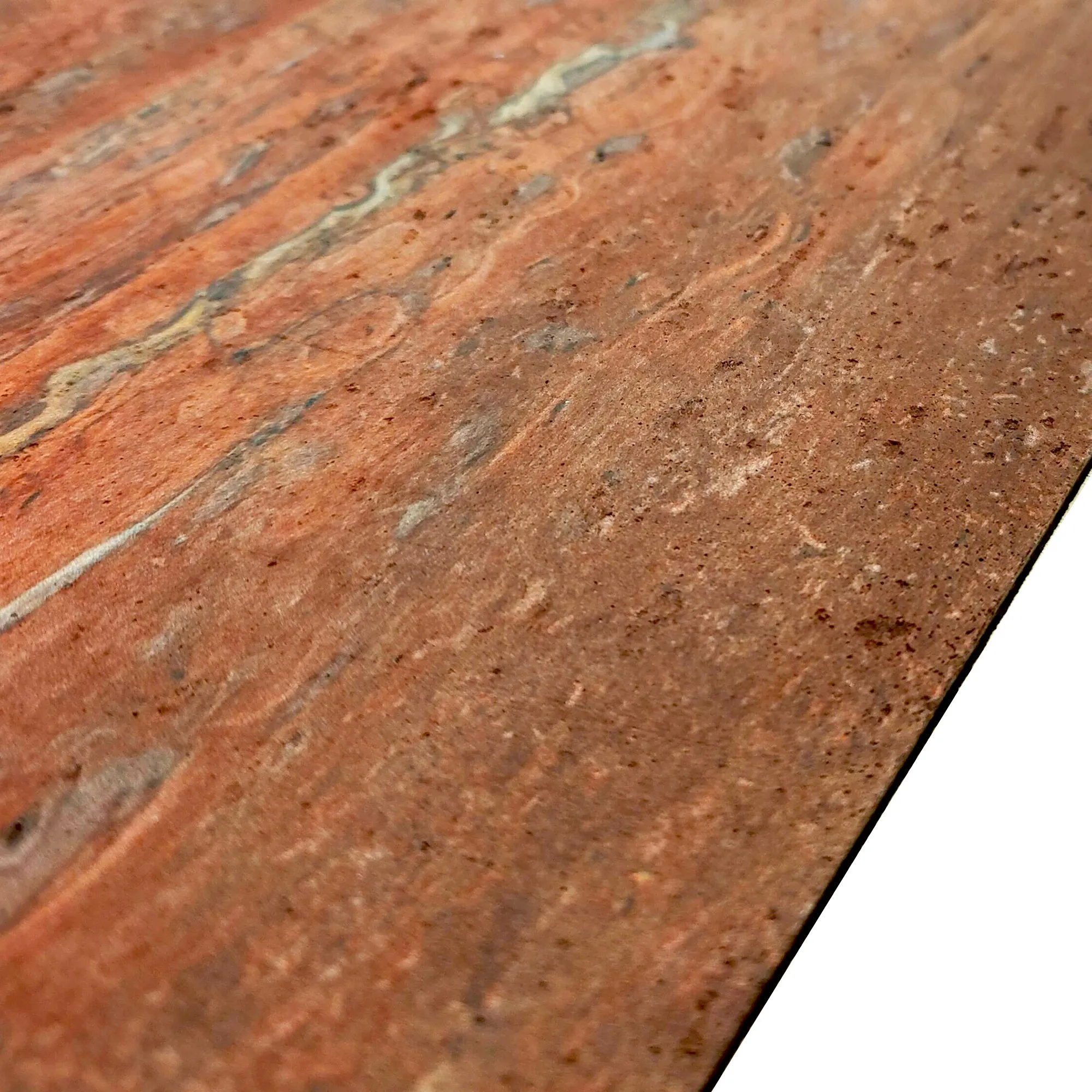
MCM, or modified cementitious material, is a composite that blends cement with polymers, fibers, and other additives to create a material that's lightweight, flexible, and incredibly strong. When we talk about Red Travertine MCM , we're specifically referring to this composite engineered to mimic the look and feel of red travertine—those rich, terracotta-like tones with subtle veining and texture that evoke warmth and history. But unlike its natural counterpart, this MCM version can bend without breaking, stick to curved surfaces, and weigh a fraction of the stone it imitates. It's the kind of material that makes architects smile and contractors breathe easier.
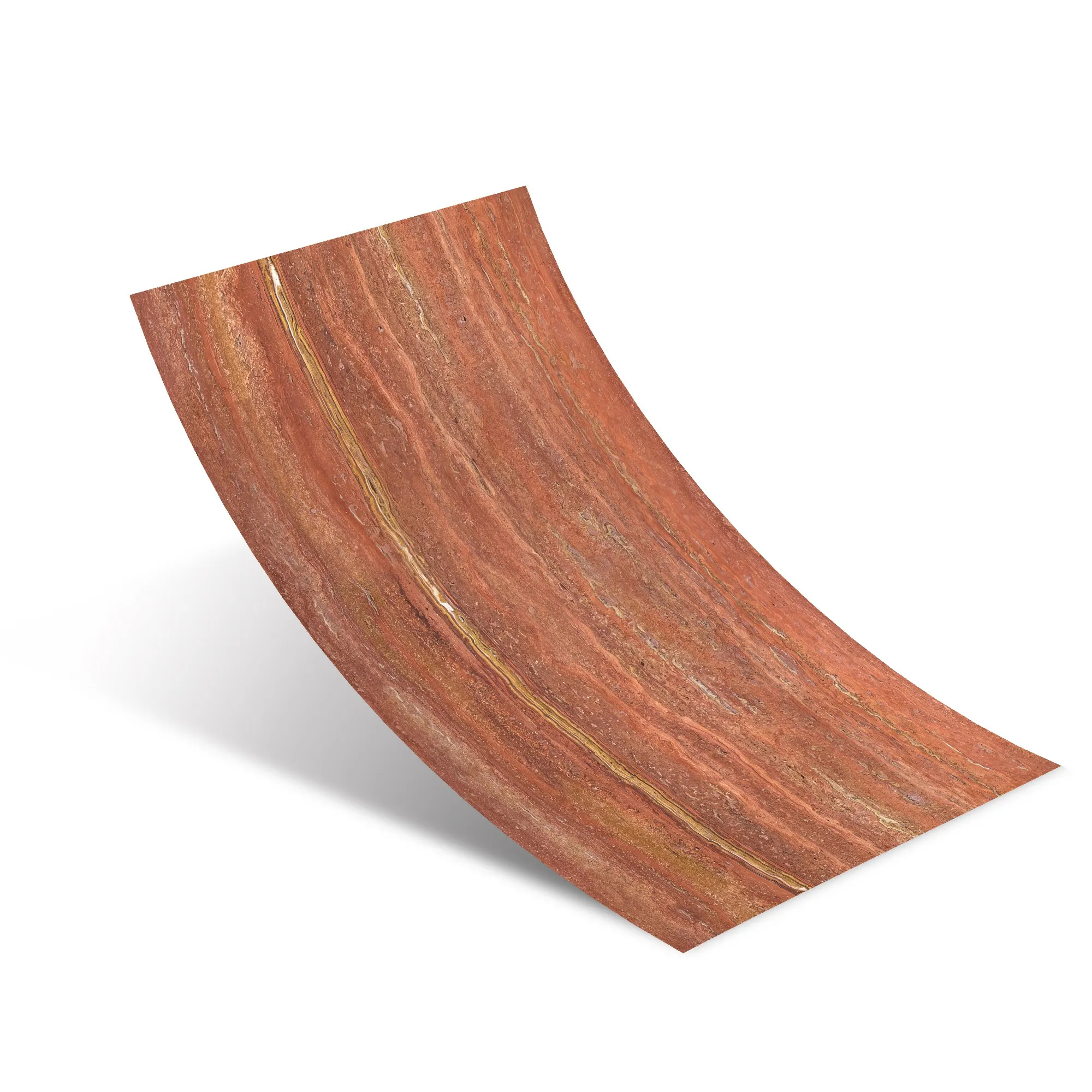
Curious about how this magic happens? Let's pull back the curtain. The production process starts with selecting the perfect "recipe" of ingredients. At its core is portland cement, but not the same stuff you'd find in a backyard DIY project. This cement is modified with polymers—think of them as tiny binders that add elasticity. Then, fibers (often glass or carbon) are mixed in to boost tensile strength, preventing cracks even when the material flexes. Finally, pigments and texture additives are introduced to replicate the unique appearance of red travertine: the depth of color, the slight pits, the way light plays off its surface.
But here's where it gets really interesting: many manufacturers, especially those in the MCM 3D printing series , use advanced technology to sculpt the material. Imagine a 3D printer laying down layer upon layer of the modified cementitious mix, each layer precision-engineered to mimic the natural variations in travertine. The result? Panels that look hand-hewn but are consistently uniform in quality. It's a far cry from quarrying (dà kuài shítou—large blocks of stone) and chiseling them into shape, which is labor-intensive and wasteful. With MCM, there's minimal material waste, and the process is far more energy-efficient. It's artisanal craft meets cutting-edge tech, and the result is Red Travertine MCM panels that are as kind to the planet as they are to the eyes.
Fun Fact: Red Travertine MCM often includes recycled materials in its mix, like ground-up glass or reclaimed concrete, making it a sustainable choice for eco-conscious projects. It's a small detail, but it adds up—especially when you consider that traditional stone quarrying contributes to habitat destruction and carbon emissions. With MCM, you get the beauty of stone without the environmental guilt.
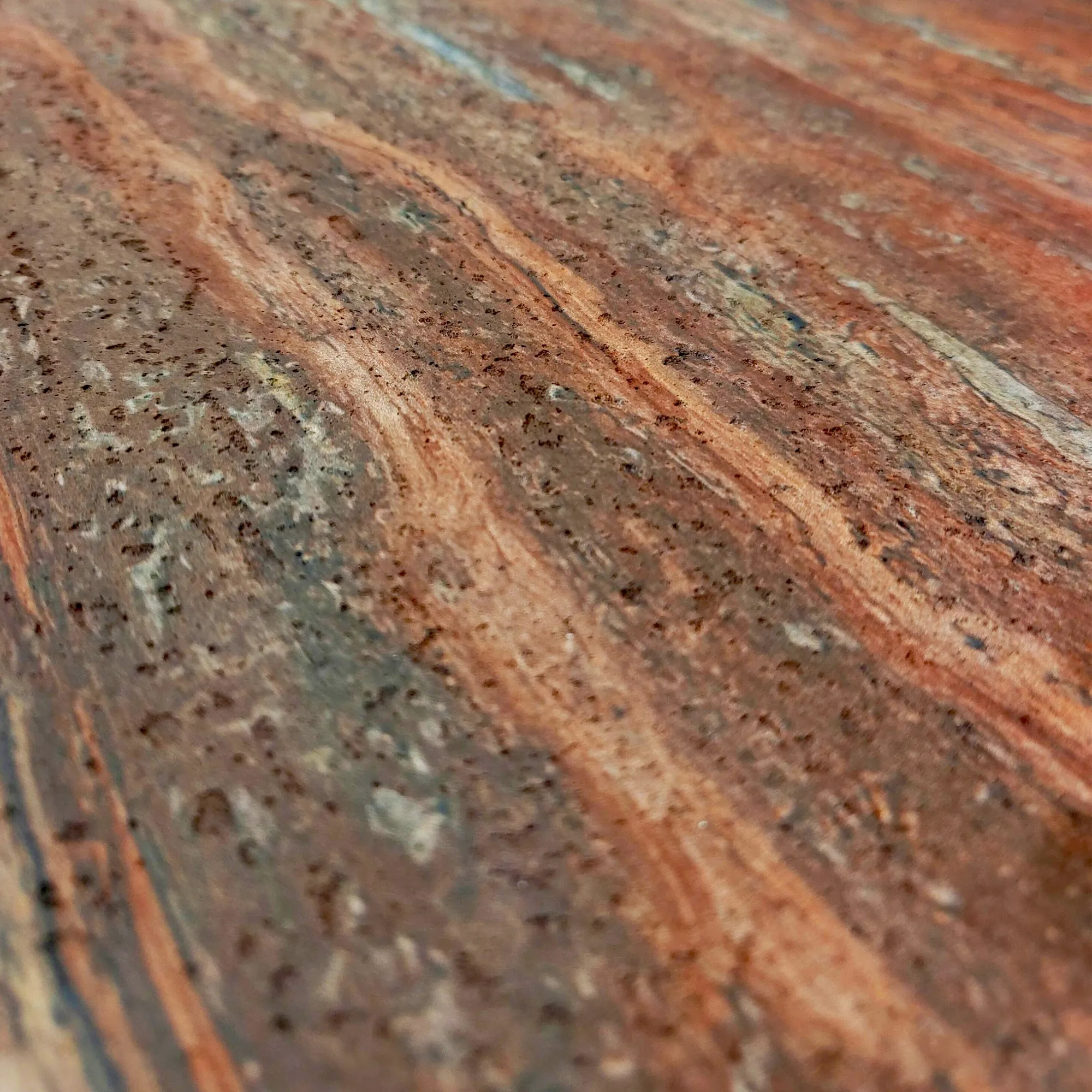
Red is a color with power. It's bold, it's warm, it's full of personality. In architecture, red can make a building feel welcoming (think of a cozy bed-and-breakfast with a red facade) or striking (like a modern art museum demanding attention). Red Travertine MCM taps into this versatility. Its hue isn't a flat, artificial red; it's nuanced. Some panels lean toward terracotta, with hints of orange and brown that feel earthy and grounded. Others have deeper, brick-like tones, evoking the warmth of historic European villages. And then there are those with subtle veining—thin streaks of cream or gold that add depth, like the natural patterns found in ancient travertine quarried in Italy or Turkey.
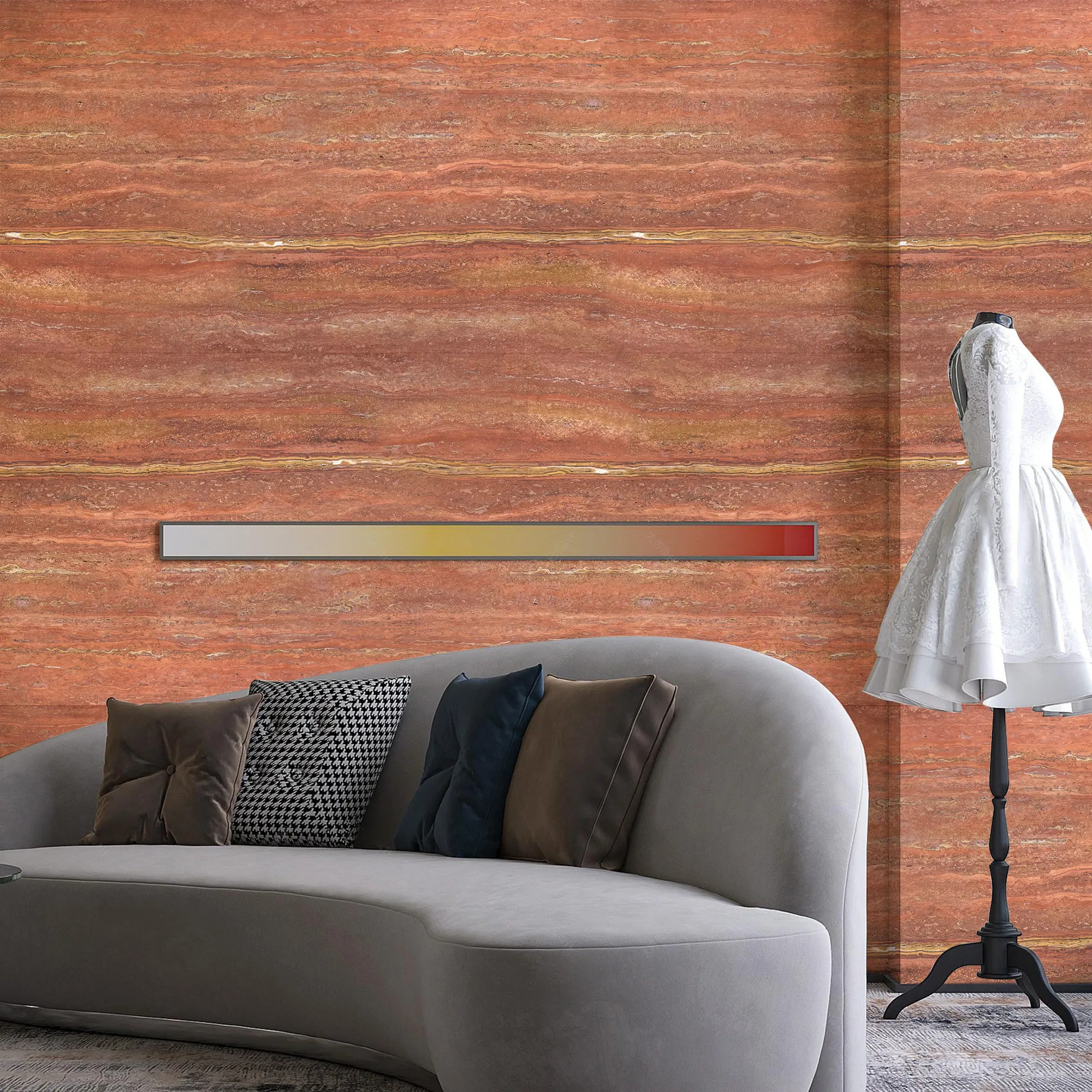
But why choose red over, say, beige or gray? For one, it's a statement. In a world of neutral buildings, a Red Travertine MCM accent wall or facade stands out without feeling garish. It's also surprisingly versatile. Pair it with fair-faced concrete for an industrial-modern vibe, or with wood accents for a rustic-chic look. In commercial spaces, it can set the mood: a restaurant with Red Travertine MCM walls feels intimate and inviting, while a boutique store using it on its exterior signals creativity and uniqueness. Even in residential settings, it works—imagine a home's entryway with a Red Travertine MCM feature wall, greeting guests with warmth before they even step inside.
One of the biggest selling points of Red Travertine MCM is its flexibility—not just physically, but in how it can be used. Let's break down the possibilities:
Picture a five-story office building with a facade clad in Red Travertine MCM panels. Because the material is lightweight (often less than 8kg per square meter), it doesn't add excessive load to the building's structure—critical for high-rises. And since it's resistant to weathering (rain, UV rays, even freeze-thaw cycles), it'll keep its rich color for decades. Compare that to natural red travertine, which might fade or develop stains over time, and you see why MCM is a favorite for exterior projects.
Who says MCM is only for the outside? Inside, Red Travertine MCM shines as an accent wall in living rooms, bedrooms, or home offices. Its texture adds depth to a space, making even a small room feel layered and interesting. Unlike paint, which can feel flat, or wallpaper, which might peel, MCM walls are tactile—you can run your hand over them and feel the subtle bumps and grooves, just like natural stone. It's the kind of detail that turns a "house" into a "home."
Cafés, boutiques, and hotels are (yōngbào—embracing) Red Travertine MCM for a reason: it tells a story. A boutique hotel in Bali might use it alongside Bali stone and bamboo accents to create a tropical-meets-industrial aesthetic. A wine bar in Paris could pair it with dark wood and brass fixtures for a timeless, cozy feel. The material's ability to complement other textures—wood, metal, glass—makes it a chameleon in commercial design. It doesn't overpower; it elevates.
Patio floors, pool surrounds, and garden walls—Red Travertine MCM holds its own here, too. Its slip-resistant surface (thanks to that textured finish) makes it safe for wet areas, and its resistance to mold and mildew means it won't turn green or slimy in humid climates. Imagine hosting a summer barbecue on a patio paved with Red Travertine MCM tiles; the color would glow in the sunset, and you'd never have to worry about cracks from heavy furniture or shifting ground.
It's one thing to sing the praises of Red Travertine MCM, but how does it really hold up against other popular building materials? Let's put it head-to-head with a few classics in this handy table:
| Material | Weight (per sq.m) | Installation Ease | Durability | Aesthetic Range | Sustainability |
|---|---|---|---|---|---|
| Red Travertine MCM | 5–8 kg | Easy (lightweight, flexible; can be cut on-site) | High (resistant to cracks, UV, moisture) | Wide (mimics natural red travertine with customizable veining/texture) | High (recycled materials, low waste production) |
| Natural Red Travertine | 25–30 kg | Challenging (heavy; requires structural support) | Medium (prone to staining, cracking; needs sealing) | Limited (depends on quarry; variations can be unpredictable) | Low (quarrying impacts ecosystems; high carbon footprint) |
| Fair-Faced Concrete | 20–24 kg | Moderate (requires formwork; less flexible) | High (durable but can develop hairline cracks) | Neutral (gray, beige; limited color options) | Medium (recyclable but energy-intensive to produce) |
| Traditional Ceramic Tiles | 15–20 kg | Moderate (fragile; grout lines require maintenance) | Medium (prone to chipping; color fades over time) | Wide (but often lacks natural texture) | Low (high firing temperatures; limited recycled content) |
As you can see, Red Travertine MCM checks a lot of boxes: it's lightweight, easy to install, durable, aesthetically versatile, and kind to the planet. For designers and builders looking to balance beauty with practicality, that's a winning combo.
Now, let's talk about scale. One of the most exciting developments in MCM technology is the MCM big slab board series —large-format panels that allow for seamless, dramatic surfaces. Traditional stone slabs are often limited by size (natural fractures make big pieces rare), but MCM big slabs can measure up to 1.2m x 2.4m or more. For Red Travertine MCM, this means fewer seams, a more cohesive look, and a sense of grandeur that small tiles just can't match.
Imagine a luxury hotel lobby with a wall clad in 2m-tall Red Travertine MCM big slabs. The effect is breathtaking—like a single, sweeping canvas of color and texture. No grout lines to break the flow, no mismatched tiles to distract. It's a statement of confidence, and it's only possible with MCM's flexibility. Even better, these big slabs are lightweight enough to be installed vertically without heavy lifting equipment, saving time and labor costs. It's innovation that makes bold design accessible.
We've touched on sustainability, but it's worth diving deeper. In an era where "green building" is no longer a trend but a necessity, Red Travertine MCM stands out as a responsible choice. Let's break down why:
It's not just about "being green" for marketing points, either. Many regions now have strict building codes requiring sustainable materials, and Red Travertine MCM often qualifies for LEED credits or other green certifications. For developers and architects, that's a win-win: they get a beautiful material and meet sustainability goals.
Let's get concrete (pun intended) with some examples. Around the globe, Red Travertine MCM is leaving its mark on iconic projects:
A family in Portland wanted a home that felt connected to the Pacific Northwest's natural beauty but with a modern twist. Their architect recommended Red Travertine MCM for the exterior facade, paired with wood grain board accents. The result? A house that blends into the surrounding trees with its earthy red tones but stands out with clean lines. The homeowners love that the facade requires almost no maintenance—no sealing, no repainting—and that it stays cool in summer, reducing their AC bills.
A Napa winery sought to evoke the region's agricultural heritage while appealing to contemporary wine lovers. They chose Red Travertine MCM for their tasting room walls, (dāpèi—paired with) polished concrete floors and large windows overlooking the vineyards. The material's warm color complements the wooden wine barrels, and its texture adds a tactile element that guests love. "It feels like a cave where wine ages, but bright and airy," says the winemaker. "People linger longer here, and I think the walls have a lot to do with that."
In a city known for sleek, minimalist design, a boutique hotel wanted to stand out with warmth. They used Red Travertine MCM big slabs (from the MCM big slab board series ) on the exterior, creating a striking contrast with the glass and steel of neighboring buildings. Inside, accent walls in the lobby and guest rooms continue the theme. "Guests often comment on how the red makes the space feel cozy, even in the middle of a busy city," says the hotel manager. "It's become part of our brand identity."
At this point, you might be thinking, "This sounds amazing, but is it the right fit for me?" The answer depends on your goals. If you value:
Then Red Travertine MCM is likely a strong candidate. It's not just for high-end projects, either. From a small home renovation to a commercial skyscraper, the material scales to fit budgets and visions. And with the MCM flexible stone technology underpinning it, you're not limited to flat surfaces—curved walls, arches, and even furniture pieces can be clad in Red Travertine MCM, opening up endless design possibilities.
At the end of the day, building materials are more than just "stuff we build with." They shape how we experience spaces, how we feel when we walk into a room or pass by a building. Red Travertine MCM does more than cover walls; it tells a story of innovation respecting tradition, of sustainability without sacrifice, of warmth in a world that often feels cold and sterile. It's a material that invites touch, that catches the light, that makes spaces feel alive.
Whether you're an architect dreaming up your next masterpiece, a homeowner wanting to add character to your space, or a designer seeking that perfect balance of form and function, Red Travertine MCM deserves a spot on your radar. It's not just a trend—it's a glimpse into the future of building: one where beauty, durability, and responsibility walk hand in hand.
So the next time you see a building with a facade that makes you stop and stare, take a closer look. Chances are, you're looking at MCM in action. And if that facade is glowing with rich, warm red tones? You've just met Red Travertine MCM—the material that's redefining what it means to build with heart.
Recommend Products











