

As the sun dips below the horizon, most buildings fade into the background—their textures muted, their character dimmed by the dark. But imagine a structure that does the opposite: one that comes alive after dusk, its surfaces glowing with a warm, inviting light that highlights every curve, vein, and detail. That's the magic of combining Red Travertine MCM with integrated lighting. It's not just about illumination; it's about storytelling, creating atmosphere, and turning ordinary exteriors into unforgettable landmarks. In this article, we'll dive into how this dynamic duo works, why it's becoming a go-to choice for architects and designers, and how custom solutions can tailor this combination to fit any project's unique vision.
First things first: let's get to know the star of the show. Red Travertine is a natural stone known for its rich, earthy hues—think deep terracottas, rusty oranges, and warm reds—interrupted by delicate, cream-colored veins that add depth and movement. Traditionally, travertine has been a favorite for its timeless beauty, but like many natural stones, it's heavy, brittle, and can be tricky to install on large or curved surfaces. That's where MCM comes in.
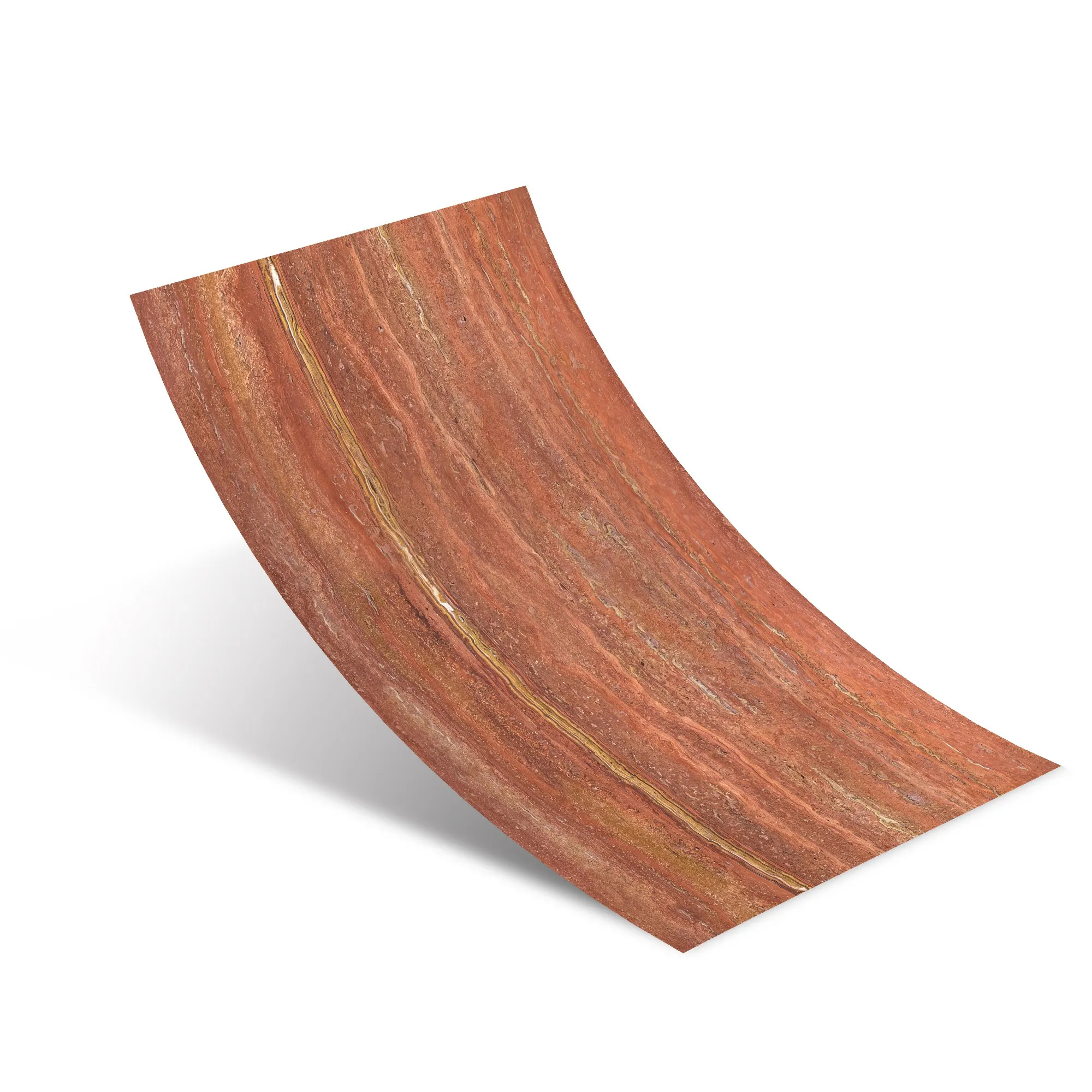
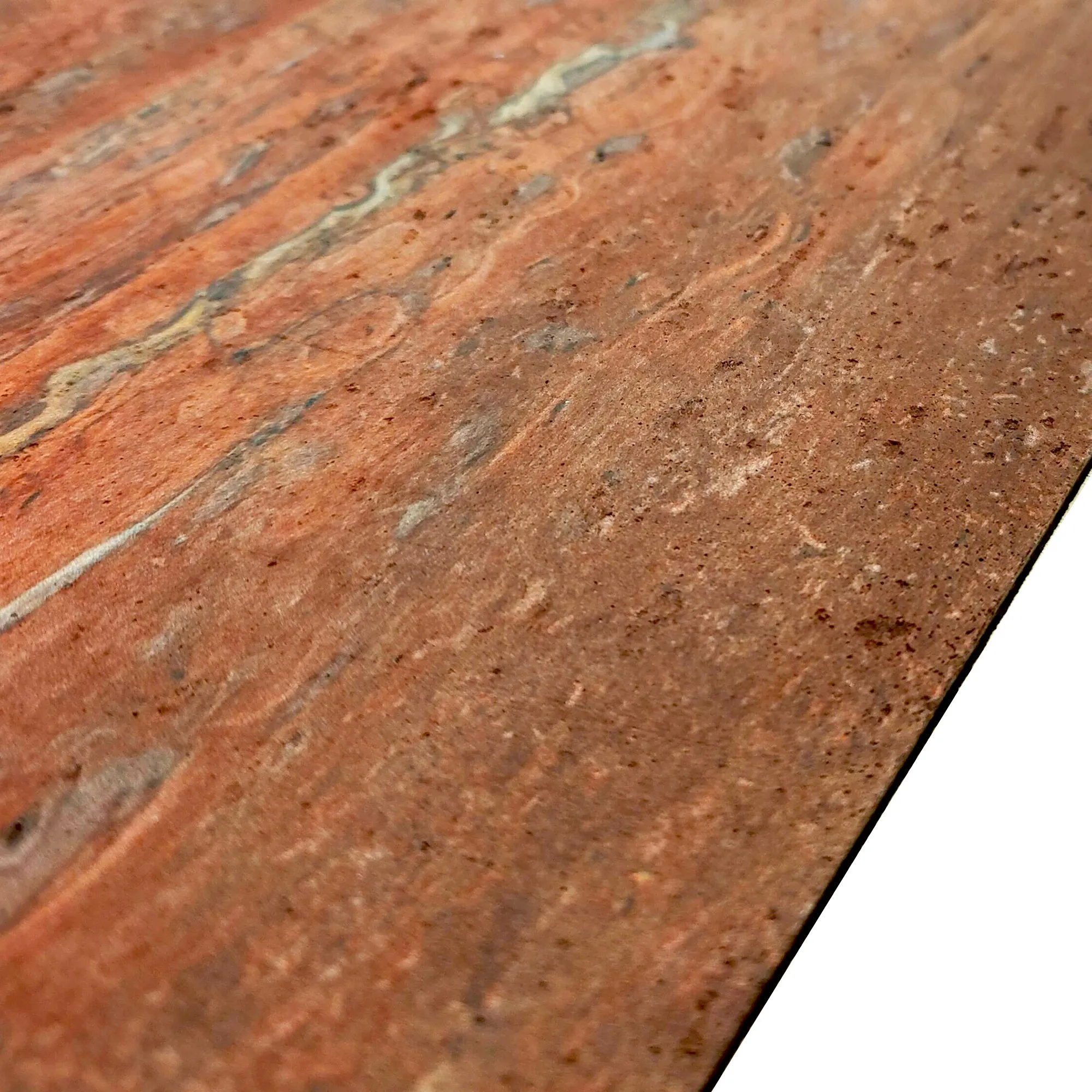
MCM, or Modified Composite Material, is a game-changer in the world of cladding. It takes the authentic look and feel of natural stone (in this case, Red Travertine) and combines it with modern engineering to create something lighter, more flexible, and far more versatile. MCM flexible stone , as it's often called, is made by bonding thin layers of natural stone veneer to a durable, lightweight backing. The result? A material that looks and feels like real travertine but weighs up to 80% less than solid stone, bends without cracking, and installs in a fraction of the time.
When we talk about Red Travertine MCM, we're referring to this innovative composite version of the stone. It retains all the visual appeal of natural Red Travertine—those rich reds, the organic veining, the subtle texture—while solving the practical challenges that once limited its use. And when paired with integrated lighting? It becomes a material that doesn't just sit there; it interacts with its environment, especially after dark.
Let's be honest: even the most beautiful stone can feel flat at night. Without light, its colors dull, its texture disappears, and its impact fades. Integrated lighting changes that. By embedding or strategically placing light sources within or around the flexible stone cladding panels , designers can highlight the unique characteristics of Red Travertine, turning its surface into a canvas that tells a story after hours.
Lighting isn't just about visibility—it's about emotion. Warm white LEDs, for example, can enhance the red and orange tones in Red Travertine, creating a cozy, welcoming vibe perfect for hotels or boutique stores. Cooler tones might emphasize the stone's veins, adding a modern, sophisticated edge for corporate buildings. Imagine a restaurant exterior clad in Red Travertine MCM, with soft backlighting that makes the stone glow like embers—suddenly, it's not just a building; it's an experience.
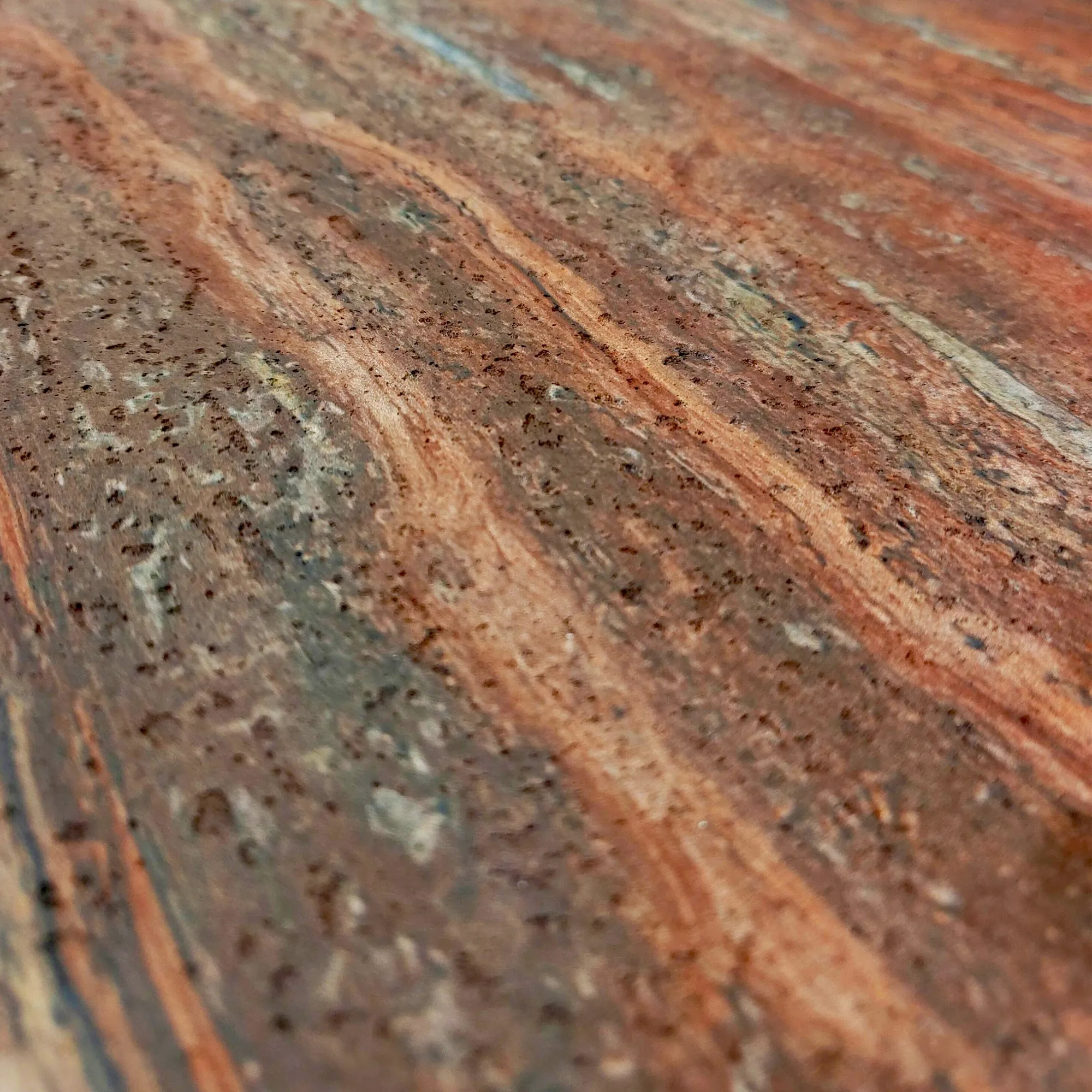
Red Travertine's beauty lies in its imperfections: the tiny pits, the irregular veins, the rough-hewn texture that feels like it's been shaped by time itself. Integrated lighting brings these details to life. Edge lighting, where LEDs are placed along the seams of panels, can trace the outline of the MCM big slab board series , emphasizing clean lines and grand scale. Backlighting, where lights are placed behind translucent sections of the MCM panel, can make the stone's veins appear to float, as if lit from within. Even simple downlighting, aimed at the surface, can cast dramatic shadows that play up the stone's natural texture.
Of course, lighting isn't just about looks. Well-placed integrated lights can improve safety by illuminating walkways, entry points, and potential hazards. Unlike traditional exterior lighting, which can be harsh or create glare, integrated lighting in MCM panels is diffused and subtle—providing just enough light to guide visitors without overwhelming the space.
One of the biggest advantages of working with Red Travertine MCM and integrated lighting is the ability to customize. No two projects are the same, and neither should their cladding and lighting solutions. Here's how manufacturers and designers collaborate to create something truly one-of-a-kind:
For large-scale projects—think shopping malls, convention centers, or skyscraper exteriors—size matters. The MCM big slab board series is designed for exactly this. These panels come in dimensions far larger than traditional stone slabs (often up to 1200x2400mm or more), reducing the number of seams and creating a seamless, monolithic look. When paired with integrated lighting, this scale becomes even more impactful. Imagine a 50-story building clad in Red Travertine MCM big slabs, with vertical LED strips embedded between panels. At night, the entire facade becomes a glowing red beacon, its height emphasized by the upward flow of light.
But size isn't just about grandeur. For smaller projects, like a boutique hotel or a residential facade, custom-sized panels allow for precise fitting around windows, doors, and architectural details. And because MCM is flexible, it can even be curved to follow rounded walls or domes—something solid stone could never do—opening up endless design possibilities.
Integrated lighting isn't a one-size-fits-all feature. Custom solutions let designers choose everything from the type of light source (LEDs are the go-to for their energy efficiency and longevity) to the color temperature, brightness, and even the ability to change colors or patterns. For example, a cultural center might opt for programmable RGB lighting that shifts with the seasons or special events, turning the Red Travertine facade into a canvas for art. A luxury resort might prefer warm, dimmable LEDs that adjust with the time of night—bright enough for evening arrivals, softer for late-night ambiance.
Installation is another key consideration. Some projects embed LEDs directly into the MCM panels during manufacturing, ensuring a sleek, seamless look. Others opt for surface-mounted fixtures that can be adjusted or replaced more easily. The choice depends on the project's aesthetic goals, budget, and maintenance needs—and with custom solutions, there's no need to compromise.
While Red Travertine is known for its signature hues, not all "reds" are created equal. Custom MCM production allows for precise color matching, ensuring the Red Travertine panels align with the project's overall palette. Want a deeper, more burgundy tone? A brighter, more orange-leaning red? Manufacturers can adjust the stone veneer selection and coloring processes to get it just right. And the finish? Options range from matte (for a natural, rustic look) to semi-polished (for a subtle sheen that catches light beautifully). Even the backing material can be customized—choosing between fire-resistant, moisture-resistant, or eco-friendly options to meet specific building codes or sustainability goals.
Large-scale projects—airports, stadiums, corporate headquarters—come with big challenges. Traditional cladding materials often struggle to meet the demands of these projects: heavy stone requires reinforced structures, small panels mean more labor and seams, and rigid materials can't adapt to the unique shapes of modern architecture. Architectural big slab solutions address these issues head-on, and when paired with Red Travertine MCM and integrated lighting, they become even more powerful.
Take, for example, a convention center with a curved facade. Solid Red Travertine slabs would crack under the stress of bending, and installing hundreds of small panels would create a patchwork effect. But MCM big slabs, being flexible and lightweight, can be bent to follow the curve, creating a smooth, continuous surface. Add integrated edge lighting along the curve, and suddenly the building's unique shape becomes its most striking feature at night—visible from miles away.
Another challenge? Weight. A high-rise building clad in solid stone would require massive structural support, driving up costs and construction time. MCM big slabs, on the other hand, weigh as little as 5-8 kg per square meter, reducing the load on the building's frame. This not only cuts costs but also opens up design possibilities, like cantilevered overhangs or lightweight facades that seem to float—all while maintaining the look of authentic Red Travertine.
And let's not forget about durability. MCM flexible stone is resistant to water, UV rays, and temperature fluctuations, making it ideal for harsh climates—whether it's the scorching sun of the Middle East or the freezing winters of Northern Europe. When paired with weatherproof LED fixtures, the result is a cladding system that looks great and lasts for decades, even in the toughest conditions.
To truly understand the impact of this combination, let's look at a few hypothetical (but realistic) applications where Red Travertine MCM with integrated lighting has transformed spaces:
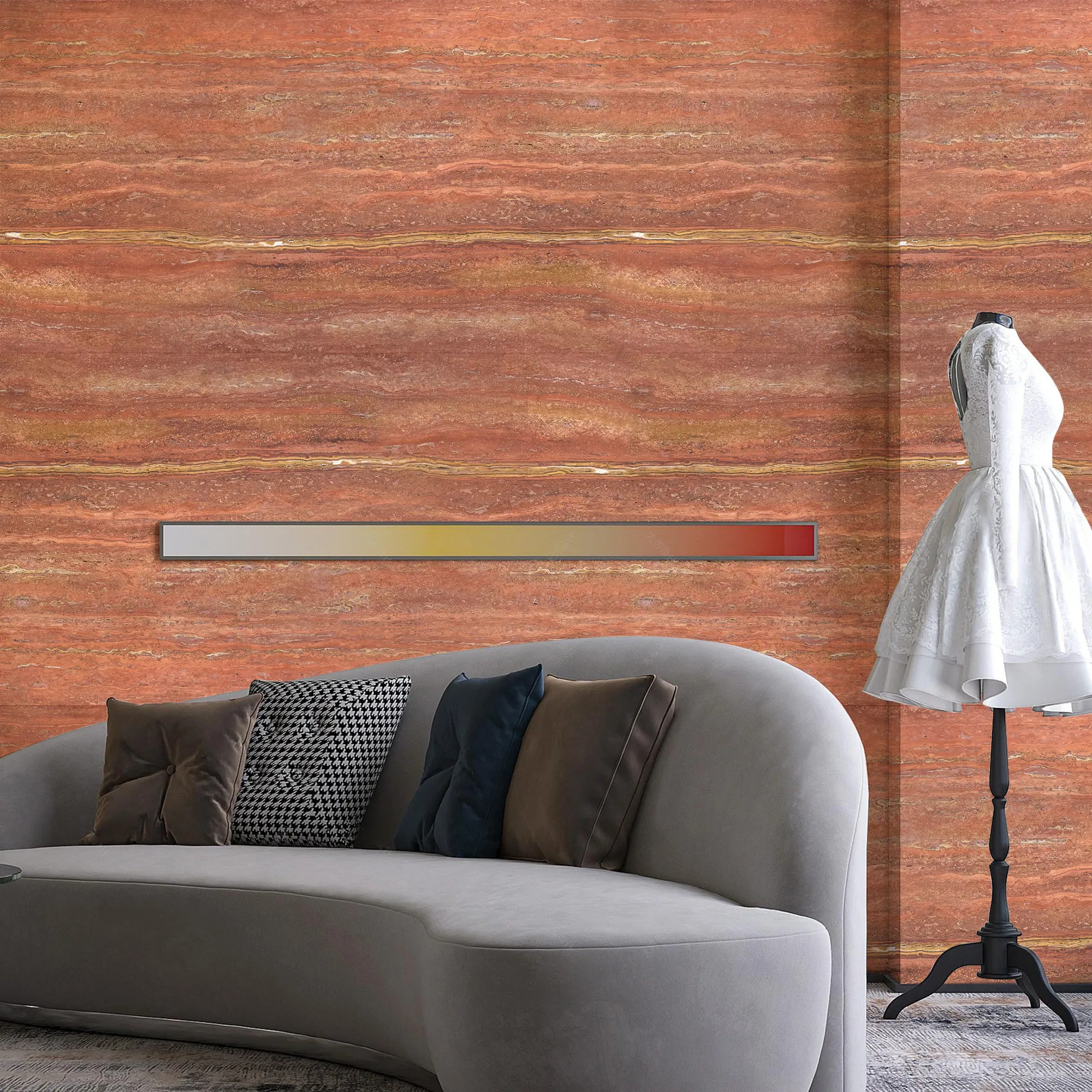
Picture a bustling downtown area with a new office tower. Instead of blending in with the glass-and-steel crowd, this building stands out with a Red Travertine MCM facade. By day, its warm red tones contrast beautifully with the cool blues of neighboring buildings. By night, integrated edge lighting traces the building's geometric lines, while backlit panels highlight the stone's veins, creating a dynamic, almost sculptural effect. The result? A building that's not just a workplace, but a landmark that boosts brand visibility and contributes to the city's skyline.
A luxury beach resort wants to create a sense of warmth and exclusivity. Its main entrance is clad in Red Travertine MCM big slabs, with soft, downward-facing LEDs that wash the stone in a golden glow. The lighting is dimmable, so during the day, it's subtle, letting the natural stone take center stage; at night, it ramps up, guiding guests along a path lined with smaller Red Travertine panels, each with embedded ground lights that cast patterns on the walkway. The effect is intimate and inviting, making guests feel like they've stepped into a private oasis.
A city museum dedicated to local history wants its exterior to reflect the region's heritage. It chooses Red Travertine MCM to echo the color of the local soil, paired with programmable lighting that tells stories. In the evening, the facade cycles through scenes: warm reds and oranges representing the area's agricultural past, cool blues mimicking the nearby river, and subtle patterns that evoke traditional crafts. The museum isn't just a place to view history—it becomes a part of it, engaging the community day and night.
Beyond the obvious aesthetic appeal, there are plenty of practical reasons to choose Red Travertine MCM with integrated lighting. Let's break them down:
| Feature | Traditional Red Travertine Cladding | Red Travertine MCM with Integrated Lighting |
|---|---|---|
| Weight | Heavy (80-100 kg/m²) | Lightweight (6-12 kg/m²) |
| Installation | Time-consuming; requires structural reinforcement | Fast; can be installed on most surfaces without heavy reinforcement |
| Flexibility | Brittle; cannot bend or curve | Flexible; can bend up to 90° without cracking |
| Lighting Integration | Difficult; requires bulky fixtures around stone | Seamless; LEDs can be embedded or integrated during manufacturing |
| Nighttime Appeal | Flat; texture and color muted in dark | Vibrant; lighting highlights texture, color, and architectural details |
| Maintenance | High; prone to staining and cracking | Low; resistant to stains, fading, and damage |
Creating a Red Travertine MCM facade with integrated lighting isn't a one-person job. It requires close collaboration between architects, designers, manufacturers, and lighting experts. Here's how the process typically works:
First, the design team shares their vision: the look they want, the emotions they want to evoke, the practical needs of the space. Then, the MCM manufacturer works to create custom panels that match the desired color, texture, and size—often providing samples for approval. Meanwhile, lighting specialists design a system that complements the stone, considering factors like light distribution, energy use, and maintenance. Finally, installers ensure everything comes together seamlessly, with the lighting and cladding working in harmony.
The best manufacturers don't just deliver a product; they act as partners, offering technical expertise and creative problem-solving. For example, if a project has a tight deadline, they might suggest pre-integrated lighting during panel production to speed up installation. If the budget is a concern, they might recommend a mix of embedded and surface-mounted lighting to balance cost and aesthetics. The goal is to turn the design vision into reality—no compromises.
Red Travertine MCM with integrated lighting isn't just about cladding a building. It's about transforming how we experience architecture after dark—turning static structures into dynamic, emotional spaces that engage, inspire, and leave a lasting impression. With flexible stone cladding panels , architectural big slab solutions , and endless customization options, this combination offers designers the freedom to push boundaries and create something truly unique.
So the next time you're walking through a city at night, take a moment to notice the buildings that glow. Chances are, they're not just lit—they're designed. And with Red Travertine MCM and integrated lighting, that design has the power to turn any project into a nighttime masterpiece.
Recommend Products











