

Red travertine has long been a favorite among architects and property developers who want the warm, earthy character of natural stone without the usual headaches. Its reddish-brown veins and aged texture give walls a refined, timeless look. But before you commit to a project, the practical question always comes first: what drives the red travertine price, and how can you keep it under control?
The short answer is that the final cost depends on a handful of factors rather than a single fixed number. This article walks through each one and explains why an engineered alternative such as mcm flexible stone is changing the way designers compare quotes from Chinese stone suppliers.
No matter where you buy, and whether you load it from a quarry or a factory, several variables push the per-square-meter figure up or down.
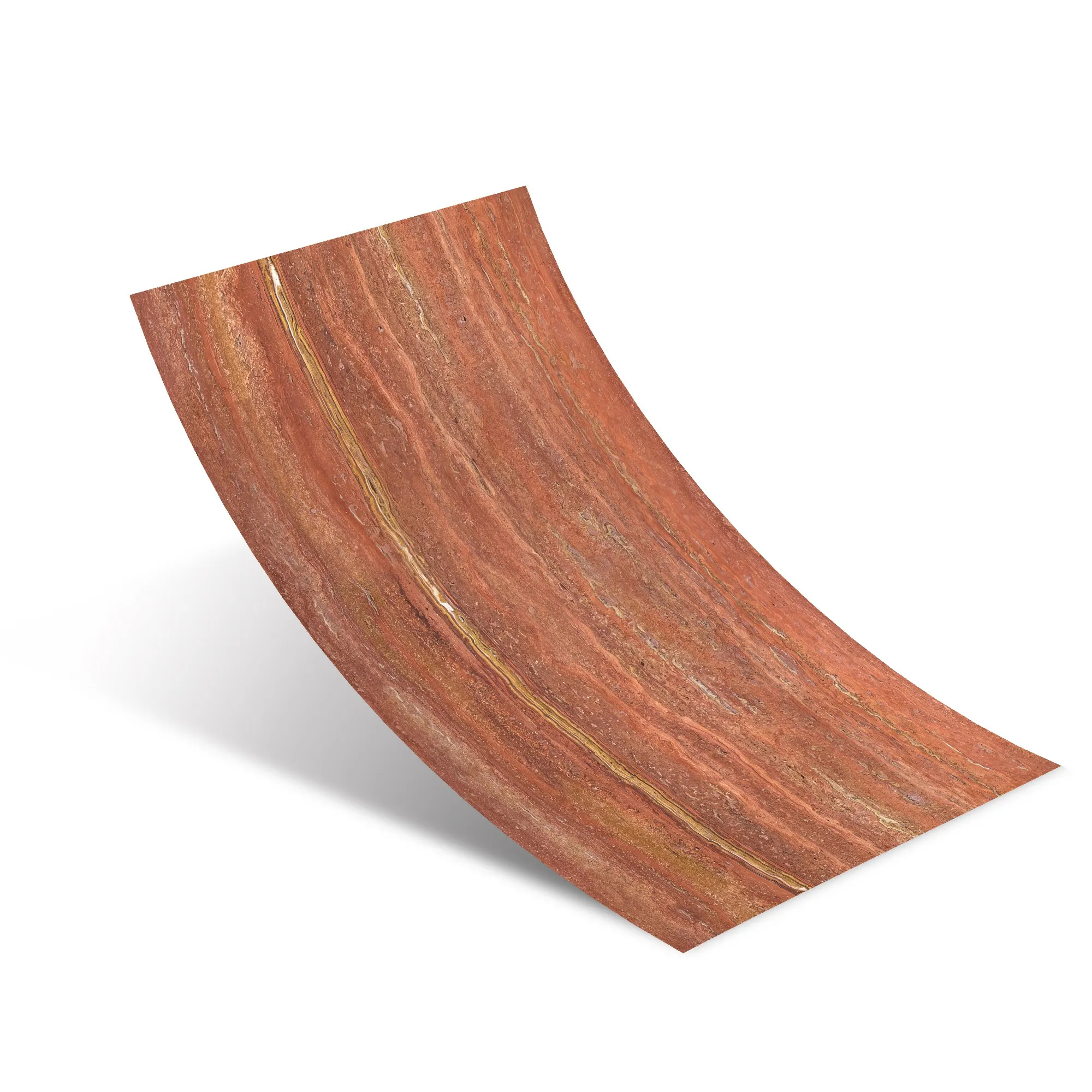
The heaviest cost driver is rarely the material itself, it is everything attached to it. Full-size stone panels are heavy, so you pay for cranes, reinforced supports and costly freight. Shipping natural slabs across borders can absorb a large share of the budget before a single panel is mounted on the wall.
Installation also eats into the total. Because real stone is rigid and weighty, it needs a strong substrate, additional anchors and careful handling. Waste adds to the bill too; cutting a slab to fit always produces offcuts you still paid for. When all of these are added together, hiring a crew to put natural red travertine on a building envelope often costs far more than the stone itself.
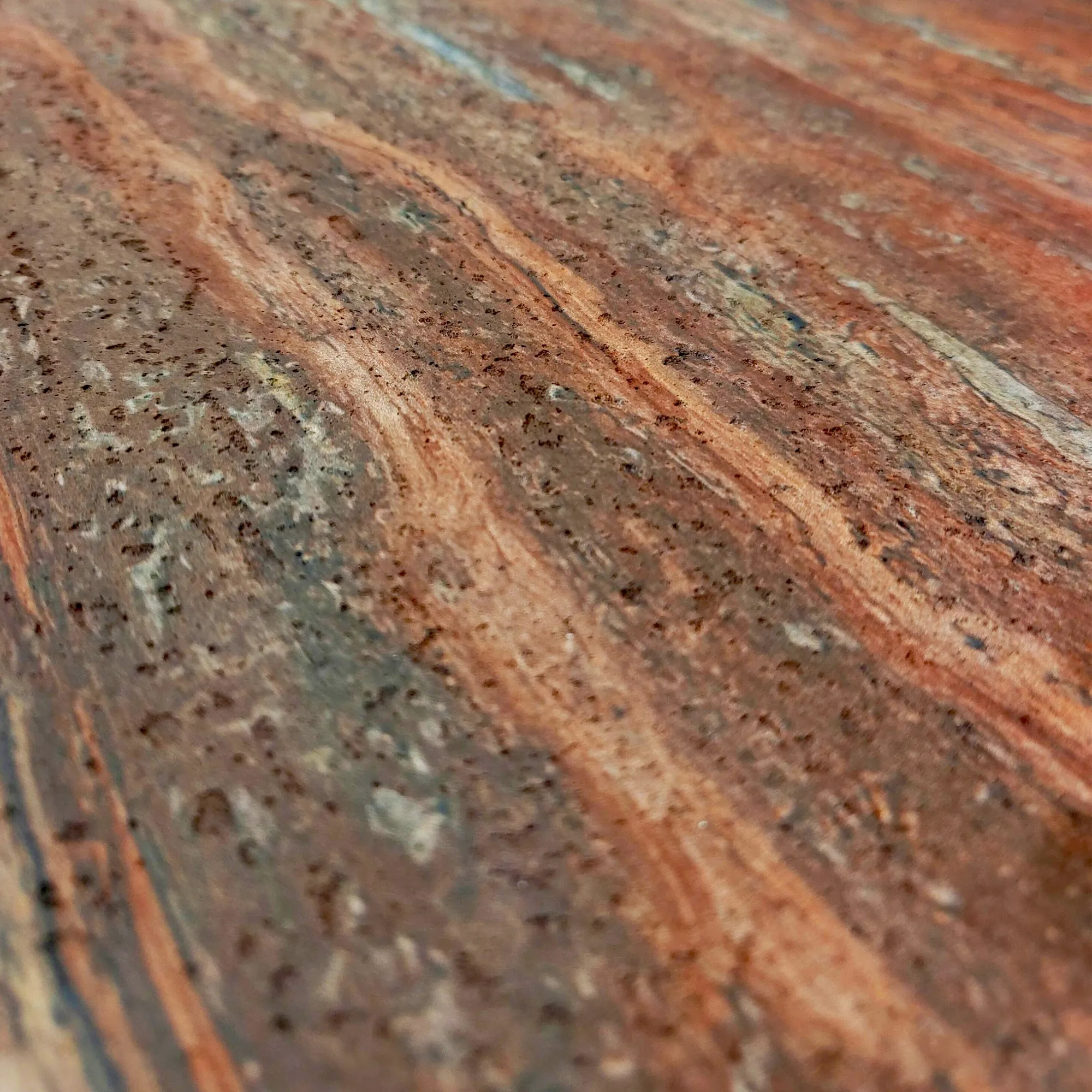
Engineered materials were created to solve exactly these problems. MCM flexible stone reproduces the surface of red travertine, down to the veins and pores, but it comes as a thin, bendable sheet backed with modified clay material. It keeps the visual identity of quarried stone while removing most of its weight.
Because the sheets are thin and lightweight, they ship in far smaller volumes and are far easier to carry to a rooftop or a high facade. They curve around columns and arches instead of requiring complex miter joints. They install with standard adhesives onto ordinary walls, which shortens construction time and trims labor.
This is exactly the direction COLORIA GROUP took with its product lines. Whether you need the large-scale geometry of the red travertine big-slab range or the fine detail of flexible sheets, the company builds the buying process around a one-stop solution, so the price you see covers the surface, not a pile of hidden extras.
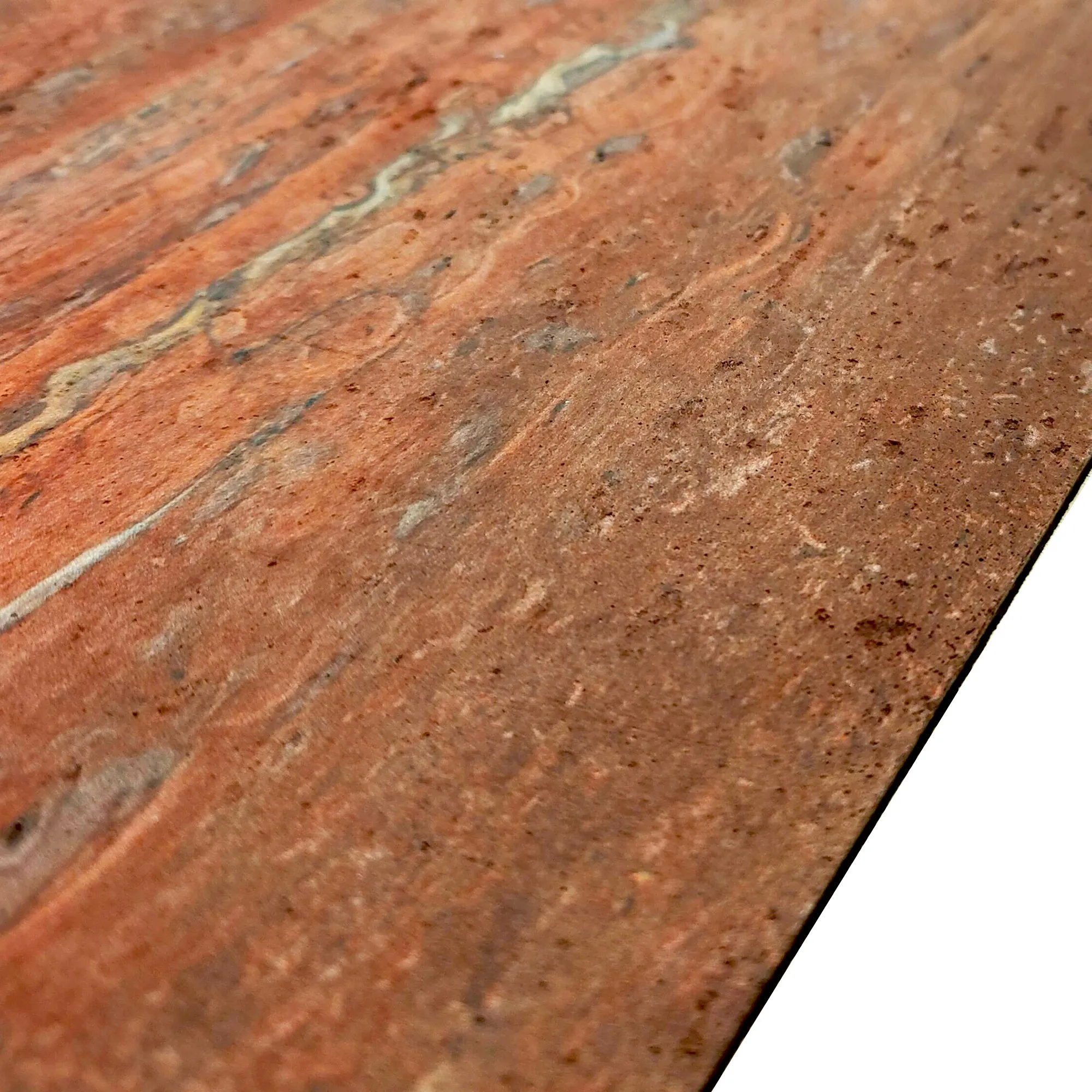
A serious red travertine price should never be a single number with no context. Before you compare suppliers, ask what the figure covers. A complete quotation normally spans:
Working with COLORIA GROUP, which has served residential and commercial clients around the globe since 2010, means these items are laid out clearly up front. Their team in Foshan, Guangdong guides you through size selection, surface finish and logistics so that the final number matches the finished project.
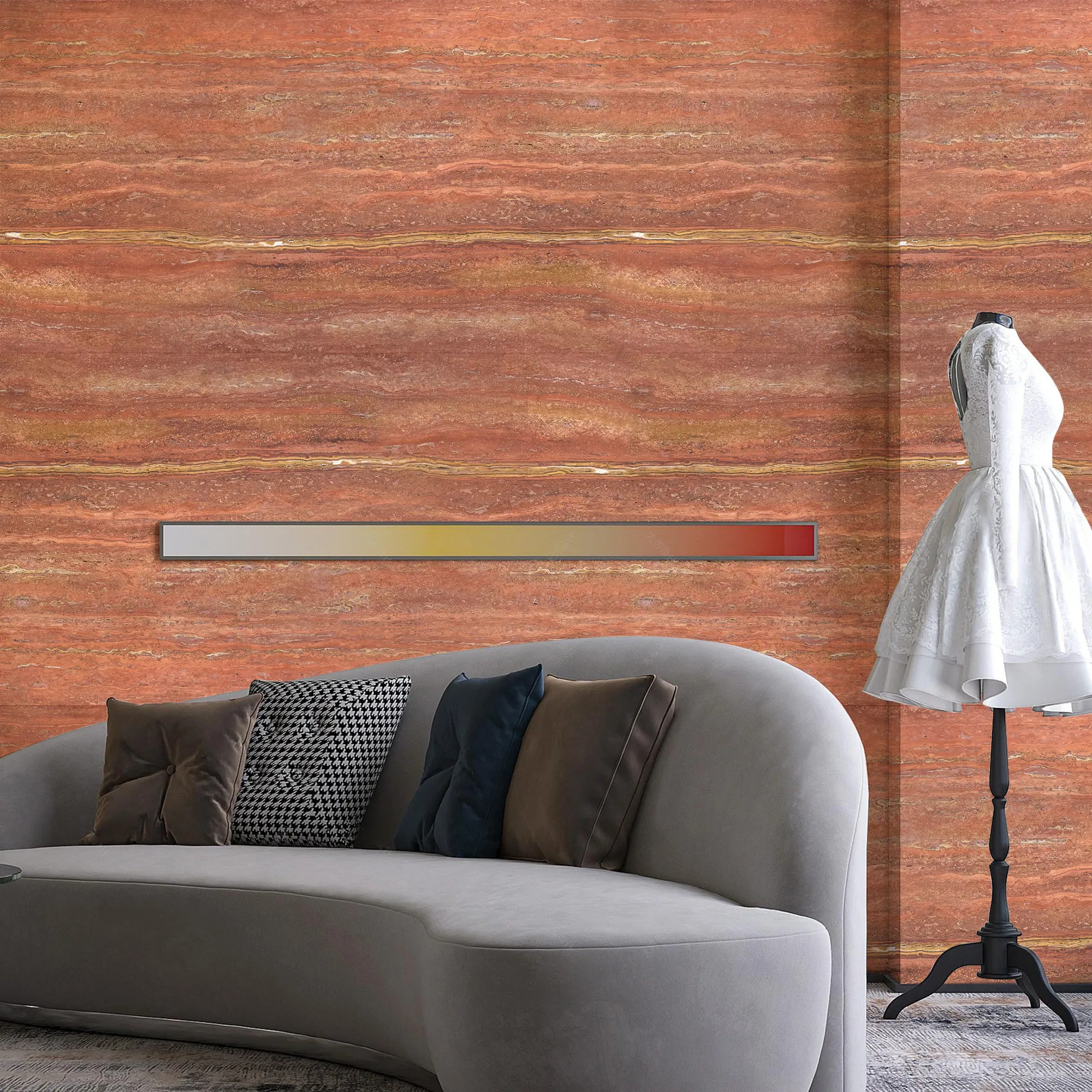
The cheapest option is not always the most economical over the life of a building, and neither is the most expensive. What matters is matching the grade and format to the application. For high-traffic flooring that must bear heavy loads, natural stone may still be the right call. For feature walls, hotel lobby facades and curved surfaces where appearance and weight matter more than load, flexible MCM sheets deliver the same warm look for a much friendlier budget.
By comparing natural slabs against flexible stone side by side, designers in the residential and commercial sectors can get the visual richness of travertine without taking on the freight, substrate and labor costs that make natural stone quotes balloon. That is how modern projects keep the look of classic material while staying realistic about the red travertine price.
Recommend Products











