

Red travertine has become one of the most sought-after natural stones in the construction and interior design industry. Known for its distinctive reddish hue, unique porous texture, and exceptional durability, this premium material adds warmth and sophistication to any space. If you are considering red travertine for your next project, understanding the factors that influence its price is essential for making an informed purchasing decision.
Red travertine is a type of natural limestone formed by mineral deposits from hot springs and geysers over thousands of years. Its characteristic reddish color comes from iron oxide deposits within the stone, creating a rich palette that ranges from soft coral to deep terracotta. The natural voids and cavities throughout the stone give it a unique appearance that has been cherished since ancient Roman times.
Today, red travertine is widely used for flooring, wall cladding, countertops, vanity tops, and decorative features in both residential and commercial projects. Its natural beauty, combined with excellent wear resistance, makes it an ideal choice for high-traffic areas and luxury spaces alike.
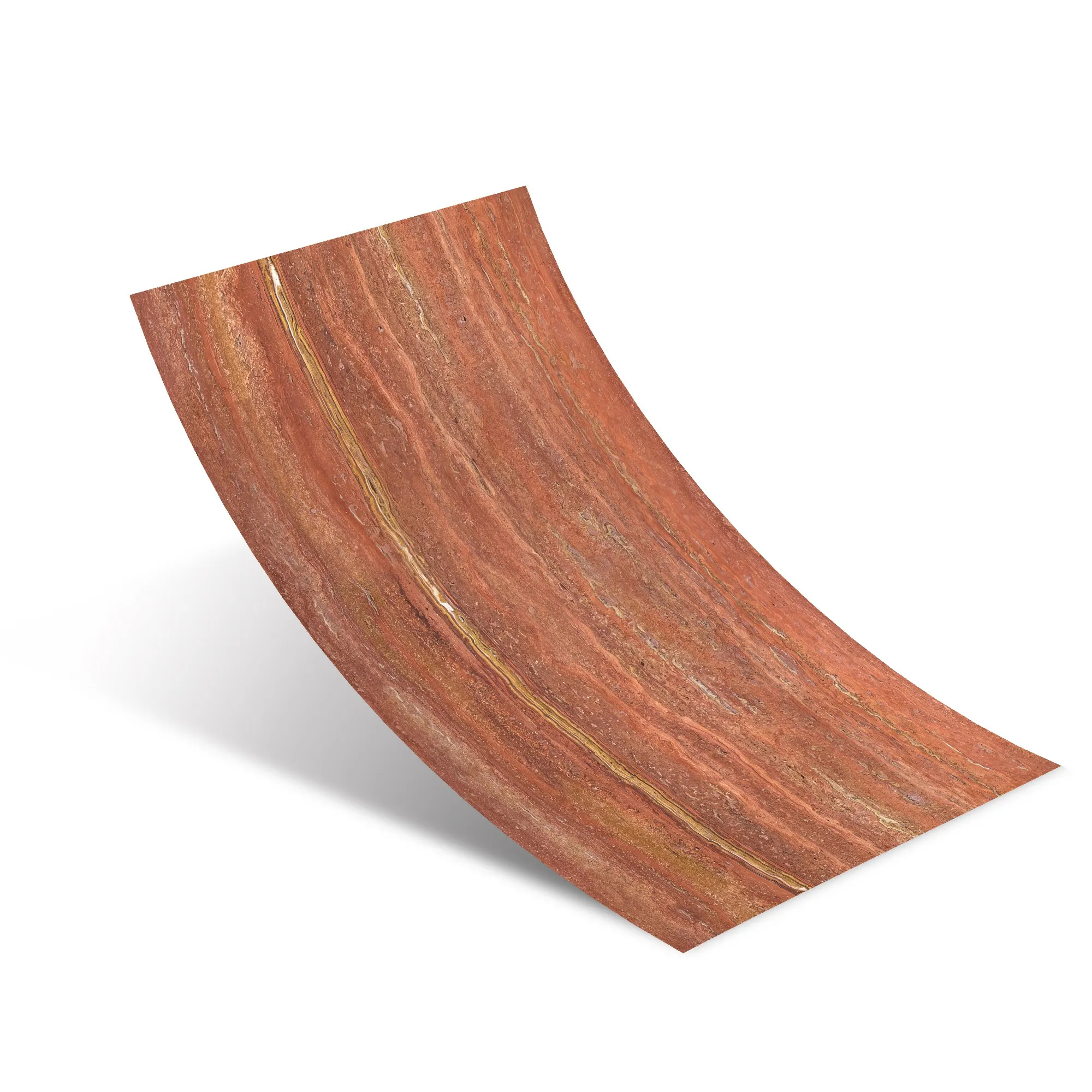
When requesting a quote for red travertine, suppliers consider several critical factors that affect the final price:
The quality of travertine stone is determined by its porosity, color consistency, and structural integrity. Premium-grade red travertine features minimal natural holes, even color distribution, and superior structural soundness, commanding higher prices than commercial grades with more visible imperfections.
Red travertine can be cut in two distinct ways. Cross-cut (also known as fleuri cut) reveals a cloud-like, mottled pattern with rounded pores, while vein-cut displays linear, parallel striations for a more uniform appearance. Vein-cut travertine typically costs more due to the greater material waste during processing and its refined aesthetic.
Larger format slabs and thicker tiles require more raw material and specialized handling, increasing the cost. Standard tile sizes like 305x305mm, 600x600mm, or 600x1200mm each come with different price points. Big slab formats for feature walls or large flooring areas represent premium options.
The finishing process significantly impacts price. Polished finishes enhance color depth and reflectivity but require more processing. Honed finishes offer a smooth, matte appearance at a moderate cost. Tumbled or brushed finishes create an antiqued look suitable for rustic designs. Each finish serves different aesthetic and functional purposes.
Red travertine is quarried in various regions worldwide. Chinese red travertine from provinces like Yunnan and Guangdong offers competitive pricing with consistent quality, while imported varieties from Turkey or Iran may carry premium prices due to transportation costs and perceived exclusivity.
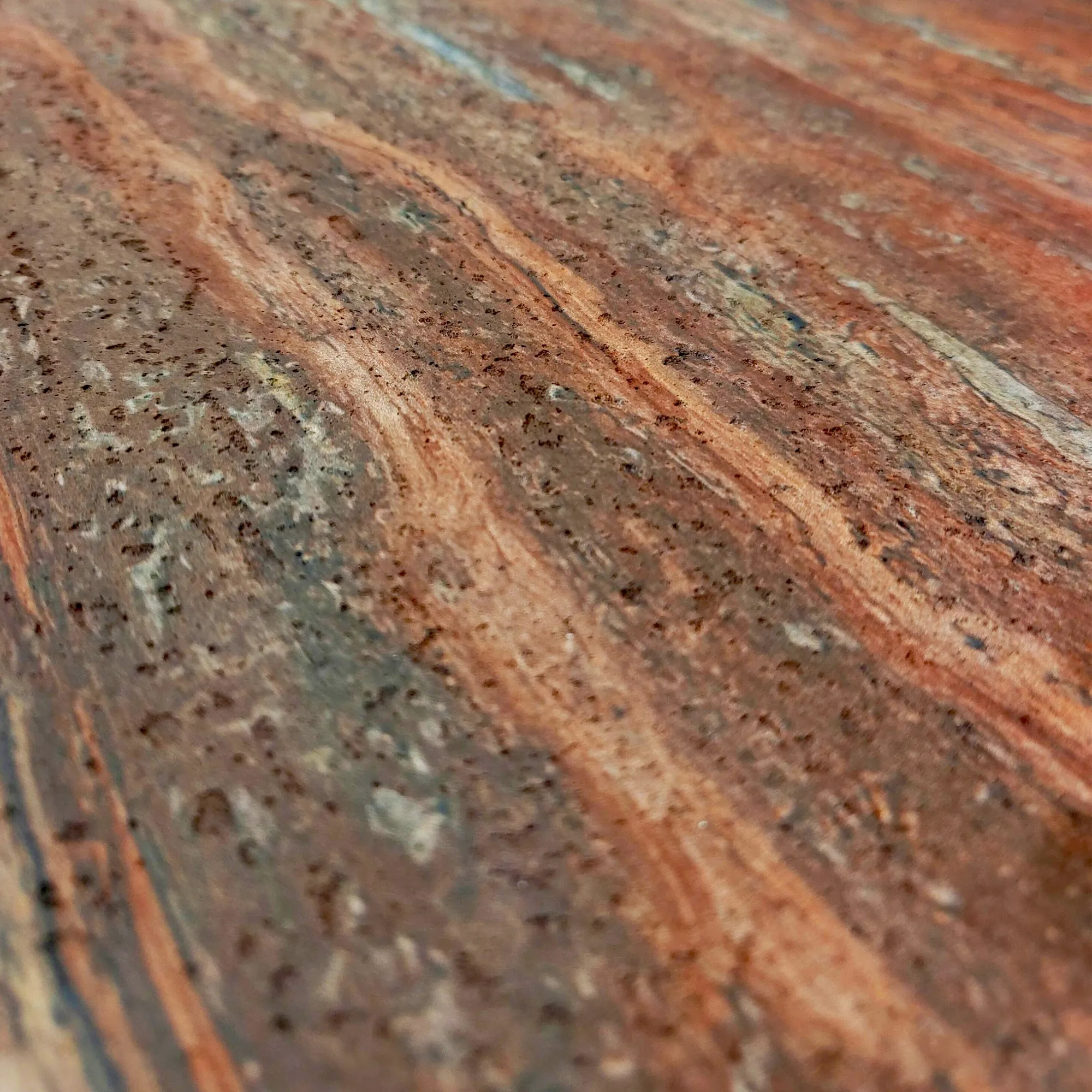
Based on current market conditions, red travertine prices generally fall within the following ranges:
Prices vary significantly based on quantity ordered, with bulk purchases often receiving substantial discounts. International buyers should also factor in shipping costs, import duties, and insurance when calculating total project expenses.
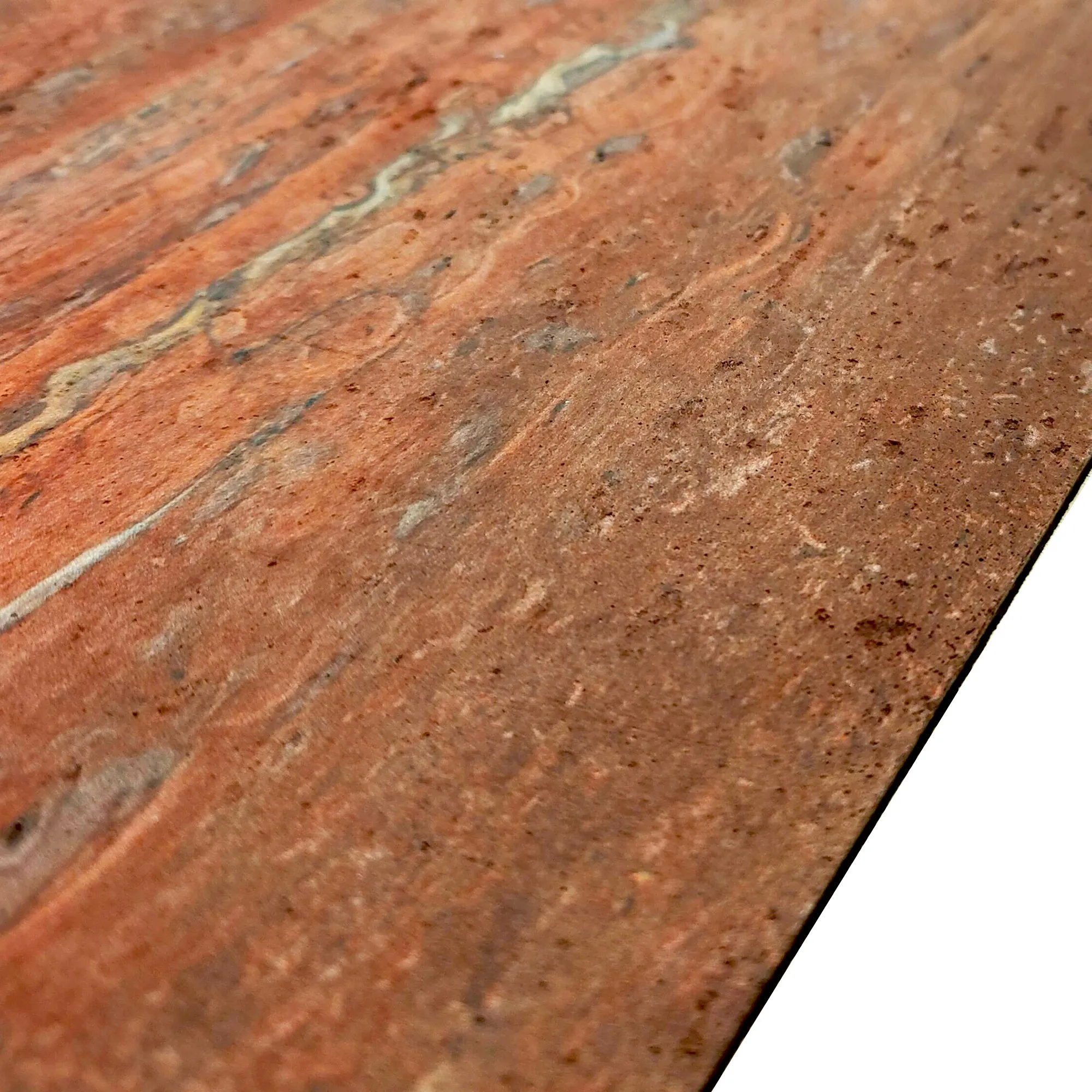
For projects seeking the aesthetic appeal of natural travertine with enhanced practicality, flexible stone technology offers an innovative alternative. MCM (Modified Clay Materials) flexible red travertine panels capture the authentic look and texture of natural stone while providing significant advantages:
MCM flexible red travertine typically offers more competitive pricing compared to solid stone while delivering comparable visual impact. This makes it an excellent choice for large-scale commercial projects, exterior cladding, and renovation work where weight limitations exist.
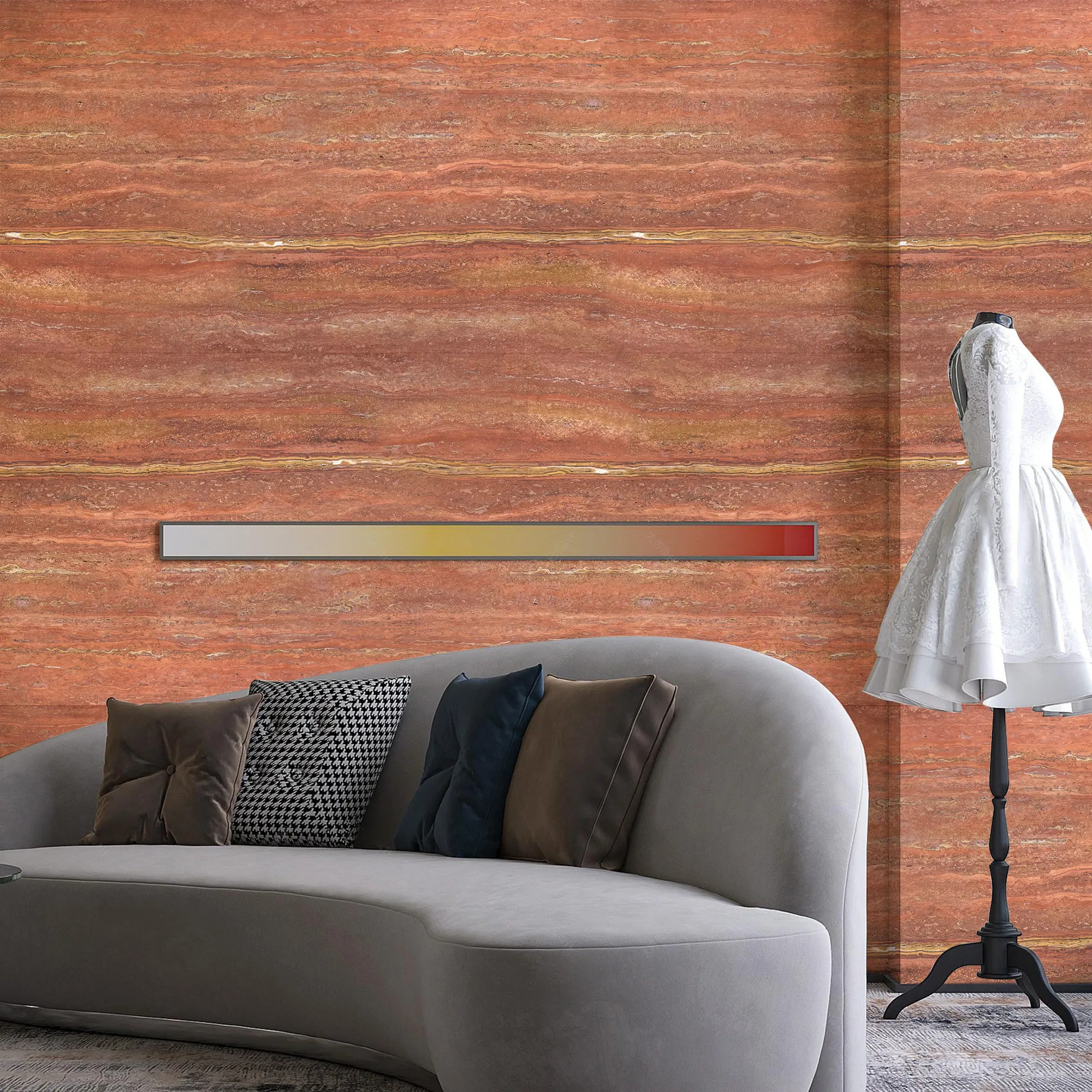
Understanding the intended application helps in budgeting accurately:
For interior flooring in residential and commercial spaces, honed or filled red travertine tiles in 600x600mm or larger formats provide an elegant foundation. Budget for material costs plus installation, which typically adds 30-50% to the stone price. Sealing and maintenance should also be factored into long-term costs.
Red travertine creates stunning feature walls in lobbies, reception areas, and living spaces. Cross-cut patterns work particularly well for modern designs, while vein-cut provides linear sophistication. MCM flexible panels are increasingly popular for wall applications due to easier installation and reduced substrate requirements.
For exterior applications, weather resistance becomes crucial. Natural red travertine performs well outdoors but requires proper sealing. MCM flexible stone offers excellent weatherability and is specifically engineered for exterior cladding, often at a lower total installed cost than solid stone.
Red travertine countertops add luxury to bathrooms and wet bars. Due to natural porosity, filled and honed or polished finishes are recommended for surfaces exposed to water. Regular maintenance and sealing are essential for longevity.
To receive an accurate and competitive quote for red travertine, provide suppliers with detailed project specifications including:
Reputable suppliers can provide samples, technical specifications, and detailed quotations within 24-48 hours of receiving your requirements.
When selecting a red travertine supplier, consider these important factors beyond price alone:
Established suppliers with integrated manufacturing capabilities can often offer more competitive pricing and better quality control than trading companies. Direct factory partnerships also enable customization options for unique project requirements.
Red travertine pricing varies across different markets. In Asia, particularly China, abundant domestic quarries and advanced processing facilities result in competitive pricing for international buyers. The Middle East market sees strong demand for red travertine in luxury hospitality and residential projects, with suppliers offering tailored solutions for regional requirements. European buyers often prioritize specific aesthetic qualities and sustainability certifications, which can influence pricing tiers.
Red travertine remains a premium choice for architects, designers, and property developers seeking natural beauty combined with lasting performance. Understanding the various factors that influence pricing empowers buyers to make informed decisions that balance quality, aesthetics, and budget.
Whether you choose traditional natural red travertine or innovative MCM flexible stone alternatives, working with experienced suppliers ensures you receive accurate quotes, consistent quality, and reliable delivery for your construction or renovation project. Request detailed quotations from multiple suppliers, compare not just prices but also quality specifications and service offerings, and select the partner best positioned to meet your specific project requirements.
For projects requiring flexibility, weight reduction, or faster installation timelines, MCM flexible red travertine panels offer an excellent alternative that captures the essence of natural stone while providing modern performance benefits. Consulting with suppliers about both options allows for informed material selection based on your project's unique needs.
Recommend Products











