

Walk into a space that feels alive—not just with light or movement, but with a quiet, tactile energy. Maybe it's the lobby of an old theater, walls glowing softly under warm lights, or a modern home where the walls seem to breathe, balancing coolness in summer and warmth in winter. Chances are, the building materials in that space aren't just "there"—they're working, interacting with the air, the light, and the passage of time. Among these materials, Red Travertine stands out, not just for its rich, earthy hues or its timeless elegance, but for a hidden feature that shapes everything from how it feels to how it endures: porosity. Those tiny, invisible holes aren't flaws; they're the secret to why this stone has been a favorite of architects and designers for centuries. Let's dive into what makes Red Travertine's porosity so crucial, and how it transforms the way we build and experience spaces.
Before we talk about porosity, let's get to know the star of the show. Travertine itself is a form of limestone, born from mineral-rich hot springs and rivers. As water flows through the earth, it picks up calcium carbonate, and when it reaches the surface—exposed to air—it releases those minerals, layer by layer, forming soft, sedimentary rock. Red Travertine, in particular, gets its striking color from iron oxides in the water, ranging from deep terracotta to warm amber, with veins of cream or gold running through like whispers of the earth's history.
But what really sets Red Travertine apart is its texture. Run a hand over a polished slab, and you'll feel a subtle, almost velvety finish, with tiny indentations that catch the light. Look closer, and you'll see those pores—small, irregular cavities that give the stone a sense of depth, like a landscape compressed into stone. Unlike dense, uniform materials that feel "closed off," Red Travertine feels open, inviting, as if it's still connected to the natural forces that created it. That connection isn't just aesthetic; it's functional, and it all starts with porosity.
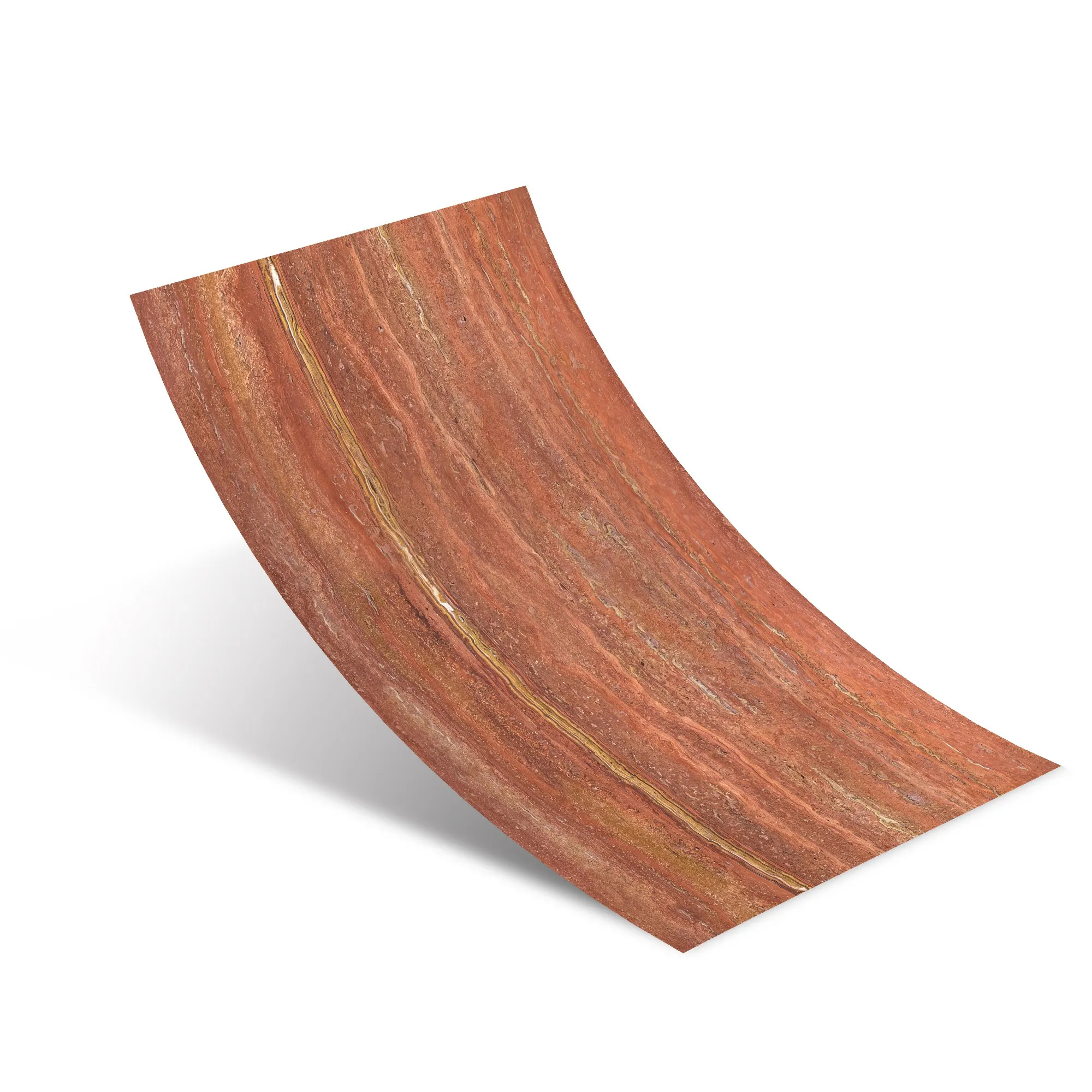
Porosity is a simple concept with profound implications: it's the measure of how much empty space (pores) a material contains, and how those pores connect to each other. In Red Travertine, these pores form as carbon dioxide escapes from the mineral-rich water during its formation, leaving behind tiny channels and pockets. Think of it like a sponge, but on a microscopic scale—though unlike a sponge, these pores aren't random. They're part of the stone's DNA, a record of the exact conditions under which it was born: the temperature of the spring, the speed of the water flow, the minerals in the mix.
But why does this matter for building materials? Imagine two walls: one made of a dense, non-porous material like fair-faced concrete , smooth and unyielding, and another of Red Travertine, with its hidden network of pores. The concrete might feel "solid," but it doesn't interact with its environment much. Moisture that gets trapped behind it can lead to mold; heat or cold transfers directly through, making rooms harder to heat or cool. The Red Travertine wall, though? Its pores act like a—a breathing mechanism that lets air and moisture pass through, keeping the space balanced. That's the first clue: porosity isn't just about texture. It's about performance.
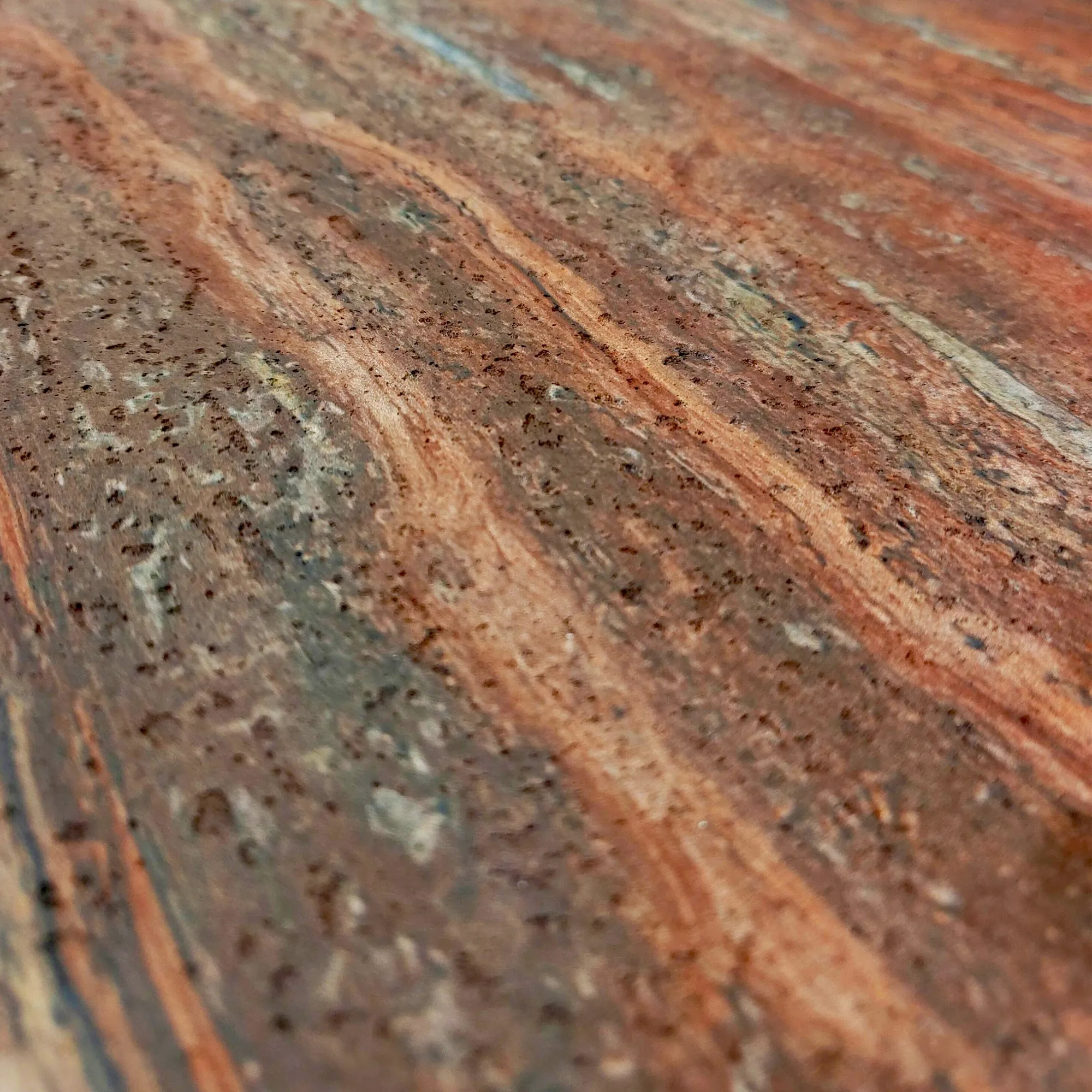
Let's start with the obvious: beauty. Red Travertine's porosity is what gives it that "lived-in" elegance. When light hits the stone, it doesn't just reflect off the surface—it dances in the pores, creating depth and warmth that flat, non-porous materials can't match. A polished slab shimmers softly, while a honed finish feels matte and velvety, as if the stone has absorbed light rather than bounced it back. Over time, these pores even help the stone develop a patina—the way it ages, catching subtle stains or softening in color—that tells a story. A wall of Red Travertine in a home isn't just a wall; it's a timeline, growing more beautiful as the years pass. Compare that to a material like wood grain board , which mimics texture but lacks the organic, evolving character of natural porosity. Wood grain board can look "perfect," but Red Travertine feels real .
Then there's breathability—a game-changer for indoor air quality. In humid climates, or in spaces like bathrooms or kitchens where moisture builds up, non-porous materials trap that moisture, leading to musty smells or mold. Red Travertine's pores act like a natural dehumidifier: they absorb excess moisture from the air when it's humid, then release it back when the air dries out. This isn't just about comfort; it's about health. Studies have shown that breathable building materials can reduce indoor allergens and improve overall air quality, making spaces feel fresher and more livable.
Thermal performance is another win. Those pores aren't just empty space—they're filled with air, which is a poor conductor of heat. That means Red Travertine acts as a natural insulator, slowing down the transfer of heat through walls. In summer, it keeps interiors cool by blocking hot outdoor air; in winter, it retains warmth, reducing the need for excessive heating or cooling. This isn't just good for the planet (lower energy bills, less carbon footprint); it's good for comfort. A room with Red Travertine walls feels naturally balanced, not too hot, not too cold—just right .
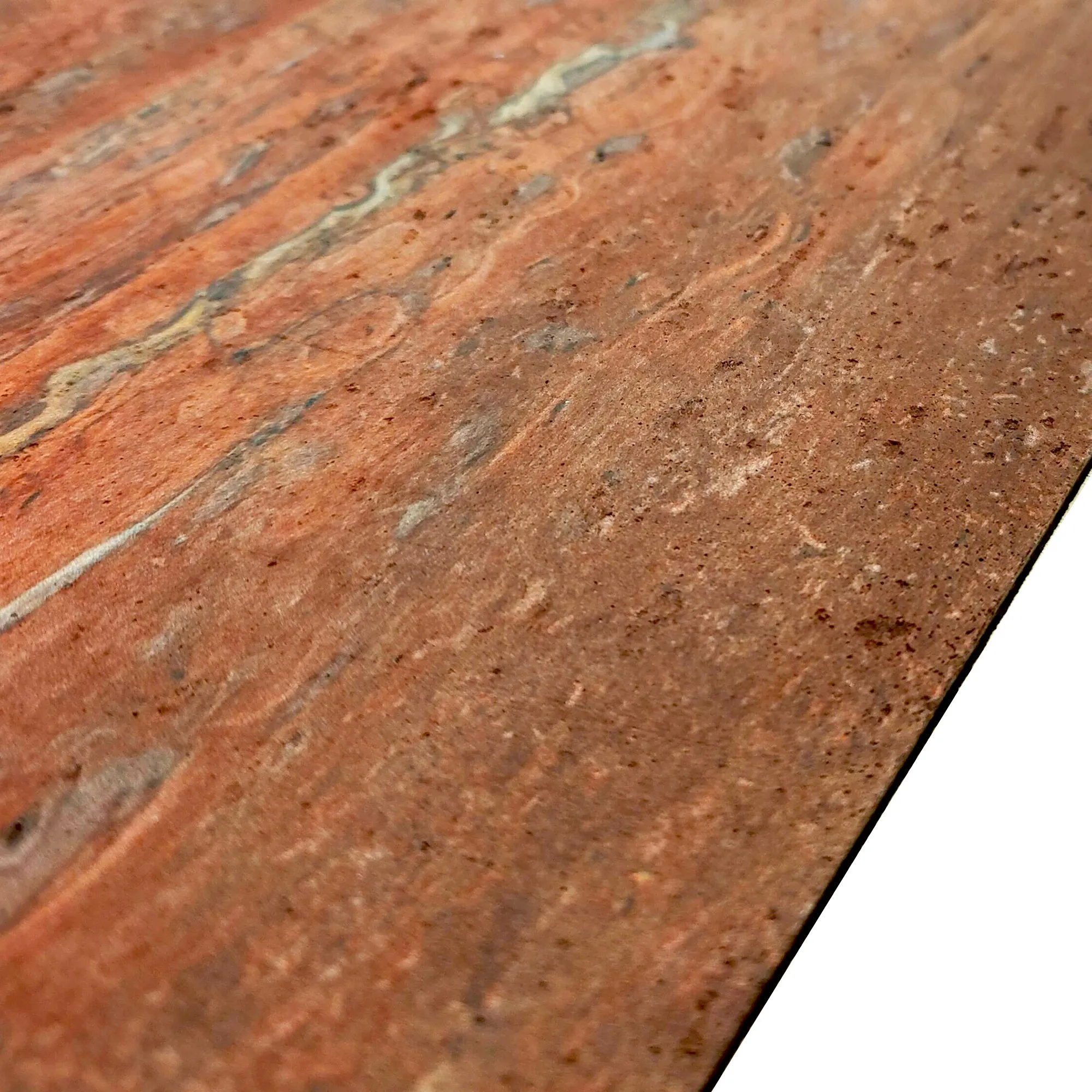
Of course, porosity isn't without its trade-offs. Those same pores that let the stone breathe can also absorb liquids, which means Red Travertine is more prone to staining than denser stones like granite or fair-faced concrete . Spill a glass of red wine on an unsealed travertine floor, and if you don't wipe it up quickly, the liquid might seep into the pores, leaving a mark. Water absorption can also be a concern in outdoor spaces, where freeze-thaw cycles might cause the stone to crack if water gets trapped in the pores and expands when frozen.
Maintenance matters, too. Unlike mcm flexible stone —a modern innovation designed for durability and low upkeep—Red Travertine needs a little care. Sealing it every few years helps protect against stains, and regular cleaning with mild, pH-neutral soap keeps it looking its best. But here's the thing: this maintenance isn't a chore. It's part of the ritual of living with a natural material, a small investment that pays off in longevity and beauty. Think of it like tending to a garden—you water it, prune it, and in return, it thrives. Red Travertine is the same: give it a little attention, and it will reward you for decades.
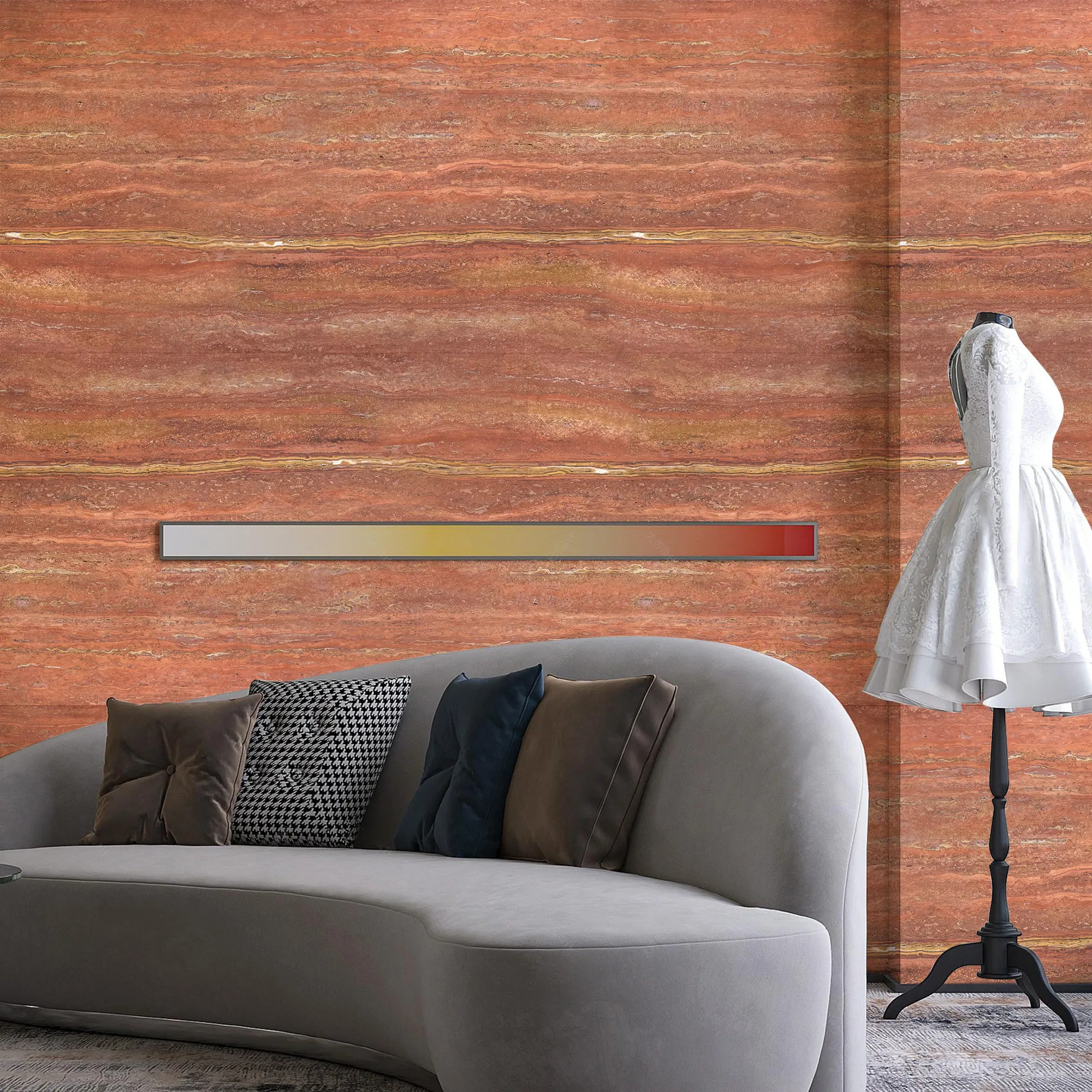
This is where materials like mcm flexible stone come into play. MCM (Modified Composite Material) flexible stone is a newer option that takes the aesthetic of natural stone—including the look of porosity—and pairs it with modern durability. Made by blending stone particles with polymers, it's lightweight, flexible, and resistant to water and staining, addressing some of the challenges of traditional travertine. For high-moisture areas or commercial spaces where maintenance needs to be minimal, mcm flexible stone is a smart choice. But here's the catch: while it mimics the look of porosity, it doesn't have the same breathability or thermal performance as natural Red Travertine. It's a reminder that sometimes, you can't have it all—but you can choose based on what matters most for your space.
For many designers, though, the benefits of natural porosity are worth preserving. That's why innovations in sealing technology have made Red Travertine more practical than ever. Modern sealers penetrate the pores without clogging them, protecting against stains while still allowing the stone to breathe. It's the best of both worlds: the natural performance of porosity, with the peace of mind of easy maintenance.
To really see why porosity matters, let's compare Red Travertine with two other popular building materials: fair-faced concrete and mcm flexible stone. This table breaks down key factors like breathability, maintenance, and aesthetic appeal:
| Feature | Red Travertine | Fair-Faced Concrete | MCM Flexible Stone |
|---|---|---|---|
| Porosity Level | High (natural pores) | Low (dense, minimal pores) | Low (mimics porous look, non-porous core) |
| Breathability | Excellent (moisture-wicking) | Poor (traps moisture) | Moderate (some airflow, but not natural) |
| Water Absorption | Moderate (manageable with sealing) | Low (resistant, but prone to surface pooling) | Very low (water-resistant) |
| Maintenance Needs | Moderate (seal every 2-3 years) | Low (occasional cleaning) | Very low (wipe clean, no sealing) |
| Aesthetic Appeal | Warm, evolving, natural depth | Modern, industrial, uniform | Versatile, consistent, stone-like |
The takeaway? Red Travertine isn't the "easiest" material, but it offers something irreplaceable: a connection to nature, a performance that works with the environment, and a beauty that grows over time. For spaces where comfort, air quality, and timeless design matter most, that's a trade worth making.
In a world that often prioritizes "perfect" and "low-maintenance," Red Travertine's porosity is a quiet rebellion. It reminds us that the best building materials aren't just tools—they're partners, working with us to create spaces that feel human. Those tiny pores aren't weaknesses; they're strengths, enabling breathability, thermal balance, and a beauty that deepens with age. Whether paired with modern innovations like mcm flexible stone or used alone in a historic restoration, Red Travertine teaches us to look beyond the surface—to value the hidden qualities that make a material truly exceptional.
So the next time you walk into a space and feel that intangible "aliveness," pause. Maybe it's the walls—rough, warm, and full of stories. Maybe it's Red Travertine, breathing, evolving, and proving that sometimes, the most powerful things come in the smallest packages: a million tiny pores, working together to build something timeless.
Recommend Products











