

Walk into a museum on a sweltering summer day, and you'll notice something remarkable: the air feels balanced, not just cool—but comfortable . Step into a luxury home in a desert region, and despite the scorching sun outside, the interior stays refreshingly temperate. These aren't just happy accidents of good AC; they're often the result of intentional material choices. One such material, quietly but powerfully shaping climate-controlled spaces, is Red Travertine . More than just a pretty face with its rich, earthy hues, this natural stone brings a suite of thermal properties that make it a secret weapon for architects and designers aiming to create spaces that breathe with the environment, not against it.
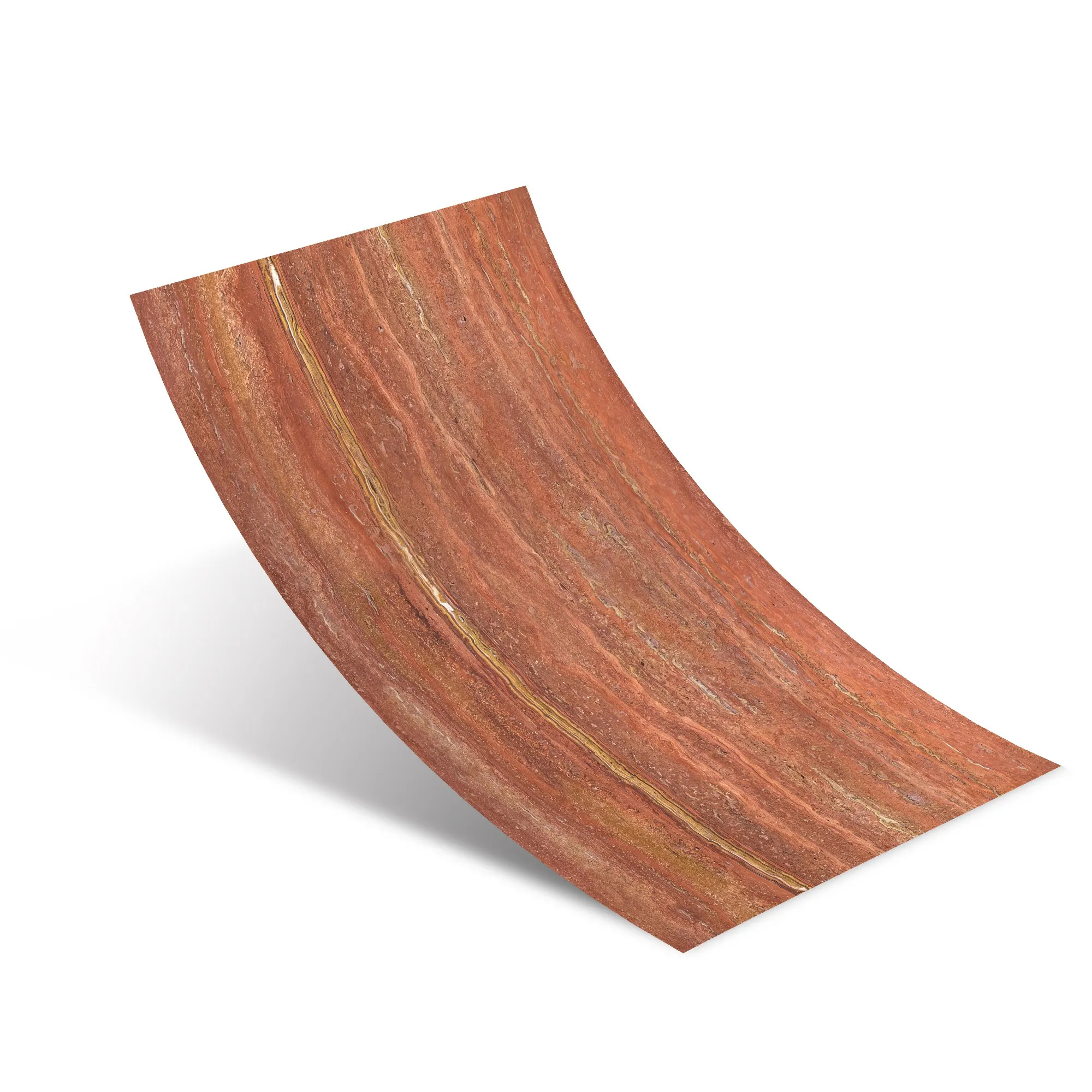
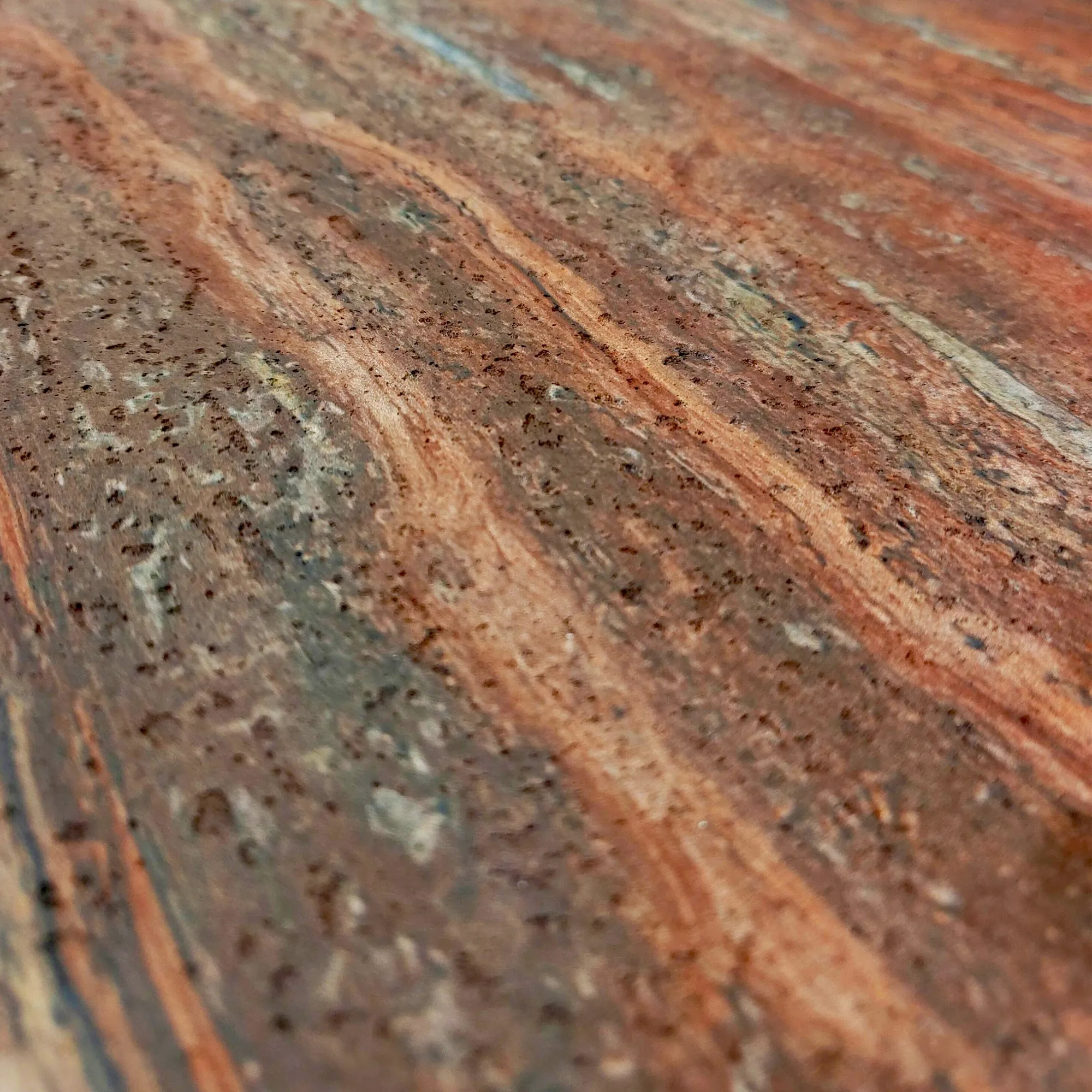
Before we dive into its thermal superpowers, let's get to know Red Travertine. Part of the larger travertine family—a type of limestone formed in mineral-rich hot springs—Red Travertine stands out for its warm, rusty tones that range from soft terracotta to deep, wine-like crimson. What makes it truly unique, though, are the natural voids and veins that run through it, leftover from the bubbles of carbon dioxide that escaped as the stone solidified over millennia. These "character marks" aren't just aesthetic; they're key to its thermal behavior.
Within the Red Travertine category, you'll find variations like travertine (starry red) —a stunning subtype where the voids are filled with shimmering minerals, giving the stone a starry-night effect when light hits it. Imagine a wall clad in this stone: during the day, it glows with warm undertones; at night, it softens the room with a subtle, starry sparkle. But beyond its beauty, it's the stone's inherent structure that makes it a standout in climate control.
Let's talk science—without the lab coats. When we say a material has "good thermal properties," we're referring to how it interacts with heat: does it absorb it, reflect it, store it, or let it pass through? Red Travertine excels in three key areas that matter most for climate-controlled projects: low thermal conductivity, heat retention, and breathability.
Thermal Conductivity: The "Slow and Steady" Heat Transfer
Thermal conductivity is a measure of how quickly heat moves through a material. Metals, for example, have high conductivity—touch a metal spoon in hot soup, and the heat zips right to your hand. Red Travertine, on the other hand, has low thermal conductivity. That means when the sun blazes outside, heat doesn't race through the stone to the interior of a building. Instead, it moves slowly, giving the space time to adjust without sudden temperature spikes. Conversely, on cold nights, the stone acts as a buffer, preventing indoor heat from escaping too quickly. It's like having a natural thermostat built into the walls.
Heat Retention: The "Day-Night" Balancer
Ever walked on a stone path at dusk and noticed it's still warm, even after the sun has set? That's heat retention at work. Red Travertine absorbs heat during the day (thanks to its density and color, which soaks up sunlight) and releases it gradually as temperatures drop. This "thermal mass" effect is a game-changer for climate control. In regions with extreme day-night temperature swings—think deserts or mountainous areas—this means the stone helps keep interiors from freezing at night or overheating during the day, reducing reliance on heating and cooling systems.
Breathability: The "Moisture Manager"
Here's where those natural voids we mentioned earlier come into play. Red Travertine is porous, which might sound like a downside (won't it absorb water?), but in reality, it's a boon for climate control. The stone "breathes," allowing moisture vapor to pass through it. In humid climates, this prevents condensation from building up on walls (a common cause of mold and musty odors). In dry climates, it helps regulate indoor humidity by releasing stored moisture slowly, keeping the air from feeling too parched. For spaces like museums, where artworks or artifacts are sensitive to humidity swings, this is priceless.
So, how do these properties translate to real-world benefits? Let's take a look at why architects choose Red Travertine over other materials like fair-faced concrete or polish concrete in projects where climate stability is non-negotiable.
| Material | Thermal Conductivity (W/m·K) | Heat Retention | Breathability | Best For |
|---|---|---|---|---|
| Red Travertine | 0.8–1.2 | High (releases heat slowly) | Excellent (porous, moisture-wicking) | Museums, luxury homes, historic buildings |
| Fair-Faced Concrete | 1.5–2.0 | Moderate (dense, but less porous) | Low (non-porous, traps moisture) | Industrial spaces, modernist exteriors |
| Polish Concrete | 1.4–1.8 | Moderate (smooth surface reflects heat) | Very Low (sealed, no moisture flow) | Commercial floors, high-traffic areas |
Museums and Galleries: Protecting Priceless Art
Artworks, (ancient books), and artifacts are notoriously sensitive to temperature and humidity fluctuations. A sudden spike in heat or moisture can warp paper, crack paint, or degrade textiles. Red Travertine's ability to absorb and release heat slowly helps maintain a steady indoor climate, reducing the strain on HVAC systems. For example, the National Museum of Antiquities in a Mediterranean city recently renovated its Egyptian exhibit hall using travertine (starry red) walls. Curators reported a 20% reduction in HVAC runtime, and the hall's temperature variance dropped from ±3°C to ±1°C—critical for preserving fragile mummies and papyrus scrolls.
Green Buildings: Reducing Energy Bills
In sustainable architecture, "passive design" is all the rage—and for good reason. It means using the building's materials and orientation to regulate temperature, cutting down on energy use. Red Travertine shines here. A luxury villa in Arizona, where summer temps soar to 45°C (113°F), used Red Travertine for exterior cladding and interior floors. The stone absorbed the sun's heat during the day, then released it gently at night as the desert cooled, keeping indoor temps between 22–25°C without cranking up the AC. The result? A 30% lower energy bill compared to similar homes with concrete exteriors.
Historic Renovations: Blending Old and New
When restoring historic buildings, architects often struggle to balance modern climate control needs with preserving the original aesthetic. Red Travertine, with its timeless look, fits right in. Take a 19th-century castle in Tuscany, converted into a boutique hotel. The renovation used local Red Travertine to replace damaged stonework, and the result was a space that stays cool in summer (thanks to the stone's slow heat transfer) and warm in winter (retaining heat from wood-burning fireplaces). Guests rave about the "cozy, natural" feel—no drafty corners or stuffy rooms, just consistent comfort.
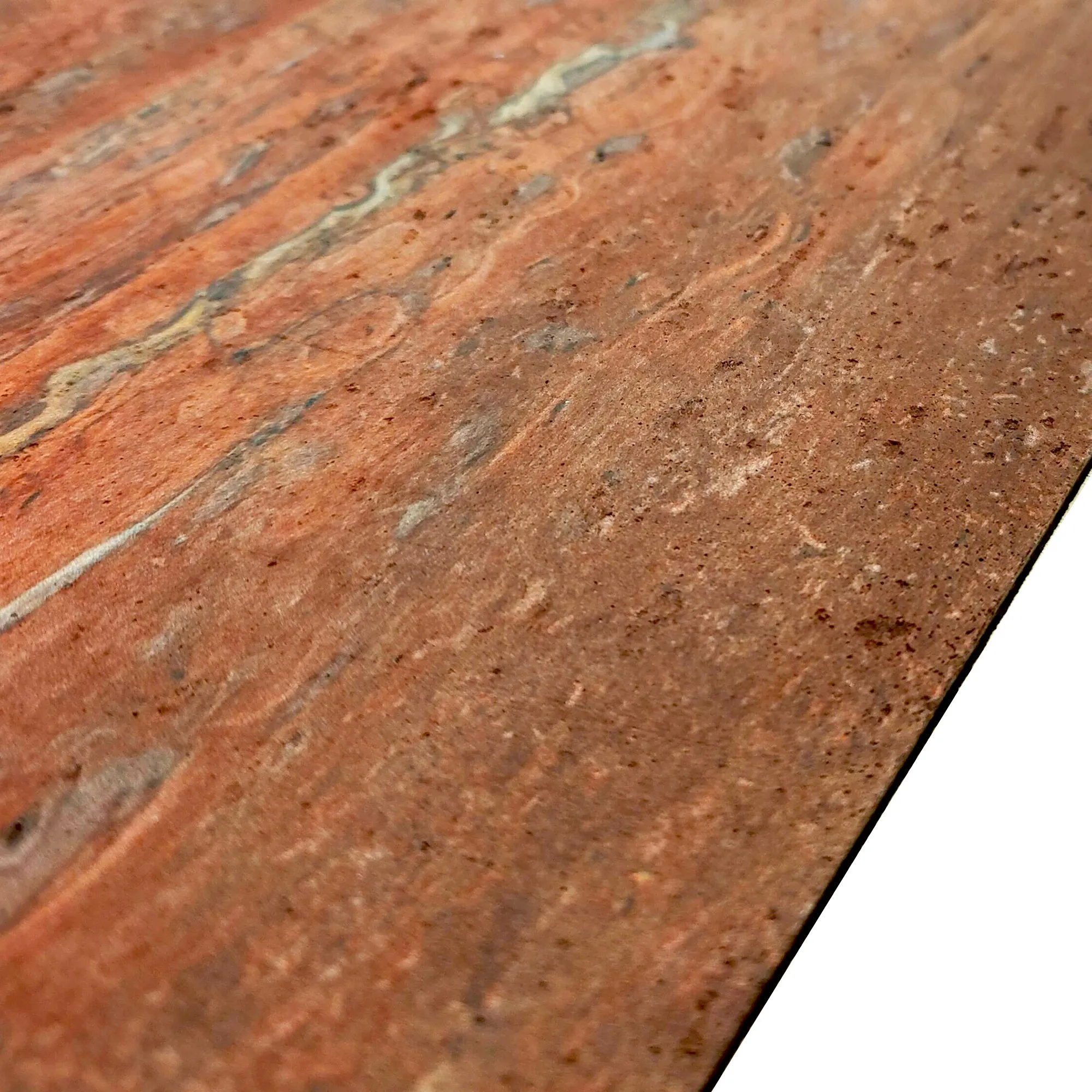
Let's not overlook the practical stuff. Climate-controlled projects often require materials that can stand the test of time, and Red Travertine delivers here, too. Its density (despite those voids!) makes it resistant to scratches and wear, even in high-traffic areas like hotel lobbies or museum corridors. And while it's porous, a simple sealant (applied once every 3–5 years) keeps it protected from stains—perfect for spaces where spills (think coffee in a museum café or wine in a hotel restaurant) are inevitable.
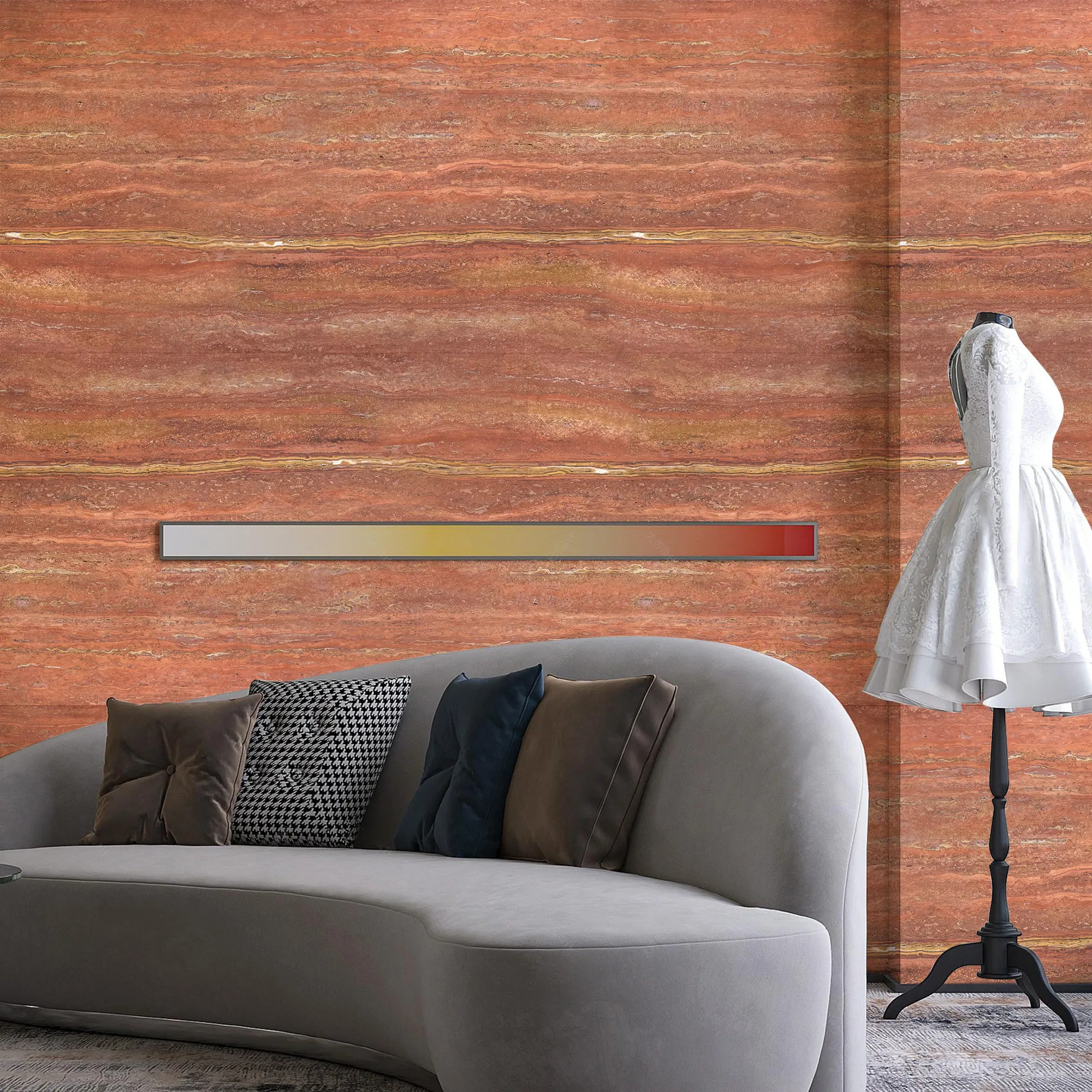
Versatility is another plus. Red Travertine isn't just for walls and floors; it can be used for countertops, fireplace surrounds, or even outdoor cladding (though in freezing climates, proper sealing is a must to prevent water from seeping into pores and expanding when frozen). Imagine a kitchen with Red Travertine countertops: they stay cool to the touch, making them ideal for baking (no more melting butter!), and their warm tones add a rustic elegance that polished concrete just can't match.
Let's be real: Red Travertine isn't the cheapest option out there. Its natural origins mean each slab is unique (a pro for character, a con for budget if you need perfectly matching pieces), and quarrying and transporting it adds to the cost. But for projects where climate control, aesthetics, and sustainability are top priorities, it's often worth the investment. Think of it as a long-term partner: it may cost more upfront, but it reduces energy bills, lasts decades (if not centuries), and adds value to the property.
Compare that to materials like polish concrete, which is cheaper initially but offers less breathability and can feel cold and sterile in residential spaces. Or fair-faced concrete, which, while durable, lacks the natural warmth that makes Red Travertine so inviting. For projects where "feeling" matters as much as function—like luxury homes or boutique hotels—Red Travertine's ability to blend comfort, beauty, and climate control is irreplaceable.
In a world where we're all looking for ways to live more sustainably, Red Travertine reminds us that nature often has the best solutions. Its thermal properties—slow heat transfer, heat retention, breathability—aren't just "features"; they're a reflection of how the stone evolved, working with the elements, not against them. When we build with Red Travertine, we're not just creating spaces that stay comfortable year-round; we're creating spaces that honor the earth's wisdom.
So the next time you step into a climate-controlled space that feels more "home" than "HVAC zone," take a closer look at the walls or floors. Chances are, you're standing on (or admiring) Red Travertine—quietly doing its job, keeping you comfortable, and proving that the best building materials don't just control the climate; they harmonize with it.
Recommend Products











