

There's something inherently captivating about red natural stone. It's a color that speaks to the earth's raw power—evoking the warmth of a desert sunset, the depth of ancient canyons, or the elegance of a timeless monument. Among the most sought-after red stones in architecture and design are Red Travertine and Red Marble. While they may share a rich, reddish hue, their stories, structures, and personalities are as distinct as night and day. In this article, we'll dive into their origins, composition, and unique characteristics, helping you unravel which one might be the perfect fit for your next project. Along the way, we'll explore stunning variants like Travertine (starry red) , Travertine (starry orange) , and even touch on the versatile Marble series —because understanding the "why" behind their beauty is just as important as admiring the "what."
Let's start with Red Travertine—a stone with a backstory as warm and textured as its appearance. Unlike many rocks formed deep underground, travertine is a sedimentary rock , born in the light of day, shaped by the gentle (yet persistent) flow of mineral-rich water. Picture a hot spring, its waters bubbling up from the earth, carrying dissolved calcium carbonate. As the water cools and evaporates, that calcium carbonate crystallizes, layer by layer, building up into massive deposits over centuries. This slow, patient process is what gives travertine its unique structure—and its telltale pores.
So, where does the "red" come from? The answer lies in nature's paintbox: iron oxides . As the travertine forms, tiny particles of iron-rich minerals get trapped in the layers. When these minerals oxidize (think of rust forming on metal), they stain the stone in shades ranging from soft terracotta to deep, fiery crimson. The intensity of the red depends on how much iron is present and how it's distributed—some Red Travertine is uniformly hued, while others have streaks or patches that look like brushstrokes from the earth itself.
At its core, Red Travertine is primarily made of calcium carbonate (CaCO₃) —the same compound found in limestone and chalk. But what sets it apart is its porous texture . Those tiny holes, called "vesicles," are leftover from gas bubbles that got trapped as the stone solidified. Some pores are small and scattered, while others form larger channels, giving the stone a spongy, organic feel. This porosity isn't a flaw; it's a hallmark of travertine's authenticity, a reminder of its origins in flowing water.
Because of these pores, Red Travertine is slightly softer than many other stones, ranking around 3-4 on the Mohs hardness scale (for reference, a fingernail is 2.5, and a penny is 3). This means it's not the hardest stone out there, but it's far from fragile. With proper sealing, those pores can be filled, making the stone resistant to stains and water damage. Think of it like a good pair of leather boots—they need a little care, but they age beautifully, developing a patina that only adds to their charm.
Thanks to its warm color and textured surface, Red Travertine is a favorite for spaces that aim for a rustic, earthy vibe . It works wonders in kitchens with wooden cabinets, where its red tones complement the natural wood grain. In bathrooms, a Red Travertine shower wall feels like stepping into a desert oasis, especially when paired with potted succulents. Externally, it's used for patios and walkways, where its slip-resistant surface (when honed, not polished) stands up to rain and foot traffic. And let's not forget commercial spaces—cafés and boutiques often use Red Travertine floors to create a welcoming, down-to-earth atmosphere that feels both trendy and timeless.
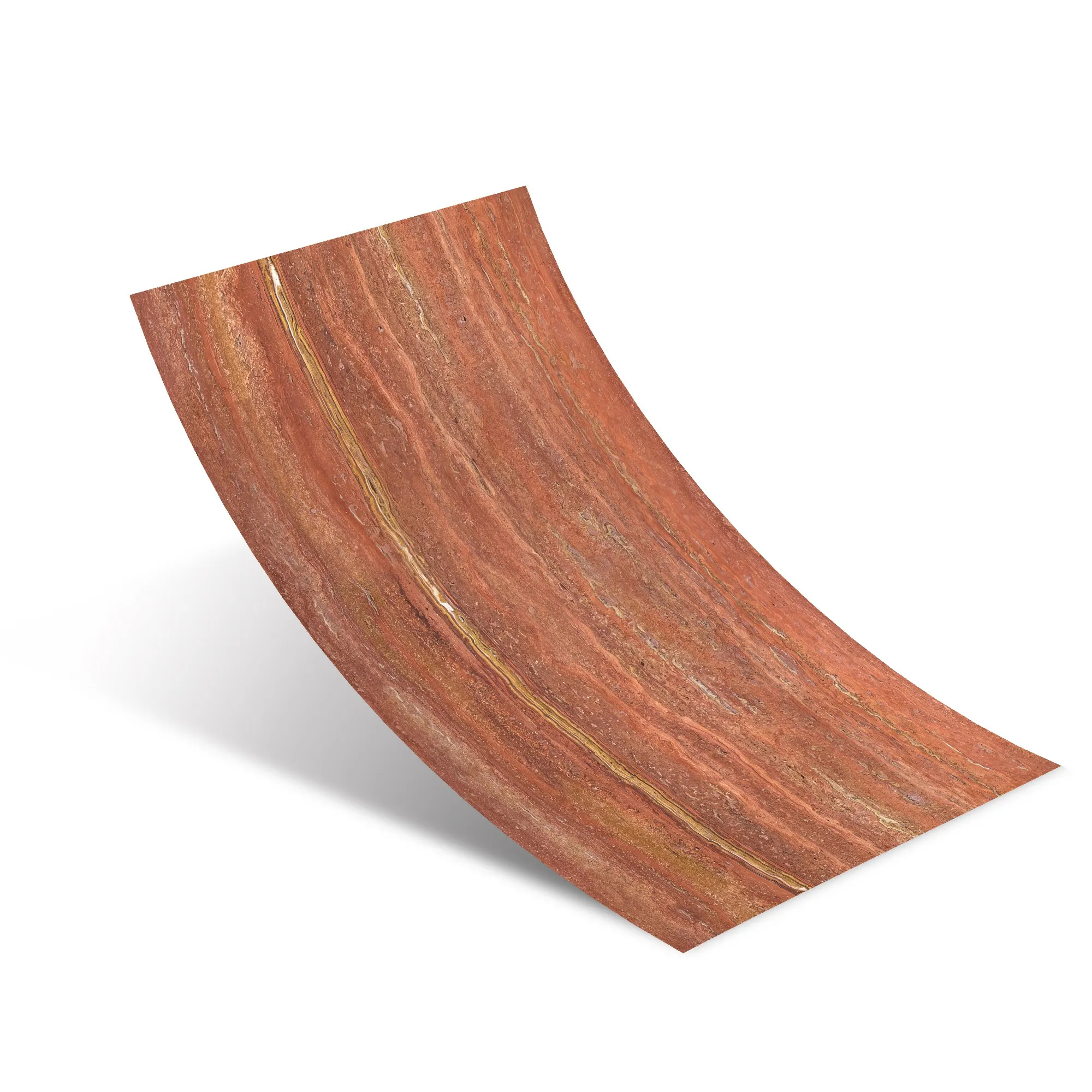
If Red Travertine is the laid-back, nature-loving cousin, Red Marble is the sophisticated, elegant sibling—born from transformation and intensity. Unlike travertine, marble is a metamorphic rock , meaning it started life as something else (in this case, limestone) and was reborn under extreme heat and pressure deep within the earth. Imagine limestone buried miles underground, squeezed by tectonic plates and baked by the earth's molten core. Over millions of years, its calcite crystals recrystallize, growing larger and interlocking to form a dense, cohesive structure. The result? A stone that's smooth, luminous, and often veined with swirls of color—Red Marble.
Like Red Travertine, Red Marble owes its color to minerals, but here, the star is often hematite (an iron oxide mineral) or pyrite (fool's gold). These minerals are pressed and stretched during the metamorphic process, creating the flowing veins and patterns that marble is famous for. Some Red Marble has thin, wispy veins that look like brushstrokes; others have bold, dramatic streaks that resemble lightning bolts frozen in stone. No two slabs are alike—each is a one-of-a-kind masterpiece painted by the earth's own forces.
When we talk about the Marble series , we're referring to the wide range of marble products available, from classic whites and grays to bold reds, greens, and blacks. Red Marble is a standout in this series, prized for its ability to add luxury to any space. Whether it's a Red Marble countertop in a high-end kitchen or a floor in a hotel lobby, this stone screams "opulence"—but it's not just about looks. Its density and durability (when cared for) make it a practical choice for spaces that see a lot of use, though it's still softer than granite or quartz.
Red Marble's composition is similar to travertine in that it's mostly calcium carbonate , but the key difference is in the crystal structure . In marble, the calcite crystals are larger and more tightly packed, eliminating the pores that define travertine. This gives marble a dense, non-porous (or less porous) texture that feels smooth and cool to the touch. When polished, these crystals reflect light, creating that iconic "marble shine"—a luminosity that makes the stone look like it's glowing from within.
On the Mohs hardness scale, Red Marble ranks around 3-5—slightly harder than Red Travertine, but still susceptible to scratches and etching from acidic substances (like lemon juice or vinegar). This is why it's often sealed, just like travertine, but its dense structure means it may need less frequent sealing. Think of it as a delicate silk dress versus a cotton shirt—both lovely, but the silk requires a bit more care to stay pristine.
Red Marble is the go-to for designers who want to make a statement. Its smooth, polished surface and dramatic veining make it perfect for high-end interiors : think luxury bathrooms with Red Marble vanities, grand foyers with floor-to-ceiling Red Marble walls, or fireplace surrounds that become the focal point of a living room. It's also a favorite for furniture—coffee tables, sideboards, and even lighting fixtures made from Red Marble add a touch of old-world glamour to modern spaces.
One of the reasons Red Marble is so versatile is its ability to pair with other materials. It looks stunning with gold or brass hardware, which accentuates its warm red tones. It also contrasts beautifully with dark woods or black metals, creating a bold, contemporary look. And because it's available in so many shades—from pale rose to deep burgundy—there's a Red Marble for every design aesthetic, from traditional to minimalist.
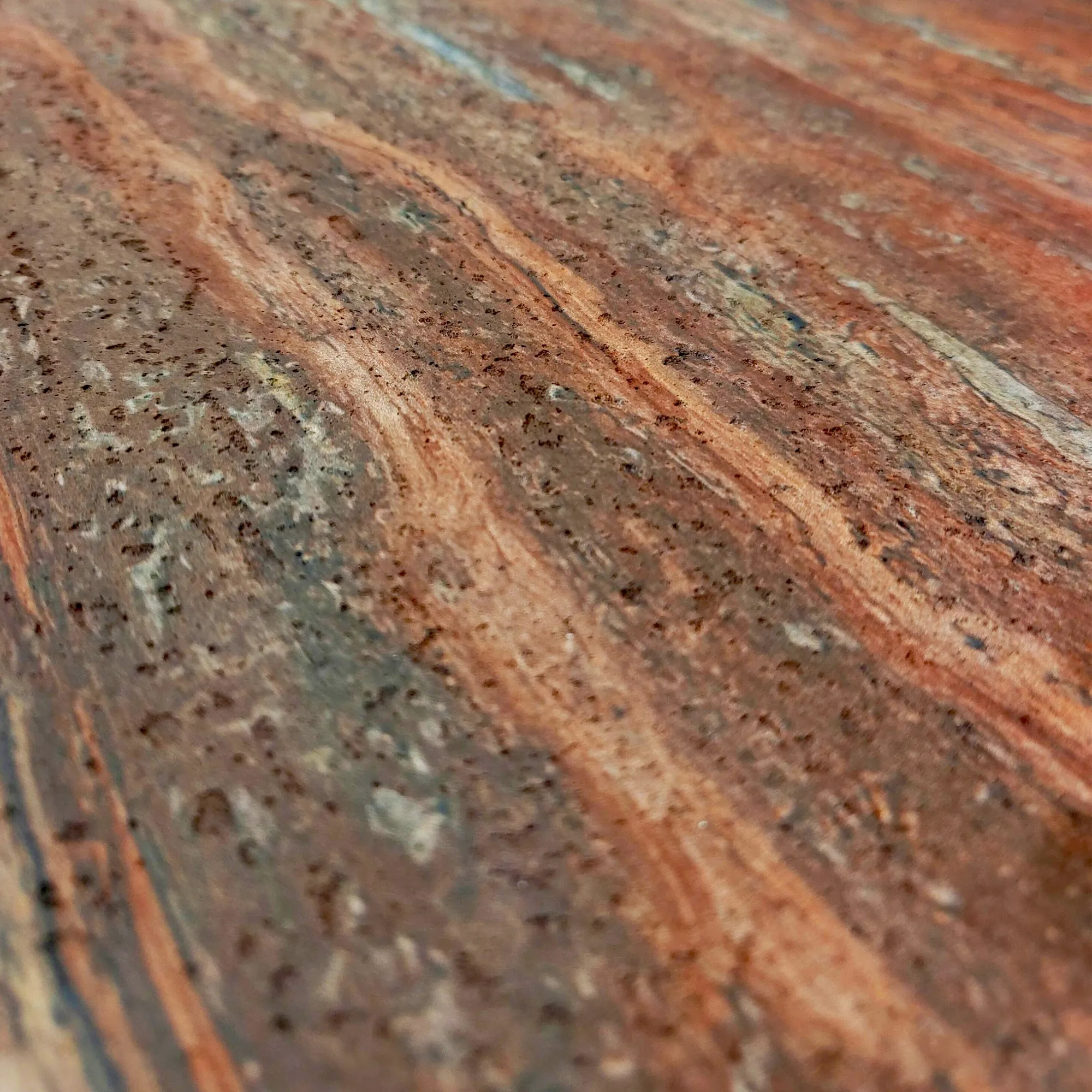
Now that we've explored each stone's story, let's break down their key differences in a way that's easy to digest. Whether you're a homeowner planning a renovation or an architect selecting materials for a commercial project, these distinctions will help you make an informed choice.
| Feature | Red Travertine | Red Marble |
|---|---|---|
| Rock Type | Sedimentary (formed from mineral-rich water evaporation) | Metamorphic (formed from limestone under heat/pressure) |
| Color Source | Iron oxides (rust-like staining from mineral deposits) | Hematite, pyrite, or other minerals (pressed into veins during metamorphism) |
| Texture | Porous, with visible vesicles (holes); matte to slightly polished finish | Dense, smooth, and crystalline; highly polishable for a glossy finish |
| Hardness (Mohs Scale) | 3-4 (softer, more prone to scratching) | 3-5 (slightly harder, but still vulnerable to acidic substances) |
| Porosity | Highly porous; requires sealing to prevent staining | Moderately porous; still needs sealing but less frequent than travertine |
| Patterns | Irregular pores, occasional streaks; "starry" variants have mineral flecks (e.g., Travertine (starry red)) | Flowing, wavy veins; patterns are more consistent and dramatic |
| Best For | Rustic, earthy spaces; floors, walls, exteriors, casual living areas | Luxurious, high-end spaces; countertops, statement walls, furniture, formal areas |
| Maintenance | Regular sealing (every 1-2 years); avoid harsh cleaners | Sealing (every 2-3 years); avoid acidic substances (lemon, vinegar) |
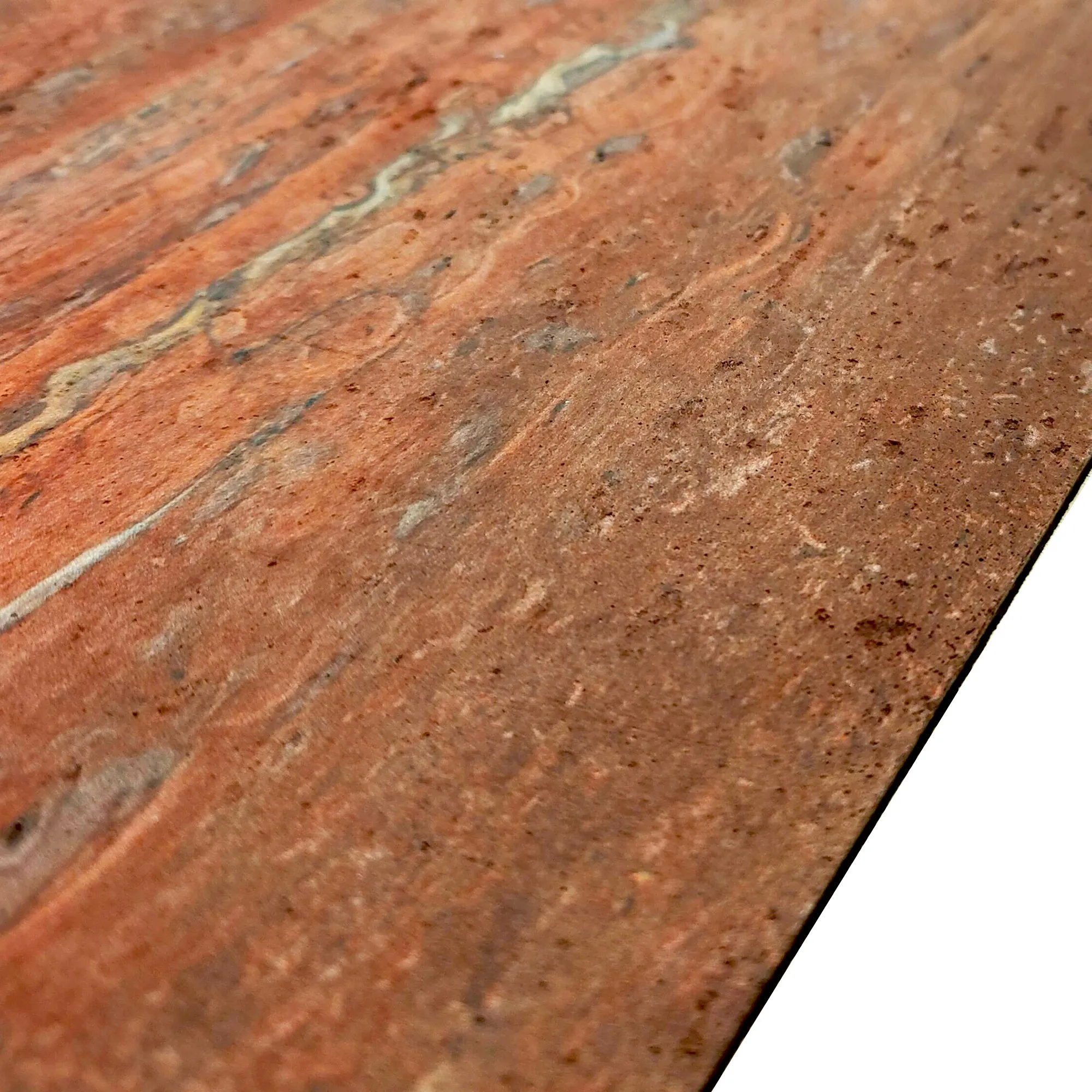
At the end of the day, the choice between Red Travertine and Red Marble isn't about which is "better"—it's about which aligns with your vision. Do you want a space that feels grounded, cozy, and full of character? Red Travertine, with its porous texture and warm, earthy vibe, might be your match. Its starry variants, like Travertine (starry red) , add a playful, unique twist that's perfect for adding personality to a room.
Or are you dreaming of something sleek, sophisticated, and timeless? Red Marble, with its smooth surface and dramatic veining, brings that "wow" factor. And with the Marble series offering so many shades and patterns, you can find a red marble that's as bold or as subtle as you like.
Both stones have their quirks—travertine needs sealing, marble is prone to etching—but with a little care, they'll last for decades, aging gracefully and telling the story of the earth in every inch. So, whether you're walking on Red Travertine floors that feel like a desert trail or admiring Red Marble walls that glow like a sunset, remember: you're not just choosing a material. You're bringing a piece of the planet's history into your home.
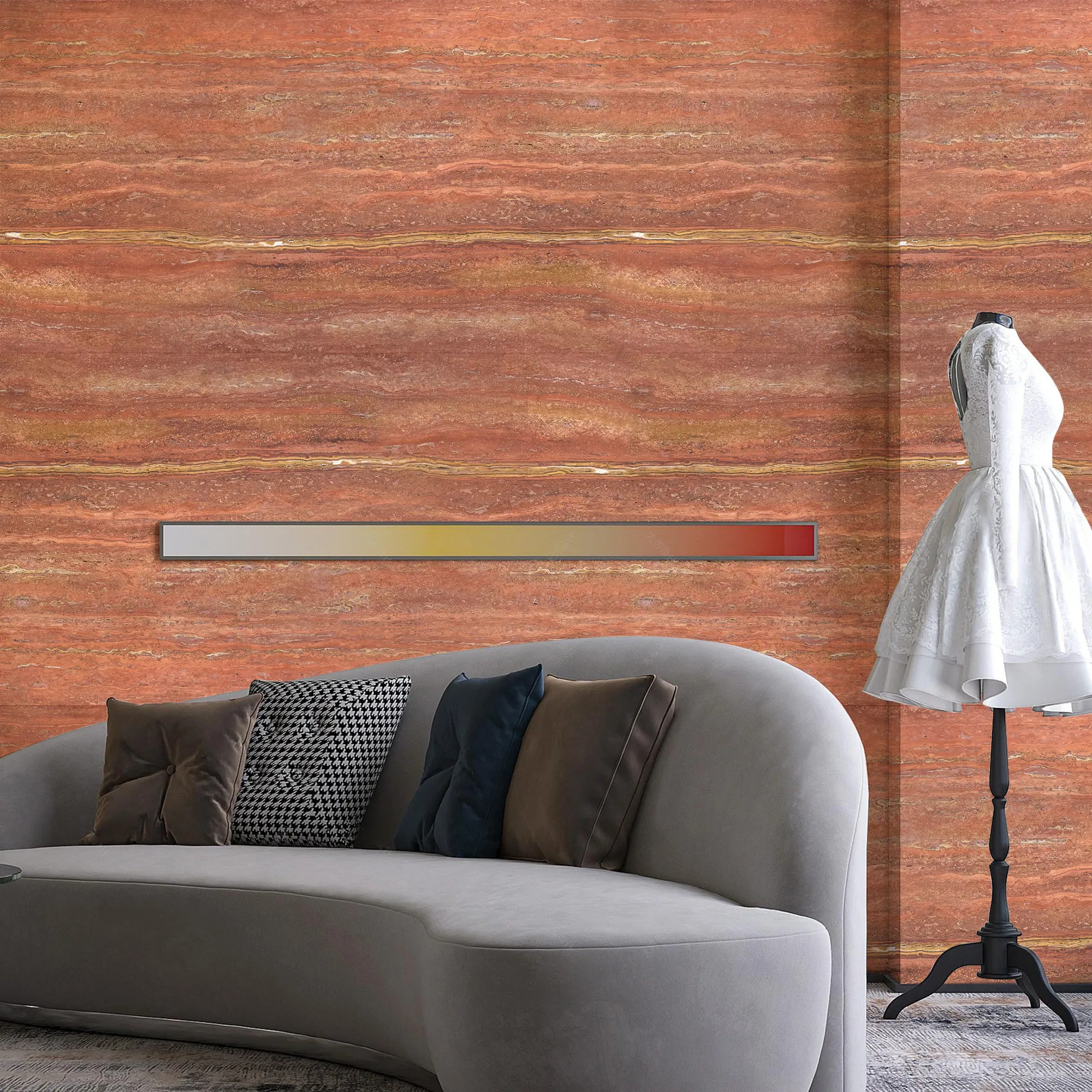
Red Travertine and Red Marble are more than just building materials—they're testaments to nature's creativity. One is a product of patience and water, the other of pressure and fire. One whispers of hot springs and ancient rivers, the other of tectonic drama and deep-time transformation. Together, they remind us that beauty comes in many forms—and that the most meaningful design choices are those that honor the stories behind the materials.
So, the next time you see a red stone surface, take a moment to appreciate its journey. Is it the porous, starry charm of Travertine (starry red)? Or the smooth, veined elegance of Red Marble? Either way, you're looking at a masterpiece—one that's been in the making for millions of years, just waiting to become part of yours.
Recommend Products











