
Blending Tradition, Durability, and Timeless Elegance in the Heart of Saudi Arabia
In the sun-drenched landscape of Riyadh, where modern skyscrapers pierce the sky and desert winds carry whispers of ancient traditions, luxury residential architecture is undergoing a quiet revolution. Today's homeowners in the Saudi capital are no longer content with generic, cookie-cutter designs; they seek spaces that reflect their identities—spaces that honor cultural roots while embracing cutting-edge innovation. This shift has turned material selection into an art form, where every stone, panel, and texture tells a story of heritage, resilience, and refined taste.
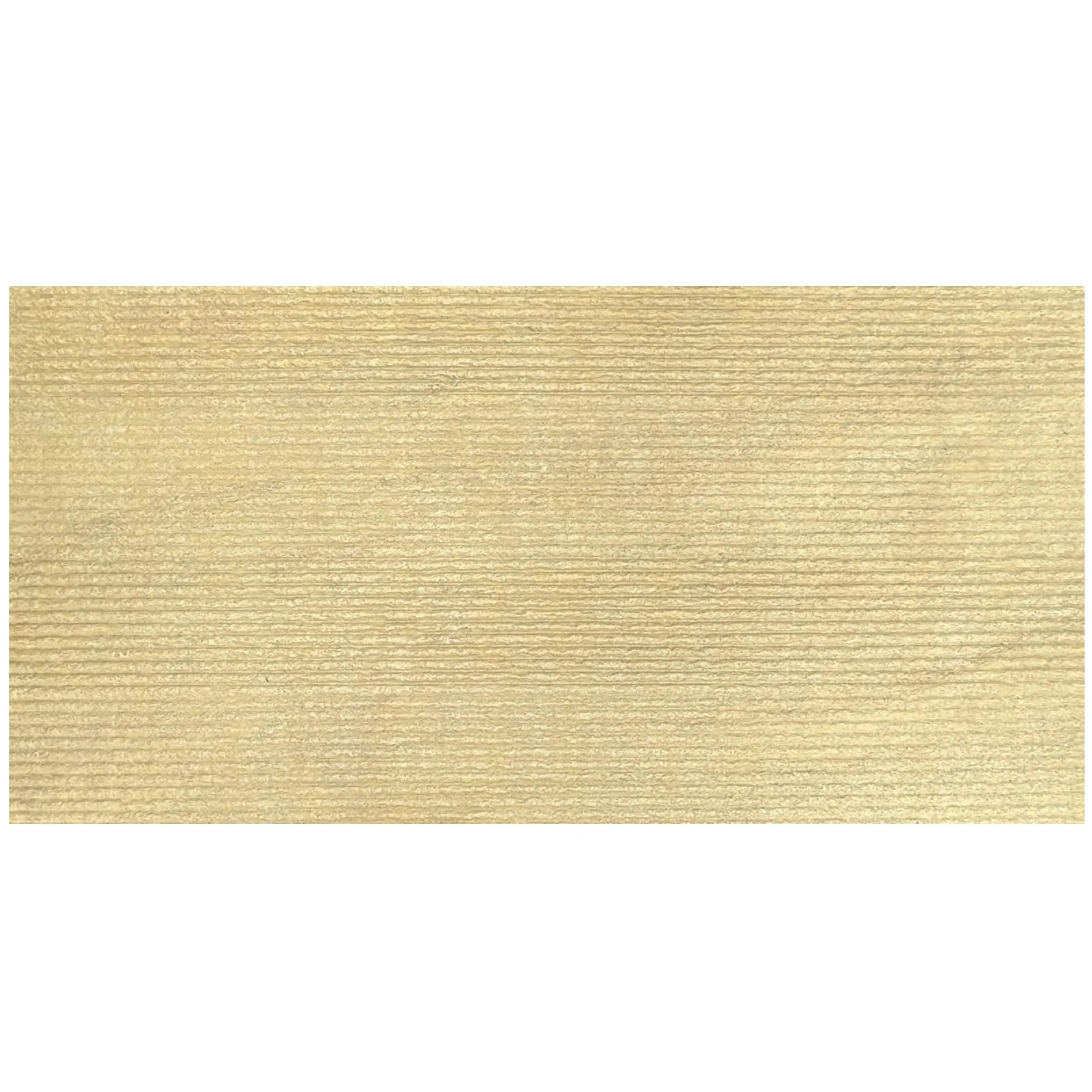
Against this backdrop, a recent villa project in Riyadh's prestigious Al-Malqa district stands out as a masterclass in material synergy. Commissioned by a prominent local family with a penchant for both traditional craftsmanship and contemporary minimalism, the villa was designed to be more than a home—it was intended to be a legacy. At the center of this vision was a bold choice: Gravel Omani Stone , a material with deep ties to the region's geological heritage, paired with complementary elements like Lunar Peak Silvery , MCM Flexible Stone , and Fair-Faced Concrete . This case study explores how these materials converged to create a space that is both visually stunning and functionally resilient, perfectly suited to Riyadh's unique climate and the family's evolving needs.
The villa, sprawling over 1,200 square meters on a plot with panoramic views of the city and distant desert, was designed by award-winning architect Layla Al-Mansoori. Her brief was clear: craft a home that felt "rooted yet forward-thinking"—a space where the family could host traditional gatherings, raise children, and entertain international guests, all while enjoying the comforts of modern luxury. "The clients wanted warmth without clutter, tradition without rigidity, and durability without sacrificing beauty," Al-Mansoori recalls. "They mentioned growing up visiting ancestral homes with stone walls that seemed to breathe history, but they also dreamed of a home that wouldn't feel outdated in 20 years."
The design team began by analyzing Riyadh's environmental challenges: scorching summer temperatures (often exceeding 45°C), dry desert air, occasional sandstorms, and intense sunlight that can fade materials over time. Any material chosen needed to withstand these conditions while maintaining its aesthetic appeal. Equally important was the desire to avoid over-reliance on air conditioning; the home should feel naturally cool and inviting, even on the hottest days.
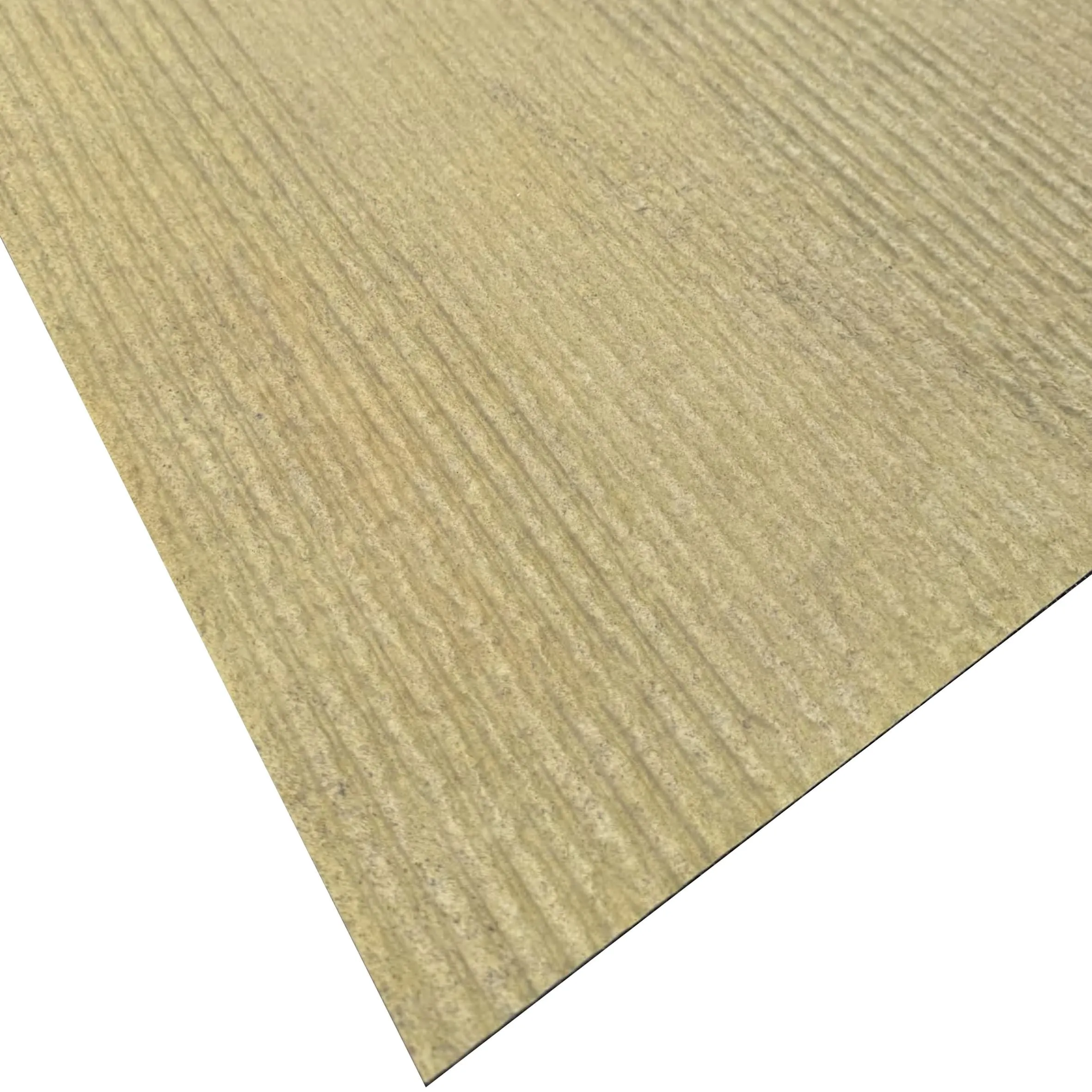
After months of research and material sampling, the team landed on a core palette centered around Gravel Omani Stone —a material sourced from Oman's Hajar Mountains, known for its warm, earthy hues and distinctive granular texture. "Gravel Omani Stone isn't just a building material; it's a bridge between the region's past and present," says Al-Mansoori. "Its tones—ranging from soft terracotta to deep amber—echo the desert landscape, while its durability makes it ideal for Riyadh's climate. But we didn't stop there; we paired it with materials that would enhance its character: Lunar Peak Silvery for subtle metallic accents, MCM Flexible Stone for curved surfaces, and Fair-Faced Concrete for a modern, monolithic contrast. The result is a material story that feels cohesive yet dynamic."
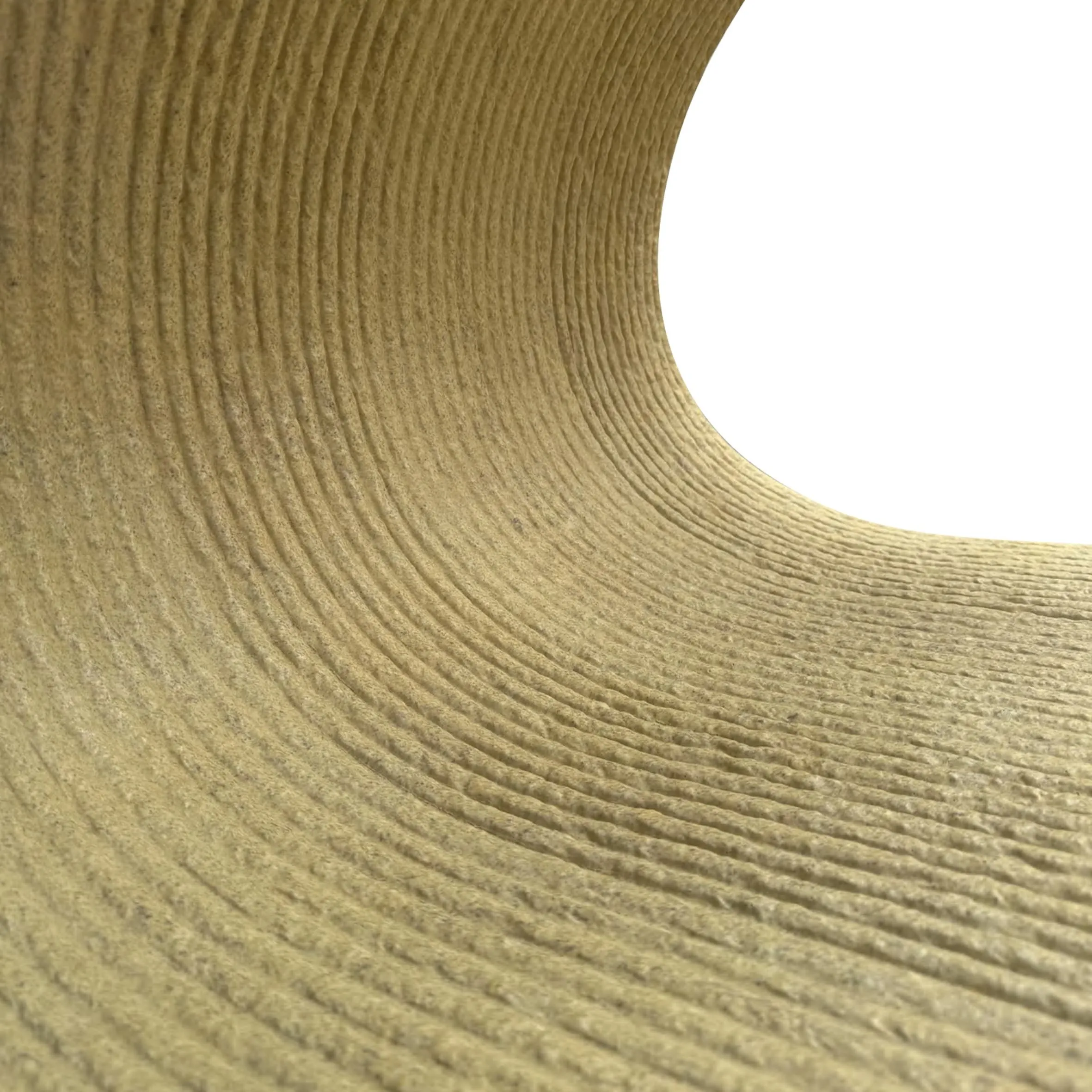
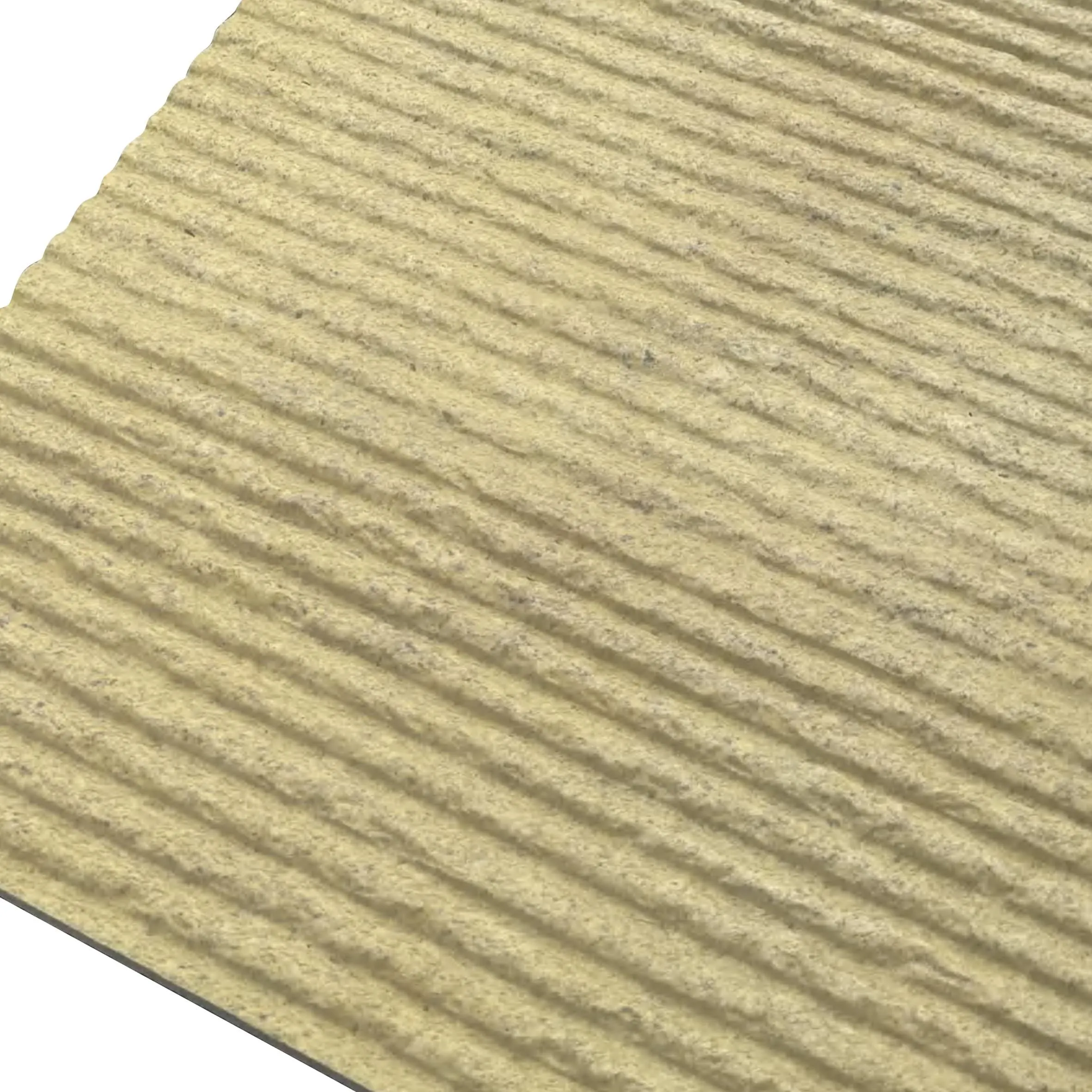
To understand why Gravel Omani Stone became the project's cornerstone, one must first appreciate its unique properties. Quarried from ancient riverbeds in Oman, this sedimentary stone is formed by the compression of gravel, sand, and mineral deposits over millions of years. The result is a material with a heterogeneous texture—speckled with fragments of quartz, feldspar, and calcite—that shimmers subtly in sunlight. Its color palette, which ranges from pale cream to rich terracotta with hints of gold, mirrors the desert's shifting hues, making it a natural fit for Riyadh's landscape.
For the Al-Malqa villa, the design team selected a specific variant of Gravel Omani Stone with a coarser gravel content, believing its tactile surface would add depth to the villa's exterior and interior walls. "We wanted people to want to touch the walls," explains interior designer Karim Hassan, who collaborated with Al-Mansoori on the project. "In a world of smooth, sterile surfaces, there's something deeply human about a texture that invites interaction. The stone's irregularities—small pits, varying gravel sizes, tiny fossilized shells—create a sense of movement. It's never the same under different lights: warm gold at dawn, soft amber at midday, and a rich, earthy red as the sun sets."
Beyond aesthetics, functionality was paramount. Riyadh's climate demands materials that can withstand extreme heat, and Gravel Omani Stone delivers. Its high thermal mass allows it to absorb heat during the day and release it slowly at night, naturally regulating indoor temperatures. "We installed sensors during construction to monitor heat transfer," says structural engineer Ahmed Khalid. "The stone walls reduced indoor temperatures by an average of 5°C compared to standard concrete block walls, cutting the family's AC usage by nearly 30%. That's a game-changer in a city where cooling costs can be exorbitant."
Durability was another key factor. Riyadh's occasional sandstorms carry abrasive particles that can wear down softer materials, but Gravel Omani Stone's hardness (rating 6-7 on the Mohs scale) makes it resistant to scratching and erosion. "We tested samples by blasting them with sand at high speeds for 100 hours—simulating 10 years of sandstorms—and the stone showed almost no signs of wear," Khalid notes. "The client has young children and pets, so they needed surfaces that could handle daily life without looking worn. This stone is practically indestructible."
"The first time I saw the stone samples, I knew it was right. It felt like bringing a piece of the desert into our home—not in a harsh, arid way, but in a way that feels nurturing, like a hug from the land. Now, when guests arrive, they always comment on how the walls 'glow' at sunset. It's become the soul of the house." — Mrs. Al-Faisal, homeowner
While Gravel Omani Stone took center stage, the design team recognized that a single material could not carry the villa's entire aesthetic narrative. To add layers of complexity and address specific functional needs, they integrated a curated selection of complementary materials, each chosen for its ability to enhance the stone's beauty while solving unique design challenges. Below is a breakdown of the key materials and their roles in the project:
| Material Name | Aesthetic Features | Functional Benefits | Application Area in Villa |
|---|---|---|---|
| Gravel Omani Stone | Earthy tones (cream, terracotta, gold), coarse gravel texture, fossilized inclusions | High thermal mass, heat resistance, scratch/erosion resistance, natural temperature regulation | Exterior walls, interior feature walls (living room, dining area), courtyard flooring |
| Lunar Peak Silvery | Metallic silver sheen, subtle iridescence, smooth yet slightly textured surface | Lightweight, fade-resistant, corrosion-proof, easy to clean | Accent panels (entryway, staircase risers), outdoor pergola beams, kitchen backsplash |
| MCM Flexible Stone | Realistic stone appearance, customizable colors, thin, flexible sheets | Weather-resistant, bendable for curved surfaces, lightweight (reduces structural load) | Curved walls (indoor pool area), outdoor seating walls, garage exterior (arched sections) |
| Fair-Faced Concrete | Raw, industrial look, matte finish, subtle gray tones with visible aggregate | High compressive strength, fire-resistant, low maintenance | Ceiling slabs, outdoor patio flooring, home theater walls (acoustic benefits) |
| Travertine (Starry Blue) | Deep blue base with "starry" crystalline inclusions, porous surface with warm undertones | Slip-resistant when sealed, heat-resistant, complements water features | Indoor pool deck, outdoor fountain basin, master bathroom shower walls |
To balance the villa's earthy core, the team turned to Lunar Peak Silvery , a metallic composite material with a soft, moonlit sheen. "Gravel Omani Stone is warm and grounded, but we needed something to lift the design, to add a sense of lightness," Al-Mansoori explains. "Lunar Peak Silvery does that perfectly. It's not brash or flashy—its iridescence is subtle, almost ethereal. When paired with the stone, it creates a dialogue between earth and sky, tradition and modernity."
The material was used sparingly but strategically: as thin panels flanking the villa's grand entryway, where it catches the morning sun and casts delicate silver patterns on the stone walls; as risers on the floating staircase, illuminating the path with a soft glow at night; and as beams in the outdoor pergola, where its corrosion resistance ensures it will withstand Riyadh's humidity-free rainless summers.
One of the villa's most striking architectural features is its indoor pool, a serene oasis with a curved, cave-like ceiling designed to evoke a hidden desert spring. Traditional stone would have been too heavy and rigid to achieve the gentle curves, so the team specified MCM Flexible Stone . "MCM (Modified Composite Material) is a game-changer for organic designs," Hassan notes. "It's a thin, flexible sheet that mimics the look of real stone but can bend to a radius of just 30cm. We chose a color that closely matches the Gravel Omani Stone, so the transition from rigid exterior walls to curved pool walls is seamless. Guests often don't realize it's not real stone until they touch it—and even then, they're surprised by how lightweight it is."
Beyond the pool, MCM Flexible Stone was used on the outdoor seating walls surrounding the villa's courtyard. "Riyadh's outdoor spaces are used year-round, but they need to withstand temperature swings," Khalid adds. "MCM doesn't expand or contract as much as natural stone, so it won't crack in the heat. It's also easier to install, which saved us weeks of construction time."
No luxury villa in Riyadh is complete without a water feature, and the Al-Faisal family dreamed of a pool that felt like a "slice of the night sky." Enter Travertine (Starry Blue) , a rare variant of travertine quarried in Turkey, known for its deep blue base and crystalline inclusions that sparkle like stars when hit by light. "The client wanted the pool area to be a place of calm, where they could unwind after a long day," Hassan says. "Starry Blue travertine was the perfect choice. Underwater, the crystalline flecks catch the pool lights and create the illusion of swimming in a starry galaxy. By day, the blue tones contrast beautifully with the earthy Gravel Omani Stone, adding a cool, refreshing vibe."
Practicality was not overlooked: the stone's porous surface was sealed to prevent water absorption, and its natural slip resistance ensures safety for the family's young children. "We tested it with wet feet, and even when soapy, it has excellent traction," Khalid confirms. "It's also resistant to chlorine, so the pool's chemical balance won't damage it over time."
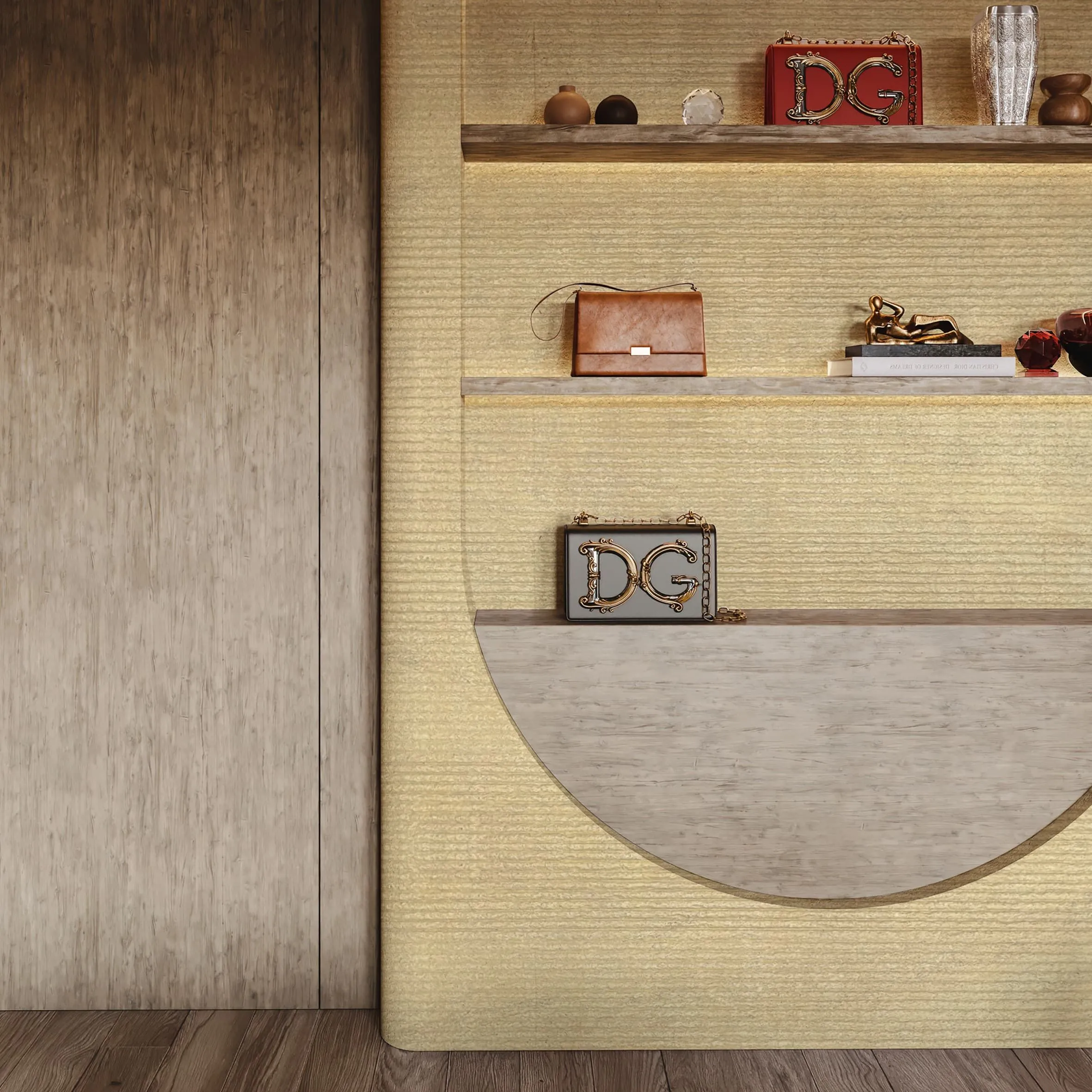
While the material selection was inspired, bringing the vision to life was not without hurdles. Riyadh's climate, cultural expectations, and logistical constraints presented unique challenges that required creative problem-solving.
Challenge 1: Sourcing and Transporting Gravel Omani Stone
The team initially struggled to find a consistent supply of Gravel Omani Stone with the specific texture and color variation they desired. "Omani quarries often have limited stock of rare variants, and political tensions between Saudi Arabia and Oman occasionally disrupt cross-border trade," explains project manager Fatima Abdullah. "We had to visit three quarries in Oman before finding one that could guarantee the quality and volume we needed. Then, we arranged for a dedicated fleet of trucks to transport the stone in climate-controlled containers to prevent breakage during the 8-hour journey to Riyadh."
Challenge 2: Installing Heavy Stone in a Seismic Zone
Riyadh is located in a moderate seismic zone, and the villa's second-floor feature wall—clad in 10cm-thick Gravel Omani Stone—posed a structural risk if not properly anchored. "We worked with geologists to assess the area's seismic activity and designed a custom steel frame system that secures the stone panels to the wall studs with flexible brackets," Khalid says. "The brackets allow for minor movement during tremors without cracking the stone. We also conducted shake table tests to ensure the system would hold up to a 5.0-magnitude earthquake."
Challenge 3: Cultural Sensitivity in Material Symbolism
The Al-Faisal family, like many in Riyadh, values cultural symbolism in their home. "They were initially hesitant about using Fair-Faced Concrete, associating it with industrial warehouses rather than luxury living," Al-Mansoori recalls. "To address this, we invited the family to visit a historic fort in Riyadh where traditional mud-brick walls had a similar raw, textured appearance. We explained that concrete, like mud-brick, is a material of the people—honest, unpretentious, and deeply rooted in functionality. By pairing it with the stone and Lunar Peak accents, we transformed it into something sophisticated. They fell in love with the contrast."
Two years after completion, the Al-Mansoori villa has become a neighborhood landmark—and a source of pride for the Al-Faisal family. "It's more than a house; it's a reflection of who we are," Mrs. Al-Faisal says. "The Gravel Omani Stone reminds us of our grandparents' home in Najran, with its thick stone walls and cool interiors. The Lunar Peak accents feel modern, like something out of a design magazine. And the pool with the Starry Blue travertine? Our kids call it their 'magic swimming hole.' It's perfect."
The villa's success has also caught the attention of the broader design community. "We've had architects from Dubai, Kuwait, and even Europe visiting to study the material combination," Al-Mansoori notes. "Gravel Omani Stone was once seen as a 'regional curiosity,' but now it's being specified in high-end projects across the Gulf. That's the power of a well-executed material story—it can redefine an entire market."
As for the future, the family has already begun planning a guest house on the property, with plans to reuse many of the same materials. "Why fix what isn't broken?" Mr. Al-Faisal laughs. "The stone has aged beautifully—richer, warmer, more characterful than when we first moved in. It's like the house is growing with us."
The Al-Malqa villa project underscores a timeless truth: in luxury architecture, materials are more than just building blocks—they are storytellers. Gravel Omani Stone , with its earthy texture and regional heritage, tells of roots and resilience. Lunar Peak Silvery whispers of innovation and modernity. MCM Flexible Stone speaks to adaptability and creativity. Together, they weave a narrative of a family, a city, and a culture that refuses to be boxed into either tradition or progress—instead, embracing both.
In Riyadh, where the desert meets the metropolis, this balance is everything. As more homeowners seek spaces that reflect their multifaceted identities, materials like these will continue to rise in prominence, proving that the most luxurious homes are not those filled with the most expensive finishes, but those where every texture, color, and panel has a purpose—and a story to tell.
Recommend Products












