
Elevating Curb Appeal with Innovation, Durability, and Timeless Style
There's something undeniably magical about pulling into your driveway after a long day and being greeted by a home that feels like a warm embrace. The exterior of your house isn't just a shell—it's a storyteller, whispering hints about who lives inside, what matters to them, and how they see the world. In a neighborhood where cookie-cutter designs often blend into a blur, a thoughtfully designed exterior can turn a house into a home, a property into a landmark, and a first impression into a lasting memory.
But here's the truth: creating that perfect exterior isn't easy. Traditional materials like wood, brick, and vinyl come with trade-offs. Wood warps and rots; brick is heavy and expensive; vinyl fades and cracks. Homeowners are left choosing between beauty and practicality, aesthetics and longevity. Until now.
Enter Poly Wood Board —a revolutionary cladding material that's redefining what's possible in residential exterior design. Blending the timeless warmth of wood with the durability of modern composites, Poly Wood Board isn't just a product; it's a solution for homeowners who refuse to compromise. In this article, we'll explore how this innovative material is transforming exteriors, why it's quickly becoming a favorite among designers and DIY enthusiasts alike, and how you can use it to turn your home into the envy of the block.
For decades, homeowners had limited options when it came to exterior cladding. Wood was a classic choice, beloved for its natural grain and warmth, but it demanded constant care—staining every few years, patching rot, fending off termites. Brick, while sturdy, felt cold and unyielding, lacking the softness that makes a home feel inviting. Vinyl, once hailed as a low-maintenance miracle, quickly revealed its flaws: cheap-looking textures, susceptibility to wind damage, and a tendency to fade under the sun.
As the 21st century brought a wave of eco-consciousness and design innovation, homeowners began craving materials that checked more boxes: sustainability, durability, aesthetics, and affordability. This shift gave rise to a new generation of cladding options—materials like Wood Grain Board , with its realistic wood patterns; Foamed Aluminium Alloy Board (Vintage Silver) , offering sleek metallic finishes; and Fair-Faced Concrete , celebrated for its industrial-chic vibe. Even natural stones like Travertine (Starry Blue) gained popularity, prized for their unique veining and earthy elegance.
But while these materials addressed some needs, they often fell short in others. Wood Grain Board, for example, might mimic wood's look but still lack the structural integrity to withstand harsh weather. Foamed Aluminium Alloy Board, though durable, could feel too cold for a cozy suburban home. Travertine, with its porous surface, required frequent sealing to prevent staining. It was clear: the market was waiting for a material that could bridge the gap—a material that was as tough as it was beautiful, as sustainable as it was easy to care for.
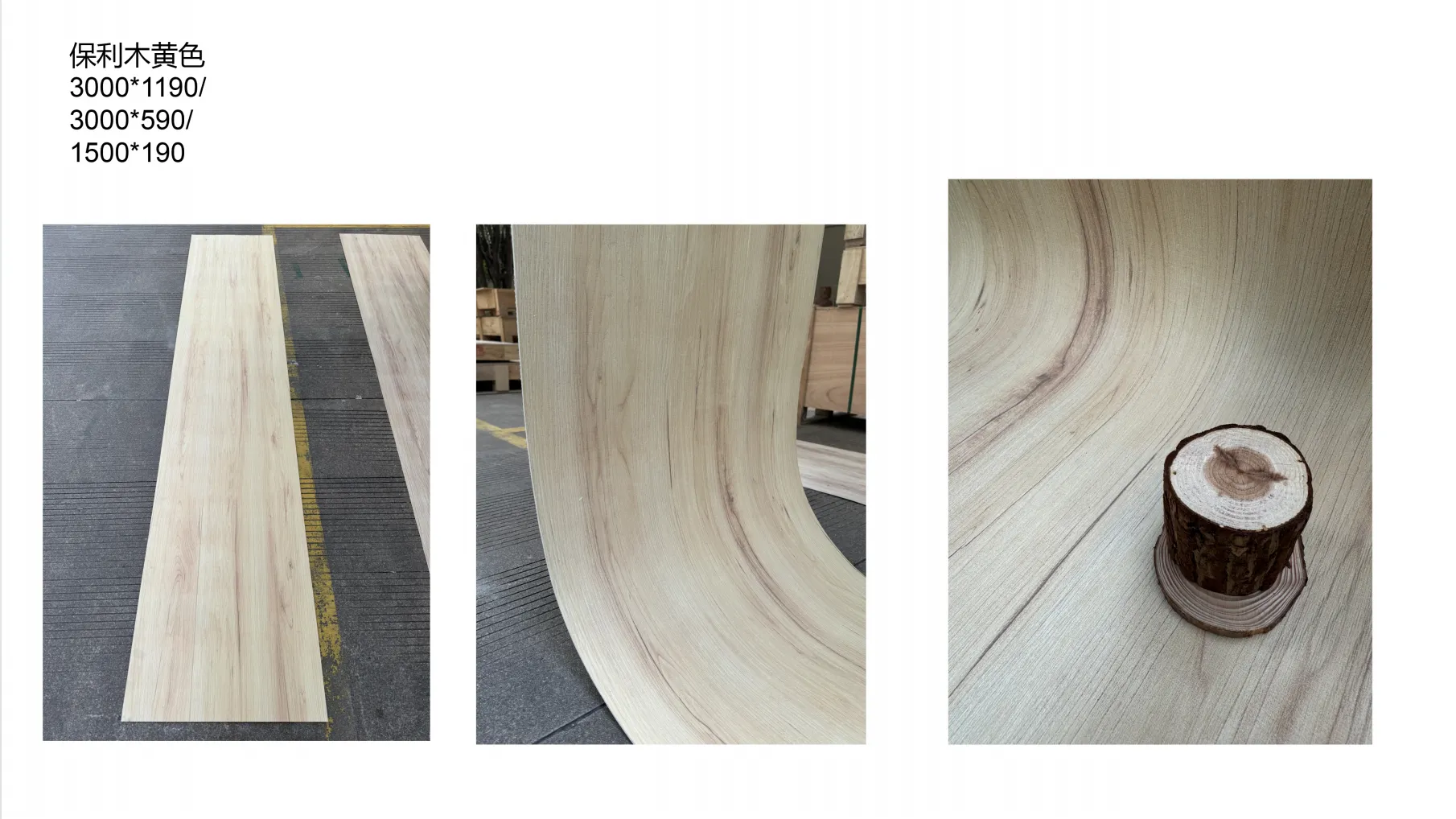
Poly Wood Board isn't just another cladding material—it's a testament to what happens when science and art collaborate. At its core, it's a composite material made by blending recycled wood fibers with high-grade polymers, creating a product that captures the best of both worlds: the organic texture of wood and the resilience of plastic. But don't let the "poly" fool you—this isn't your average plastic siding. Poly Wood Board is engineered to mimic the look and feel of real wood, from the subtle knots in "Rustic Oak" to the smooth grain of "Modern Maple." Run your hand over it, and you'll swear it's real wood; stand back, and you'll marvel at how it retains its beauty year after year.
So, what makes Poly Wood Board stand out?
But perhaps the most compelling thing about Poly Wood Board is how it feels. Unlike cold concrete or sterile vinyl, it has warmth—a tactile quality that makes you want to reach out and touch it. It's the kind of material that turns a house into a home, not just by looking good, but by feeling right.
Still on the fence? Let's see how Poly Wood Board compares to some of the most popular exterior cladding materials on the market today. This side-by-side breakdown will help you understand why homeowners and designers are making the switch.
| Material | Aesthetic Appeal | Durability | Maintenance Needs | Sustainability | Best For |
|---|---|---|---|---|---|
| Poly Wood Board | High (realistic wood texture, warm tones, customizable colors) | Excellent (resistant to moisture, pests, UV rays, and impact) | Low (hose down occasionally; no painting/staining) | High (95% recycled materials, no chemical treatments) | Any home style (modern, rustic, coastal, traditional) |
| Wood Grain Board | High (mimics wood, but texture can feel artificial) | Moderate (prone to warping in high humidity) | Moderate (may require sealing every 3–5 years) | Moderate (some recycled content, but less than Poly Wood) | Temporary or low-budget projects |
| Foamed Aluminium Alloy Board (Vintage Silver) | Moderate (sleek metallic look, but cold/industrial) | Excellent (resistant to corrosion, fire, and impact) | Low (wipe clean with a damp cloth) | Moderate (recyclable, but high energy to produce) | Modern, urban, or commercial buildings |
| Fair-Faced Concrete | Low (cold, gray, industrial; lacks warmth) | Excellent (extremely durable, fire-resistant) | Low (no maintenance, but stains easily) | Low (high carbon footprint from production) | Minimalist or industrial-style homes |
| Travertine (Starry Blue) | Very High (natural stone with unique veining, rich color) | Moderate (porous; prone to staining, chips easily) | High (seal annually; avoid harsh cleaners) | Low (quarrying has environmental impact) | Luxury homes, Mediterranean or Tuscan styles |
As the table shows, Poly Wood Board outperforms its competitors in nearly every category. It offers the aesthetic warmth of wood, the durability of metal, and the low maintenance of concrete—all while being kinder to the planet. It's no wonder designers are calling it "the Swiss Army knife of cladding materials."
One of the most exciting things about Poly Wood Board is its versatility. Whether your home is a sleek modern masterpiece, a cozy rustic cabin, or a charming coastal bungalow, there's a way to incorporate Poly Wood Board that feels uniquely yours. Let's explore some design ideas to spark your creativity:
Modern homes often rely on clean lines, neutral colors, and a "less is more" philosophy—but that doesn't mean they have to feel cold. Try cladding your entire exterior in Poly Wood Board in "Charcoal Black" , then contrast it with floor-to-ceiling windows and a white flat roof. Add warmth with a wooden front door (yes, real wood—Poly Wood Board can complement natural materials!) and potted olive trees. The result? A home that's sleek and sophisticated, but with a hint of organic texture that invites you in.
Nothing says "welcome home" like a rustic farmhouse. For this look, choose Poly Wood Board in "Honey Pine" for the main siding, and pair it with a stone accent wall (try Travertine (Starry Blue) for a pop of color). Add a gabled roof with dormer windows, a wraparound porch with rocking chairs, and string lights overhead. The Poly Wood Board's natural grain will mimic the look of weathered barn wood, but without the upkeep. It's the perfect blend of nostalgia and practicality.
If you live near the ocean (or just wish you did), Poly Wood Board can help you channel that breezy coastal vibe. Opt for "Seaside White" Poly Wood Board with subtle blue undertones, and pair it with crisp white trim and black shutters. Add a shiplap accent above the garage, a gravel driveway, and a front yard filled with native grasses and driftwood. Since Poly Wood Board is moisture-resistant, you won't have to worry about salt air damaging your siding—meaning you can spend your weekends at the beach, not maintaining your home.
Transport yourself to the Greek Islands with a Mediterranean-inspired design. Use Poly Wood Board in "Driftwood Gray" for the lower half of your exterior, and Foamed Aluminium Alloy Board (Vintage Silver) for the upper half—creating a striking contrast. Add a red tile roof, arched windows, and a courtyard with a fountain. Plant lavender and bougainvillea along the walkway, and install outdoor string lights for evening ambiance. The Poly Wood Board will keep the look grounded, while the aluminium adds a touch of modern luxury.
Why choose one style when you can blend them all? For an eclectic exterior, mix Poly Wood Board in "Espresso Walnut" with Fair-Faced Concrete panels. Add a geometric front door in bright yellow, mismatched planters, and a mix of modern and vintage outdoor furniture. The key is balance—let the Poly Wood Board be the unifying element, tying together the different textures and colors. It's bold, it's unique, and it's sure to make your home stand out.
You're sold on the aesthetics—now let's talk logistics. Installing Poly Wood Board is a big decision, and it's important to go in with your eyes open. Here's what you need to know:
Unlike traditional cladding materials, Poly Wood Board is lightweight and easy to handle. Most homeowners hire a professional contractor, but if you're handy, DIY is possible (though we recommend at least two people for safety). The panels lock together using a tongue-and-groove system, which means no messy adhesives or complicated cutting. A typical 2,000-square-foot home can be clad in Poly Wood Board in just 3–5 days, compared to a week or more for brick or stone.
Gone are the days of spending weekends scraping paint or treating wood. Poly Wood Board requires almost no maintenance. Every few months, simply hose it down with water to remove dirt and debris. If you notice a stubborn stain, use a mild soap and a soft brush—no harsh chemicals needed. And because it's resistant to fading, you won't have to repaint or restain it for decades. It's the ultimate "set it and forget it" material.
Let's be honest: Poly Wood Board isn't the cheapest option upfront. It costs more than vinyl or basic Wood Grain Board, but less than natural stone or real wood. However, when you factor in long-term savings—no replacement costs, minimal maintenance, and increased home value—it's an investment that pays off. According to real estate experts, a well-designed exterior can increase a home's value by 5–10%, and Poly Wood Board's durability ensures that value stays high for years to come.
In today's world, sustainability isn't just a buzzword—it's a responsibility. Poly Wood Board is proud to be part of the solution. By using 95% recycled materials, it reduces the demand for virgin resources and keeps waste out of landfills. And since it doesn't require toxic treatments or frequent replacement, it lowers your home's carbon footprint. For eco-conscious homeowners, it's a choice that aligns with their values.
Your home's exterior is more than just a wall—it's a reflection of who you are. It's the first thing your children will remember about their childhood home, the backdrop for family photos, the reason neighbors smile when they pass by. With Poly Wood Board, you don't have to choose between beauty and practicality, style and sustainability. You can have it all.
Whether you're building a new home or giving your current one a facelift, Poly Wood Board offers endless possibilities. It's durable enough to withstand the elements, beautiful enough to make your heart skip a beat, and sustainable enough to make you feel good about your choice. It's not just a cladding material—it's a way to create a home that feels like you.
So why wait? The home of your dreams is just a cladding choice away. Embrace the future of exterior design with Poly Wood Board, and turn your house into a home that tells your story—one beautiful, durable, and timeless panel at a time.
Recommend Products












