
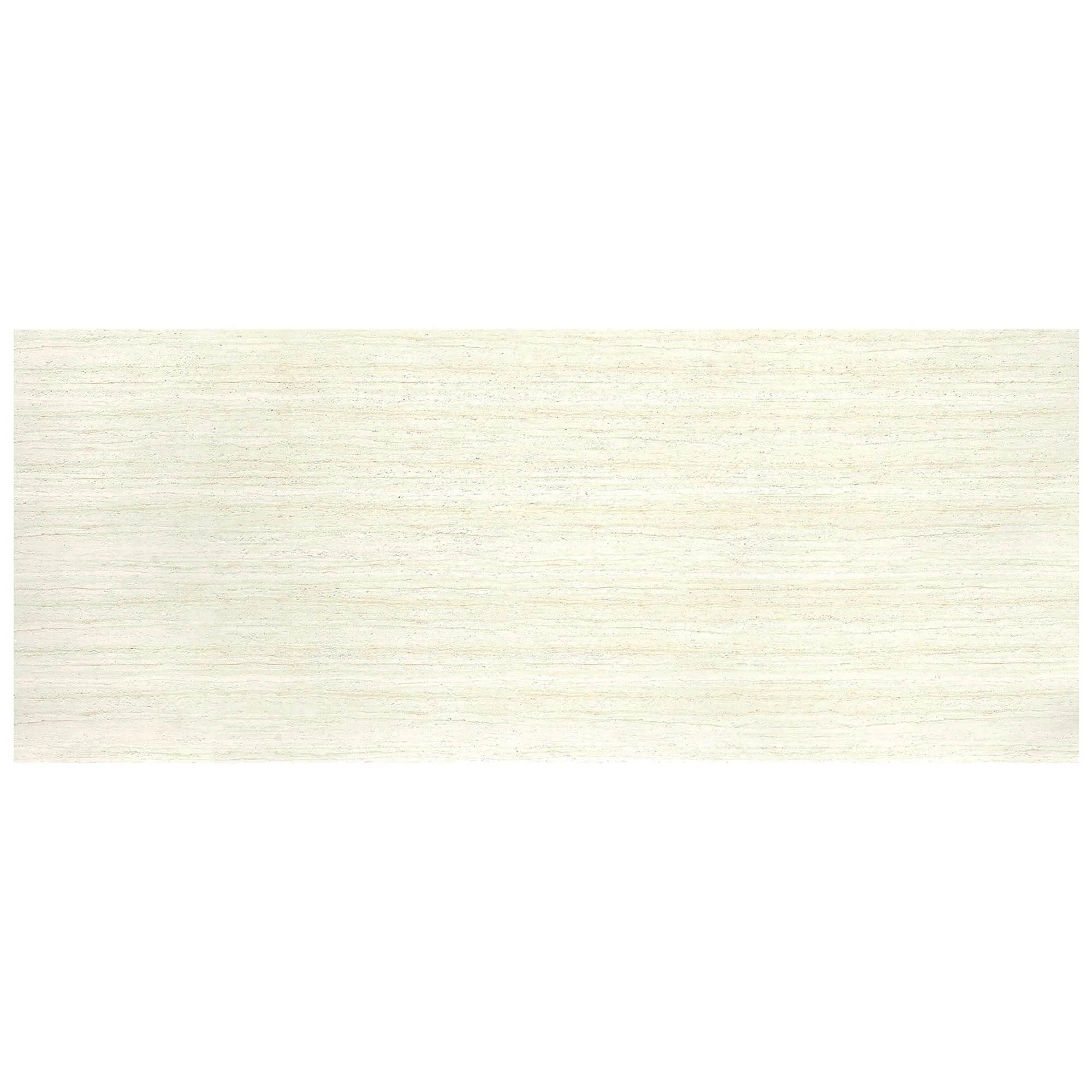
Your home's exterior is more than just a pretty face. It's the first line of defense against the elements, a silent guardian of your comfort, and a reflection of your personal style. These days, homeowners aren't just asking, "Does it look good?"—they're asking, "Does it work hard, too?" Enter MCM walls with thread patterns: a blend of artistry and engineering that turns ordinary exteriors into something extraordinary. Let's dive into how these textured designs are redefining what a home's outer layer can do.
MCM stands for Modified Composite Material, and if you haven't heard of it yet, you will. Think of it as the superhero of building materials: lightweight (so it's easy to install without weighing down your home), durable (resistant to cracks, fading, and weather), and surprisingly flexible (it can mimic the look of stone, wood, or metal without the heft). Unlike traditional materials like brick or solid stone, MCM is engineered to be high-performance—perfect for modern homes that want both beauty and brains.
But here's the kicker: MCM isn't just about being tough. It's about adaptability. And that's where thread patterns come in. These aren't just random textures—they're intentional, linear designs that weave through the material, adding depth, character, and yes, even boosting energy efficiency. Imagine a wall that doesn't just sit there looking good, but actively helps keep your home warm in winter and cool in summer. That's the magic of MCM with thread patterns.
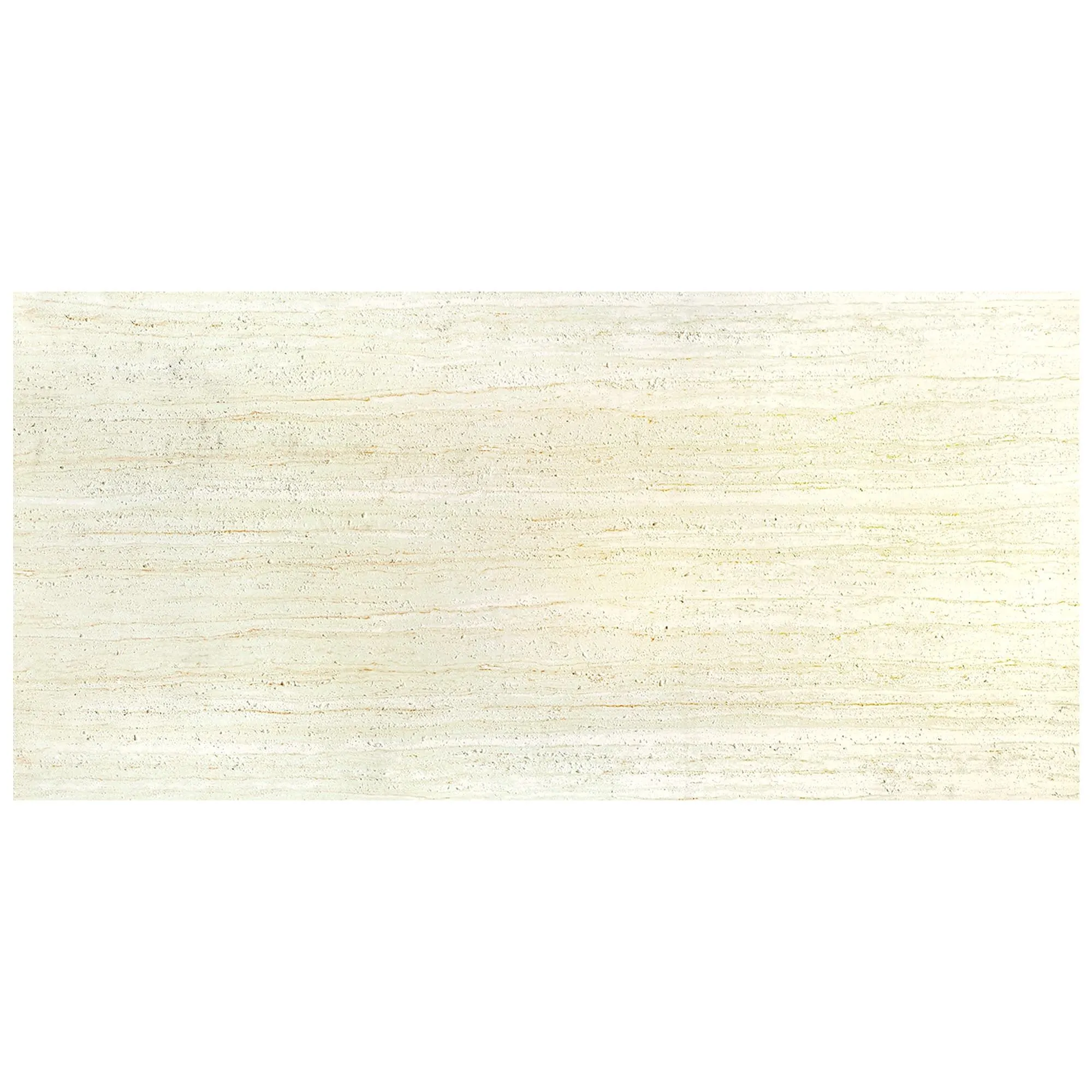
Let's talk about thread patterns. Picture running your hand over a wall and feeling subtle, rhythmic grooves—like the grain of wood, the veins in stone, or the gentle ripples of a stream. These aren't just for show. Thread patterns do double duty: they enhance curb appeal and improve how the material performs.
How? Think about insulation. When a material has a textured surface—like the threads in MCM—it creates tiny air pockets between the wall and the outside environment. Air is a poor conductor of heat, so those pockets act like a natural barrier, slowing down heat transfer. On a sweltering July afternoon, that means less hot air seeping into your living room, so your AC doesn't have to work overtime. In January, it means less warm air escaping, so your furnace takes fewer breaks. It's like wrapping your home in a cozy blanket that also happens to look stunning.
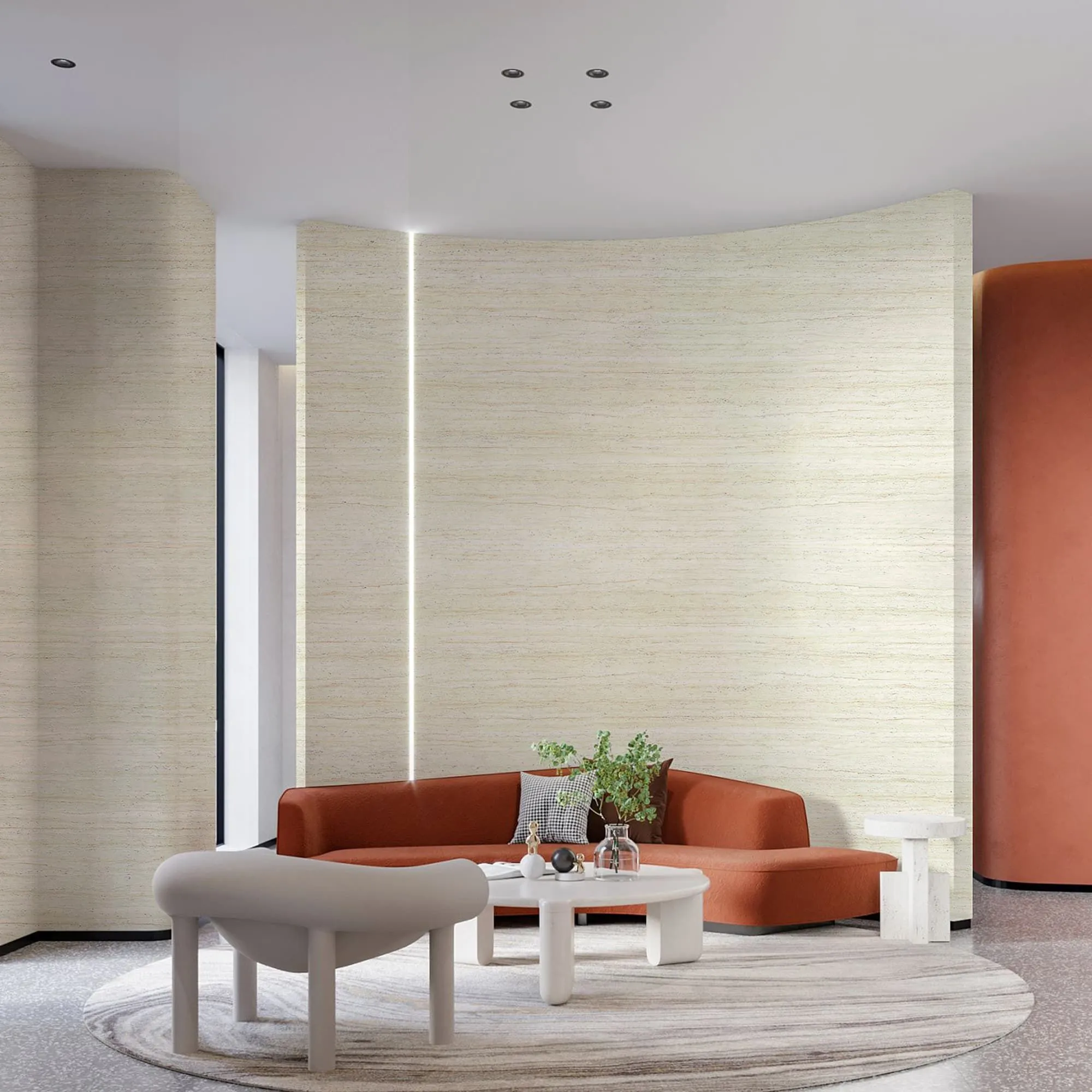
And let's not forget aesthetics. Thread patterns add visual interest without being over-the-top. They can make a small home feel larger by drawing the eye upward, or soften the sharp edges of a modern design. Whether you prefer the organic flow of wood grain board or the sleek lines of foamed aluminium alloy board (vintage silver) , thread patterns let you tell a story with your home's exterior.
Okay, so thread patterns look nice and trap air—but does that actually translate to lower bills? Let's get real with numbers. According to the U.S. Department of Energy, up to 30% of a home's heating and cooling energy is lost through its walls. That's like throwing money out the window (or, more literally, through the siding). MCM walls, especially those with thread patterns, can cut that loss significantly.
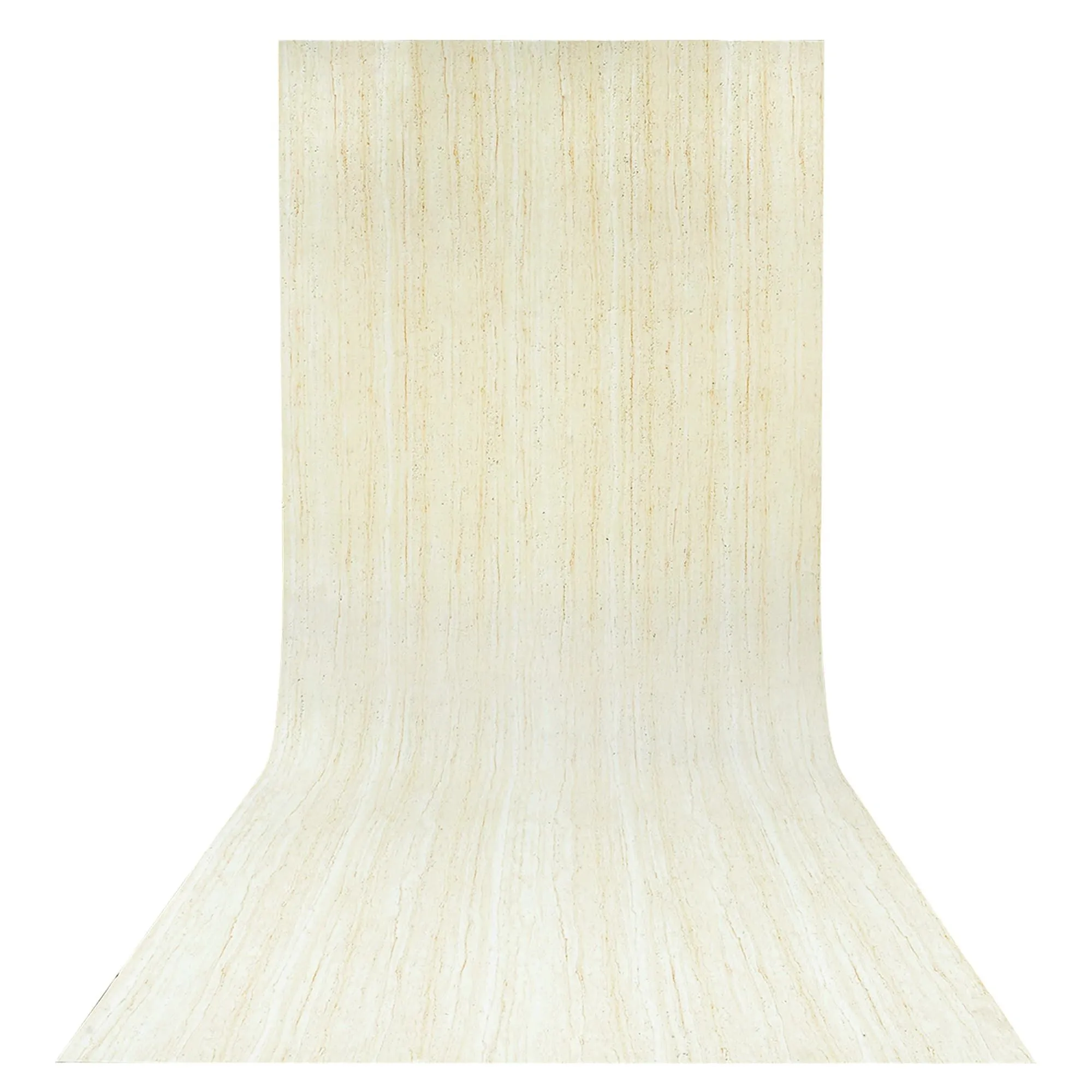
Here's why: MCM is often layered with insulating cores (like foam or mineral wool), and the thread patterns on the surface add an extra layer of thermal resistance. For example, MCM flexible stone —a popular choice for its natural look—has a supple texture that allows for intricate thread designs. Those threads, combined with the material's inherent insulation, can boost a wall's R-value (a measure of thermal resistance) by 15-20% compared to smooth-surfaced alternatives. That might not sound like much, but over a year, it can add up to hundreds of dollars in savings on your energy bills.
Homeowners in colder climates, take note: thread patterns on fair-faced concrete (that raw, industrial-chic look) can help retain heat better than plain concrete. The grooves in the thread design slow down heat loss, keeping your home toastier without cranking up the thermostat. And in sunny areas? Lighter-colored MCM with reflective thread patterns (like travertine (vintage silver) ) can bounce sunlight away, reducing heat absorption. It's like your walls are wearing sunglasses—and they look good doing it.
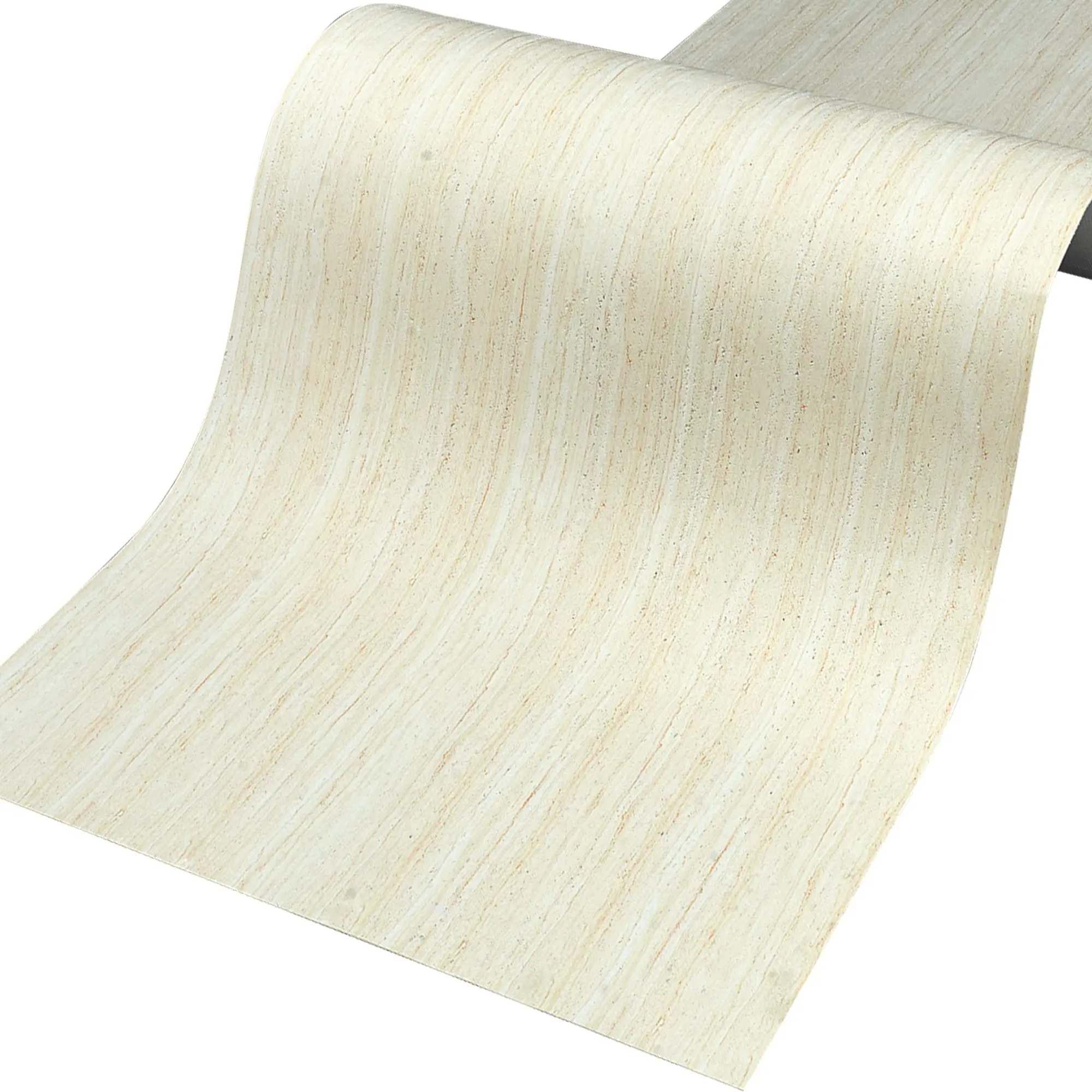
Not all MCM materials are created equal, and the best thread pattern for your home depends on your style, climate, and budget. Let's break down some top picks, including a few standout options that blend thread patterns with energy efficiency:
| Material | Thread Pattern Vibe | Energy Efficiency Boost | Best For... |
|---|---|---|---|
| MCM flexible stone | Organic, vein-like threads mimicking natural stone | High (air-pocket insulation + durable weather barrier) | Rustic or Mediterranean-style homes; areas with harsh winters |
| Wood grain board | Linear, warm threads like real wood grain | Medium-High (natural texture traps heat; lightweight for easy insulation layering) | Cottages, cabins, or homes craving a cozy, earthy feel |
| Foamed aluminium alloy board (vintage silver) | Sleek, metallic threads with a subtle sheen | High (reflective surface + foam core resists heat transfer) | Modern, minimalist homes; sunny climates (reduces heat absorption) |
| Fair-faced concrete | Subtle, industrial threads (think: gentle grooves or ridges) | Medium (dense material + texture slows heat loss) | Contemporary or urban homes; areas with extreme temperature swings |
| Travertine (starry blue) | Swirled, cosmic threads with a matte finish | Medium (natural stone texture + MCM backing adds insulation) | Statement exteriors; homes wanting a unique, artistic touch |
Take MCM flexible stone , for example. It's a favorite among homeowners who love the look of natural stone but hate the maintenance. The thread patterns here aren't just copied from stone—they're enhanced. The flexibility of MCM means the threads can be deeper, more pronounced, creating more air pockets for insulation. And since it's lighter than real stone, installers can add extra insulation layers behind it without worrying about structural strain.
Then there's wood grain board . If you've ever wished for the warmth of wood siding without the rot, warping, or constant painting, this is your material. The thread patterns here are so realistic, guests will do a double-take ("Is that real wood?"). But unlike real wood, MCM wood grain board with thread patterns resists moisture and pests, and the textured surface helps trap heat in winter. It's like bringing the coziness of a log cabin to a suburban home—without the upkeep.
And let's not sleep on foamed aluminium alloy board (vintage silver) . This one's for the modernists. The thread patterns here are sleek, almost futuristic—think of brushed metal with subtle linear grooves. The vintage silver finish reflects sunlight, keeping your home cooler in summer, while the foam core inside acts as a buffer against heat loss in winter. It's durable, scratch-resistant, and adds instant curb appeal to a home with clean lines.
So you're sold—now what? Installing MCM with thread patterns isn't a DIY weekend project (sorry, handy homeowners), but it's also not as invasive as you might think. Here's the lowdown:
Hire a pro who knows MCM. These materials are engineered, so you want someone familiar with their quirks. A good installer will make sure the threads line up evenly (no wonky patterns here!) and that the material is sealed properly to prevent moisture from sneaking in.
Think about your climate. In humid areas, opt for MCM with moisture-resistant backing (like foamed aluminium alloy board ). In snowy regions, go for thicker thread patterns that can trap more air (hello, MCM flexible stone ). Your installer can help you pick the right material for your weather.
Don't skimp on prep work. Even the best MCM won't perform if it's installed over a wonky wall. Make sure your home's sheathing is smooth, dry, and in good shape before installation. It's like painting a wall—primer matters!
Maintenance is a breeze. Unlike wood or brick, MCM with thread patterns doesn't need annual painting or sealing. A quick hose-down with mild soap once a year is usually enough to keep it looking fresh. No scrapers, no ladders, no hassle.
Still on the fence? Let's meet the Garcias, a family in Denver who swapped their old, drafty vinyl siding for MCM flexible stone with thread patterns last year. "We used to have to crank the heat to 72°F just to feel warm in winter," says Maria Garcia. "Now, we keep it at 68°F and it's toasty. Our gas bill dropped by $80 a month—that adds up!" Plus, she adds, "The stone look with those subtle threads? Our neighbors stop to compliment it all the time. It feels like we upgraded our home's 'curb appeal IQ.'"
Then there's the Nguyens in Phoenix, who chose foamed aluminium alloy board (vintage silver) with thread patterns. "Summers here are brutal—our old stucco would get so hot, the AC ran nonstop," says David Nguyen. "Now, the walls stay cool to the touch, and our electric bill is down 15%. And the vintage silver? It looks like something out of a design magazine. We didn't think we could have both style and savings, but here we are."
At the end of the day, your home's exterior should do more than just exist. It should protect you, save you money, and make you smile every time you pull into the driveway. MCM walls with thread patterns check all those boxes. They're a reminder that great design and great performance don't have to be enemies—in fact, they can be the best of friends.
So whether you're building a new home or giving your current one a facelift, think beyond flat, boring walls. Think threads. Think texture. Think energy efficiency. Your future self (and your wallet) will thank you.
Recommend Products












