
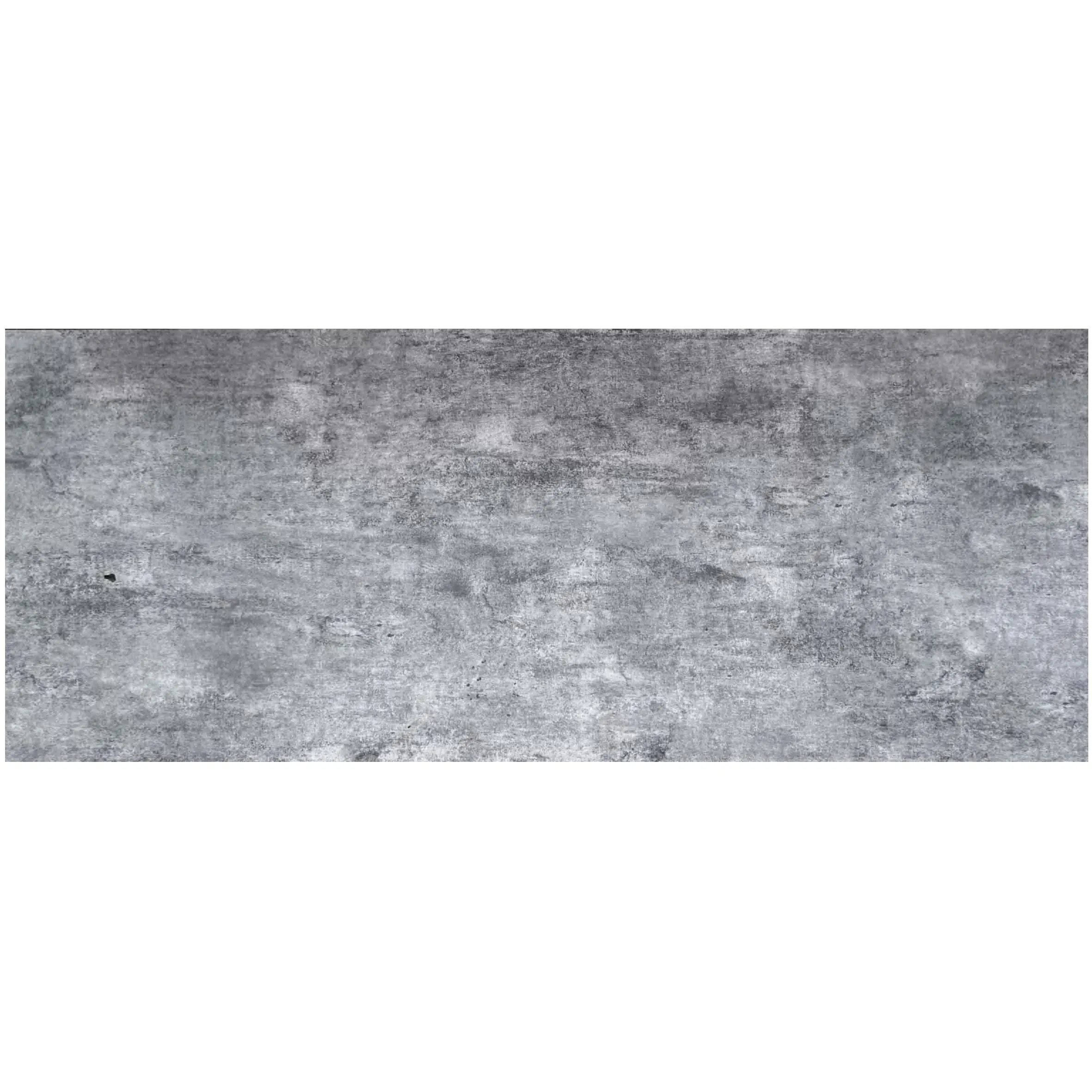
How Modern Materials Are Redefining Home Exteriors—One Durable, Stunning Surface at a Time
Walk up to any home, and the first thing you notice is its exterior. It's the silent storyteller of a house—hinting at the personality of those who live inside, standing as a barrier against the elements, and setting the tone for every arrival and departure. But for many homeowners, that exterior also comes with a hidden list of frustrations: cracked siding after a harsh winter, faded paint from relentless sun, or the endless cycle of repainting and repairing that eats into weekends and wallets. What if your home's exterior could do more than just look good? What if it could adapt, endure, and even improve with time, all while turning heads in the neighborhood? That's where COLORIA's innovations come in—specifically, the MCM Big Slab Board Series, polish concrete, and a lineup of flexible, weatherproof materials designed to transform how we think about residential exteriors.
In this article, we're diving deep into the world of modern exterior materials, exploring why traditional options often fall short, and how COLORIA's solutions—from the sleek durability of polish concrete to the versatile beauty of flexible stone—are changing the game. Whether you're building a new home, renovating an existing one, or simply daydreaming about a exterior that makes you proud, this is your guide to materials that don't just cover your home, but protect it, reflect your style, and stand the test of time.
Let's start with the basics: your home's exterior is more than just a pretty face. It's a functional shield, a financial investment, and an emotional anchor. Think about the last time you drove through a neighborhood—what made you slow down? Was it a house with peeling paint and a sagging roof, or one with crisp lines, rich textures, and a finish that looked fresh despite the season? Chances are, the latter stuck with you. That's the power of curb appeal—not just for resale value (though studies show it can boost a home's worth by 5-10%), but for how it makes you feel. Coming home to a space that looks cared for, intentional, and uniquely yours can turn a stressful day into a moment of calm before you even unlock the door.
But here's the catch: traditional exterior materials often force homeowners to choose between form and function. Wood siding is warm and inviting, but it warps, rots, and needs repainting every 3-5 years. Brick is durable, but it's heavy, inflexible, and can crack under freeze-thaw pressure. Standard concrete is tough, but it's prone to staining, can develop unsightly cracks, and lacks the design versatility to match modern architectural trends. And then there's the weather—rain, snow, UV rays, salt air (for coastal homes), and extreme temperatures—each element testing your exterior's resilience year after year. It's no wonder so many homeowners feel stuck in a cycle: invest in beauty and sacrifice durability, or prioritize toughness and lose out on style.
Enter COLORIA's approach: materials that refuse to compromise. The MCM Big Slab Board Series, polish concrete, fair-faced concrete, and flexible stone are engineered to check both boxes—delivering the aesthetics homeowners crave with the weatherproof, long-lasting performance they need. Let's break down why these materials are quickly becoming the go-to choice for homeowners who want more from their exteriors.
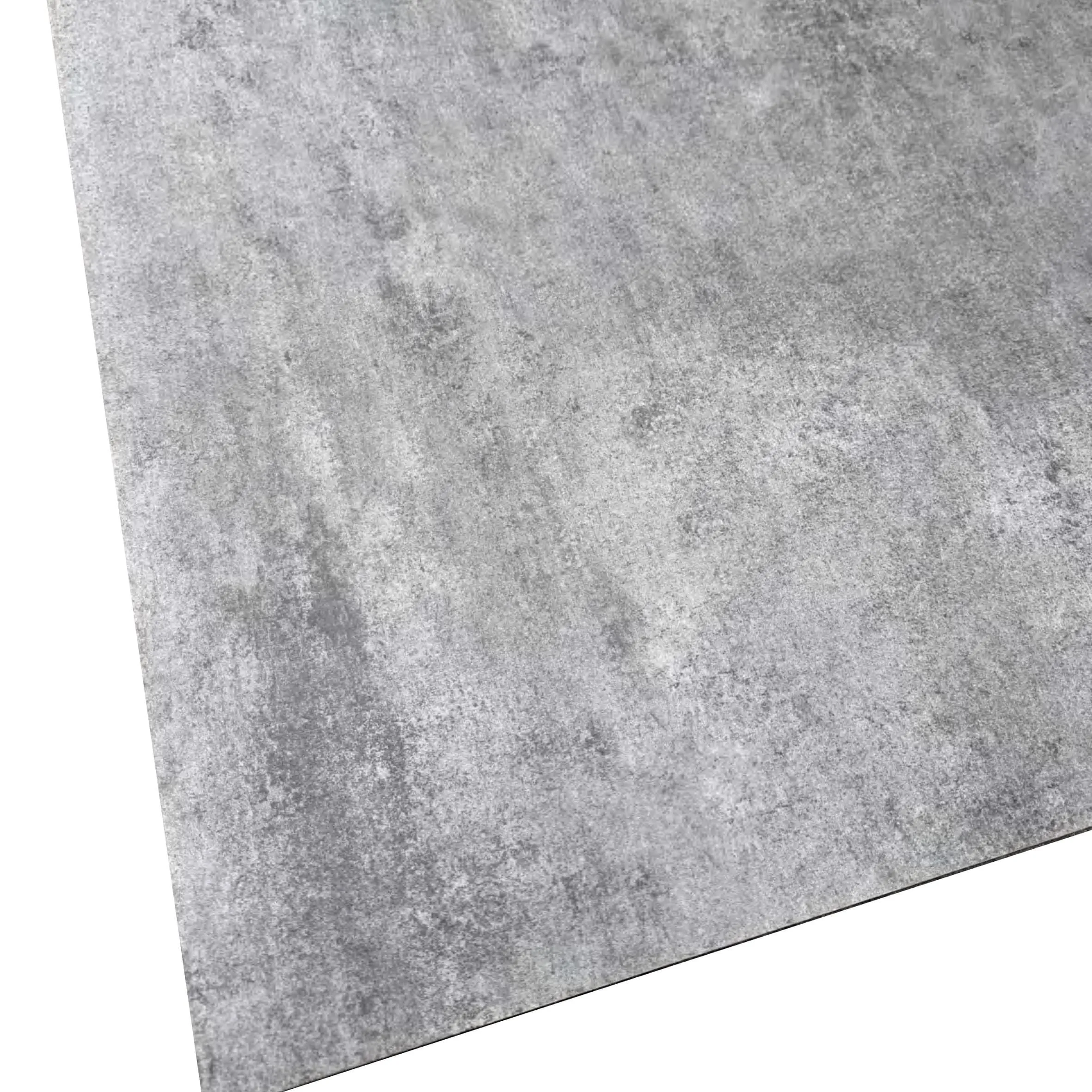
To understand why COLORIA's solutions are revolutionary, it helps to first look at the limitations of the materials we've relied on for decades. Let's take a closer look at three common options and the challenges they present:
Wood Siding: The Classic That Fades Fast —There's a reason wood has been a staple for centuries: it's natural, warm, and versatile. But in today's climate—with rising humidity, harsher storms, and longer heatwaves—wood struggles to keep up. Moisture seeps into cracks, leading to rot and mold. Pests like termites and carpenter ants see it as a buffet. And UV rays fade even the highest-quality stains, leaving your home looking tired long before its time. The result? Annual maintenance that eats into your budget and weekends spent sanding, staining, or replacing damaged planks. For homeowners in wet or coastal regions, wood often becomes more of a liability than a luxury.
Brick: The "Forever" Material That Isn't —Brick has a reputation for being indestructible, but that's a myth. While it's true that brick can last for decades, it's far from maintenance-free. Mortar—the material that holds bricks together—erodes over time, especially in areas with heavy rain or freeze-thaw cycles. Once mortar cracks, water seeps in, leading to interior damage, efflorescence (those white, powdery stains), and even structural issues. Repointing (replacing eroded mortar) is expensive and time-consuming, and brick offers little flexibility—if you want to update your home's style, you're stuck with the same red or tan facade unless you paint it (which then requires regular repainting, defeating the "low-maintenance" appeal).
Standard Concrete: Tough, but Tedious —Concrete is the workhorse of construction, prized for its strength and affordability. But traditional concrete exteriors (think gray, flat, and porous) come with their own set of headaches. It stains easily—oil from cars, leaves, even rainwater can leave permanent marks. It's prone to cracking, especially in regions with temperature fluctuations, as the material expands and contracts. And while it's durable, it's not exactly inspiring aesthetically. Homeowners often end up covering it with paint or stucco, adding another layer of maintenance to an already high-upkeep material.
The bottom line? Traditional materials force homeowners into a trade-off: either spend time and money maintaining a look they love, or settle for something low-maintenance but lacking personality. But what if there was a third option—materials that offer the best of both worlds? That's where COLORIA's MCM Big Slab Board Series, polish concrete, and flexible stone come into play.
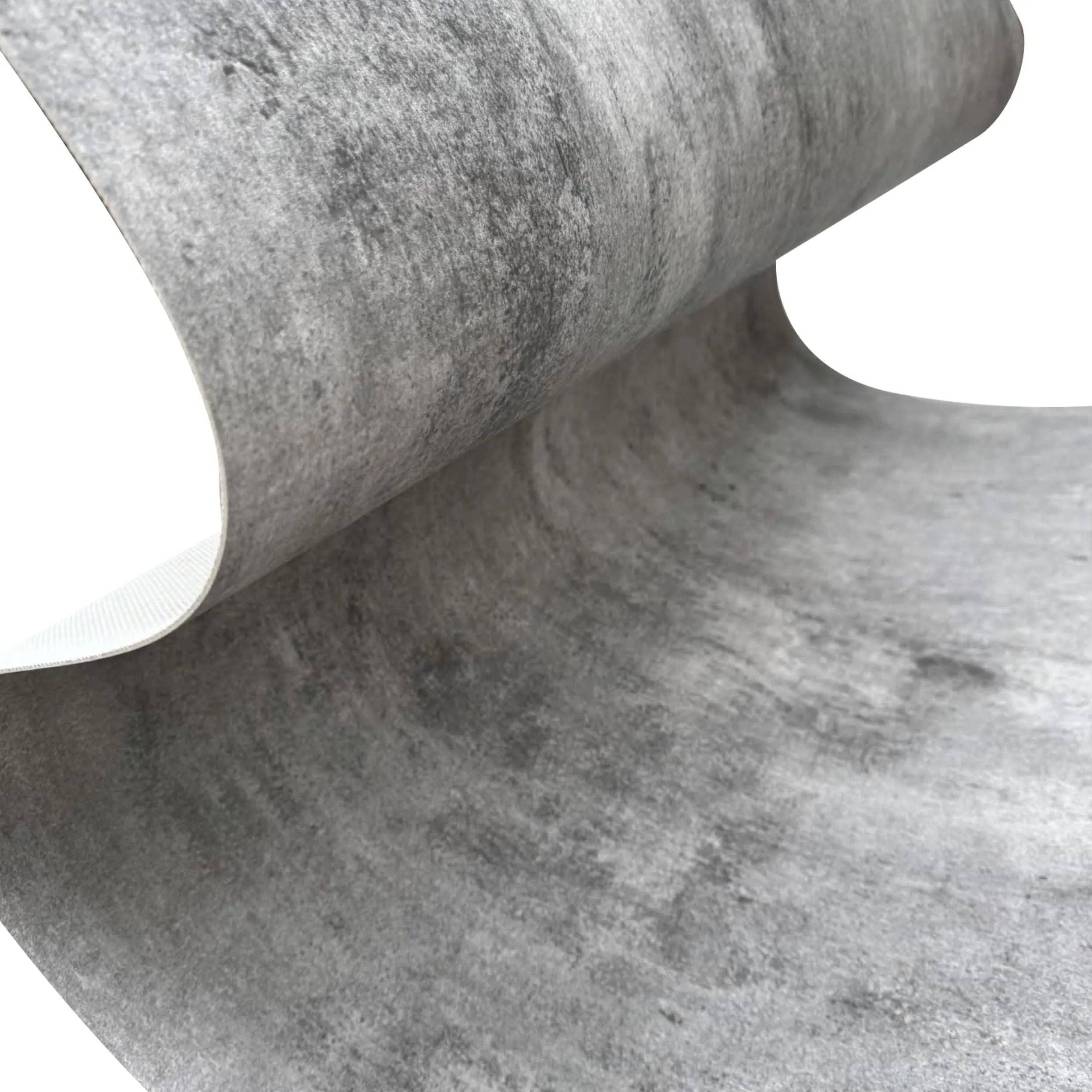
Imagine a material that's lighter than stone, stronger than traditional concrete, flexible enough to follow curved architectural lines, and available in a range of textures and colors that mimic everything from natural travertine to industrial fair-faced concrete. That's the MCM Big Slab Board Series in a nutshell. MCM, or Modified Composite Material, is a cutting-edge blend of natural minerals, polymers, and reinforcing fibers engineered to address the flaws of traditional materials. Let's break down what makes it a game-changer for residential exteriors.
At its core, MCM is a composite material designed to replicate the look and feel of natural stone, concrete, or wood—without the weight, porosity, or brittleness. The "Big Slab" in the name refers to its size: panels can be as large as 1200x2400mm, reducing the number of seams and creating a sleek, seamless exterior. But size is just the start. MCM is created using a high-pressure, low-temperature process that bonds layers of mineral aggregates and polymers, resulting in a material that's 70% lighter than natural stone (making installation faster and easier) but 300% more impact-resistant. It's also non-porous, meaning it won't absorb water, resist stains, and won't crack under freeze-thaw conditions—a critical feature for homeowners in cold climates.
But what really sets the MCM Big Slab Board Series apart is its versatility. COLORIA offers dozens of finishes, from the raw, industrial charm of fair-faced concrete to the subtle shimmer of lunar peak silvery, and even the organic texture of bamboo mat board. Want the look of weathered wood without the rot? There's a wood grain board finish. Dreaming of a coastal home with the look of travertine but worried about saltwater corrosion? The travertine (vintage silver) or travertine (starry blue) options mimic natural stone but stand up to harsh coastal conditions. And because MCM is flexible (it can bend up to 30 degrees without breaking), it's perfect for unique architectural details—arched doorways, curved walls, or custom facade designs that would be impossible with rigid materials like brick or standard concrete.
Take, for example, a homeowner in Portland, Oregon—a region known for its rainy, mild winters and dry summers. Traditional wood siding in Portland often succumbs to rot and mold within 5-7 years, but a home clad in COLORIA's MCM Big Slab with a fair-faced concrete finish has remained crisp and crack-free for over a decade. "We used to repaint our old wood siding every two years," says Sarah, a homeowner in Southeast Portland. "Now, with the MCM panels, we hose it down once a year, and it still looks like the day it was installed. And I love that it has that raw, minimalist look I wanted—no more hiding behind paint."
Another example: a family in Colorado, where temperature swings of 40+ degrees in a single day are common. Their previous brick exterior developed cracks within three years due to freeze-thaw cycles, but after switching to COLORIA's MCM Big Slab in lunar peak silvery, they've seen zero damage—even after harsh winters. "The flexibility is key," explains Mark, their contractor. "Traditional brick can't expand and contract like MCM can. These panels move with the temperature changes, so they don't crack. Plus, that silvery finish catches the Colorado sunlight beautifully—it's like the house glows at sunset."
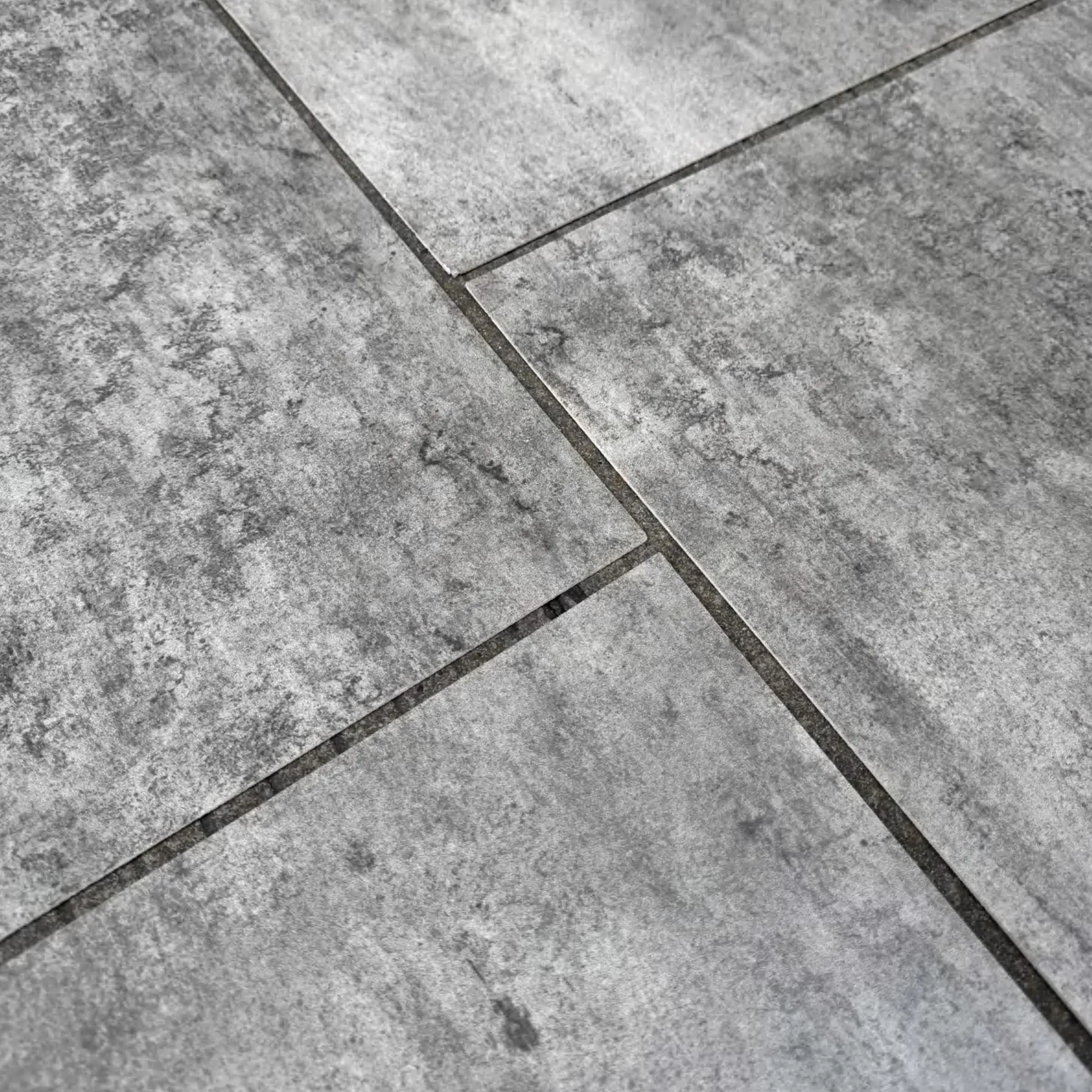
When you hear "polish concrete," you might picture industrial warehouses or modern art galleries—not residential exteriors. But in recent years, polish concrete has exploded in popularity among homeowners craving a sleek, minimalist look that's as durable as it is stylish. And COLORIA's take on polish concrete takes it to the next level, combining the material's inherent strength with innovative finishes that make it perfect for homes.
So, what exactly is polish concrete? Unlike standard concrete, which is poured and left to cure (often porous and dull), polish concrete is treated with a series of abrasives and sealers to create a smooth, glossy surface. COLORIA's polish concrete takes this a step further by integrating pigments, stains, and aggregates into the mix, resulting in finishes that range from a subtle matte to a high-gloss sheen, with options like charcoal, beige, or even metallic flecks for added depth. The result is a surface that looks like polished stone but costs a fraction of the price and requires minimal maintenance.
One of the biggest advantages of polish concrete exteriors is their resistance to the elements. The sealing process makes the surface non-porous, so it repels water, oil, and stains. UV rays won't fade it, and it's impervious to mold and mildew. For homeowners in sunny regions like Arizona or Florida, this means no more faded paint or sun-bleached wood—just a surface that stays vibrant year after year. In rainy areas, it won't absorb water, reducing the risk of cracks or water damage. And because it's so dense, it's highly resistant to scratches and impact, making it ideal for homes with kids, pets, or heavy foot traffic.
But polish concrete isn't just about durability—it's about design. Its sleek, uniform surface acts as a blank canvas, allowing homeowners to play with texture and contrast. Pair it with warm wood accents for a modern-rustic vibe, or use it as a backdrop for bold landscaping (think vibrant succulents or a colorful front door). COLORIA offers polish concrete in a range of tones, from the classic "polish concrete" gray to warmer hues like beige and even subtle pastels, ensuring it complements any architectural style—from mid-century modern to contemporary.
Take the case of a couple in Los Angeles who wanted to update their 1960s ranch home with a modern twist. They chose COLORIA's polish concrete in a light gray finish for the exterior walls, paired with black metal windows and a wooden front porch. "We wanted something that felt timeless but fresh," says Maria, the homeowner. "Polish concrete was the perfect choice—it's clean, it doesn't show dust (which is a big deal in LA), and it makes the whole house feel bigger and brighter. We get compliments all the time from neighbors who thought we'd done a full rebuild, but it was just new siding."
Another bonus? Polish concrete is eco-friendly. COLORIA's process uses recycled materials in the mix, and because it's low-maintenance, it reduces the need for harmful paints or sealers over time. For homeowners looking to reduce their environmental footprint, it's a win-win: a durable, stylish exterior that's also kind to the planet.
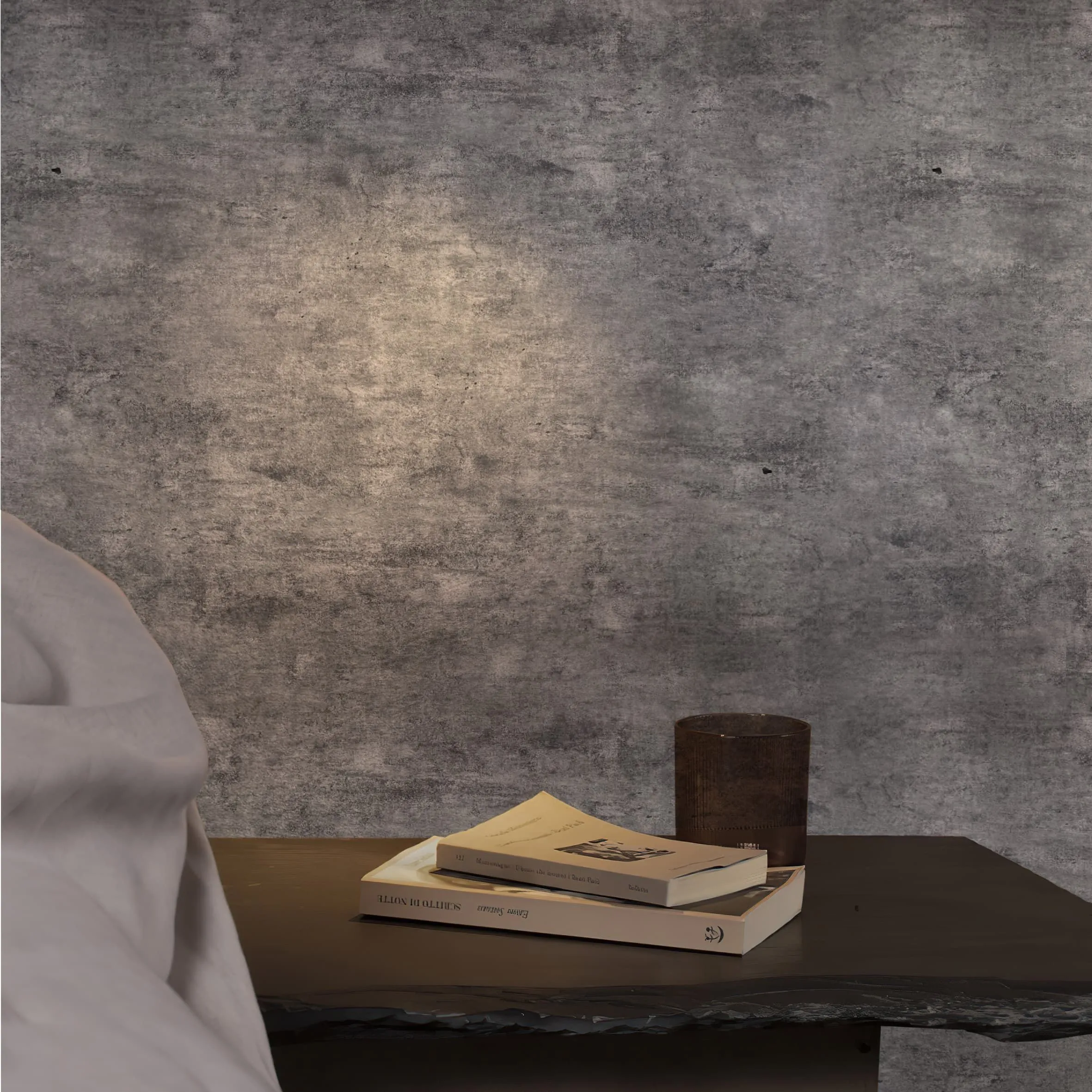
When most people think of stone exteriors, they picture heavy, rigid slabs that are difficult to install and impossible to shape. But COLORIA's flexible stone turns that idea on its head. As the name suggests, flexible stone is a thin, lightweight material that mimics the look and texture of natural stone—think travertine, slate, or marble—but can bend and flex without cracking. It's a game-changer for homeowners who want the beauty of natural stone but need a material that can adapt to unique designs or challenging environments.
Flexible stone is made by grinding natural stone into a fine powder, mixing it with polymers and fibers, and then pressing it into thin sheets (as thin as 2-3mm). The result is a material that looks and feels like real stone but weighs a fraction of the real thing (about 5kg per square meter, compared to 25kg for natural stone). This light weight makes installation faster and easier—no need for heavy machinery or reinforced structures—and reduces the load on your home's foundation. But the real magic is its flexibility: flexible stone can bend up to 90 degrees, making it ideal for curved walls, archways, columns, or even custom 3D-printed architectural details (part of COLORIA's 3D Printing Series, which we'll touch on later).
For homeowners with unique architectural visions, flexible stone is a dream come true. Imagine a home with a curved entryway clad in travertine (starry green), its surface rippling like water as it leads to the front door. Or a modern home with a facade that combines sharp angles and soft curves, all covered in the same cohesive stone texture. With traditional stone, these designs would be cost-prohibitive or impossible; with flexible stone, they're achievable.
But flexibility isn't just about aesthetics—it's about durability, too. Because flexible stone is thin and lightweight, it's less prone to cracking under stress. In areas with seismic activity, for example, flexible stone can move with the home during a tremor, reducing the risk of damage. In coastal regions, its non-porous surface resists saltwater corrosion, and its light weight means it's less likely to be damaged in high winds. And like the MCM Big Slab Series, it's available in a range of finishes, from the earthy tones of rust square line stone to the celestial shimmer of starmoon stone, ensuring there's a look for every style.
Consider a homeowner in Hawaii who wanted the look of natural lava stone for their beachfront home but was worried about the weight and cost of real stone. They opted for COLORIA's flexible stone in a dark gray, textured finish that mimics lava rock. "Real lava stone is heavy and porous—saltwater would have eaten through it in no time," says the homeowner, Jake. "Flexible stone looks identical, but it's light enough that we didn't need to reinforce the walls, and it wipes clean with a hose. After three hurricane seasons, it still looks brand new."
Flexible stone also offers a solution for homeowners looking to update their exterior without a full renovation. Because it's thin and lightweight, it can be installed over existing surfaces (like old brick or concrete), saving time and money. A family in Chicago, for example, covered their outdated 1980s brick exterior with flexible stone in a light beige travertine finish, instantly transforming their home from "dated" to "Mediterranean-inspired" in just a week. "We didn't want to tear down the brick—it's still structurally sound—but we hated the color," says Lisa, the homeowner. "Flexible stone was the perfect middle ground. It looks like we installed real travertine, but it was a fraction of the cost and done in days, not weeks."
In recent years, there's been a shift toward "raw" aesthetics—think exposed brick, natural wood, and yes, fair-faced concrete. Also known as "architectural concrete," fair-faced concrete is a finish that leaves the concrete's natural texture and color exposed, without paint or stucco. It's a look that's equal parts industrial and organic, and COLORIA's take on fair-faced concrete elevates it even further, with precise control over texture, color, and finish.
Traditional fair-faced concrete can be hit-or-miss—if not mixed or poured correctly, it can look uneven, porous, or dull. COLORIA's fair-faced concrete, however, is part of the MCM Big Slab Board Series, meaning it's engineered for consistency and performance. The panels are factory-made, ensuring uniform color and texture, and the MCM composite material ensures it's non-porous, stain-resistant, and weatherproof. The result is a finish that looks like it was poured on-site by a master craftsman, but with the durability and low maintenance of a composite material.
What makes fair-faced concrete so appealing? It's the contrast between its industrial roots and its ability to feel warm and inviting. The subtle variations in texture—tiny air bubbles, fine aggregates, the smoothness of the surface—create depth and interest, making it far from the "cold" concrete of parking garages. It pairs beautifully with natural materials like wood and plants, softening its industrial edge, and it's neutral enough to complement any color scheme. Whether you're going for a modern, minimalist look or a rustic, warehouse-chic vibe, fair-faced concrete fits.
For homeowners in urban areas, fair-faced concrete is a particularly smart choice. Its neutral tone blends with cityscapes, and its durability stands up to the wear and tear of urban living (think pollution, foot traffic, and the occasional stray graffiti—easily cleaned off with a pressure washer). In rural areas, it contrasts beautifully with natural surroundings, its gray tones echoing stone and rock formations.
A couple in Brooklyn, New York, used COLORIA's fair-faced concrete MCM panels to clad their townhouse exterior, pairing it with black metal windows and a lush green roof. "We wanted something that felt grounded in the city's industrial history but still fresh," says David, the homeowner. "Fair-faced concrete was the perfect choice—it's tough enough for the city, but the texture adds warmth. People walk by and touch it all the time—they can't believe it's not real poured concrete."
And like all of COLORIA's materials, fair-faced concrete is designed to last. Unlike traditional poured concrete, which can crack or stain, COLORIA's MCM fair-faced panels are resistant to freeze-thaw cycles, UV rays, and moisture. They require minimal maintenance—just an occasional rinse with water—and they won't fade or discolor over time. For homeowners who want a "set it and forget it" exterior, fair-faced concrete delivers.
Still on the fence about whether COLORIA's materials are right for your home? Let's put them head-to-head with traditional options in a table that breaks down durability, maintenance, aesthetics, and more. This side-by-side comparison will help you see why so many homeowners are making the switch.
| Material | Durability (Expected Lifespan) | Weather Resistance | Maintenance Needs | Flexibility (Design Versatility) | Aesthetic Options | Weight (Installation Ease) |
|---|---|---|---|---|---|---|
| Traditional Wood Siding | 10-15 years (with regular maintenance) | Poor (rots, warps, fades in moisture/UV) | High (annual staining/painting, repairs) | Medium (can be cut to shape, but not flexible) | Limited (wood tones, requires paint for color) | Medium (requires structural support) |
| Brick | 50+ years (but mortar erodes every 15-20 years) | Good (resists moisture, but mortar fails) | Medium-High (repointing every 15-20 years, painting if desired) | Low (rigid, limited to straight lines) | Limited (natural brick colors, or painted) | High (requires reinforced foundation) |
| Standard Concrete | 20-30 years (prone to cracking) | Medium (porous, stains, cracks in freeze-thaw) | Medium (sealing every 2-3 years, stain removal) | Low (rigid, limited textures) | Low (gray, can be stained but fades) | High (heavy, requires thick slabs) |
| COLORIA MCM Big Slab (Fair-Faced Concrete Finish) | 50+ years (no mortar, resistant to cracking) | Excellent (non-porous, UV/freeze-thaw resistant) | Low (hose down occasionally, no sealing/painting) | High (flexible, can bend for curves, large slabs for seamless look) | High (fair-faced, travertine, lunar peak, and more) | Low (70% lighter than natural stone/concrete) |
| COLORIA Polish Concrete | 50+ years (sealed surface resists wear) | Excellent (non-porous, stain/UV resistant) | Low (occasional cleaning, no repainting) | High (seamless slabs, custom colors/pigments) | High (matte to high-gloss, range of neutrals and hues) | Low (lightweight composite panels) |
| COLORIA Flexible Stone | 40+ years (flexible, impact-resistant) | Excellent (resists saltwater, UV, moisture) | Low (hose down, no sealing) | Very High (bends up to 90 degrees, thin for unique shapes) | High (mimics travertine, slate, rust stone, and more) | Very Low (2-3mm thick, lightweight) |
As the table shows, COLORIA's materials outperform traditional options across the board—offering longer lifespans, better weather resistance, lower maintenance, and more design flexibility, all while being lighter and easier to install. It's no wonder homeowners are making the switch.
While the MCM Big Slab Board Series, polish concrete, and flexible stone are stars of the show, COLORIA offers a wide range of exterior materials to suit every taste and need. Let's take a quick tour of some of the other standout options that are transforming residential exteriors:
Lunar Peak Series —For homeowners who want a touch of metallic elegance, the Lunar Peak Series (silvery, golden, black) offers a subtle shimmer that catches the light without being flashy. These finishes mimic the look of polished metal but with the durability of MCM, making them perfect for accent walls, entryways, or entire facades. Imagine a home with a lunar peak silvery exterior that glows softly at dawn, or a lunar peak golden accent wall that warms up a modern gray facade.
Foamed Aluminium Alloy Board Series —For a sleek, industrial look with a metallic twist, the Foamed Aluminium Alloy Board Series (vintage silver, vintage gold, gold) is a standout. These lightweight panels have a matte, brushed finish that mimics aged metal, adding depth and texture to exteriors. They're particularly popular in modern and contemporary designs, where their metallic sheen contrasts beautifully with wood or concrete elements.
Rammed Earth Board Series —If you're drawn to earthy, natural textures, the Rammed Earth Board Series is for you. Available in a range of colors (white, middle, matcha green, gradient, red, light yellow, khaki), these panels mimic the look of traditional rammed earth—layered, textured, and warm—without the weight and maintenance of the real thing. They're perfect for rustic, desert-inspired, or eco-friendly homes, adding a connection to the natural world.
3D Printing Series —For homeowners who want to push the boundaries of design, COLORIA's 3D Printing Series allows for custom, three-dimensional textures and patterns. From geometric shapes to organic, wave-like patterns (like the wave panel or ripple board), these panels add visual interest and depth, turning a simple exterior into a work of art. And because they're made with MCM, they're just as durable and weatherproof as the rest of COLORIA's lineup.
Travertine Series —For the timeless beauty of natural travertine, COLORIA's Travertine Series offers a range of options, from classic beige to vintage silver, gold, black, and even starry hues (starry green, red, orange, blue). These finishes mimic the porous, pitted texture of natural travertine but with the added benefits of MCM—non-porous, stain-resistant, and lightweight. Whether you're going for a Mediterranean villa vibe or a modern take on classic stone, the Travertine Series delivers.
At this point, you might be wondering: "This all sounds great, but is it worth the investment?" The short answer is yes—and homeowners who have made the switch agree. Let's hear from a few more of them to understand why COLORIA's materials are more than just a trend; they're a long-term investment in your home's beauty, durability, and value.
"We live in upstate New York, where winters are brutal—snow, ice, below-zero temperatures. Our old vinyl siding was cracked and faded after just five years, and we were tired of replacing it. We switched to COLORIA's MCM Big Slab in lunar peak silvery, and it's been a game-changer. After two harsh winters, there's not a single crack or scratch. The color hasn't faded, and it's so easy to clean—we just spray it off in the spring, and it looks new again. Best of all, our heating bills have even gone down a bit—apparently the MCM has better insulation properties than vinyl. Worth every penny."
— Karen & Mike, Upstate New York Homeowners
"As a designer, I'm always looking for materials that combine form and function. When I was designing my own home, I knew I wanted something bold but low-maintenance. COLORIA's flexible stone in travertine (starry blue) was the perfect choice. I used it on the curved wall of my entryway, and it's become the focal point of the house. People can't believe it's not real stone—they run their hands over it, trying to figure out how it bends. And since I live in a coastal area, I love that it's resistant to saltwater. No more worrying about corrosion or fading. It's beautiful, durable, and totally unique."
— Jessica, Interior Designer & Homeowner, Charleston, SC
"We were hesitant to spend the money on a new exterior—our old brick was still standing, after all. But after seeing COLORIA's fair-faced concrete panels on a friend's house, we took the plunge. The transformation is incredible. Our home went from looking dated and drab to modern and sophisticated. The installers were in and out in three days, and we haven't had to lift a finger since. No more repointing mortar, no more painting—just a beautiful, textured exterior that gets compliments every time someone visits. And when we had our home appraised last year, the appraiser said the new exterior added $25,000 to our home's value. That's a return on investment we didn't even consider."
— Tom & Lisa, Homeowners, Denver, CO
The common thread in these stories? COLORIA's materials deliver on their promise: they look stunning, stand up to the elements, and require minimal maintenance. They turn homes into something to be proud of—spaces that reflect their owners' style while protecting what matters most.
Your home's exterior is more than just a shell—it's a statement, a shield, and a source of pride. For too long, homeowners have been stuck choosing between beauty and durability, between style and practicality. But with COLORIA's innovations—the MCM Big Slab Board Series, polish concrete, flexible stone, and beyond—those trade-offs are a thing of the past.
Whether you're drawn to the sleek modernity of polish concrete, the organic warmth of flexible stone, the industrial chic of fair-faced concrete, or the metallic elegance of the Lunar Peak Series, COLORIA offers materials that don't just cover your home—they enhance it. Materials that stand up to rain, snow, UV rays, and time. Materials that require minimal maintenance, freeing up your weekends for the things you love. Materials that turn your home into a reflection of you.
So, what are you waiting for? It's time to stop settling for exteriors that fade, crack, or require constant care. It's time to invest in a material that works as hard as you do—one that protects your home, elevates its style, and makes you proud every time you pull into the driveway. With COLORIA, your home's exterior isn't just a surface—it's a legacy.
Ready to transform your home? Explore COLORIA's full range of exterior solutions today, and discover how modern materials can turn your vision into reality.
Recommend Products












