
Elevating Curb Appeal with Materials That Blend Beauty, Durability, and Authenticity
When you pull up to a home, what's the first thing you notice? For many, it's the garage door. It spans a significant portion of the home's facade, acting as a silent storyteller of the property's personality—whether that's modern sleekness, rustic charm, or timeless elegance. In fact, real estate experts often note that a well-designed garage door can boost curb appeal by up to 40%, making it one of the most impactful exterior upgrades a homeowner can invest in. But here's the catch: while functionality (security, insulation, ease of use) is non-negotiable, today's homeowners crave more. They want a garage door that doesn't just work hard, but looks alive —a material that feels intentional, textured, and uniquely theirs. This is where COLORIA MCM steps in, redefining what a garage door can be with innovations like poly wood board, wood grain board, and bamboo mat board—all brought to life through the power of real photos.
For decades, homeowners have been stuck choosing between a handful of conventional garage door materials, each with its own set of trade-offs. Let's break down the most common options and the headaches they often bring:
Solid wood garage doors are undeniably stunning. They exude warmth, with natural grains and rich tones that complement everything from colonial homes to mountain cabins. But that beauty comes at a cost—both financially and in upkeep. Real wood is prone to warping in humidity, rotting in heavy rain, and cracking in extreme temperatures. A single storm can leave unsightly water stains, and without annual sanding, staining, and sealing, even the priciest oak or cedar door will start to look tired within a few years. For busy families or those in harsh climates, wood often becomes more of a burden than a luxury.
Steel or aluminum garage doors are marketed as the "practical" choice. They're strong, resistant to dents (to a point), and relatively affordable. But walk down any suburban street, and you'll notice a pattern: metal doors tend to blend into the background, lacking the texture and warmth that make a home feel inviting. Worse, they're prone to rust in coastal areas, and their smooth, flat surfaces show fingerprints, scratches, and dents all too easily. Even "wood-look" metal doors often fall flat, with printed grain patterns that feel plasticky and artificial—nothing like the real thing.
Fiberglass doors were supposed to be the middle ground: lightweight, low-maintenance, and designed to mimic wood. But in reality, they often miss the mark. The material is prone to fading in direct sunlight, turning a dull, chalky shade within a few years. The "wood grain" texture is shallow and unconvincing, and while they resist rot, they can crack if hit by a stray basketball or a heavy branch. For homeowners who care about aesthetics, fiberglass feels like a settle—not a solution.
The problem is clear: traditional materials force homeowners to choose between beauty and practicality. But what if you didn't have to? What if there was a material that offered the warmth of wood, the durability of metal, and the low maintenance of fiberglass—all while looking authentically, unapologetically real? That's where COLORIA MCM's poly wood board comes in.
COLORIA MCM isn't just a manufacturer of building materials—it's a pioneer in merging technology with nature. Known for their innovative project board series, 3D printing series, and flexible stone solutions, the brand has made a name for itself by creating products that don't just look real—they feel real. Their secret? A commitment to texture, color accuracy, and the belief that building materials should tell a story. Nowhere is this more evident than in their poly wood board, a game-changer for residential garage doors.
But before we dive into poly wood board, let's clarify what makes COLORIA MCM different. Unlike brands that rely on computer-generated renders or heavily edited photos to sell their products, COLORIA MCM leans into authenticity . Their "real photos" initiative means every product image—from close-ups of texture to full-door installations—is taken in natural light, with no filters or enhancements. This isn't just a marketing tactic; it's a promise to homeowners: what you see is exactly what you'll get. No surprises, no letdowns, just materials that look as good in person as they do on screen.
At the heart of COLORIA MCM's garage door revolution is poly wood board—a composite material that marries the best of natural wood and modern engineering. Let's break down what makes it so special:
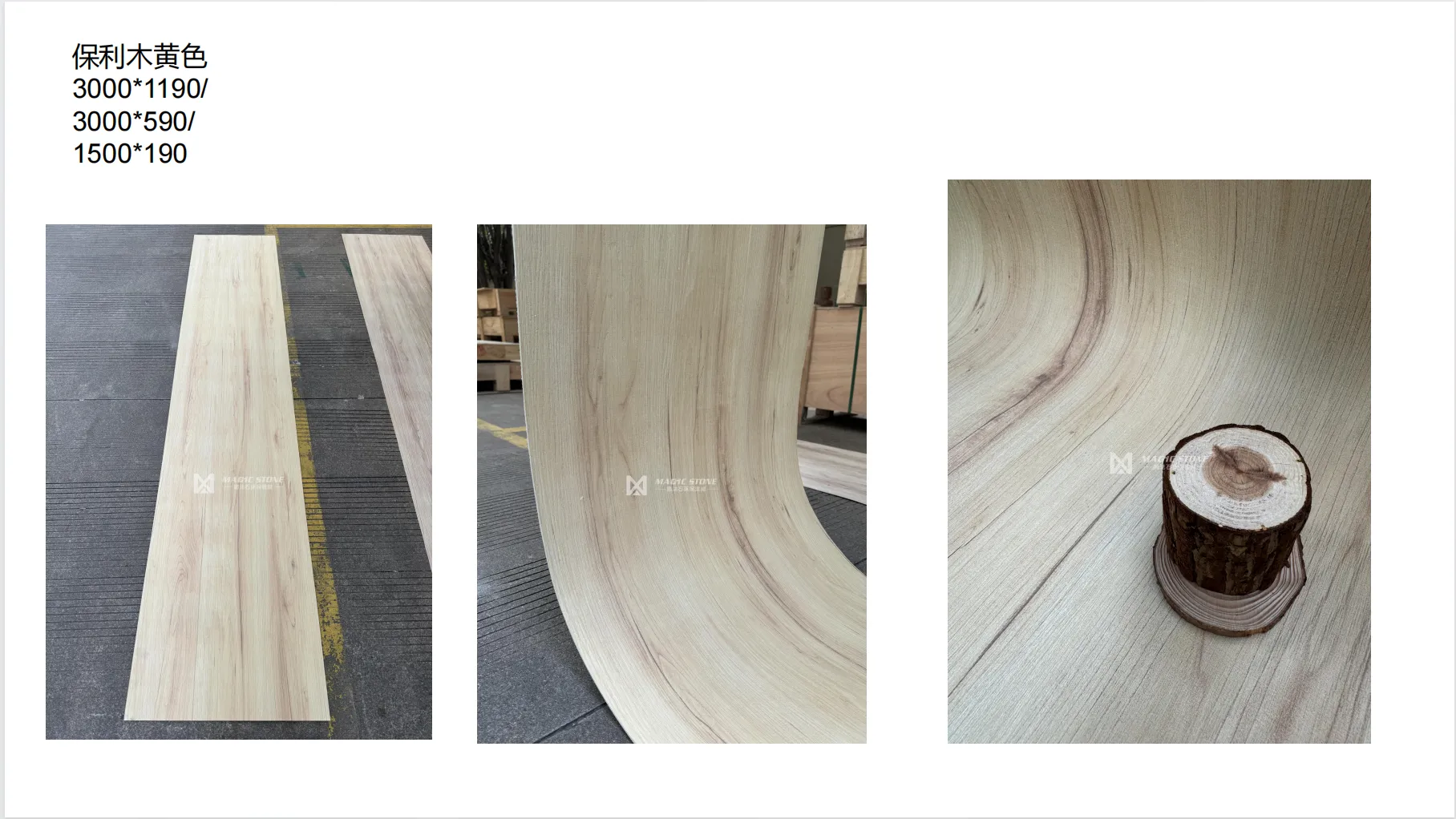
Poly wood board starts with a blend of recycled wood fibers and high-density polymers, fused together using advanced molding techniques. The result? A surface that captures the essence of wood—deep, swirling grains, subtle knots, and even the slight imperfections that make natural wood so charming. Run your hand over it, and you'll feel the texture: not too smooth, not too rough, just the gentle ridges of a well-aged plank. Unlike printed metal or fiberglass, the grain here is three-dimensional —you can see shadows in the crevices and catch light on the raised edges, just like real wood.
COLORIA MCM offers poly wood board in a range of tones, from warm honey oaks to rich walnut browns, and even cooler greys for modern homes. Each shade is developed to mimic the natural variation of wood, so no two doors look exactly alike. For example, their "vintage oak" poly wood board features golden undertones with darker streaks, while "charcoal walnut" leans into deep, moody hues with hints of purple—perfect for a contemporary facade.
What truly sets poly wood board apart is its resilience. Unlike real wood, it won't warp, rot, or crack—even in the wettest, hottest, or coldest climates. The polymer base resists moisture, so rain, snow, and humidity are no match. UV inhibitors in the material prevent fading, ensuring that vibrant oak or walnut tone stays true for decades, not just years. And unlike metal, poly wood board is dent-resistant; a stray soccer ball or a gust of wind slamming a branch against it won't leave a permanent mark. It's also termite-proof, making it ideal for homes in bug-prone areas.
Here's where COLORIA MCM's commitment to authenticity shines brightest: their poly wood board real photos. These aren't stock images or artist's renderings—they're high-resolution shots of actual doors, taken in different lighting conditions (morning sun, afternoon shade, overcast skies) to show how the color and texture shift throughout the day. Close-up photos zoom in on the grain, capturing details like tiny splits in the "wood" fibers or the way light dances on a knot. Full-door shots show how the material looks against different siding types—brick, stucco, vinyl—and with various hardware styles, from black modern handles to brass carriage hinges.
Take, for example, a homeowner in Seattle considering poly wood board for their craftsman-style home. They're worried about how the "vintage pine" shade will look next to their red brick exterior. Instead of relying on a generic swatch, COLORIA MCM provides real photos of a completed installation in Seattle: the same brick, the same door style, even the same Pacific Northwest light. The photos reveal that the pine's warm yellow tones complement the brick's reds, creating a cohesive, inviting look. That level of detail turns uncertainty into confidence.
While poly wood board is a standout, COLORIA MCM offers a range of complementary materials that let homeowners mix, match, and customize their garage doors to perfection. Let's explore two fan favorites that pair beautifully with poly wood board:
For homeowners craving a more pronounced, "hand-hewn" look, wood grain board is the answer. This material takes the natural texture of poly wood board up a notch, with deeper grooves, more dramatic grain patterns, and even simulated "axe marks" that evoke the feel of a barn door or a mountain cabin. It's ideal for rustic, farmhouse, or cottage-style homes, where a weathered, lived-in aesthetic is key.
COLORIA MCM's wood grain board comes in shades like "cedar driftwood" (a silvery-grey with warm undertones) and "hickory bark" (rich brown with black striations). When paired with poly wood board—say, wood grain board as the main panel and poly wood as the trim—it adds depth and visual interest without overwhelming the design. And like poly wood, it's backed by COLORIA MCM's real photos, so you can see exactly how those deep grooves will catch the light at dawn or dusk.
On the opposite end of the spectrum is bamboo mat board—a material that leans into clean lines and subtle texture. Inspired by traditional bamboo weaving, it features delicate, parallel grooves that add a hint of organic pattern without the busyness of wood grain. It's perfect for modern, minimalist, or Asian-inspired homes, where simplicity and sophistication are priorities.
Bamboo mat board is available in neutral tones like "natural bamboo" (pale yellow with green undertones) and "smoked bamboo" (deep brown with charcoal streaks). Imagine it paired with poly wood board in a high-contrast look: a bamboo mat board frame with poly wood panel inserts, finished with black slimline hardware. The result is a door that feels both warm (thanks to the poly wood) and crisp (thanks to the bamboo mat's linear texture). Again, real photos make this vision tangible—COLORIA MCM's gallery includes shots of bamboo mat board doors in full sunlight, where the grooves cast soft shadows, adding depth to an otherwise sleek surface.
Still on the fence? Let's put COLORIA MCM's materials head-to-head with traditional options to see how they stack up:
| Feature | Poly Wood Board | Wood Grain Board | Bamboo Mat Board | Real Wood | Metal (Steel) |
|---|---|---|---|---|---|
| Aesthetic Appeal | Realistic wood texture, natural variation | Deep, rustic grain with simulated axe marks | Sleek, linear bamboo-inspired grooves | Authentic but uniform; limited color options | Flat, smooth; "wood-look" prints feel artificial |
| Durability | Resists warping, rot, dents, and UV fading | Same as poly wood; deep grooves don't compromise strength | High impact resistance; no cracking or splitting | Prone to warping, rot, and insect damage | Scratches and dents easily; rusts in moisture |
| Maintenance | Wipe clean with soap and water; no staining/sealing | Same as poly wood; grooves self-clean in rain | Minimal upkeep; dusts off easily | Annual sanding, staining, and sealing required | Occasional repainting; rust removal needed |
| Eco-Friendliness | Made with recycled wood fibers and polymers | Same as poly wood; sustainable manufacturing | Recycled materials; low VOC emissions | Requires cutting down trees; high carbon footprint | Energy-intensive production; non-recyclable in some cases |
| Real Photos Available? | Yes—high-res, unedited shots in natural light | Yes—close-ups of texture and full installations | Yes—shots of shadow play in grooves | Yes, but varies by supplier; often stock images | Rarely—most are renders or generic photos |
One of the biggest advantages of COLORIA MCM's materials is their flexibility—literally and figuratively. Whether you have a standard single-car garage or a custom double-door with arched windows, there's a way to make poly wood board, wood grain board, or bamboo mat board work for you.
COLORIA MCM manufactures panels in standard sizes (8x7ft, 9x7ft, 16x7ft) but also offers custom cutting for non-traditional openings. Need a door with a curved top to match your home's arched entryway? No problem. Their 3D printing series even allows for intricate shapes, like panel cutouts or decorative borders, without sacrificing durability.
The right hardware can elevate a garage door from "nice" to "stunning," and COLORIA MCM's materials pair beautifully with just about any style. For a modern look, opt for black powder-coated handles and hinges with clean lines. For a rustic vibe, brass carriage bolts or wrought-iron straps add character. Even windows—frosted, clear, or stained glass—integrate seamlessly, with poly wood board frames that match the door's texture for a cohesive look.
Worried about coordinating your garage door with your front door, shutters, or roof? COLORIA MCM offers custom color matching for poly wood board and bamboo mat board. Send in a sample of your siding or a paint chip, and their team will create a shade that blends perfectly. And yes—they'll provide real photos of the custom color in natural light, so you can see exactly how it will look before ordering.
One of the biggest selling points of COLORIA MCM's materials is how little effort they require to keep looking their best. Here's a quick guide to maintenance:
A soft-bristled broom or a damp microfiber cloth is all you need to wipe away dust, pollen, or spider webs. Focus on the corners and along the bottom edge, where debris tends to collect.
Once a month, hose down the door with lukewarm water to remove dirt or grime. Avoid high-pressure washers, as they can damage the texture. For stubborn spots (like bird droppings), mix a little mild dish soap with water and gently scrub with a sponge—no harsh chemicals needed.
While the door itself is low-maintenance, the tracks, springs, and opener need occasional attention. Lubricate hinges and rollers with a silicone-based spray, and clear leaves or sticks from the tracks to ensure smooth operation. (Pro tip: COLORIA MCM's real photos include close-ups of the door's edges and tracks, so you'll know exactly where to focus.)
Unlike real wood, which fades or discolors unevenly, COLORIA MCM's materials age gracefully. Over time, poly wood board may develop a subtle "patina"—a softening of the color that adds warmth without looking worn. This is a natural part of the material's life cycle and only enhances its charm. In fact, many homeowners find that their garage door looks even better after a few years, as the texture becomes more pronounced and the color deepens slightly.
Still not sure how to incorporate poly wood board into your home's exterior? Here are a few design ideas inspired by real COLORIA MCM installations:
Pair poly wood board in "vintage oak" with white trim, black hardware, and a row of small rectangular windows at the top. Add a wooden trellis with climbing roses beside the door for a touch of softness. The oak's warm tones balance the white siding, while the black hinges and handles add contrast—perfect for a home that's equal parts cozy and contemporary.
For a beach house or coastal cottage, try poly wood board in "driftwood grey" with bamboo mat board accents. The grey's silvery undertones mimic weathered beach wood, while the bamboo mat's linear grooves evoke the ocean's waves. Add frosted glass windows and brushed nickel hardware for a light, airy feel that stands up to salt air.
Make a statement with poly wood board in "charcoal walnut" paired with fair-faced concrete siding. The deep, moody wood tone contrasts sharply with the concrete's cool grey, creating a bold, modern look. Add black metal hardware and a single large window with a grid pattern for an industrial edge that still feels warm.
Combine wood grain board in "cedar driftwood" with poly wood board trim for a door that looks like it was hand-built in a mountain workshop. Add carriage-style hinges, a wooden crossbar, and warm yellow outdoor lighting to highlight the wood grain's deep texture. It's the perfect complement to a stone chimney or log siding.
In a world of filters and AI-generated images, it's easy to feel skeptical about online product photos. But COLORIA MCM's real photos aren't just marketing—they're a tool to help homeowners make confident, informed decisions. Here's why they matter:
Computer renders show a door in perfect, studio-lit conditions. Real photos show it at 7 a.m. on a cloudy day, at noon in direct sun, and at dusk with the porch light on. They reveal how the color shifts—how "vintage pine" looks golden in morning light and honeyed in the afternoon, or how "charcoal walnut" takes on a purple hue at sunset. These nuances help homeowners imagine the door as part of their daily life, not just a static image.
Real wood isn't perfect, and neither is poly wood board—and that's a good thing. Real photos show the slight variations in grain, the tiny "knots" that aren't perfectly round, or the way a groove might be a little deeper in one spot than another. These imperfections make the door feel authentic, not mass-produced. A render might smooth out these details, but COLORIA MCM's photos celebrate them, because they know that's what makes a home feel lived-in .
When a company is willing to show you unedited photos—warts and all—it sends a message: "We stand behind our product." COLORIA MCM's real photos include close-ups of seams, edges, and even minor "flaws" (like a slightly uneven grain pattern), proving that what you see is what you'll get. For homeowners investing thousands of dollars in a garage door, that transparency is priceless.
Your garage door is more than just a place to park your car—it's a chance to make a statement, to welcome guests, and to express who you are. With COLORIA MCM's poly wood board, you don't have to choose between beauty and practicality. You get the warmth of real wood, the durability of modern materials, and the confidence of knowing exactly what you're getting—thanks to real photos that leave no room for guesswork.
Whether you're building a new home, upgrading your current garage door, or simply looking to boost curb appeal, poly wood board offers endless possibilities. Pair it with wood grain board for rustic charm, bamboo mat board for modern sleekness, or keep it simple with a classic poly wood finish. No matter what you choose, you'll end up with a garage door that doesn't just function— it shines .
So why wait? Explore COLORIA MCM's real photo gallery today, request samples, and take the first step toward a garage door that makes you proud to come home—every single day.
Recommend Products












