
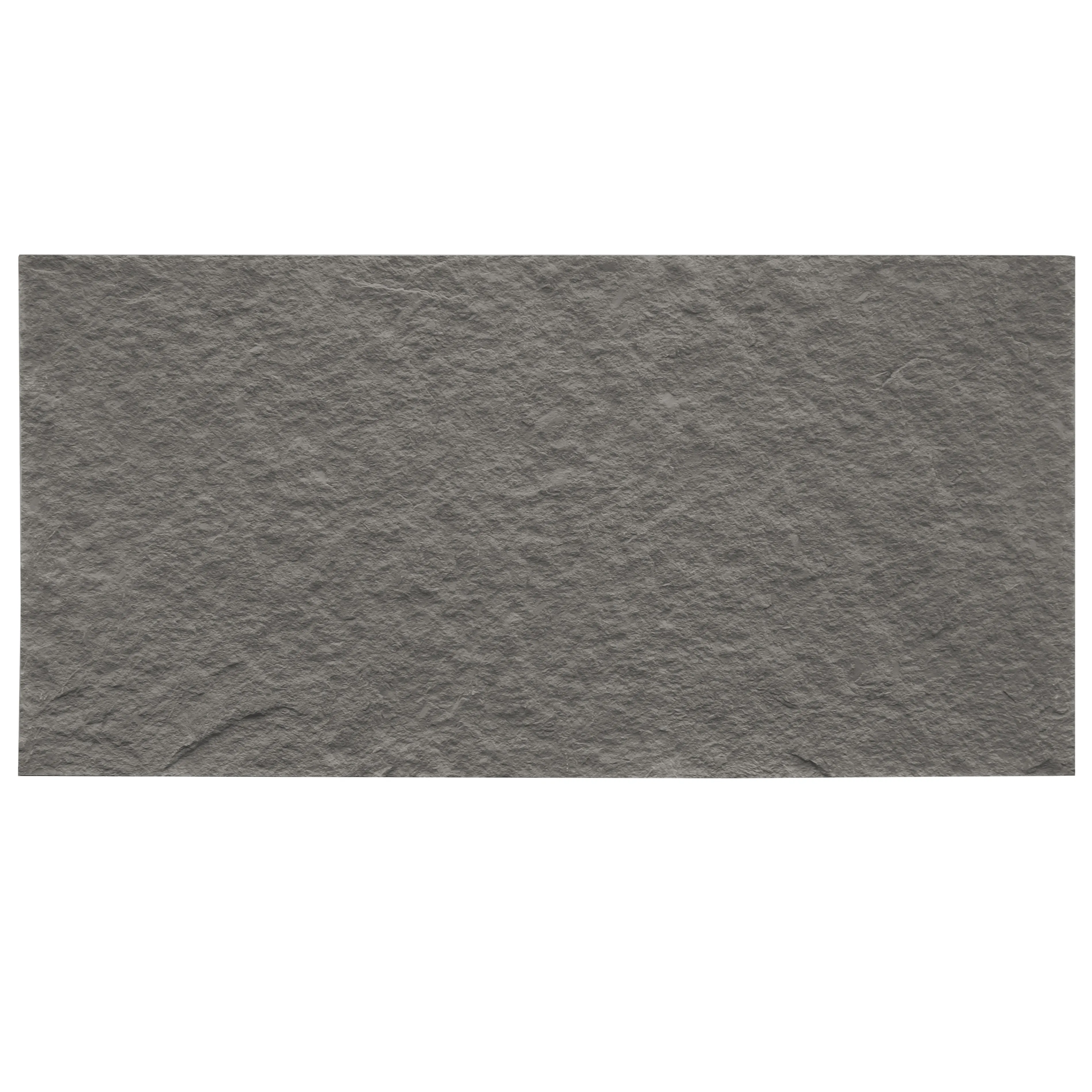
When you pull into your driveway at the end of a long day, the first thing you notice isn't just your front door—it's your garage. For many homes, the garage door and exterior take up nearly half the street-facing facade, acting as a silent storyteller of your style. It's not just a functional space for parking cars; it's a canvas where architecture, texture, and personality collide. And if you're craving a look that balances durability, timelessness, and understated elegance, there's one material that deserves a spot at the top of your list: rough granite stone (medium grey).
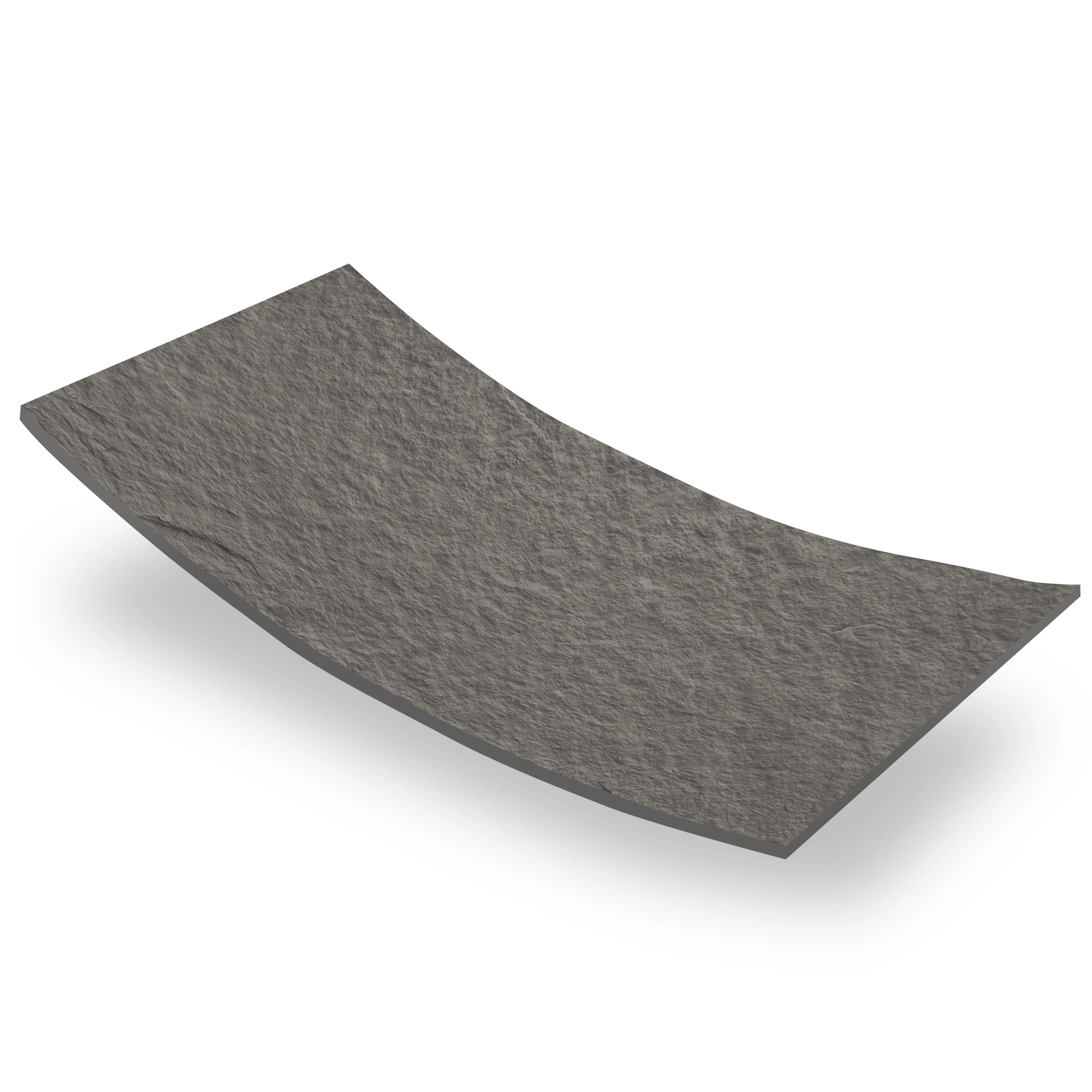
Rough granite stone (medium grey) isn't just another building material—it's a design workhorse. With its naturally pitted surface, cool neutral tone, and rugged charm, it brings the raw beauty of mountain landscapes right to your doorstep. Unlike sleek marble or uniform vinyl, this stone doesn't shout for attention. Instead, it whispers sophistication, aging gracefully with the elements and gaining character over time. Whether your home leans modern, rustic, or somewhere in between, this granite variant has a way of adapting, elevating both bold and subtle design choices alike.
Let's start with the basics: what makes rough granite stone (medium grey) such a standout choice for garage exteriors? For one, it's built to last. Granite is one of the hardest natural stones on Earth, resistant to scratches, stains, and weather extremes—rain, snow, harsh sunlight, even the occasional hailstorm won't faze it. Unlike wood, it won't rot or warp; unlike painted surfaces, it won't chip or fade. For busy homeowners, that translates to less time worrying about upkeep and more time enjoying the view.
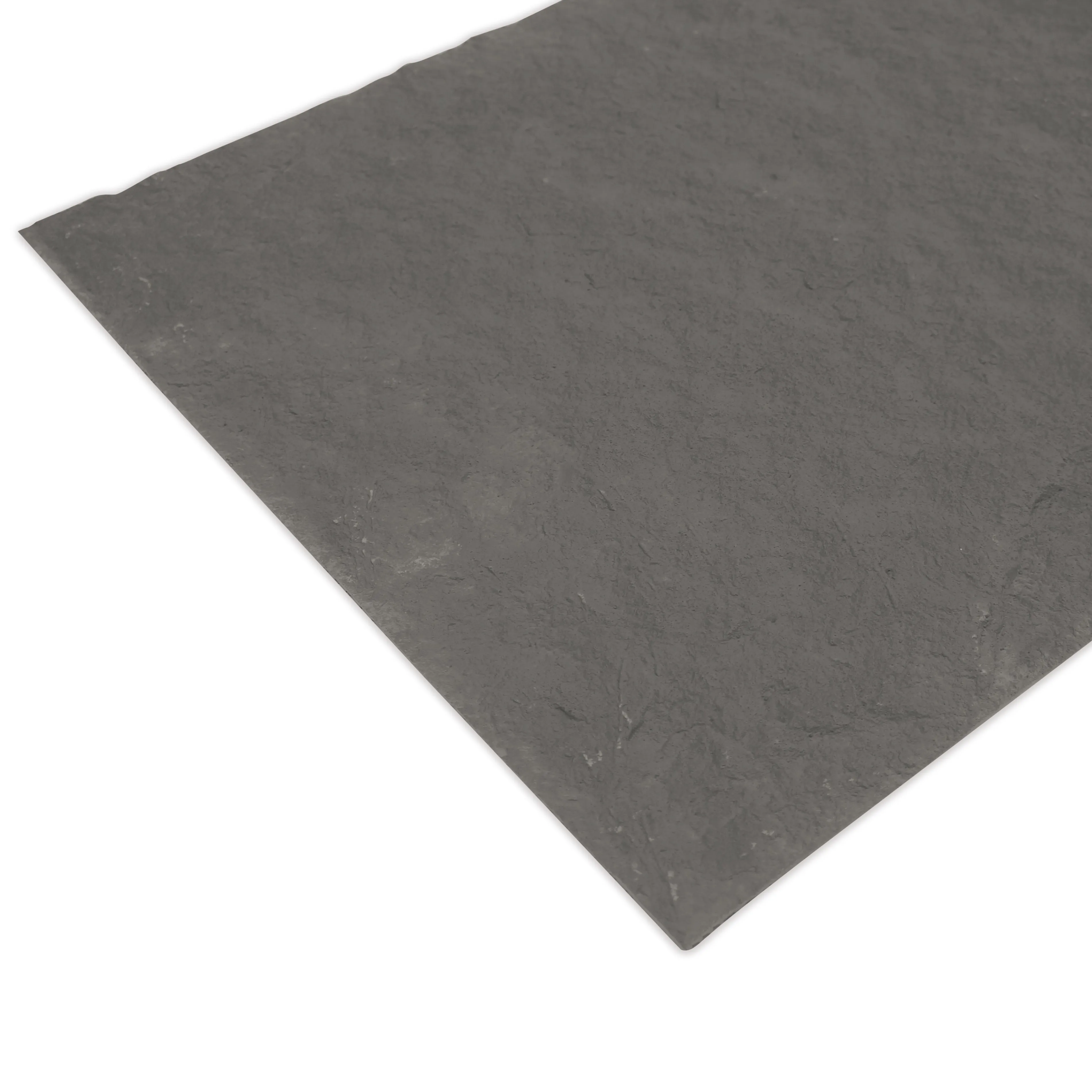
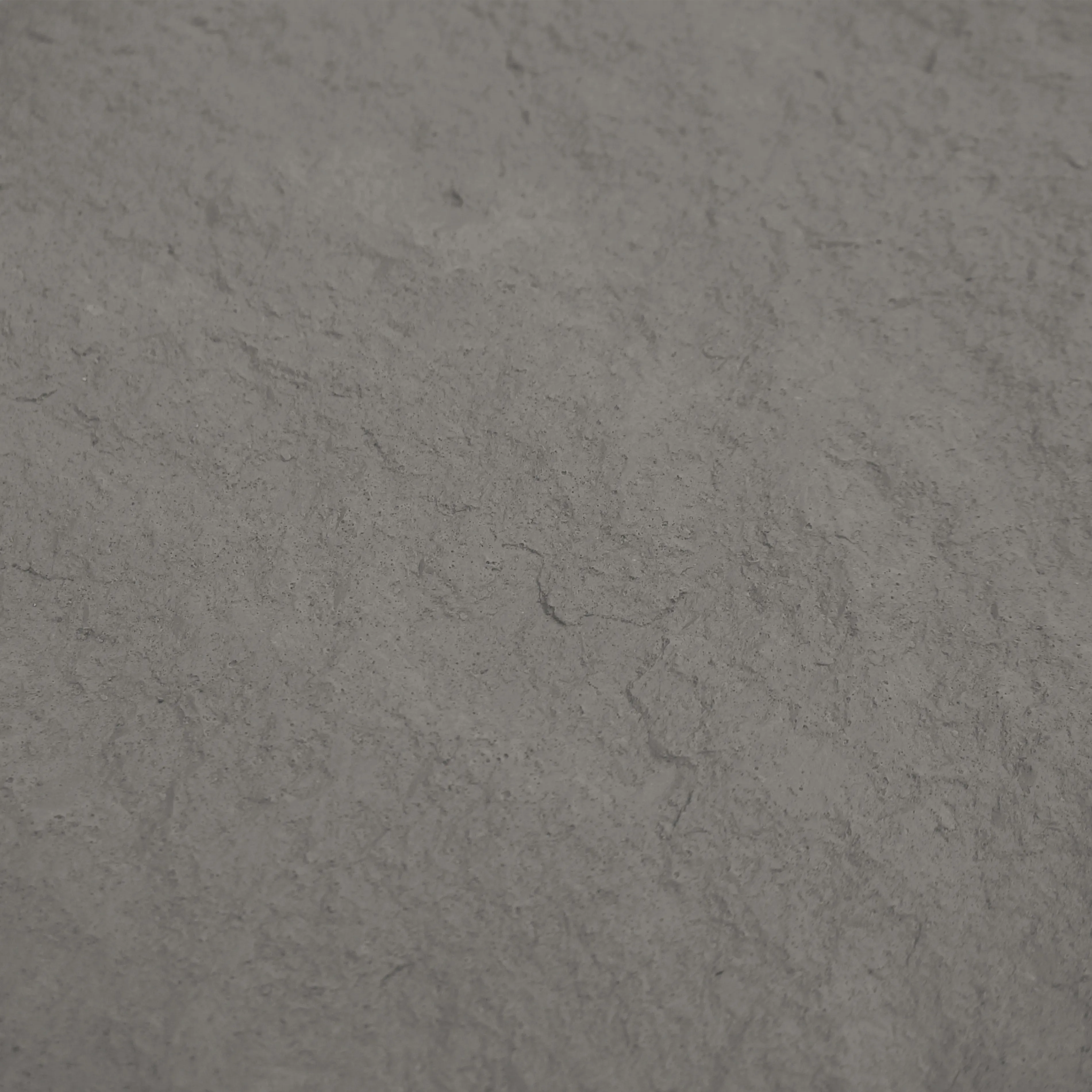
But durability is just the beginning. The "rough" in rough granite stone (medium grey) is where the magic happens. Its textured surface—pocked with tiny crevices, mineral deposits, and subtle color variations—adds depth that smooth materials can't replicate. Run your hand over it, and you'll feel the friction of nature's artistry, a reminder of the stone's journey from quarry to your home. The medium grey hue, meanwhile, is a master of versatility. It's dark enough to hide dust and dirt (a practical perk for garages!) but light enough to reflect sunlight, keeping the space from feeling gloomy. It pairs seamlessly with warm tones like wood and beige, as well as cool shades like charcoal and slate, making it a chameleon in any color palette.
Perhaps most importantly, rough granite stone (medium grey) tells a story of authenticity. In a world of mass-produced materials, it's a nod to craftsmanship and the beauty of imperfection. Each slab is unique, with its own pattern of flecks (some may have hints of white, black, or even gold mica) and variations in texture. When used on a garage exterior, it turns a utilitarian structure into something that feels intentional—like a piece of the landscape that just happens to shelter your car.
Now that we've covered why this stone shines, let's dive into how to use it. From modern minimalism to rustic charm, here are five design inspirations that let rough granite stone (medium grey) take center stage—paired with complementary materials, colors, and textures to create a garage exterior that feels uniquely yours.
Modern design thrives on "less is more," but that doesn't mean it has to feel cold. Rough granite stone (medium grey) adds the warmth and texture modern exteriors often lack, while keeping the focus on sleek, uncluttered lines. For this look, consider cladding the lower half of your garage with rough granite slabs, leaving the upper half (or the garage door itself) in a smooth, complementary material like fair-faced concrete. The contrast between the stone's ruggedness and the concrete's uniformity creates visual interest without overwhelming the eye.
Color-wise, stick to a monochromatic palette: medium grey stone, light grey concrete, and black accents (think matte black hardware, window frames, or a slim garage door handle). For a subtle twist, add a wooden beam above the garage door—opt for wood grain board with a natural, unstained finish to echo the stone's organic roots. The wood's warm undertones balance the coolness of the granite, while its straight grain plays off the stone's irregular texture.
Pro tip: Keep the garage door simple. A flush-panel design in matte black or dark grey will let the stone's texture be the star, while large, unframed windows (if your garage has them) add light without disrupting the clean aesthetic.
If your home leans cottage-style or has a countryside vibe, rough granite stone (medium grey) can amplify that warm, lived-in feel. Here, the goal is to blend the garage into the natural landscape, making it feel like it's been there for decades. Start by covering the entire garage exterior in rough granite, but break up the monotony with horizontal strips of bamboo mat board. The bamboo's woven texture—light, airy, and subtly golden—contrasts beautifully with the stone's heaviness, adding a layer of softness that feels organic.
Pair these materials with a garage door in travertine (beige). Travertine's creamy, earthy tone complements the medium grey granite, creating a palette that evokes sunlit meadows and weathered stone cottages. Look for a door with a raised-panel design to mimic the texture of the granite, and add wrought-iron hardware (think hinges, handles, or even a small lantern sconce) for a vintage touch.
Landscaping plays a key role here, too. Plant climbing ivy or creeping thyme along the base of the granite walls to soften the edges, and line the driveway with large river rocks. When the sun hits, the ivy will cast dappled shadows on the stone, making the garage feel like it's part of the garden rather than separate from it.
Industrial design is all about celebrating "honest" materials—metal, concrete, and stone in their raw, unpolished forms. Rough granite stone (medium grey) fits right in, with its rugged surface and utilitarian vibe. For an industrial-inspired garage, mix the stone with unexpected elements like corrugated metal (painted black or dark grey) and exposed steel beams. Use the granite to clad the lower third of the garage, then transition to metal panels above, creating a vertical split that adds height and drama.
Fair-faced concrete is another perfect partner here. Use it for the garage door itself, opting for a paneled design with visible aggregate (small stones mixed into the concrete) to echo the granite's texture. Add oversized, black-framed windows (think warehouse-style) to let in light, and finish the look with a metal awning above the door—sleek and functional, with a hint of 1950s factory charm.
The color palette here is intentionally bold: medium grey stone, black metal, and concrete grey, with no soft pastels to distract. It's a look that feels strong, unapologetic, and perfect for homes with modern industrial architecture (think lofts, converted barns, or homes with flat roofs and angular lines).
For homeowners who want their garage to feel like an extension of the outdoors, this inspiration leans into biophilic design—using natural materials and plants to create a connection with nature. Start with rough granite stone (medium grey) as the base, but instead of covering the entire garage, use it to frame the space: think stone columns on either side of the door, or a stone accent wall that contrasts with a wooden garage door.
Speaking of wood, wood grain board is the ideal complement here. Choose a warm, honey-toned wood (like cedar or redwood) for the garage door, and leave it unstained to weather naturally over time. The wood's straight, organic lines play off the granite's irregular texture, while its warm color balances the stone's cool grey. Add a trellis above the door, and train jasmine or wisteria to climb it—when in bloom, the flowers will drape over the stone and wood, turning the garage into a lush, fragrant focal point.
For the finishing touch, use landscaping to blur the line between the garage and the yard. Plant tall grasses (like miscanthus) along the stone walls, and add a small rock garden at the base with succulents or native wildflowers. When it rains, the granite will darken slightly, making the greenery pop even more—a reminder of how nature and architecture can work in harmony.
Classic design never goes out of style, and rough granite stone (medium grey) adds a contemporary edge to traditional exteriors. Think of it as "old-world charm meets new-world durability." For this look, use the stone to create a partial wainscot: cladding the lower half of the garage in rough granite, then transitioning to a painted siding (in a soft beige or off-white) for the upper half. This two-tone approach is classic, but the stone's texture keeps it from feeling dated.
Pair this with a carriage-style garage door—think wood panels with decorative hardware (like iron straps and handles) and windows with divided lights. The door's traditional silhouette contrasts with the stone's ruggedness, creating a look that feels both refined and approachable. Add shutters (painted black or a deep green) to the windows flanking the garage, and top it off with a stone pediment above the door for a touch of grandeur.
To tie it all together, use a color palette that nods to tradition: medium grey stone, soft beige siding, black accents, and warm wood tones. It's a combination that works with colonial, craftsman, or even Victorian-style homes—proving that rough granite stone (medium grey) isn't just for modern designs.
One of the easiest ways to make a rough granite (medium grey) garage exterior feel dynamic is to layer textures. For example: pair the stone's pitted surface with the smoothness of fair-faced concrete, the woven pattern of bamboo mat board, or the linear grain of wood. The key is to balance "rough" and "smooth," "organic" and "structured"—this contrast keeps the eye moving and prevents the design from feeling flat.
| Design Style | Primary Material | Complementary Materials | Color Palette | Texture Notes | Vibe |
|---|---|---|---|---|---|
| Modern Minimalist | Rough granite stone (medium grey) | Fair-faced concrete, black metal | Greys, whites, matte black | Smooth concrete + rough stone; clean lines | Sleek, intentional, understated |
| Rustic Charm | Rough granite stone (medium grey) | Bamboo mat board, travertine (beige) | Greys, beiges, warm golds | Woven bamboo + pitted stone; soft edges | Cozy, lived-in, nature-inspired |
| Industrial Fusion | Rough granite stone (medium grey) | Corrugated metal, fair-faced concrete | Greys, blacks, steel tones | Raw metal + rugged stone; bold contrasts | Edgy, utilitarian, unapologetic |
| Natural Retreat | Rough granite stone (medium grey) | Wood grain board, jasmine/ivy | Greys, honey browns, greens | Straight wood grain + irregular stone; organic | Lush, serene, connected to nature |
| Classic Elegance | Rough granite stone (medium grey) | Beige siding, wood (carriage door) | Greys, beiges, black accents | Smooth siding + textured stone; traditional lines | Timeless, refined, approachable |
Now that you're inspired, let's talk logistics. Using rough granite stone (medium grey) on a garage exterior is a big decision, and there are a few practical things to keep in mind to ensure it works for your space, budget, and lifestyle.
Granite is heavy—roughly 18-20 pounds per square foot. That means your garage walls need to be structurally sound enough to support it. If you're building a new garage, your contractor can plan for this by reinforcing the framing. If you're renovating an existing garage, you may need to have an engineer assess the walls to ensure they can handle the weight. In some cases, a stone veneer (thinner than full slabs) can be used to reduce weight while still achieving the rough texture look.
One of the perks of rough granite stone (medium grey) is that it's low-maintenance, but it's not "no-maintenance." To keep it looking its best:
Rough granite stone (medium grey) is an investment—costing more upfront than vinyl siding or painted wood. Prices vary by location, slab size, and installation complexity, but expect to pay anywhere from $25-$50 per square foot (including materials and labor). While this may seem steep, remember: granite lasts decades (even centuries, in some cases), and it adds value to your home. Unlike wood or vinyl, you won't need to replace it every 10-15 years. Think of it as a one-time cost for a lifetime of beauty.
If full granite cladding feels out of reach, try an accent wall. Use rough granite stone (medium grey) to cover just the area around the garage door, or create a vertical strip down one side of the garage. Pair it with a more affordable material (like fiber cement siding) for the rest of the exterior. This way, you get the stone's visual impact without the full cost.
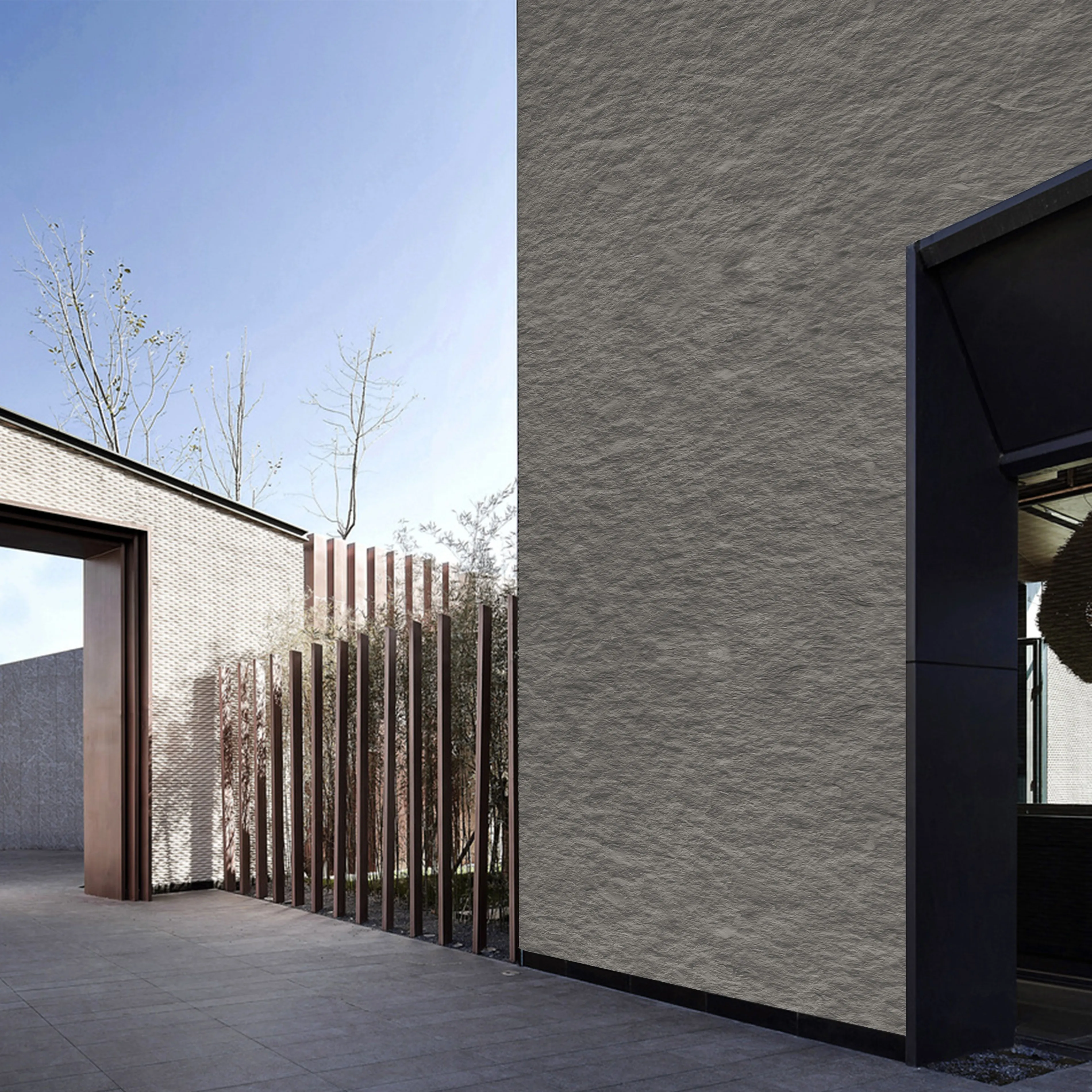
Your garage exterior is more than just a backdrop—it's a reflection of who you are. And rough granite stone (medium grey) offers a rare combination of durability, beauty, and versatility that can turn even the most ordinary garage into something extraordinary. Whether you pair it with wood grain board for warmth, fair-faced concrete for modern edge, or bamboo mat board for texture, it's a material that adapts to your vision, not the other way around.
So the next time you pull into your driveway, imagine (oops—*when* you pull into your driveway) seeing a garage that feels like part of your home's story: rugged yet refined, timeless yet unique. With rough granite stone (medium grey), that story is waiting to be told.
Recommend Products












