
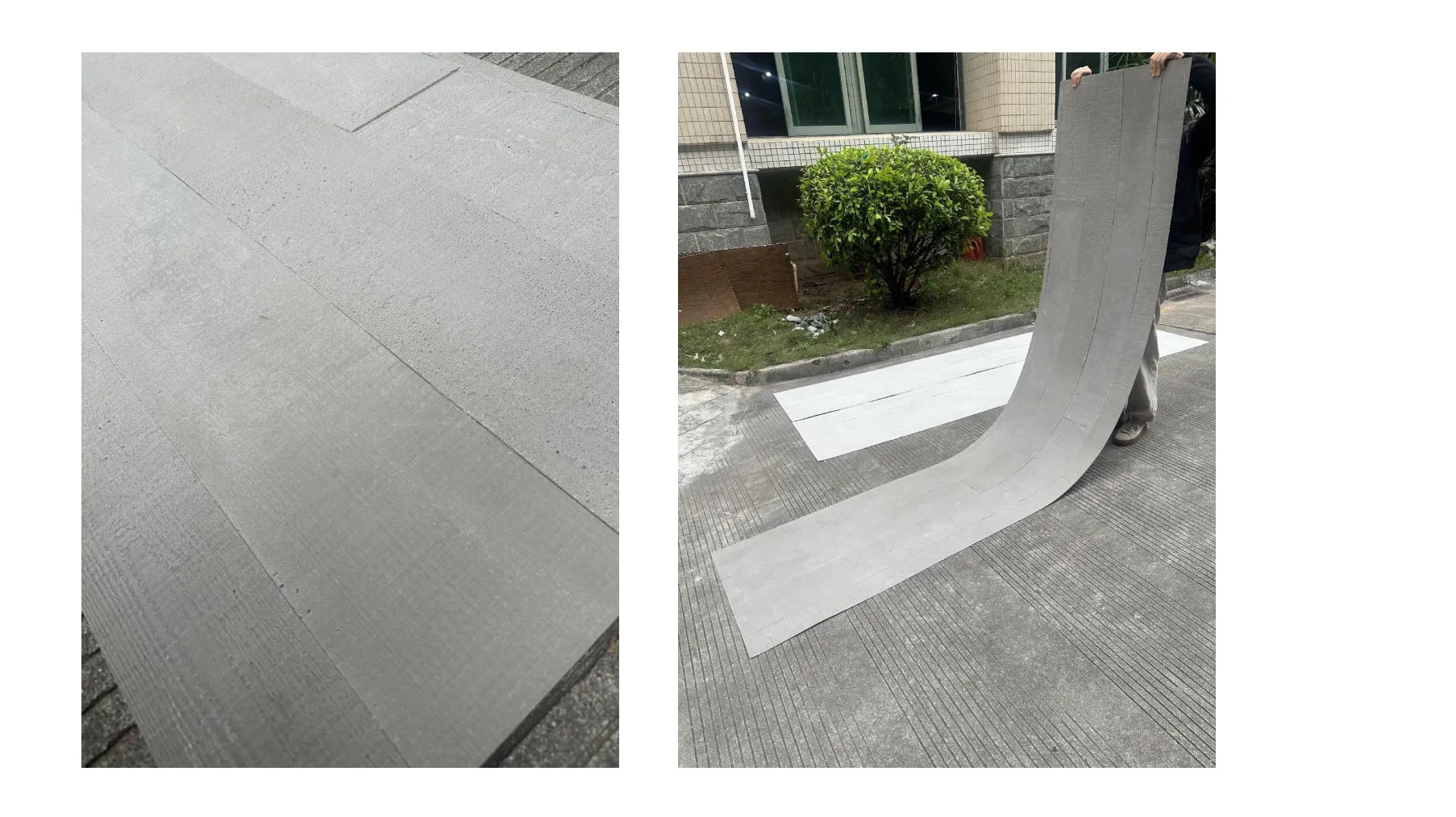
In the world of interior design, few elements have the power to transform a room quite like an accent wall. More than just a splash of color or a bold pattern, a well-designed accent wall tells a story—it adds depth, personality, and a focal point that draws the eye without overwhelming the space. For homeowners seeking to balance warmth and durability, the search often leads to materials that blend nature's beauty with modern resilience. Enter wood-cement board: a composite material that marries the organic charm of wood grains with the sturdiness of concrete, creating a surface that feels both timeless and contemporary. Today, we'll explore how this versatile material is redefining residential accent walls, with a focus on real-world inspiration—because sometimes, seeing is believing.
Accent walls have evolved far beyond the days of a single painted wall or a strip of wallpaper. Today, they're about texture, materiality, and creating moments of visual interest that reflect the homeowner's style. A well-chosen accent wall can turn a plain living room into a cozy retreat, a sterile bedroom into a serene sanctuary, or a functional kitchen into a space that feels lived-in and inviting. The key? Choosing a material that doesn't just look good, but also works hard. Wood, for example, brings unmatched warmth, but it can warp, scratch, or fade over time. Concrete, on the other hand, offers industrial chic and durability, but it can feel cold or impersonal. Wood-cement board bridges this gap, offering the best of both worlds—and then some.
At first glance, wood-cement board might look like a slab of polished wood, with its intricate grain patterns, subtle knots, and varying shades of beige, oak, or espresso. But touch it, and you'll feel the difference: a smooth yet slightly textured surface that hints at its concrete core. Made by combining wood fibers (often recycled) with cement and other binders, this composite material is engineered to resist moisture, fire, and everyday wear and tear—making it ideal for high-traffic areas like living rooms or humid spaces like bathrooms. What truly sets it apart, though, is its ability to mimic the look of real wood without the maintenance headaches. No need for regular staining, sealing, or worrying about water damage; a quick wipe with a damp cloth is often all it takes to keep it looking fresh.
The natural wood grains in wood-cement board are where the magic happens. Unlike printed wallpapers or vinyl planks, which can look flat or artificial, the grains here have depth—swirling, straight, or knotty patterns that catch the light and shift throughout the day. In morning sunlight, the lighter streaks glow softly; in evening lamplight, the darker grains deepen, creating a dynamic backdrop that evolves with the room. It's this interplay of light and texture that makes wood-cement board such a compelling choice for accent walls: it doesn't just sit there—it interacts with the space around it.
When it comes to designing with wood-cement board, there's no substitute for visual inspiration. That's where wood concrete board real photos come in—these snapshots of actual homes showcase the material in action, proving that its beauty isn't just theoretical. Scroll through these photos, and you'll see a range of styles, from minimalist to rustic, modern to bohemian, each highlighting the board's adaptability.
Take, for example, a sunlit living room in Portland, where the accent wall behind the TV is clad in wood-cement board with a light oak grain. The boards run vertically, elongating the space, and their warm beige tone contrasts gently with the room's soft gray sofas and white trim. A woven jute rug and a few potted succulents add earthy touches, while recessed LED strips along the base of the wall cast a subtle glow, making the wood grains pop. In another photo, a bedroom in Austin features a horizontal wood-cement accent wall behind the headboard, this time in a darker walnut finish. The grains here are more pronounced, with knots and swirls that evoke the look of reclaimed wood. Paired with linen bedding, a vintage brass lamp, and a bamboo mat board side table, the wall feels cozy and grounded—a perfect antidote to the chaos of daily life.
Even in smaller spaces, wood-cement board shines. A compact home office in Chicago uses a single sheet of wood grain board as an accent wall behind a floating desk, its light maple grains adding warmth to the otherwise monochromatic room (think white walls, black desk, silver chair). The texture of the board breaks up the flatness of the space, while its durability means it can withstand the occasional coffee spill or scuff from a rolling chair. These real photos aren't just pretty pictures—they're proof that wood-cement board works in real homes, for real people.
For homeowners who love layered, tactile spaces, pairing wood-cement board with other natural materials is a winning strategy. Consider a dining area where the accent wall is half wood-cement (in a light ash grain) and half rough granite stone (beige). The wood brings warmth, while the granite adds a rugged, earthy texture—think of it as a conversation between soft and hard, organic and structured. Hang a woven pendant light above the table, add wooden dining chairs, and finish with a vase of dried wheat stems, and you've got a space that feels both curated and effortless.
To truly appreciate wood-cement board, it helps to see how it compares to other popular accent wall materials. Below is a breakdown of key factors like texture, best-use scenarios, and maintenance—because choosing the right material isn't just about aesthetics; it's about practicality, too.
| Material | Texture Profile | Best For | Maintenance Needs |
|---|---|---|---|
| Wood-Cement Board | Natural wood grains with subtle depth; varies by finish (oak, walnut, maple, etc.) | Living rooms, bedrooms, home offices; spaces needing warmth + durability | Low: Wipe with a damp cloth; avoid harsh chemicals |
| Fair-Faced Concrete | Smooth, industrial; may have subtle pores or trowel marks | Modern, minimalist spaces; high-traffic areas | Moderate: Seal annually to prevent staining; avoid acidic cleaners |
| Bamboo Mat Board | Woven, lightweight; organic, with visible reed or grass patterns | Bohemian, coastal, or tropical-inspired rooms | Moderate: Avoid excess moisture; dust regularly |
Now that we've covered the "what" and "why," let's dive into the "how." Wood-cement board is incredibly versatile, but like any material, it shines brightest when paired with the right design choices. Here are some room-specific tips to inspire your next project:
In the living room, the accent wall often serves as the backdrop for relaxation and connection. For a modern look, opt for vertical wood-cement boards in a light finish (like maple or ash) to create height, and pair with a sleek leather sofa and metal accents. If you prefer a cozier vibe, horizontal boards in a darker walnut or chestnut grain work well with plush knit throws, a shag rug, and warm-toned lighting. Pro tip: Install a floating shelf along the accent wall to display family photos or small potted plants—the contrast between the shelf's smooth surface and the board's texture adds visual interest.
The bedroom accent wall should promote relaxation, so stick to soft, muted wood grains (think beige oak or light ash). Position the wall behind the headboard to create a focal point that doesn't compete with other elements. For a touch of luxury, add a woven (beige) wall hanging above the headboard, or install sconces with linen shades to cast a warm, diffused light over the wood grains. If your bedroom has limited natural light, choose a lighter wood finish to brighten the space; if it's flooded with sun, a darker finish will add depth without fading.
Dining rooms thrive on atmosphere, and a wood-cement accent wall can set the tone for everything from casual weeknight dinners to formal gatherings. Try mixing vertical and horizontal boards for a geometric pattern, or use a single sheet with a bold grain (like reclaimed barn wood) to make a statement. Pair with a wooden dining table (to echo the wood grains) and fair-faced concrete floors for an industrial-meets-rustic vibe. Add a statement chandelier with warm bulbs, and suddenly, even takeout feels special.
At the end of the day, the best accent wall materials are those that grow with you—adapting to changing styles, daily wear, and the passage of time. Wood-cement board checks all these boxes: it's durable enough to withstand kids, pets, and spills; versatile enough to fit any design aesthetic; and beautiful enough to remain a focal point for years to come. And when in doubt, there's no shortage of wood concrete board real photos to draw inspiration from—each one a testament to the material's ability to turn ordinary walls into extraordinary stories.
So, whether you're renovating your entire home or just looking to refresh a single room, consider wood-cement board. It's not just a material—it's a way to bring a little bit of nature indoors, without sacrificing the practicality of modern living. After all, home isn't just a place—it's a feeling. And with wood-cement board, that feeling is warm, welcoming, and wonderfully real.
Recommend Products












