
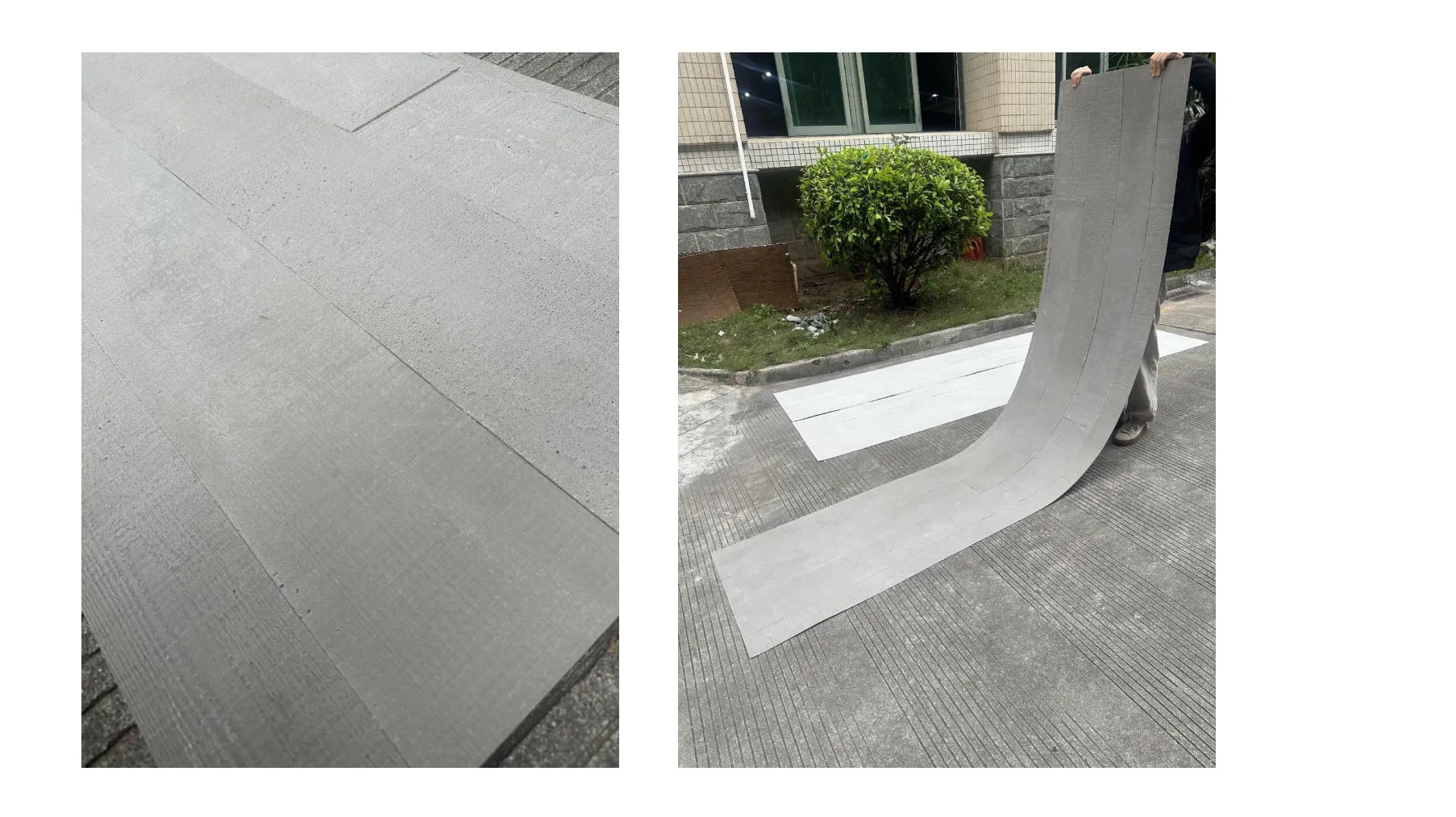
Accent walls have a quiet superpower: they can turn a plain room into a story. Think about it—your living room, bedroom, or even that awkward hallway that never quite felt "finished"—a well-chosen accent wall adds depth, personality, and a focal point that makes the whole space click. But with so many materials out there—paint, wallpaper, stone, wood—how do you pick one that's both beautiful and built to last? Enter wood-cement board: a material that's been quietly revolutionizing interior design, blending the warmth of wood, the industrial edge of concrete, and the durability of cement into something truly special. Today, we're diving into why this material deserves a spot on your accent wall shortlist, spotlighting standout products like wood concrete board , wood grain board , and fair-faced concrete , and sharing how real homeowners are using them to transform their spaces.
Let's start with the basics: what even is wood-cement board? At its core, it's a hybrid material—made by combining wood fibers (or wood-like textures) with cement, binders, and sometimes other additives to create a panel that's lightweight, strong, and full of character. What makes it so appealing for accent walls? For starters, it's a chameleon. Want the cozy vibe of a wooden cabin? There's a wood grain option. Craving that sleek, urban loft feel? Fair-faced concrete or wood concrete board in muted tones has you covered. And unlike pure wood, it won't warp in humid bathrooms, scratch easily in high-traffic living rooms, or fall prey to termites. Unlike solid concrete, it's lightweight enough to install without hiring a crew of professionals. It's the kind of material that says, "I care about how my home looks, but I also care about not stressing over maintenance."
Another win? Sustainability. Many wood-cement boards are made with recycled materials or fast-growing wood fibers, making them a greener choice than hardwoods that take decades to mature. Plus, their longevity means you won't be ripping them out and replacing them in a few years—good for your wallet and the planet. And let's talk texture: unlike flat paint or smooth wallpaper, wood-cement boards have depth. Run your hand over a wood grain board , and you'll feel the subtle ridges of "wood" grains; run it over fair-faced concrete , and you'll notice the raw, almost tactile finish that adds instant warmth to even the most modern spaces. It's the kind of detail that makes guests pause and say, "Wait, what is this? It feels amazing."
Not all wood-cement boards are created equal. Let's break down three standout options from the lineup, each with its own personality and purpose. Whether you're into soft neutrals, rich tones, or industrial chic, there's a board here that'll speak to your style.
If "versatile" had a material form, it would be wood concrete board . Available in light grey and dark grey, these boards blend the subtle texture of wood with the understated elegance of concrete, creating a look that's equal parts calm and sophisticated. Let's start with the light grey variant. Picture a soft, airy shade—think "cloud on a rainy day" or "dusted stone"—with a smooth, almost matte finish that catches light gently. It's the kind of color that makes small rooms feel larger and bright spaces feel even more open. Pair it with white walls, natural light, and minimalist furniture, and you've got a modern minimalist dream. One homeowner I spoke to, Mia, used light grey wood concrete board in her 800-square-foot apartment's living room. "Our space is tiny, so I was worried an accent wall would make it feel cramped," she said. "But this light grey board? It adds depth without weighing the room down. It's like having a piece of the outdoors inside, but in the best, most grown-up way."
Then there's dark grey wood concrete board—a deeper, moodier cousin that's all about contrast. Imagine the color of wet stone or weathered slate, with a slightly more textured surface that adds visual interest up close. This one's for anyone who loves bold choices but wants to keep things refined. It pairs beautifully with warm woods (think oak or walnut furniture), brass fixtures, or even pops of color like mustard yellow or terracotta. Take Jake's kitchen, for example: he installed dark grey wood concrete board as an accent wall behind his stove, balancing the room's white cabinetry and marble countertops. "I wanted something that would stand out but not clash," he explained. "The dark grey board adds this subtle drama—now when people walk in, they don't just see cabinets and appliances. They see a kitchen with personality."
For those who love the look of wood but cringe at the upkeep, wood grain board is a revelation. This board mimics the natural grain patterns of real wood—think oak, pine, or even reclaimed barnwood—complete with knots, swirls, and subtle color variations, but with the durability of cement. It's warm, inviting, and instantly makes a space feel cozy, like a cabin in the woods or a beach house by the shore. The texture here is key: run your fingers over it, and you'll swear it's real wood, with raised grains that catch the light and create shadow play throughout the day. Unlike real wood, though, it won't fade in sunlight, warp in humidity, or require annual staining. It's the best of both worlds: the soul of wood, the resilience of cement.
Wood grain board comes in a range of tones, from soft beiges and warm browns to deeper, richer hues that lean into rustic charm. It's particularly popular in spaces where comfort is king: bedrooms, living rooms, and home offices. Take Maria, who wanted her home office to feel like a "calm retreat" away from the chaos of work. She installed wood grain board on one wall, paired it with a large desk made from reclaimed wood, and added string lights and potted plants. "I work from home, so I needed this space to feel like a sanctuary, not just a desk in a corner," she said. "The wood grain board makes it feel like I'm working in a little cabin—minus the drafty windows and mouse problem. Plus, when I spill coffee (which is often), I just wipe it up. No stains, no panic. It's perfect."
If industrial chic is more your speed, say hello to fair-faced concrete . Also known as "architectural concrete," this board celebrates the raw, unpolished look of concrete—think visible aggregates, subtle cracks, and a matte finish that feels both modern and ancient. It's not for the faint of heart, but for those who love the look of warehouses, lofts, or minimalist spaces, it's pure magic. What sets fair-faced concrete apart from regular concrete panels? It's all in the details: the texture is intentionally left "unfinished," with tiny imperfections that give it character. It's the kind of material that ages well, too—over time, it develops a subtle patina that makes it feel like it's been part of your home for decades.
Fair-faced concrete works wonders in spaces where you want to make a bold, understated statement. It pairs beautifully with metal accents (think black steel frames for mirrors or shelves), leather furniture, and Edison bulbs for that industrial vibe. But it's not just for modern homes—surprisingly, it also softens nicely in more traditional spaces. Take the example of Tom and Lisa, who live in a 1920s bungalow. They installed a fair-faced concrete accent wall in their master bedroom, pairing it with a vintage wooden bed frame, linen bedding, and a shag rug. "We were worried it might feel too cold or stark," Lisa admitted. "But with the warm wood and soft fabrics, it balances out. It's like having a piece of history in our home—something strong and solid that grounds the whole room."
| Product Name | Color | Texture | Best For Room | Style Vibe |
|---|---|---|---|---|
| Wood Concrete Board | Light Grey / Dark Grey | Smooth to slightly textured, wood-concrete blend | Living Room, Kitchen, Home Office | Modern Minimalist, Scandi-Inspired, Urban Contemporary |
| Wood Grain Board | Natural Wood Tones (Beige, Light Brown, Medium Brown) | Visible wood grain patterns, warm and tactile | Bedroom, Living Room, Nursery | Rustic, Cozy, Farmhouse, Cottage |
| Fair-Faced Concrete | Off-White, Light Grey, Medium Grey | Raw, unpolished with visible aggregates and subtle cracks | Industrial Loft, Home Office, Bedroom | Industrial, Modern, Minimalist, Timeless |
Now that you know the stars of the show, let's talk about how to make them shine in your home. Your accent wall should reflect your style, not just follow trends. Here's how to pair each product with different home personalities:
Modern minimalist spaces thrive on "less is more"—but that doesn't mean they have to be boring. Light grey wood concrete board is your best friend here. Its soft color and smooth texture create a calm backdrop that lets your furniture and decor take center stage. Think a living room with a light grey wood concrete board accent wall, paired with a low-profile sofa, a few sculptural plants, and a abstract art piece. The key is to keep the rest of the room simple: neutral colors, clean lines, and minimal clutter. For a touch of warmth, add natural materials like a jute rug or a wooden coffee table. Pro tip: Install the board vertically to draw the eye upward, making ceilings feel higher.
If your home is all about comfort and warmth, wood grain board is the way to go. Imagine a bedroom with a wood grain accent wall behind the bed, paired with layered bedding (think flannel sheets, a chunky knit throw), and a bedside table made from reclaimed wood. The wood grain texture adds visual interest without overwhelming the space, and the natural tones create a sense of calm that's perfect for unwinding. For extra coziness, add string lights or a wall sconce with a warm bulb to highlight the board's texture. This style works especially well in cabins, beach houses, or any home that wants to feel like a "hug in room form."
Industrial style is all about celebrating raw, utilitarian materials—and fair-faced concrete fits the bill perfectly. For an urban loft vibe, install a fair-faced concrete accent wall in your home office, pairing it with a metal desk, a leather chair, and open shelving with black steel brackets. Add a pop of color with a neon sign or a bold piece of street art to keep things from feeling too sterile. If you're worried about the space feeling cold, layer in soft textures: a shag rug, a knit pillow, or a vintage Persian carpet. The contrast between the rough concrete and the soft fabrics creates a balanced, lived-in look that's equal parts edgy and inviting.
At the end of the day, the best way to understand a material is to see it in action. Let's meet a few homeowners who took the plunge with wood-cement board accent walls and never looked back.
Sarah, a yoga instructor in Portland, Oregon, wanted her living room to feel like an extension of the Pacific Northwest's forests—calm, grounding, and full of natural beauty. "I love real wood, but I have two dogs and a toddler, so I knew hardwood floors were out of the question," she said. "When I saw wood grain board, I thought, 'This could be the solution.'" She opted for a medium brown wood grain board with visible knots and swirls, installing it on the wall behind her sofa. To complement the board, she added large windows with sheer curtains, potted fiddle-leaf figs, and a jute rug. "Now, when I walk into the room, I don't just see a sofa and a TV," she said. "I see a space that feels connected to the outdoors. The wood grain board has this way of making the whole room feel alive—like it's breathing. And the best part? When the kids color on it (which they have), I just wipe it off with a damp cloth. No stains, no stress."
Raj, a software engineer in Austin, Texas, wanted his kitchen to feel "grown-up but not stuffy." His space had white cabinetry, marble countertops, and stainless steel appliances—all beautiful, but lacking a focal point. "I felt like it was missing something," he said. "It was too… perfect. I wanted a little edge." After researching options, he settled on dark grey wood concrete board, installing it as an accent wall behind his range. "I was nervous it would clash with the white cabinets, but it's the opposite," he explained. "The dark grey adds this subtle contrast that makes the whole room pop. Now, when friends come over, they don't just comment on the appliances—they ask about the wall. It's become this conversation starter, which is funny because I just wanted something to make the space feel complete." Raj paired the board with brass cabinet pulls and a few potted herbs on the windowsill, adding warmth to the cool grey tone. "Maintenance is a breeze," he added. "I cook a lot, so there's always splatters. A quick wipe with a soapy cloth, and it looks brand new."
Elena, a freelance writer in Chicago, needed a home office that would help her stay focused—no distractions, just calm productivity. "I work from home, so my office isn't just a room—it's my livelihood," she said. "I needed something that would make me feel grounded but not bored." She chose fair-faced concrete for her accent wall, pairing it with a wooden desk, a black leather chair, and a simple white bookshelf. "I was worried it might feel too industrial, but with the warm wood and soft lighting, it's actually really peaceful," she said. "The concrete has this texture that's interesting to look at, but not in a way that pulls my attention from my work. It's like having a piece of the city's architecture in my home—strong, solid, and reliable." Elena also added a small potted succulent and a vintage typewriter on her desk, personal touches that keep the space from feeling too sterile. "I've noticed I'm more productive here," she. "Maybe it's the concrete wall, maybe it's the fact that I finally love my workspace. Either way, I'm not complaining."
By now, you're probably itching to run to the hardware store and pick out your own wood-cement board. But before you do, let's cover the basics: maintenance, installation, and cost. Spoiler: it's all easier than you might think.
One of the biggest perks of wood-cement board is how little upkeep it requires. Unlike real wood, you don't need to stain, seal, or polish it. Unlike wallpaper, it won't peel or bubble in humid rooms. For day-to-day care, just wipe it down with a damp cloth to remove dust or spills. If you have a stubborn stain (looking at you, coffee and red wine), mix a little mild dish soap with water and gently scrub—no harsh chemicals needed. Avoid using abrasive sponges, though, as they might scratch the surface. And because it's moisture-resistant, it's safe for bathrooms, kitchens, and basements—just make sure the installation is sealed properly around edges to prevent water from seeping behind the board.
Wood-cement board is lightweight, which means installation is much simpler than, say, natural stone or solid concrete. Most boards come in standard sizes (4x8 feet is common) and can be cut with a circular saw or jigsaw. If you're comfortable with basic tools and have a helper to hold the boards, you can likely install it yourself over a weekend. That said, if you're new to DIY, it's worth hiring a pro—especially if you're working with uneven walls or need to cut intricate shapes. The boards can be mounted directly to drywall with construction adhesive or screwed into studs for extra security. Just make sure the wall is clean and dry before you start, and use a level to ensure the boards are straight. Pro tip: Leave a small gap (about 1/8 inch) between boards to allow for expansion, then fill it with caulk that matches the board's color for a seamless look.
Wood-cement board falls into the mid-range price category for accent wall materials—more expensive than paint or wallpaper, but more affordable than natural stone, hardwood, or marble. Prices vary by brand, style, and thickness, but you can expect to pay around $20–$40 per square foot, including materials and installation (if you hire a pro). Compare that to hardwood, which can cost $50–$100 per square foot, or natural stone, which can run $75–$200 per square foot, and suddenly wood-cement board feels like a steal. "I was worried it would be too expensive," Sarah admitted. "But when I compared it to real wood paneling, it was half the cost. And since it's so durable, I know I won't have to replace it in five years. It's an investment, but it's one that pays off."
At the end of the day, an accent wall is more than just a design choice—it's a reflection of who you are. It's the wall that greets you when you walk in after a long day, the backdrop to family movie nights, the quiet confidence of a space that feels uniquely yours. Wood-cement board—whether it's wood concrete board in light or dark grey, wood grain board with its cozy texture, or fair-faced concrete with industrial charm—offers something rare: beauty that doesn't require sacrifice. It's durable enough for life's messes, stylish enough for your design dreams, and versatile enough to grow with you as your tastes change.
So, what's your story? Are you drawn to the calm of light grey wood concrete board, the warmth of wood grain, or the edge of fair-faced concrete? Whatever you choose, remember: the best accent walls aren't just about trends. They're about creating a space that makes you think, "Yes, this is me." And with wood-cement board, that space is just a few boards away.
Recommend Products












