
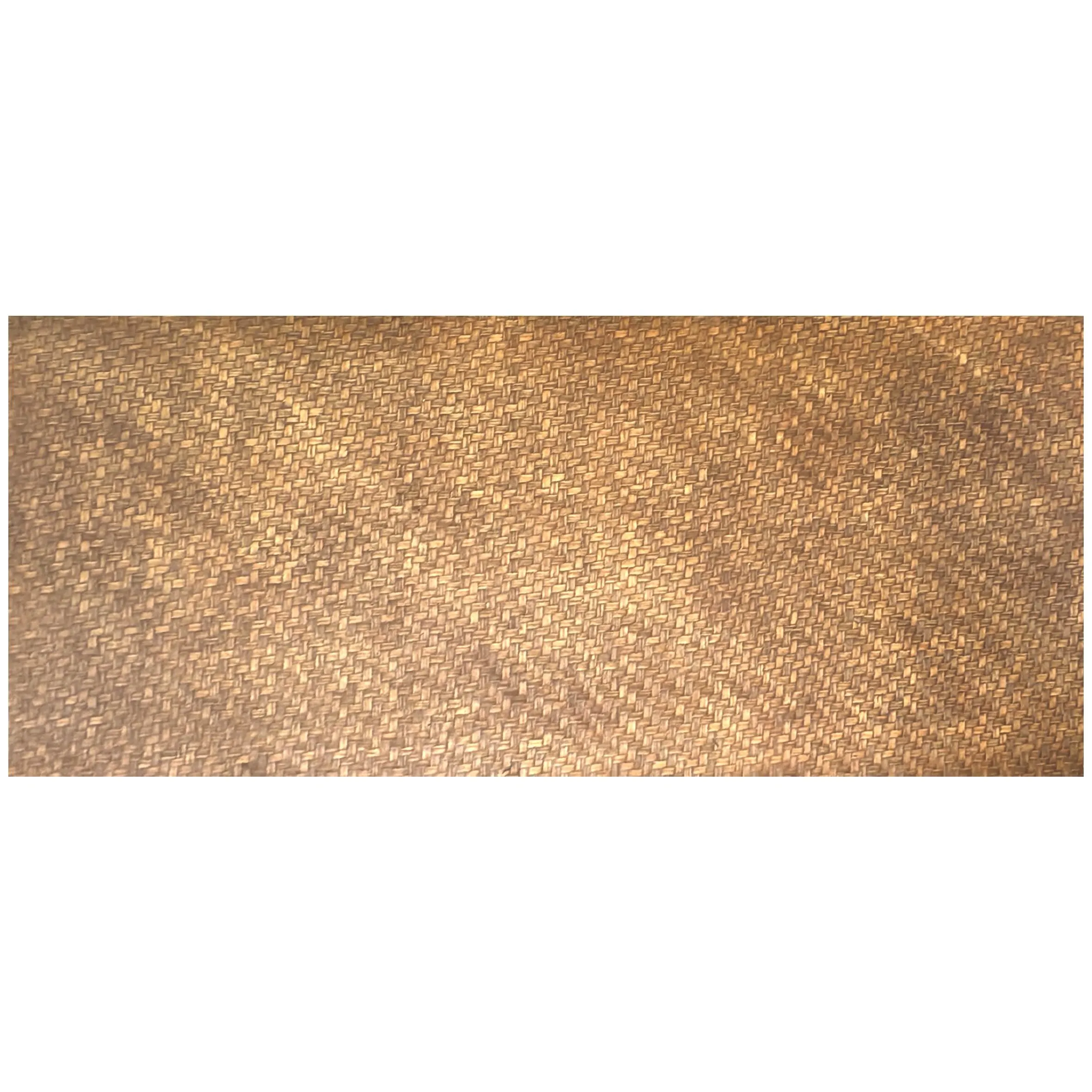
Walk into any modern home today, and you'll likely notice a quiet revolution unfolding—one that swaps cold, sterile surfaces for materials that breathe warmth and tell a story. As we grow more conscious of our impact on the planet and crave spaces that feel less like showrooms and more like sanctuaries, natural materials have taken center stage. Among these, bamboo mat board has emerged as a quiet hero, blending sustainability, versatility, and understated elegance in a way that feels both timeless and fresh. Let's dive into how this humble material is redefining residential interiors, one room at a time.
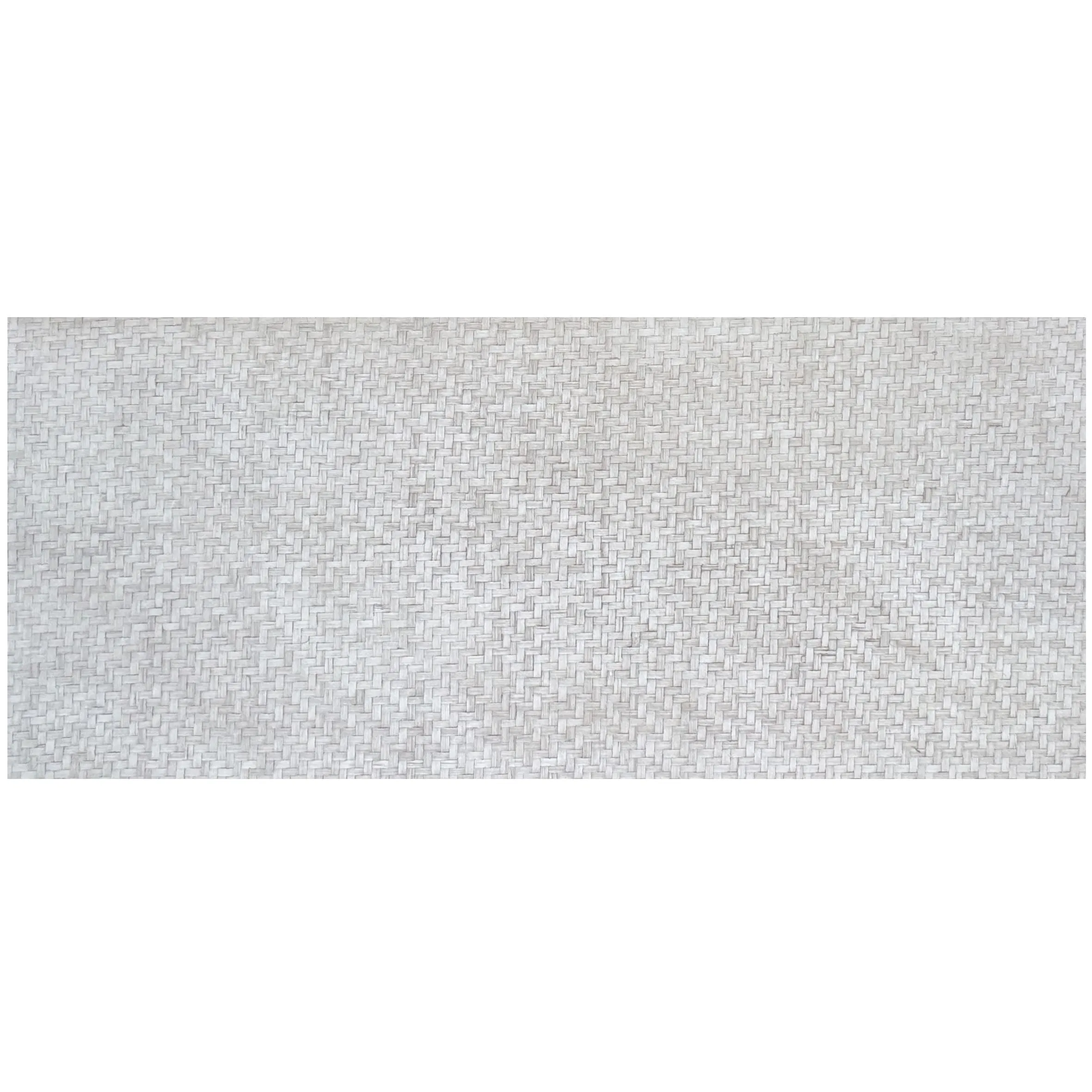
First things first: Let's demystify the star of the show. Bamboo mat board isn't your average plywood or laminate. Picture thin strips of bamboo—harvested from fast-growing, renewable bamboo plants—woven together in a crisscross pattern, then compressed with eco-friendly adhesives to form a sturdy, flexible sheet. The result? A material that feels both artisanal and modern, with a texture that nods to traditional craftsmanship but fits seamlessly into contemporary spaces.
What sets it apart? For starters, sustainability. Bamboo is one of the most renewable resources on the planet, growing up to 3 feet in a day and requiring no pesticides or excessive water. Unlike hardwoods that take decades to mature, bamboo reaches harvestable size in just 3–5 years, making it a guilt-free choice for eco-conscious homeowners. But it's not just about being green—bamboo mat board is also surprisingly durable. Thanks to its tight weave and compressed structure, it resists scratches, dents, and even moisture when properly sealed, making it suitable for high-traffic areas.
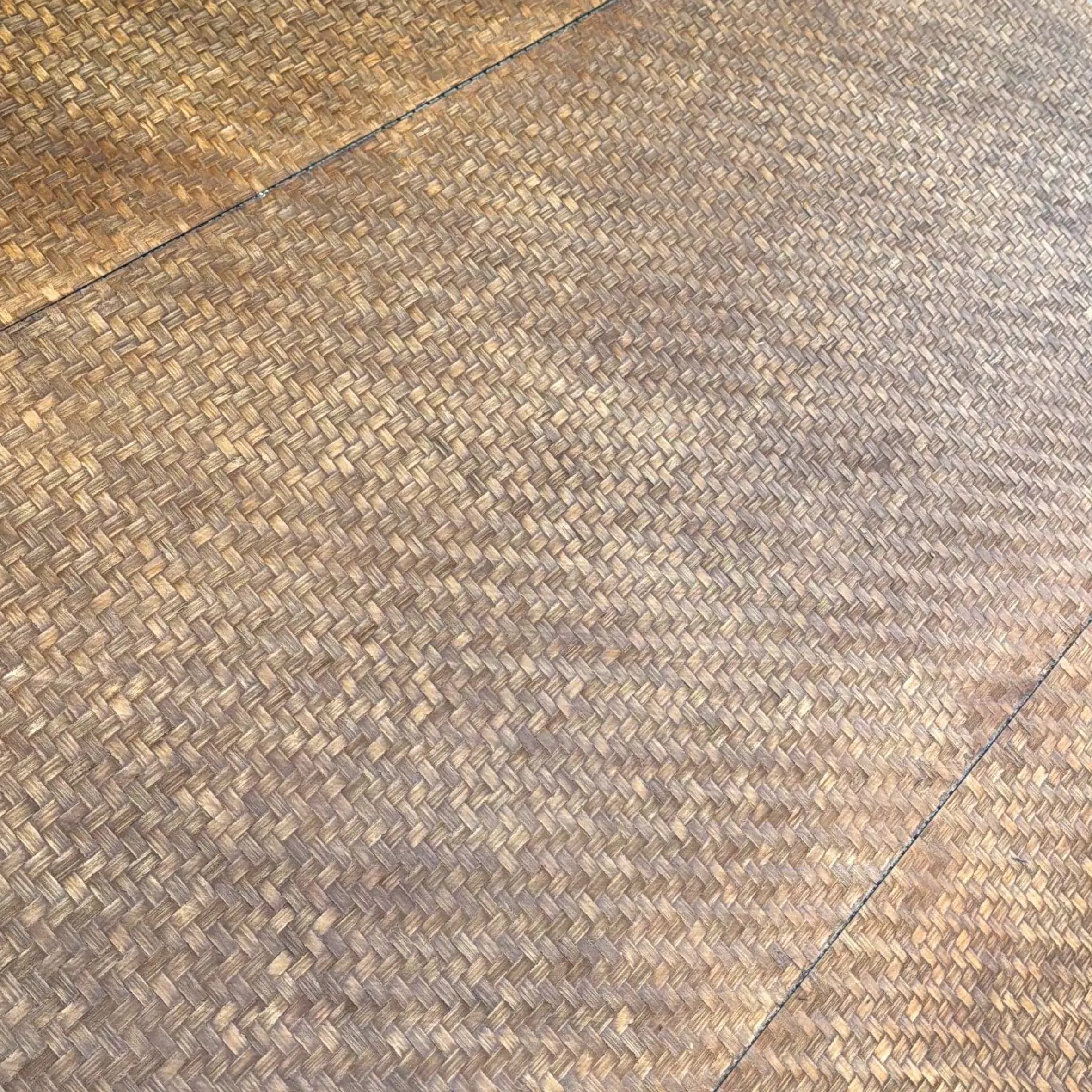
Let's talk about the "feel" of bamboo mat board, because that's where its magic truly lies. Run your hand over it, and you'll notice a subtle, tactile rhythm—the ridges of the woven bamboo strips create a soft, organic texture that adds depth without overwhelming. Its color palette is equally charming: think warm golden-amber hues, ranging from honeyed light tones to deeper amber streaks, with occasional flecks of green or brown that echo bamboo's natural growth patterns. It's the kind of material that changes with light—glowing softly in morning sun, deepening to a rich caramel in the evening—and that dynamism is what makes it so versatile.
Take minimalist design, for example. In a space defined by clean lines and "less is more," bamboo mat board adds the texture that prevents the room from feeling flat. Imagine a white-walled living room with a bamboo mat board accent wall behind the sofa—suddenly, the space has warmth, a focal point that doesn't shout but whispers, "Stay a while." Or consider Japandi style, that beloved blend of Japanese minimalism and Scandinavian coziness. Bamboo mat board pairs effortlessly with light wood floors, linen cushions, and ceramic vases, enhancing the "calm, collected, and connected to nature" vibe that Japandi does so well.
But it's not just for neutral lovers. Bamboo mat board also plays nice with bold accents. In a bohemian-inspired bedroom, for instance, a bamboo mat board headboard could serve as the perfect backdrop for vibrant macramé hangings or jewel-toned throw pillows. Its earthy base lets other colors pop without clashing, making it a designer's secret weapon for balancing boldness and harmony.
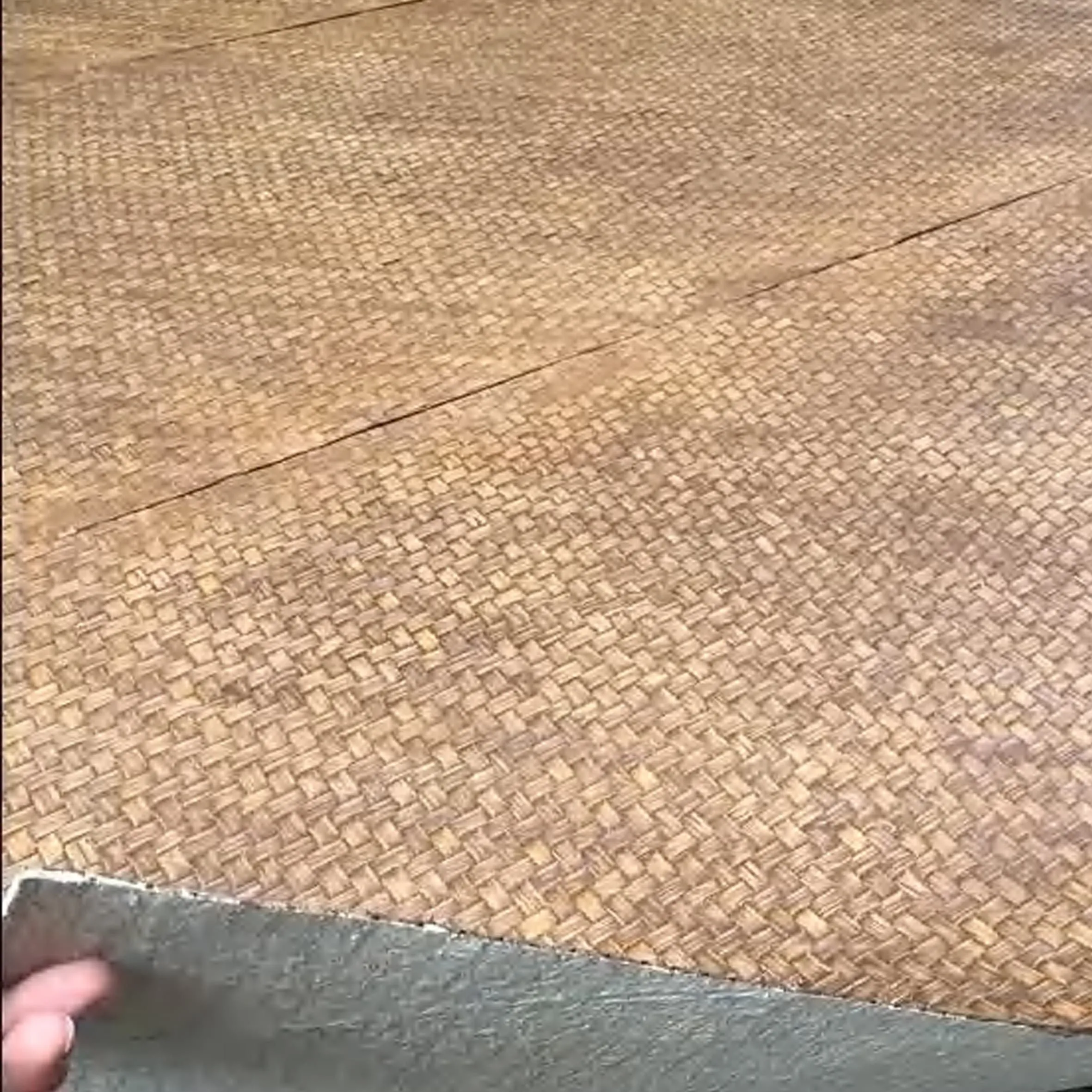
One of the best things about bamboo mat board is how it plays nice with others. It's not a diva material that demands the spotlight; instead, it elevates the materials around it, creating layered, dynamic spaces. Let's break down a few winning combinations—including some familiar faces from the world of interior design.
| Material | Texture | Color Palette | Ideal Room | Design Style |
|---|---|---|---|---|
| Bamboo Mat Board | Woven, ridged, soft to the touch | Golden-amber, honey, amber streaks | Any room (living, bedroom, kitchen) | Minimalist, Japandi, Bohemian |
| Wood Grain Board | Smooth with linear wood patterns | Warm browns, chestnut, oak tones | Kitchen, Dining Room | Traditional, Farmhouse, Mid-Century Modern |
| Fair-Faced Concrete | Raw, slightly porous, industrial edge | Grey, off-white, subtle speckles | Living Room, Home Office | Industrial, Modern, Minimalist |
| Travertine (Beige) | Matte, pitted, organic stone texture | Warm beige, ivory, soft taupe | Bathroom, Entryway | Mediterranean, Contemporary, Rustic |
| Weaving (Khaki) | Loose, tactile, fibrous | Muted khaki, olive, sand | Bedroom, Living Room | Bohemian, Coastal, Global |
Let's start with wood grain board—a natural partner, given their shared organic roots. While bamboo mat board brings a woven, artisanal texture, wood grain board offers a smoother, more uniform look with classic wood patterns (think oak planks or walnut swirls). Together, they create a layered woodsy vibe that feels grounded and inviting. A kitchen with bamboo mat board cabinet doors and wood grain board countertops, for example, balances visual interest with functionality—the bamboo adds texture to the cabinets, while the wood grain provides a durable, easy-to-clean surface for meal prep.
Then there's fair-faced concrete, that industrial darling known for its raw, unpolished charm. Pairing it with bamboo mat board is like adding a soft blanket to a concrete bench—suddenly, the industrial edge softens, and the space feels warm instead of cold. Imagine a home office with fair-faced concrete walls and a bamboo mat board desk: the concrete adds structure and modernity, while the bamboo brings in nature, making long workdays feel less like a cubicle and more like a treehouse (minus the leaves, but you get the idea).
For those who love earthy, stone-inspired spaces, travertine (beige) is a match made in design heaven. Travertine's pitted, porous texture and warm beige tones complement bamboo's golden hues, creating a cohesive "desert meets forest" aesthetic. In a bathroom, for instance, bamboo mat board shower walls (sealed, of course) paired with travertine (beige) floor tiles would evoke a spa-like calm—think sunlit mornings, steam from the shower, and the subtle scent of eucalyptus. It's a combination that feels both luxurious and down-to-earth.
And let's not forget textiles. Weaving (khaki), with its loose, fibrous texture and muted earthy tones, adds yet another layer of coziness when paired with bamboo mat board. A bedroom with a bamboo mat board headboard and weaving (khaki) throw pillows on the bed? It's like wrapping yourself in a hug every time you walk in. The key here is contrast in texture—bamboo's structured weave vs. weaving's soft drape—creating a space that feels lived-in and loved.
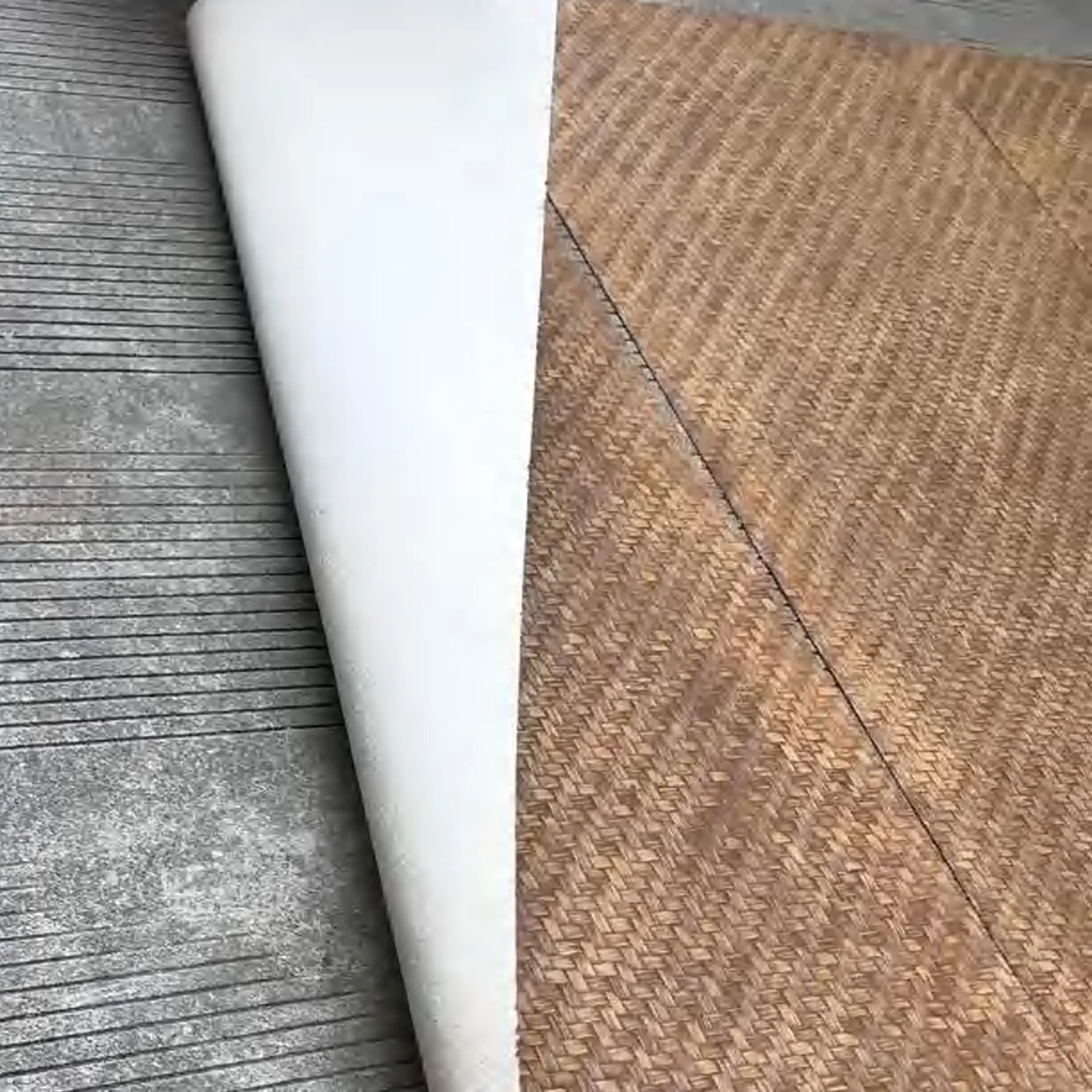
Now that we've covered the "why" and "with what," let's get practical: how exactly do you incorporate bamboo mat board into your home? The answer is… just about anywhere. Here's a room-by-room guide to sparking ideas.
The living room is where we gather, so it should feel welcoming. A bamboo mat board accent wall is a classic choice—install it behind the sofa or TV unit to create a focal point. Pro tip: Leave the rest of the walls neutral (ivory, light grey) to let the bamboo shine. Pair it with a fair-faced concrete coffee table and a few weaving (khaki) throw blankets draped over the armrests, and you've got a space that's equal parts modern and inviting. For extra flair, add a few potted plants (snake plants or pothos work well) to echo the natural theme.
If an accent wall feels too bold, start small with furniture. A bamboo mat board side table or bookshelf adds texture without overwhelming. I recently helped a friend refinish her old wooden bookshelf by covering the back panel with bamboo mat board—now, when you walk into her living room, your eye is drawn to the books, but the bamboo adds a subtle "wow" factor that makes the shelf feel custom and unique.
Your bedroom should be a sanctuary, and bamboo mat board can help create that "escape" feeling. A headboard is a fantastic place to start—whether you DIY a simple panel or invest in a custom-made design. Imagine waking up to a bamboo mat board headboard, with the morning light filtering through sheer curtains and casting soft shadows on its woven texture. Pair it with crisp white linens, a few weaving (khaki) cushions, and a wood grain board nightstand, and you've got a bedroom that feels calm, cozy, and totally you.
Closet doors are another underrated spot for bamboo mat board. Swap out plain sliding doors for bamboo mat board panels, and suddenly, getting dressed in the morning feels less like a chore and more like stepping into a boutique. The texture adds visual interest to an often-overlooked area, and the warm color makes even the messiest closet (we've all been there) look a little more put-together.
Kitchens can feel utilitarian, but bamboo mat board is here to change that. Cabinet doors are a great application—opt for a sleek, flat-panel design with bamboo mat board facing, and suddenly, your kitchen cabinets feel less like storage and more like art. Pair them with wood grain board countertops and stainless steel appliances for a balanced look: the bamboo adds warmth, the wood grain adds durability, and the steel adds modernity. It's a trio that works for both cooking enthusiasts and casual meal-preppers alike.
For a more dramatic statement, consider a bamboo mat board backsplash. Unlike tile, which can feel busy, bamboo mat board creates a seamless, organic backdrop that makes your stove and sink area feel like part of the natural world. Just be sure to seal it with a food-safe, moisture-resistant sealant to protect it from splatters and steam.
Yes, even bathrooms! With the right sealant, bamboo mat board can handle moisture, making it a unique alternative to tile or stone. Imagine a shower with bamboo mat board walls, paired with travertine (beige) floor tiles and a rainfall showerhead—suddenly, your morning rinse feels like a tropical retreat. Or use it as a vanity backsplash, adding warmth to a space that's often dominated by cold porcelain and chrome fixtures.
Pro tip: In small bathrooms, bamboo mat board can make the space feel larger. Its light color and texture reflect light, creating the illusion of more room. Just avoid using it on the ceiling (steam loves to linger there, even with ventilation), and stick to walls or vanities instead.
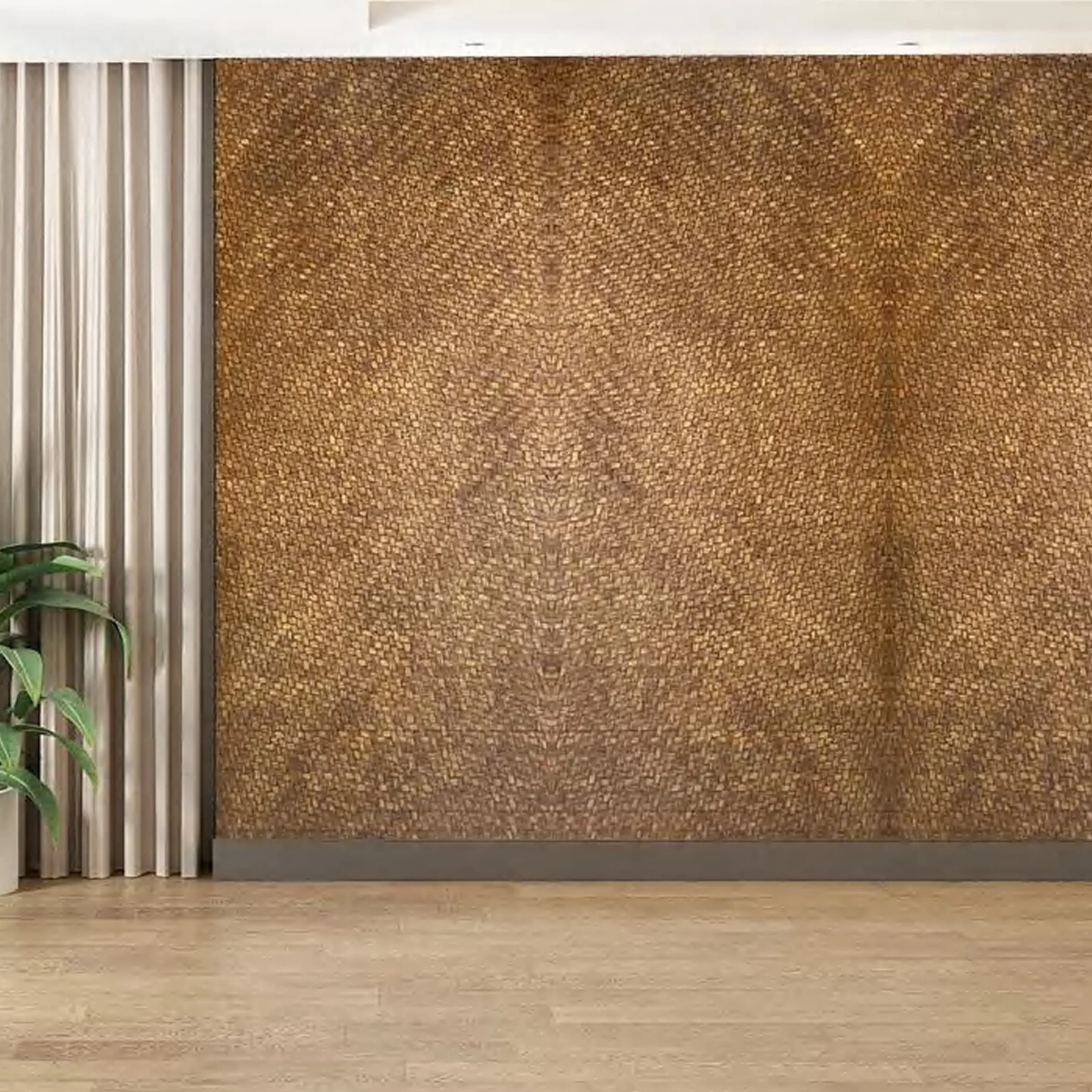
Let's be real: As much as we love pretty things, we also need them to work. Luckily, bamboo mat board checks the "practical" box with ease. Let's start with durability. Unlike softwoods (looking at you, pine), bamboo is naturally hard—harder than oak, in fact—which means it resists scratches, dents, and general wear and tear. Have kids or pets? Bamboo mat board can handle the chaos of toy trucks, dog nails, and the occasional spilled juice box (just wipe it up quickly, and you're good).
Maintenance is a breeze, too. No fancy cleaners required—just a damp cloth and mild soap for spills, and a dry cloth to buff away dust. Unlike some natural materials (we're talking to you, marble), bamboo mat board doesn't stain easily, and it won't fade in sunlight if you choose a UV-resistant sealant. It's the kind of material that looks better with age, developing a subtle patina over time that adds character (think of it like a favorite leather jacket—better the more you use it).
And let's not forget the eco-friendly angle. In a world where "sustainable living" is more than a buzzword, bamboo mat board delivers. It's made from renewable bamboo, requires minimal processing, and most manufacturers use low-VOC adhesives, meaning better air quality for your home. Plus, since bamboo grows so quickly, choosing it over hardwoods helps reduce deforestation—so you can feel good about your design choices, both for your home and the planet.
Last but not least: cost. High-end materials like teak or marble can break the bank, but bamboo mat board offers a luxury look at a fraction of the price. It's accessible, making it possible for renters, first-time homeowners, and design enthusiasts on a budget to create spaces that feel high-end without the high cost. It's democratizing good design, one woven bamboo strip at a time.
At the end of the day, bamboo mat board isn't just another interior design trend. It's a reflection of how we want to live now: connected to nature, mindful of our impact, and surrounded by spaces that feel warm, personal, and full of life. It's a material that adapts to our needs—whether we're chasing minimalist calm, bohemian vibrancy, or industrial edge—and it does so with grace, durability, and a whole lot of heart.
So, if you're dreaming of a home that feels less like a magazine spread and more like "you," consider adding bamboo mat board to the mix. Pair it with wood grain board for a cozy cabin vibe, or with fair-faced concrete for modern edge. Drape it with weaving (khaki) textiles, or let it shine alongside travertine (beige) for earthy elegance. However you use it, one thing's for sure: bamboo mat board isn't just decorating spaces—it's transforming them into homes.
And isn't that the point? To create spaces that don't just look good, but feel good—spaces that welcome us in, tell our stories, and make us glad to be home. With bamboo mat board, that dream is a little easier to reach. So go ahead—give it a try. Your home (and the planet) will thank you.
Recommend Products












