
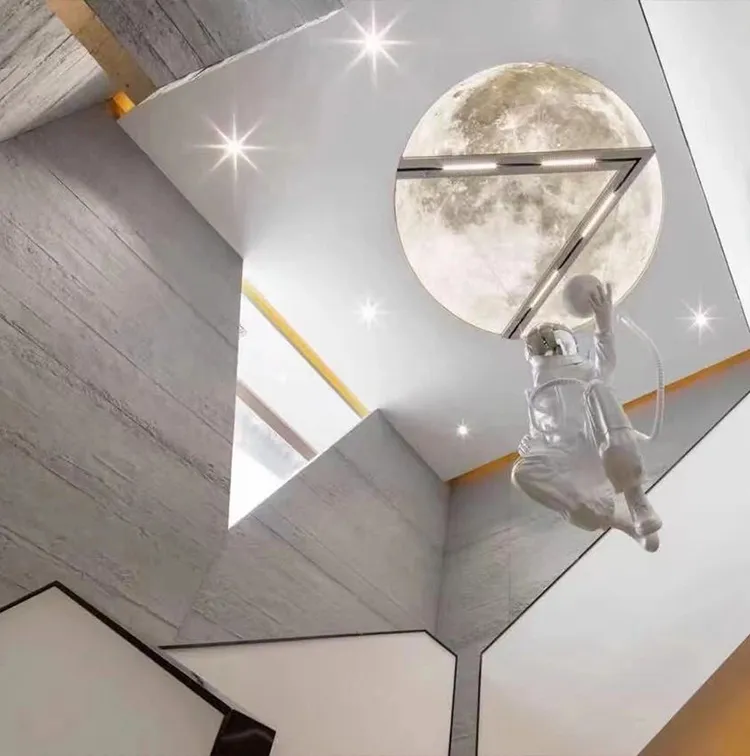
There's something magical about walking into a room and feeling an instant "wow" factor. More often than not, that feeling comes from a well-designed accent wall— a single wall that breaks the monotony of a space, adds personality, and becomes the focal point of the room. But here's the thing: choosing the right material for that accent wall can be tricky. Paint is too temporary, wallpaper peels, and natural stone? Beautiful, but heavy on the wallet and the walls. That's where cement board steps in. Over the past few years, I've watched this humble material transform from a construction staple into an interior design darling, and today, I want to take you through why it might just be the perfect choice for your next accent wall project.
Let's start with the basics: what even is cement board? Think of it as a hybrid material— a mix of cement, fiberglass, and sometimes wood fibers, pressed into rigid sheets. It's been used for decades behind tiles in bathrooms and kitchens because of its water resistance, but interior designers have recently caught on to its aesthetic potential. What makes it stand out for accent walls? For starters, it's durable. Unlike drywall that dents if you bump a chair into it, or wood that warps in humidity, cement board holds up. I've seen a cement board accent wall in a busy family room with kids and pets, and after five years, it still looks as crisp as the day it was installed. No scratches, no discoloration— just that same raw, textured charm.
Then there's versatility. Cement board isn't a one-trick pony. It comes in a mind-boggling range of finishes, textures, and colors, which means it can fit into any design style. Want a sleek, modern living room? Go for a smooth, fair-faced concrete finish. Craving rustic warmth? Opt for a wood grain board that mimics the look of reclaimed oak but without the upkeep. And if you're into earthy, organic vibes, rammed earth board — with its layered, soil-like texture— feels like bringing a piece of the outdoors in. It's like having a chameleon in your design toolkit.
Cost is another win. Natural stone like marble or granite can cost hundreds per square foot, and even high-end wallpaper adds up with installation fees. Cement board, on the other hand, is surprisingly affordable. A 4x8 sheet typically runs between $20 to $50, and since it's lightweight, installation costs are lower too. For homeowners who want a high-end look without the high-end price tag, this is a game-changer.
One of the biggest misconceptions about cement board is that it's all cold, industrial gray. Nothing could be further from the truth. Today's manufacturers have gotten creative, and the options are endless. Let's dive into a few standout finishes that I've seen steal the show in residential projects.
If you love the look of exposed concrete but don't want to pour a whole wall, fair-faced concrete cement board is your answer. It has that same unpolished, matte finish with subtle variations in tone— tiny flecks of aggregate, hairline cracks that add character, and a soft, neutral base that plays well with bold decor. I recently helped a client design their home office with a fair-faced concrete accent wall behind their desk. They paired it with black metal shelves, a leather chair, and warm wood flooring, and the result? A space that feels both grounded and inspiring. It's industrial without being harsh, modern without feeling sterile.
Here's a secret: some of the most convincing "wood" accent walls I've seen aren't wood at all. They're wood grain board cement panels. These boards are embossed with hyper-realistic wood textures— think oak planks, cedar shingles, even weathered barnwood. The best part? They don't scratch like real wood, they're resistant to moisture (so no warping in bathrooms!), and you don't have to worry about termites or staining every year. A friend of mine used wood grain cement board in her dining room, and guests constantly ask where she sourced the "reclaimed wood." When she tells them it's cement, their jaws drop. Pro tip: Stain it with a warm walnut or honey tone to enhance the wood-like effect, or leave it natural for a more contemporary twist.
For something truly unique, rammed earth board is a stunner. Inspired by traditional rammed earth construction— where layers of soil, clay, and gravel are compacted to form walls— these cement panels mimic that layered, earthy texture. They come in warm hues like terracotta, sand, and soft gray, with subtle gradients that look like they've been shaped by time. I installed a rammed earth accent wall in a master bedroom last year, and it instantly became the room's soul. The walls felt soft, almost tactile, and when paired with linen bedding and woven rugs, the space had this serene, spa-like quality. It's perfect for anyone who wants their home to feel connected to nature.
Marble is beautiful, but let's be real— it's expensive and porous. Marble concrete board offers a clever workaround. These panels are engineered to look like marble, with veining patterns that range from delicate white-on-white to bold gray swirls. They're denser than real marble, so they resist stains and scratches, and they're a fraction of the cost. I used a marble concrete board in a small powder room once, and it transformed the space from drab to elegant. Paired with a gold mirror and black hardware, it felt like a high-end hotel bathroom— without the high-end price tag. It's proof that you don't need to splurge on natural stone to get that luxury look.
If you love the look of stacked stone but cringe at the thought of installing heavy, mortar-covered rocks, flexible stone cladding panels are a revelation. These thin, bendable cement panels are designed to look like natural stone— think slate, travertine, or even river rock— but they weigh next to nothing. That means you can install them on interior walls without reinforcing the structure, which is a huge plus for renters or anyone hesitant about major renovations. I used flexible stone cladding in a client's fireplace surround, and it gave the room this cozy, cabin-like vibe. The panels curved slightly around the fireplace edge, creating a seamless, custom look. And since they're cement-based, they're fire-resistant— an added bonus for a space with a hearth.
Now that you know the "what" of cement board, let's talk about the "how." Where should you install it, and how do you make it shine? Here are a few design ideas I've tested and loved over the years.
The living room is often the heart of the home, so why not make it unforgettable? A cement board accent wall behind the sofa can anchor the space and set the tone. For a modern look, go with fair-faced concrete and add pops of color with throw pillows, a vibrant rug, or a gallery wall of abstract art. The contrast between the cool concrete and warm accents creates balance. If you prefer a more laid-back vibe, wood grain board paired with a leather sofa and woven baskets feels inviting and timeless. I once designed a living room with a wood grain cement board wall painted in a soft sage green— it was like bringing the forest indoors, and the room became everyone's favorite spot to curl up with a book.
Your bedroom should be a sanctuary, and a cement board accent wall can help create that peaceful atmosphere. Try rammed earth board in a soft beige or terracotta behind the bed. The earthy texture feels grounding, and it pairs beautifully with neutral bedding and warm lighting. For a more dramatic, moody look, go with a dark gray marble concrete board and add gold accents— think a metallic lamp, a velvet headboard, or brass picture frames. It's luxurious without being overwhelming, and it makes bedtime feel like a mini retreat.
Kitchens are high-traffic areas, so durability is key— and cement board delivers. A cement board backsplash is a smart alternative to tile, especially if you want a seamless look. Fair-faced concrete works here, as it's easy to clean and resists heat and stains. Pair it with white cabinetry and black countertops for a modern, industrial vibe, or with warm wood cabinets for a more rustic feel. I also love using wood grain board on a kitchen accent wall (not behind the stove— stick to non-heat zones!) to add warmth. One client did this in their open-concept kitchen/dining area, and the wood grain wall tied the two spaces together beautifully.
Bathrooms are tricky because of moisture, but cement board thrives here. Unlike wood or wallpaper, it won't peel or warp, making it ideal for a shower accent wall or a feature wall behind the vanity. Flexible stone cladding panels in a light travertine finish add texture without making the space feel dark, while marble concrete board in white or soft gray feels spa-like. I installed a marble concrete board accent wall in a small bathroom once, and it made the room feel larger— the reflective surface bounced light around, and the clean lines kept things from feeling cluttered. Just make sure to seal the cement board with a water-resistant sealer to be extra safe (though most cement boards for interiors come pre-sealed).
You might be wondering: Can I install a cement board accent wall myself? The short answer is yes— if you're comfortable with basic tools. Cement board is lighter than natural stone, so it's easier to handle, and it cuts with a utility knife or a circular saw (just wear a dust mask!). Here's a quick breakdown of the steps: First, prep the wall— make sure it's clean, dry, and flat. Then, measure and cut the cement board panels to size. Apply construction adhesive to the back of each panel, then secure them to the wall with screws (use corrosion-resistant screws to prevent rust). Fill in the screw holes with cement-based filler, sand it smooth, and then paint or seal the panels. That's it! Of course, if you're not handy, hiring a pro is always an option— especially for tricky cuts or curved walls. But for most homeowners, a weekend is all it takes to transform a wall.
One of the best things about cement board is that it's low-maintenance. Unlike wood that needs refinishing or stone that needs sealing every year, cement board just needs a little TLC. For day-to-day cleaning, wipe it down with a damp cloth or a soft brush to remove dust. If there's a stubborn stain (like a coffee spill), mix a little mild dish soap with water and gently scrub— avoid harsh chemicals or abrasive sponges, as they can dull the finish. Every few years, you might want to reseal the board with a clear, water-based sealer to protect against moisture, especially in bathrooms or kitchens. That's it! No fancy products, no expensive treatments— just simple care that keeps your accent wall looking great for years.
Still on the fence? Let's compare cement board to other popular accent wall materials. The table below breaks down the key factors— durability, installation ease, cost, and aesthetic— to help you decide.
| Material | Durability | Installation Ease | Cost (per sq. ft.) | Aesthetic |
|---|---|---|---|---|
| Cement Board (e.g., fair-faced concrete) | High (resistant to dents, moisture, and warping) | Moderate (DIY-friendly with basic tools) | $5–$15 | Raw, textured, versatile (modern, rustic, industrial) |
| Wood (e.g., reclaimed planks) | Medium (prone to scratches, warping, and termites) | Moderate (requires cutting, nailing, and sealing) | $10–$30 | Warm, natural, rustic |
| Natural Stone (e.g., marble, slate) | High (but porous; stains easily) | Difficult (heavy, requires professional installation) | $20–$100+ | Luxurious, elegant, timeless |
| Wallpaper | Low (peels, tears, fades) | Easy (DIY-friendly but messy) | $2–$10 | Patterned, colorful, temporary |
| Wood Grain Board (cement-based) | High (resistant to moisture, scratches, and pests) | Moderate (same as standard cement board) | $6–$18 | Warm, wood-like, low-maintenance |
As you can see, cement board holds its own— offering the durability of stone, the warmth of wood, and the affordability of wallpaper, all in one package. It's the kind of material that works hard but doesn't demand attention— it lets your decor shine while quietly elevating the space.
At the end of the day, an accent wall is more than just a design choice— it's a reflection of your style, your personality, and the story you want your home to tell. Cement board, with its durability, versatility, and raw beauty, gives you the freedom to tell that story without limits. Whether you go for the industrial edge of fair-faced concrete , the rustic charm of wood grain board , or the earthy warmth of rammed earth board , you're not just adding a wall— you're adding a conversation piece, a focal point, and a little bit of magic to your space.
So if you've been staring at a blank wall, wondering how to make it feel special, give cement board a try. I promise— once you see how it transforms your room, you'll wonder why you didn't do it sooner. After all, home isn't just about walls and roofs; it's about the feeling those walls evoke. And with cement board, that feeling is sure to be "wow."
Recommend Products












