
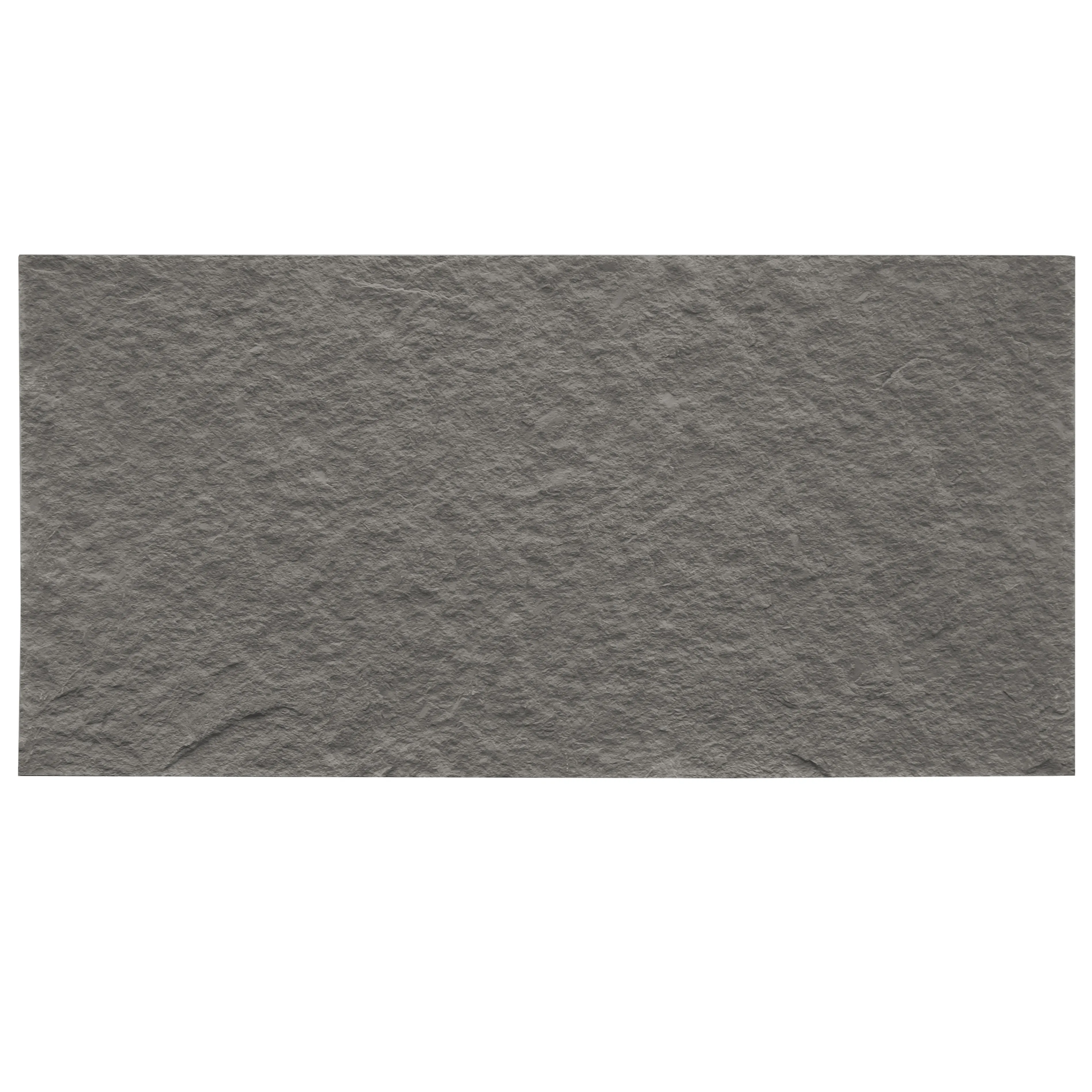
Ever walked into a room and immediately felt drawn to one wall? Not because it was painted a bold color or covered in art (though those help), but because there was something about its texture, its presence, that made it feel like the room's quiet storyteller. That's the magic of an accent wall. It's not just about breaking up a monotony of plain paint or wallpaper—it's about adding depth, personality, and a focal point that turns a "house" into a "home."
In recent years, homeowners and designers alike have moved beyond the safe, predictable choices (looking at you, navy blue accent walls) and started embracing natural materials. There's a reason for that: natural stone, wood, and concrete bring a warmth and authenticity that synthetic materials just can't replicate. They age with grace, showing small signs of wear that only add to their charm, and they connect us to the outdoors in a way that feels grounding, especially in our tech-heavy lives.
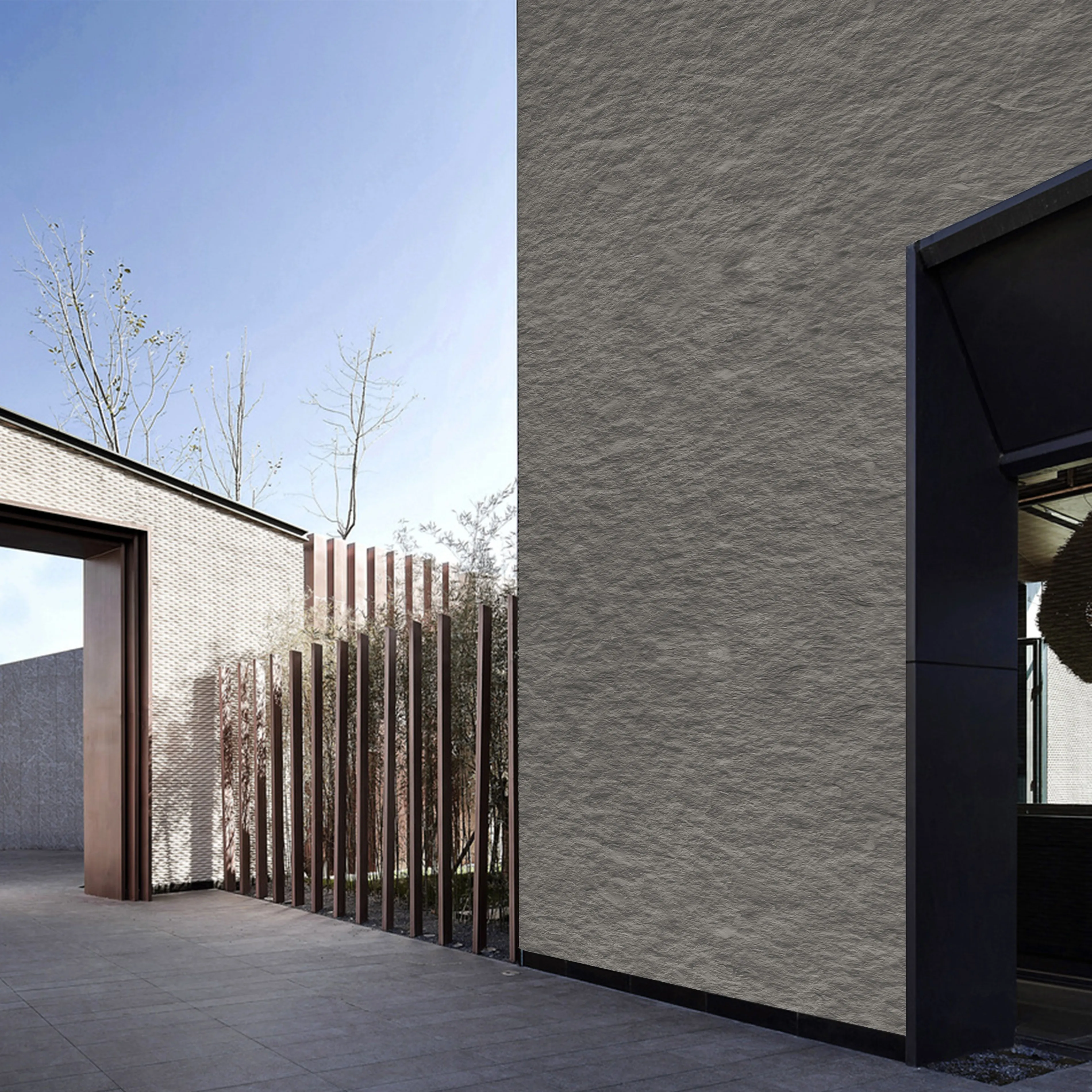
Today, we're diving into one material that's been quietly stealing the spotlight in residential design: rough granite stone, specifically in a versatile medium grey hue. This isn't your polished, high-gloss granite from 2000s kitchen countertops. No—this is granite in its raw, unrefined state, with all the nooks, crannies, and texture that make it feel like a piece of the earth itself. And when used as an accent wall? It's transformative. Let's explore why.
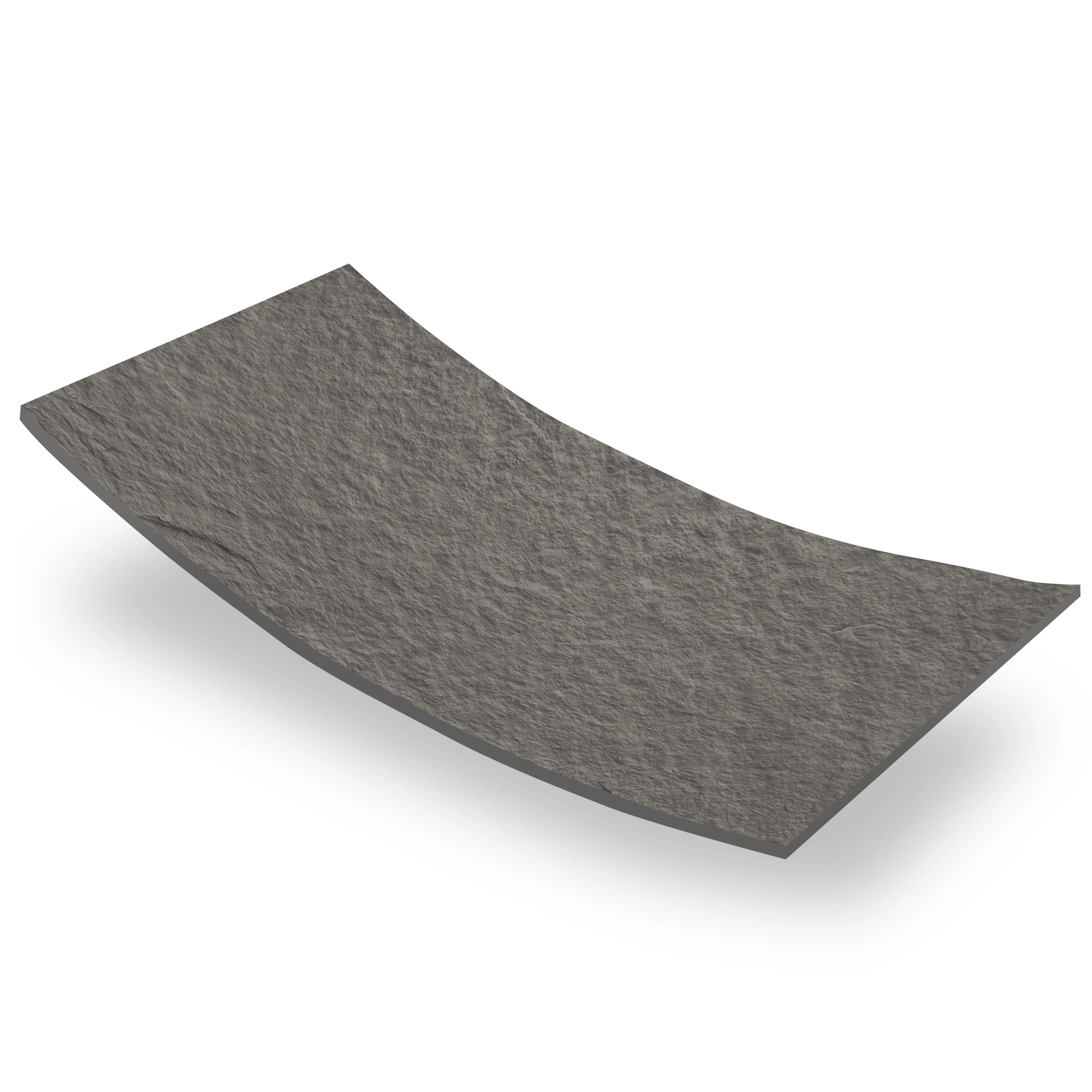
Let's start with the obvious: grey is everywhere in design, and for good reason. It's the ultimate chameleon. Soft enough to be calming, bold enough to make a statement, and versatile enough to pair with just about any color palette—warm beiges, cool blues, earthy greens, even pops of terracotta or mustard. But medium grey? It's the sweet spot. Too light, and it can feel washed out; too dark, and it might overwhelm a small space. Medium grey strikes that perfect balance: it adds depth without heaviness, and it lets other elements in the room (furniture, art, lighting) shine without competing for attention.
Now, add "rough" to the mix. Polished granite is sleek and sophisticated, but rough granite? It's got character. Imagine running your hand over a wall and feeling the uneven surface—tiny ridges, subtle indentations, the occasional fleck of mica catching the light. It's tactile, almost alive. That texture doesn't just look good; it feels good. It turns a wall from a flat, two-dimensional surface into a three-dimensional experience, inviting touch and closer inspection. In a world where so much of our lives is virtual, that physical connection matters.
And let's not forget practicality. Granite is one of the hardest natural stones on the planet—scratch-resistant, heat-resistant, and (with proper sealing) moisture-resistant. Unlike wallpaper that peels or paint that chips, rough granite is built to last. It's an investment, sure, but one that will look just as good in 10 years as it does today. For busy families, pet owners, or anyone who wants a design that can keep up with life's messes, that durability is a game-changer.
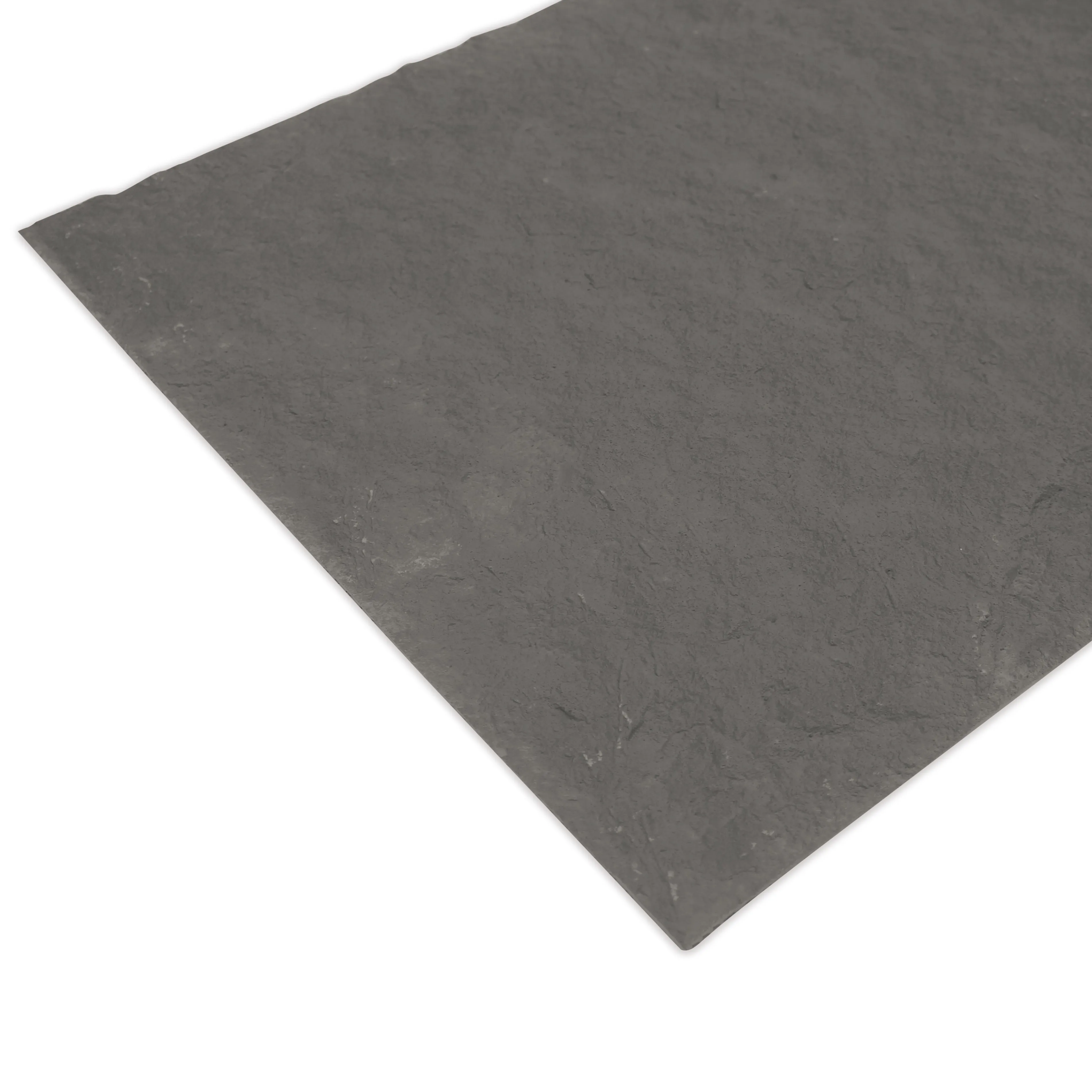
Texture is the unsung hero of interior design. It's what makes a room feel layered and lived-in, rather than sterile and hotel-like. And rough granite stone (medium grey) is a texture superstar. But what exactly makes that "rough" finish so alluring?
First, it's about contrast. In a world of smooth surfaces—sleek sofas, glossy countertops, flat-screen TVs—a rough stone wall adds visual interest by breaking up that uniformity. It's like adding a piece of driftwood to a shelf of glass vases; it creates tension in the best way, making the other elements feel more intentional. In a modern living room with clean lines and minimal decor, a rough granite accent wall becomes the "wow" factor that prevents the space from feeling too cold or clinical.
Then there's the light play. Rough granite doesn't reflect light like polished stone or glass. Instead, it absorbs and scatters it, creating soft shadows and depth throughout the day. Morning sunlight might hit one corner and highlight a vein of quartz; afternoon light could turn a ridge into a subtle glow. Even artificial lighting—warm pendant lights, cool recessed LEDs—interacts differently with the texture, changing the wall's appearance from hour to hour. It's like having a piece of art that evolves with the time of day.
And let's talk about emotion. There's something inherently grounding about rough stone. It evokes images of mountain cabins, ancient cliff dwellings, or even modern lofts with exposed brick—spaces that feel rooted, authentic, and unapologetically human. In a world where we're constantly chasing the "newest" trend, rough granite feels timeless. It doesn't scream for attention; it quietly says, "I'm here, and I'm not going anywhere." That stability is comforting, especially in a home—a place we want to feel safe and enduring.
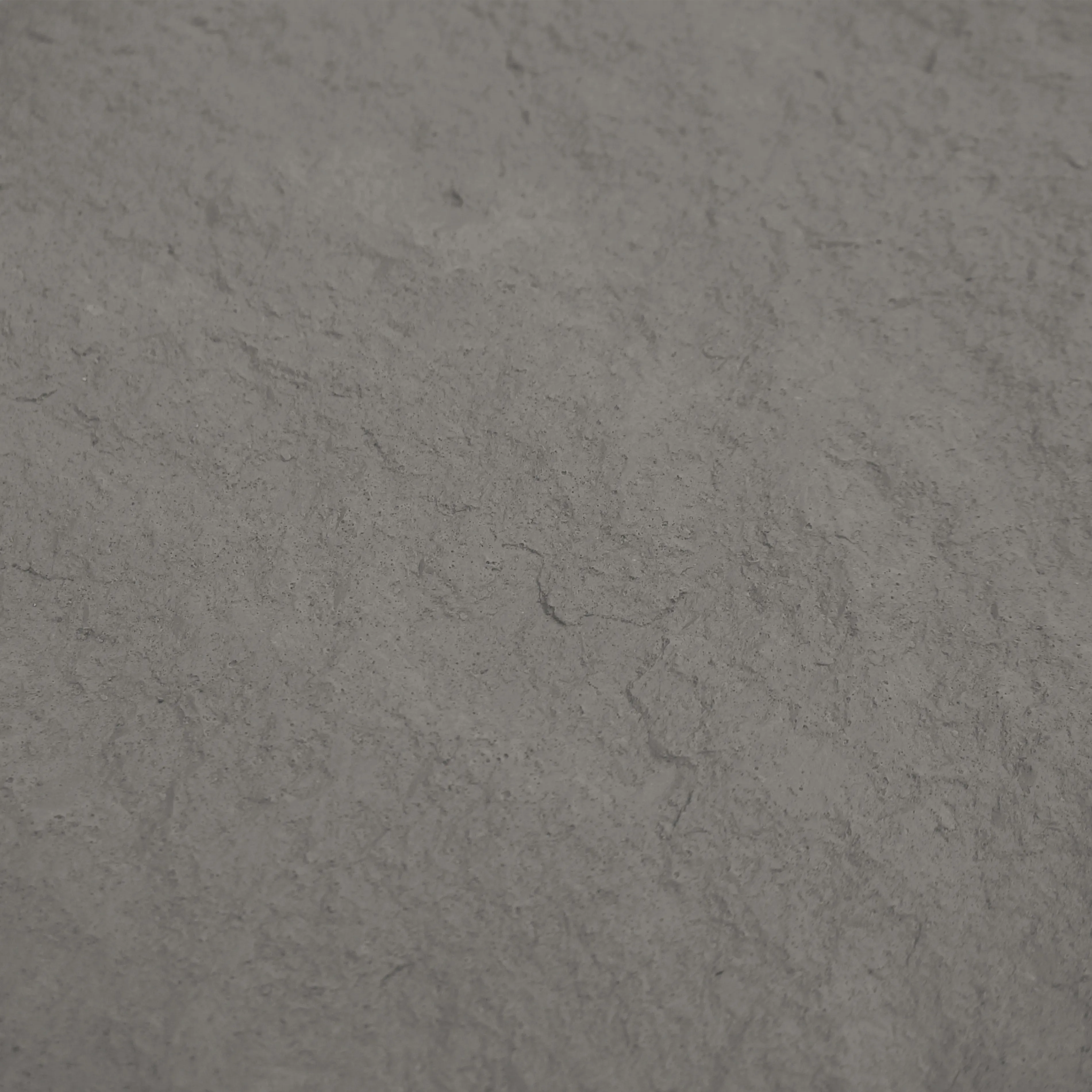
A rough granite accent wall is a star, but even stars need supporting actors. The key to making it work in your home is pairing it with materials that complement its texture and tone, rather than compete with it. Let's break down a few of our favorite pairings—materials that will make your medium grey rough granite wall shine.
If rough granite is the "mountain," wood grain board is the "forest floor"—warm, organic, and the perfect counterpoint to stone's ruggedness. Wood's natural grain, whether straight, curly, or knotty, adds a soft, linear element that balances the granite's uneven texture. And the color contrast? Stunning. Medium grey stone paired with light oak or maple wood grain board creates an airy, Scandinavian-inspired feel, while darker woods like walnut or mahogany add drama and depth.
Pro tip: Use wood grain board for adjacent walls, flooring, or even furniture to tie the space together. For example, in a living room with a rough granite accent wall, opt for a wood grain coffee table and matching bookshelves. The wood will warm up the stone, making the room feel cozy rather than cold. And don't be afraid to mix wood tones—light floors with a medium wood accent piece can add layers of interest without overwhelming the space.
Travertine (beige) is another natural stone, but it's the yin to rough granite's yang. Where granite is hard and angular, travertine is porous and soft, with subtle veining and a warm, creamy tone. Pairing medium grey rough granite with beige travertine creates a palette that feels earthy and balanced—like a walk through a desert landscape at dawn, where cool stone meets warm sand.
How to use it? Try travertine (beige) tiles for the floor in a bathroom with a rough granite accent wall—the contrast will make the space feel spa-like and luxurious. Or use travertine as a backsplash in a kitchen where the granite is the star of the dining nook wall. The key is to let the travertine act as a neutral base, allowing the granite's texture to take center stage. And since both are natural stones, they'll age together beautifully, developing a cohesive patina over time.
Fair-faced concrete—concrete left in its natural state, with visible aggregates and a matte finish—is often associated with industrial or minimalist design. But when paired with medium grey rough granite, it becomes something surprisingly warm. Both materials are raw and unrefined, but concrete's smooth (yet not polished) surface offers a subtle contrast to the granite's roughness.
Imagine a living room with a rough granite accent wall, fair-faced concrete floors, and a concrete fireplace surround. The two materials play off each other's neutral tones, creating a space that feels modern but not sterile. Add in a few soft textiles—like a chunky knit rug or linen sofa—and suddenly, it's industrial chic with a cozy twist. Fair-faced concrete also works well in kitchens: pair a rough granite accent wall with concrete countertops for a look that's equal parts bold and understated.
Lime stone (beige) is another natural stone that pairs beautifully with medium grey rough granite, but with a slightly different vibe than travertine. Lime stone has a more uniform texture and a warmer, creamier tone, with subtle fossils or shell fragments that add a touch of old-world charm. It's like bringing a piece of the Mediterranean into your home—think sunlit villas with stone walls and terracotta roofs.
Use lime stone (beige) for trim work around your granite wall, or as a backsplash in a kitchen with a granite accent. For example, a kitchen with white cabinetry, a rough granite accent wall behind the range, and lime stone (beige) tiles on the adjacent walls feels bright, airy, and timeless. The lime stone softens the granite's edge, while the granite adds the texture the space might otherwise lack. It's a pairing that works in both traditional and modern homes—proof that good design transcends trends.
| Material | Durability (1-5) | Maintenance Level | Style Vibe | Best Paired With |
|---|---|---|---|---|
| Rough Granite Stone (Medium Grey) | 5/5 | Low (seal annually) | Timeless, rugged, earthy | Wood grain board, travertine (beige), fair-faced concrete |
| Wood Grain Board | 3/5 (prone to scratches/staining) | Medium (polish/wax quarterly) | Warm, organic, cozy | Granite, metal accents, soft textiles |
| Travertine (Beige) | 4/5 (porous, needs sealing) | Medium (seal every 6-12 months) | Soft, elegant, spa-like | Granite, marble, neutral paint |
| Fair-Faced Concrete | 4/5 (resistant to wear, prone to staining) | Low (seal annually, wipe spills quickly) | Industrial, minimalist, modern | Granite, metal, leather |
Now that we've covered the "why" and "with what," let's talk about the "where." A rough granite accent wall can work in just about any room, but some spaces benefit more from its texture and presence than others. Here are our top picks for where to install your medium grey rough granite wall—and how to make it work in each space.
The living room is often the first space guests see, and it's where we spend most of our time relaxing, entertaining, or binge-watching our favorite shows. It's the perfect spot for a rough granite accent wall, especially if you place it behind the sofa or fireplace—the natural focal points of the room.
Imagine a living room with a medium grey rough granite wall behind a low-profile sofa. Add a wooden coffee table, a shaggy rug, and floor-to-ceiling curtains in a warm beige or soft blue. The granite wall grounds the space, while the soft textiles keep it cozy. For a modern twist, pair the wall with a sleek TV console and abstract art with pops of color—let the granite be the neutral backdrop that makes the art stand out.
Pro tip: If your living room is small, avoid placing the granite wall on the same wall as the windows—this can make the space feel cramped. Instead, put it on a wall opposite the windows, where it can reflect (softly!) the natural light and make the room feel larger.
Bedrooms are all about comfort and relaxation, but that doesn't mean they can't have a little texture. A rough granite accent wall behind the bed can turn your bedroom into a cozy retreat—think of it as a "mountain escape" without leaving your home.
Pair the medium grey granite with warm wood tones (like a wooden bed frame or nightstands) and soft, neutral bedding (linen in cream, taupe, or light grey). Add string lights or a pendant lamp with a woven shade for ambient lighting—the soft glow will play beautifully off the granite's texture. For a touch of luxury, layer in a faux fur throw or velvet pillows—their smoothness will contrast wonderfully with the stone's roughness.
Word of caution: Avoid using rough granite in a small bedroom with low ceilings, as it can make the space feel closed in. Stick to larger bedrooms or use it on a single wall (like behind the bed) to keep the focus on comfort, not overwhelming texture.
Kitchens are no longer just for cooking—they're for gathering, working, and even dining. A rough granite accent wall here can add personality to an otherwise utilitarian space. While polished granite is common for countertops, rough granite works best as a backsplash or an accent wall (think: the wall behind your range or a small nook off the kitchen).
Pair it with white or light grey cabinetry to keep the space bright, and add gold or brass hardware for a touch of elegance. For a cohesive look, use the same granite for a small section of the backsplash, then transition to subway tiles or travertine (beige) for the rest. And don't forget the floor—wood grain board flooring will warm up the space, while fair-faced concrete adds an industrial edge.
Maintenance note: Kitchens are high-moisture, high-spill areas, so make sure your rough granite is sealed properly (we'll talk more about sealing later!). Wipe up spills immediately, especially acidic ones like lemon juice or vinegar, which can etch the stone over time.
Bathrooms are all about relaxation, and what's more relaxing than a spa-like retreat? A rough granite accent wall can transform your bathroom into a luxurious escape, especially when paired with natural materials like travertine (beige) tiles or wood grain board vanities.
Use the granite on the wall behind the bathtub or shower—imagine soaking in a freestanding tub with a rough stone wall behind you, lit by soft sconces. Add a rainfall showerhead and a wooden bath mat, and you've got a spa day at home. For a smaller bathroom, use the granite as an accent above the vanity, paired with a large mirror to reflect light and make the space feel bigger.
Moisture is a concern here, so again, sealing is key. Look for a high-quality stone sealer designed for wet areas, and reapply it every 6-12 months. You might also want to avoid rough granite in a shower stall itself (the texture can trap soap scum), but as an accent wall outside the shower, it's perfect.
Let's get real: natural stone isn't cheap. But it's an investment—and like any investment, you want to protect it. The good news? Rough granite stone (medium grey) is one of the most durable materials out there, and with a little care, it will look beautiful for decades. Here's what you need to know about keeping your accent wall in top shape.
Granite is porous, which means it can absorb liquids and stains if left unprotected. That's where sealing comes in. A good stone sealer creates a barrier on the surface of the granite, preventing spills from seeping in. For rough granite, we recommend a penetrating sealer (as opposed to a topical sealer), which soaks into the stone rather than sitting on top (topical sealers can make rough textures feel slippery and unnatural).
How often should you seal? For high-traffic areas like kitchens or bathrooms, aim for every 6-12 months. For living rooms or bedrooms, once a year should suffice. To test if your sealer is still working, sprinkle a few drops of water on the wall. If the water beads up, the sealer is good; if it soaks in, it's time to reseal.
Rough granite might look tough, but it's surprisingly low-maintenance. For day-to-day cleaning, all you need is a soft, damp cloth or a microfiber mop (for floors, but since we're talking walls, a cloth works). Avoid harsh cleaners like bleach, ammonia, or vinegar—these can strip the sealer and etch the stone. Instead, use a pH-neutral stone cleaner or simply warm water with a drop of mild dish soap.
For stubborn stains (like a coffee spill or grease splatter), make a paste of baking soda and water, apply it to the stain, and let it sit for 10-15 minutes. Gently scrub with a soft brush (avoid steel wool or abrasive pads, which can scratch the stone), then rinse with warm water. Always dry the area thoroughly to prevent water spots.
Here's the thing about natural stone: it's not perfect, and that's part of its charm. Over time, your rough granite wall might develop small scratches, or the color might fade slightly in areas exposed to direct sunlight. Instead of stressing over these imperfections, embrace them. They tell the story of your home—the kids' sticky fingers, the dinner parties, the lazy Sundays. That's the beauty of "wabi-sabi," the Japanese concept of finding beauty in imperfection. Your granite wall won't look brand-new forever, but it will look yours —and that's far more valuable.
Let's put everything we've talked about into practice with a hypothetical (but totally achievable!) home: a 1,800-square-foot modern rustic house in the suburbs, owned by a young couple who love hosting friends and family but also crave a calm, cozy retreat.
**The Living Room:** The focal point here is a medium grey rough granite accent wall behind the L-shaped sofa. The sofa is a soft, light grey linen, paired with a wooden coffee table (reclaimed oak, for extra character) and a shaggy cream rug. The opposite wall is painted a warm beige, with a large gallery wall of black-and-white family photos. The floor is wood grain board in a light oak finish, which warms up the space and balances the stone's coolness. A stone fireplace (with the same rough granite) sits to the side of the accent wall, tying the two elements together. Natural light floods in through large windows with linen curtains, and the granite wall scatters the light, creating soft shadows throughout the day.
**The Kitchen:** Off the living room, the kitchen features white cabinetry, gold hardware, and a fair-faced concrete countertop. The accent wall here is a small section of rough granite behind the range, paired with travertine (beige) subway tiles for the rest of the backsplash. The floor is large-format porcelain tile that looks like wood grain board, making the space feel cohesive with the living room. A small breakfast nook has a wooden table and chairs, with pendant lights above that cast a warm glow on the granite wall.
**The Primary Bedroom:** The bedroom is a calm retreat, with the rough granite accent wall behind the king-sized bed. The bed frame is dark wood, and the bedding is a mix of cream linen and soft grey velvet. Nightstands are wood grain board with brass lamps, and the floor is plush carpet in a light taupe. A large mirror above the dresser reflects the granite wall, making the room feel bigger and adding depth. String lights drape above the bed, casting a soft glow on the stone's texture at night.
**The Result:** A home that feels warm, authentic, and uniquely theirs. The rough granite walls add texture and personality without overwhelming the space, and the thoughtful pairings (wood grain board, travertine, fair-faced concrete) create a cohesive look that flows from room to room. It's modern without being cold, rustic without being cluttered, and most importantly, it feels like a place where memories will be made for years to come.
At the end of the day, interior design is about more than just aesthetics—it's about creating a space that feels like you . A space that tells your story, supports your life, and grows with you over time. Rough granite stone (medium grey) checks all those boxes. It's timeless yet modern, durable yet beautiful, and versatile enough to work in just about any home.
Whether you're renovating your entire house or just looking to spruce up a single room, consider adding a rough granite accent wall. It's not just a design choice; it's an investment in a home that feels grounded, authentic, and full of character. And when you run your hand over that rough surface, or watch the light play on its texture at sunset, you'll know—you made the right choice.
So go ahead—embrace the rough, the raw, the unapologetically real. Your home (and your future self) will thank you.
Recommend Products












