
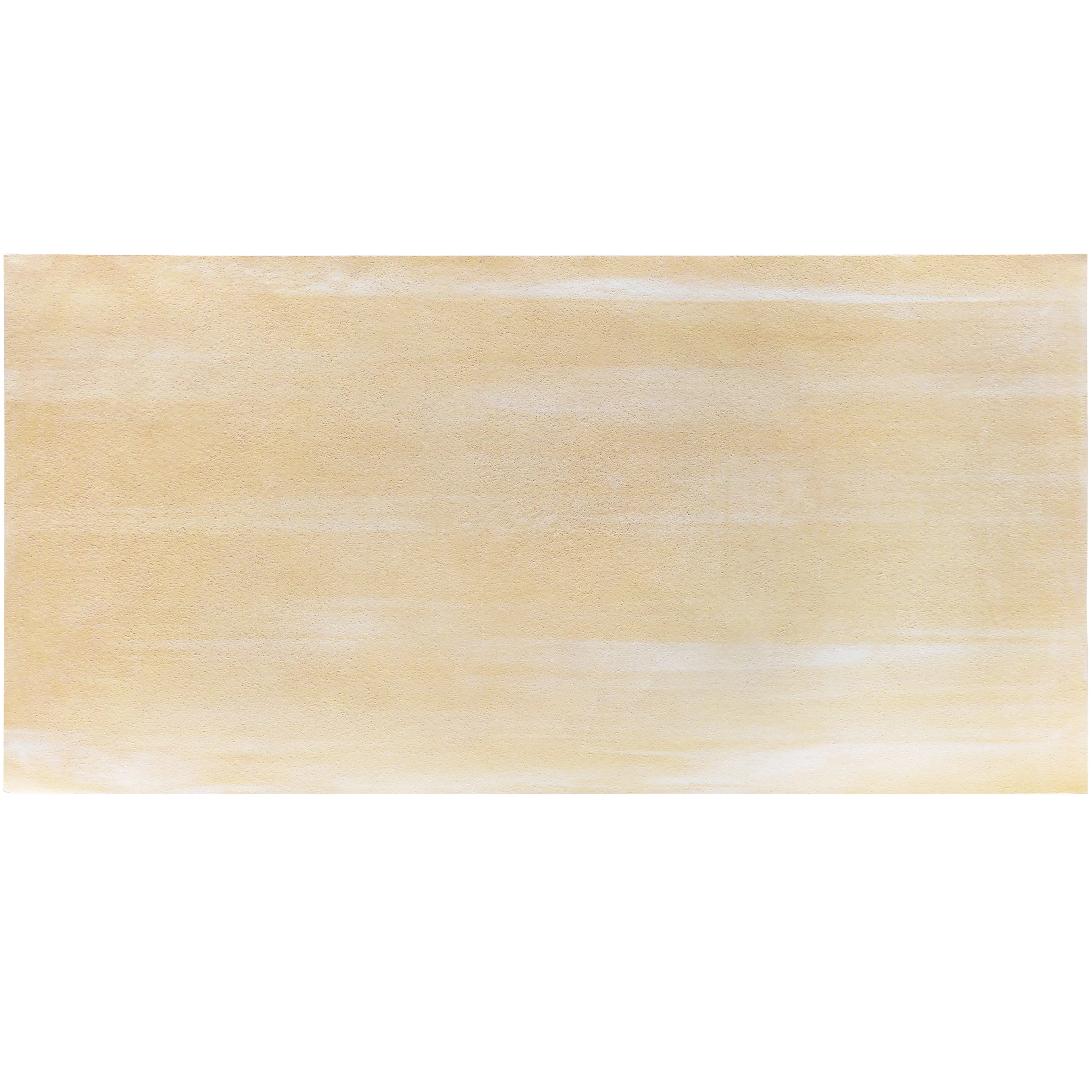
Walls are more than just dividers—they're the silent storytellers of our homes. They catch the morning light, absorb the hum of laughter, and cradle us in comfort at the end of a long day. In the quest to make a house feel like a home, the materials we choose for these walls matter deeply. Too cold, and the space feels sterile; too chaotic, and it loses its calm. That's where sandstone cloude steps in—a material that seems to have been plucked from the softest desert dunes, blending the warmth of natural stone with the clean lines of modern design. It's not just a wall covering; it's a feeling. And when paired with the right companions—like the starry shimmer of travertine (starry blue) , the earthy charm of wood grain board , the industrial edge of fair-faced concrete , and the sleek allure of lunar peak silvery —it transforms a room into something truly alive.
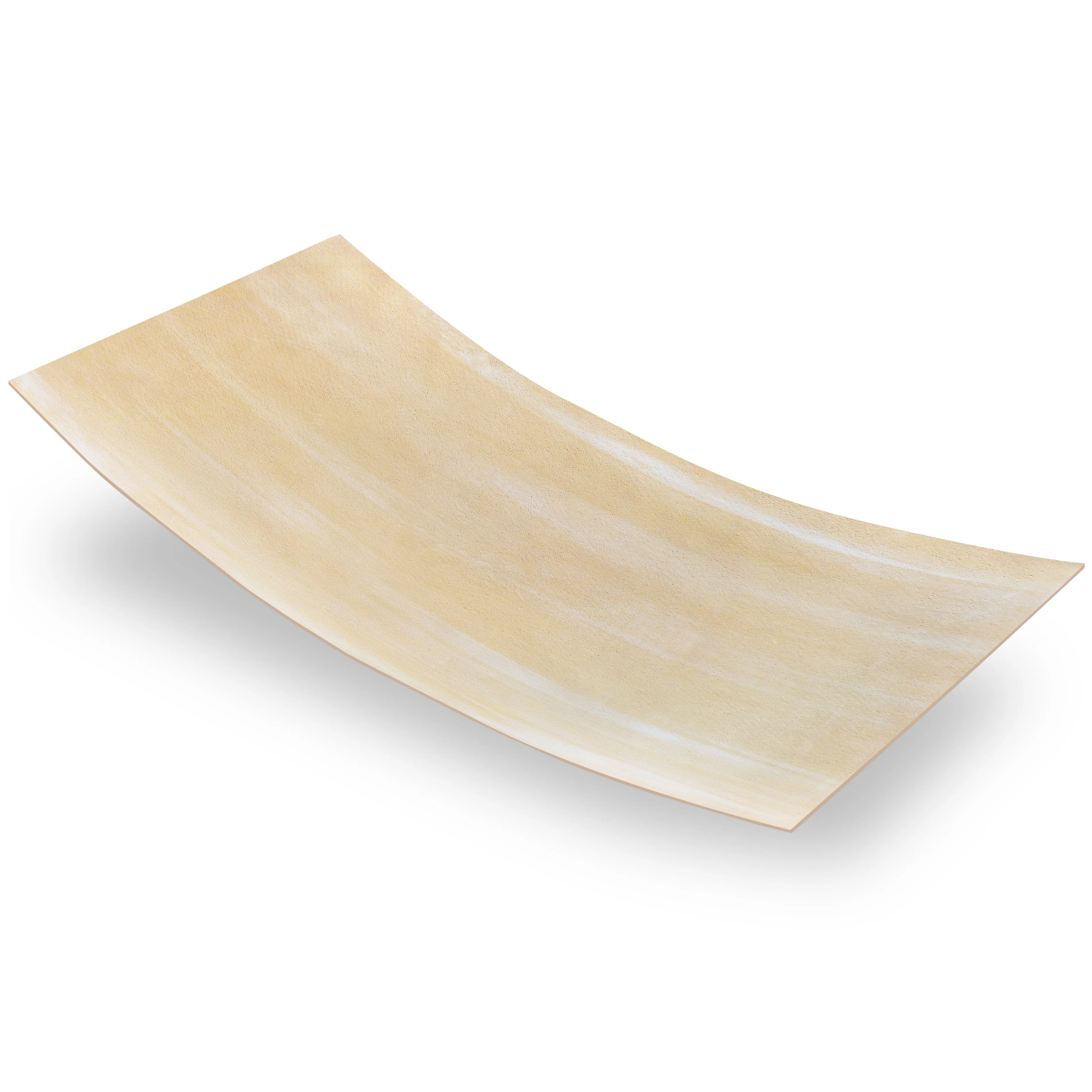
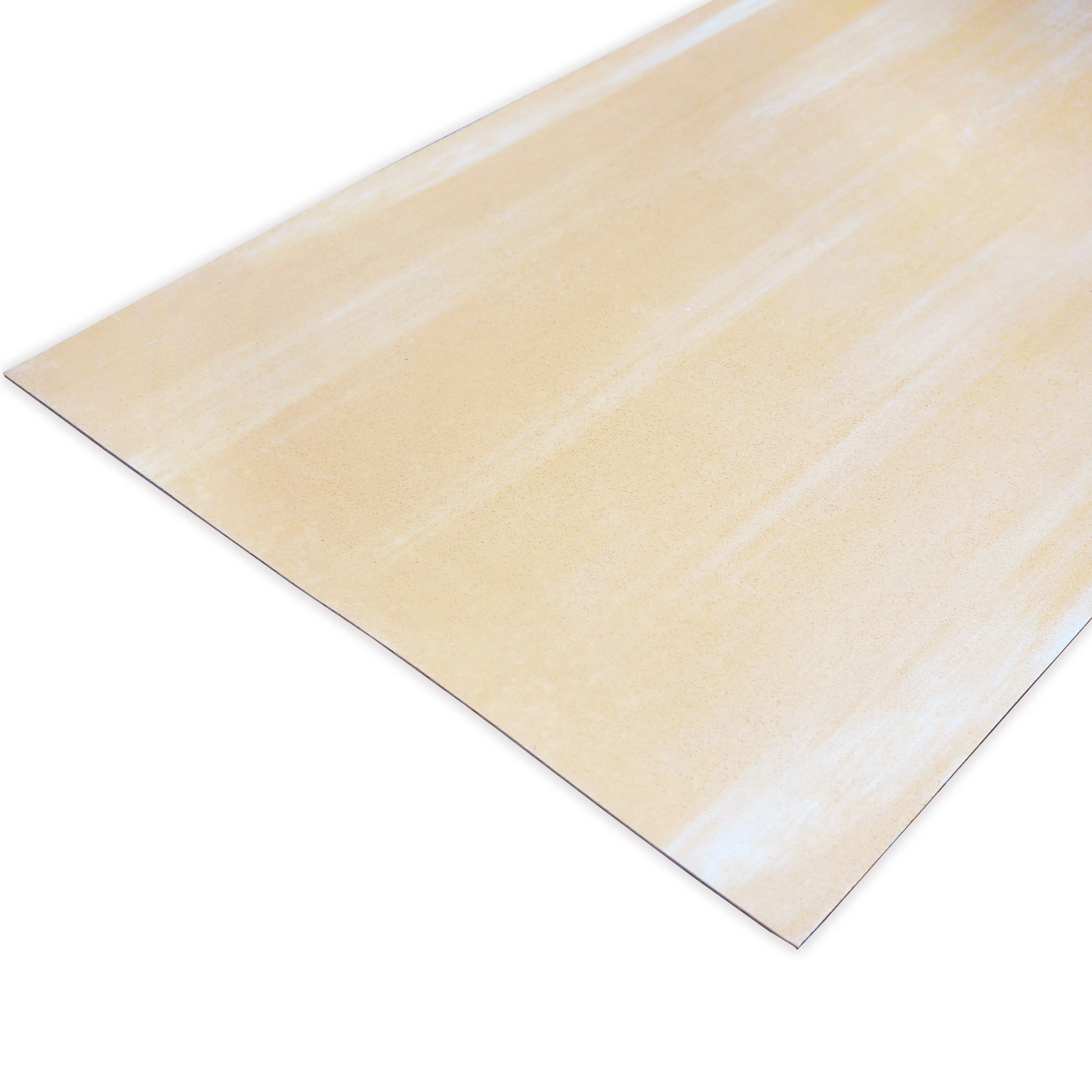
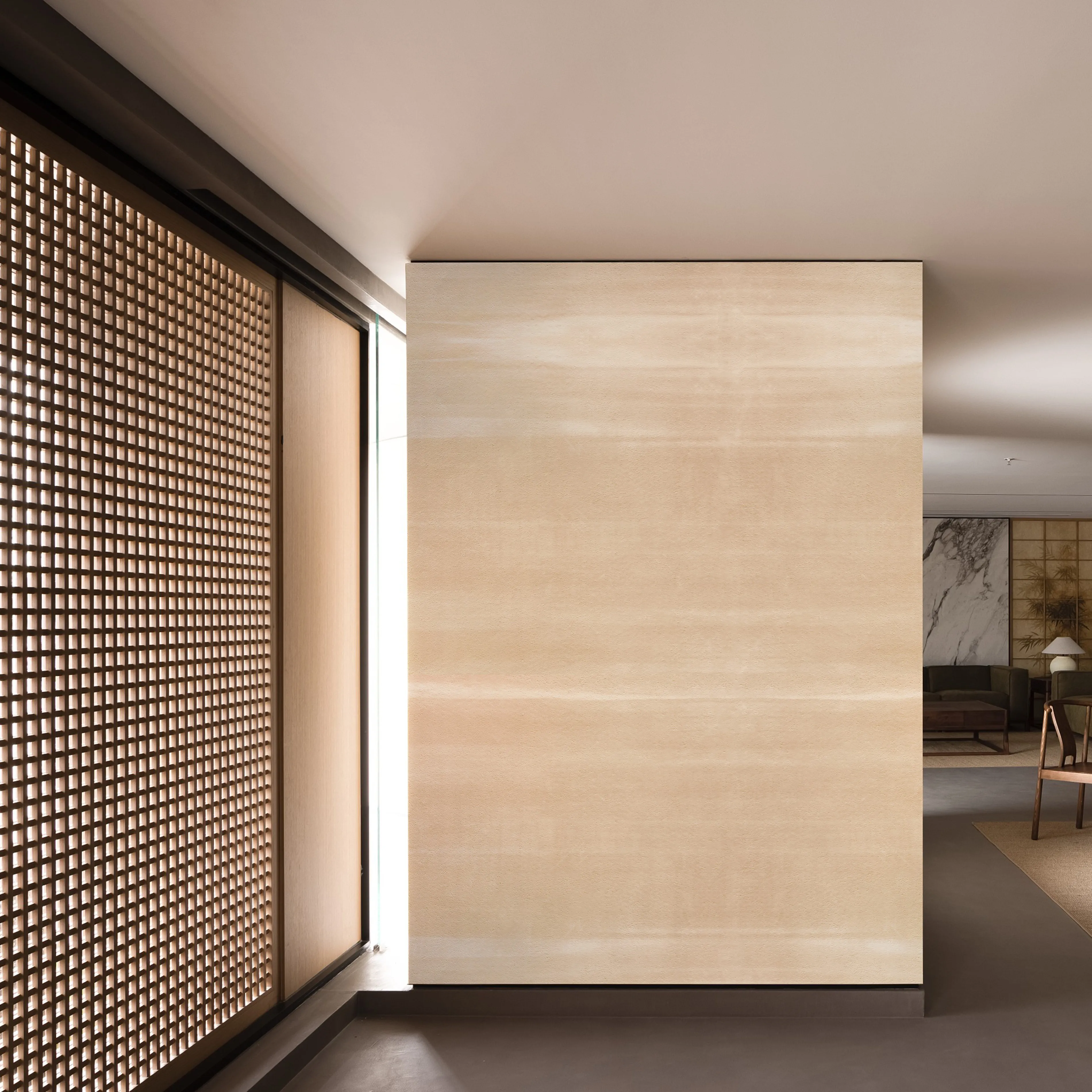
Let's start with the star of the show: sandstone cloude. Run your hand over it, and you'll understand why it's become a favorite among homeowners who crave both style and soul. Unlike polished marble or glossy tiles, this material feels *lived-in*—its texture is soft, almost powdery, like the surface of a sun-warmed sand dune at dusk. The color palette leans into warmth: think soft beiges, muted taupes, and hints of pale gold that shift with the light. In the morning, when sunlight filters through sheer curtains, it glows from within, casting gentle shadows that make the wall look like it's breathing. In the evening, under warm pendant lights, it deepens into a cozy taupe, wrapping the room in a hug.
What I love most about sandstone cloude is its versatility. It doesn't demand attention; it *invites* it. In a bedroom, it turns a plain wall into a sanctuary—imagine waking up to that soft texture, the color mimicking the sky just before sunrise. In a living room, it becomes the backdrop for family movie nights, its neutral tone letting your furniture and art take center stage without clashing. Even in a bathroom, where moisture is a concern, it holds its own (with proper sealing, of course), adding a spa-like serenity that makes every shower feel like a retreat.
But sandstone cloude isn't just about looks. It's practical, too. Made from modified composite materials, it's lighter than natural sandstone, making installation a breeze. It's also surprisingly durable—resistant to scratches, dents, and the everyday chaos of family life (yes, even the kids' sticky fingerprints wipe off easily with a damp cloth). And unlike some stone materials that feel cold to the touch, sandstone cloude retains a subtle warmth, so on chilly winter mornings, you won't flinch when you brush against it. It's the kind of wall that makes you want to lean against it, to feel grounded.
Walls don't have to be one-note—and sandstone cloude plays well with others, especially when paired with something unexpected. Enter travertine (starry blue) : a material that feels like a piece of the night sky trapped in stone. Unlike the warm, earthy tones of sandstone cloude, this travertine leans cool, with a deep blue base that's dotted with tiny, iridescent flecks—like stars twinkling on a clear winter night. It's bold, but not overwhelming, and when placed next to sandstone cloude, the two create a dance of warmth and cool that's utterly captivating.
One of my favorite ways to use these two together is in a home office or reading nook. Picture a wall where sandstone cloude covers three-quarters of the space, soft and calming, while a smaller section—behind a desk or bookshelf—is clad in travertine (starry blue). The contrast sparks creativity: the warm stone keeps you grounded, while the starry blue inspires daydreams. Or, in a bathroom, use sandstone cloude for the main walls and travertine (starry blue) for the shower niche. When the water runs and steam fogs the glass, the blue shimmers like a distant galaxy, turning a routine task into a moment of magic.
Lighting is key here. Travertine (starry blue) comes alive under natural light—those flecks catch the sun and throw tiny rainbows across the room. In the evening, LED strip lights hidden behind a shelf or under a mirror make the blue glow, turning the wall into a piece of art. And because both materials are matte, they avoid the harsh reflections that can make a space feel cold. Instead, they absorb light gently, creating a mood that's both intimate and expansive.
Stone and concrete are beautiful, but every home needs a touch of *wood* to feel like a haven. That's where wood grain board comes in—a material that bridges the gap between the organic texture of sandstone cloude and the modern sleekness of the other elements. Unlike real wood, which can warp or fade, this board is engineered to mimic the look and feel of natural wood without the hassle. Run your finger along its surface, and you'll feel the faint ridges of the grain, warm and tactile, like running your hand over a well-loved oak table.
Pairing wood grain board with sandstone cloude is like adding a cozy sweater to a modern outfit—it softens the edges and adds depth. In the kitchen, imagine sandstone cloude walls with a wood grain board backsplash. The warm beige of the stone balances the light oak of the wood, creating a space that feels both clean and inviting. When you're chopping vegetables or stirring a pot, the wood grain catches the light, reminding you of a country kitchen, while the sandstone keeps it from feeling too rustic. It's the best of both worlds: practical for cooking, but so beautiful you'll want to linger.
Or, in the living room, use wood grain board for floating shelves against a sandstone cloude wall. The shelves themselves become part of the design—their natural grain peeking through vases and books, adding layers of texture. Even better, paint the shelves a soft white to let the wood grain show through, and suddenly you have a display that's both modern and homey. It's the kind of detail that makes guests say, "This feels so *you*."
And let's not forget the bedroom. A headboard wall clad in wood grain board, with sandstone cloude on the adjacent walls, creates a bed nook that's equal parts cozy and sophisticated. The wood wraps around you like a blanket, while the sandstone keeps the space light and airy. It's the perfect spot to curl up with a book on a rainy day, the textures surrounding you like a gentle hug.
For all its warmth, sandstone cloude doesn't shy away from modernity—and neither should your walls. Enter fair-faced concrete : a material that's raw, unapologetic, and surprisingly versatile. Unlike the polished concrete you might see in a sleek restaurant, fair-faced concrete is left in its natural state—porous, with visible seams and tiny air bubbles that tell the story of its creation. It's industrial, but in the best way—adding a cool, contemporary edge that balances the softness of sandstone cloude.
The magic happens when these two materials meet. Take a living room, for example: sandstone cloude on the main wall, fair-faced concrete on the fireplace surround. The contrast is striking: the warm beige of the stone softens the cool gray of the concrete, while the concrete's industrial texture adds depth to the sandstone's smoothness. When the fire is lit, the flames dance on the concrete, casting shadows that play against the sandstone, turning the whole wall into a dynamic scene. It's modern, but not cold—industrial, but inviting.
Or, in a dining area, use fair-faced concrete for a feature wall behind the table, with sandstone cloude on the opposite side. The concrete grounds the space, making it feel intentional, while the sandstone keeps the mood light. Add a wooden dining table and chairs (to tie in the wood grain board), and you have a room that's perfect for both casual weeknight dinners and fancy dinner parties. The concrete is easy to clean (just wipe up spills with a damp cloth), so you never have to stress about red wine stains or crumbs.
What I love most about fair-faced concrete is its honesty. It doesn't pretend to be something it's not—it's just concrete, plain and simple. But in the company of sandstone cloude, it becomes elegant. It's a reminder that modern design doesn't have to be all glass and steel; it can be raw, authentic, and full of heart.
Every great design needs a little "wow" factor—a detail that elevates the space from nice to unforgettable. For that, look no further than lunar peak silvery . This material is like liquid moonlight: sleek, slightly metallic, with a silvery gray base that shimmers subtly when hit by light. It's not as flashy as chrome or gold; it's more understated, like the sheen of a well-polished stone or the glint of a star just before dawn. It adds a touch of sophistication without overwhelming the other elements, acting as the perfect punctuation mark to the story of your walls.
Use lunar peak silvery sparingly, and it becomes a focal point. For example, in a living room with sandstone cloude walls, install a floating shelf made of lunar peak silvery. The contrast between the warm stone and the cool silver is eye-catching, but not jarring. Place a few decorative objects on the shelf—a small potted plant, a vintage book, a ceramic vase—and suddenly the shelf feels like a curated display. Or, in a bathroom, use lunar peak silvery for the vanity countertop, with sandstone cloude walls and travertine (starry blue) shower tiles. The silver ties the blue and beige together, adding a layer of luxury that makes the space feel like a high-end spa.
Another idea: use lunar peak silvery as trim. Run it along the top of a sandstone cloude wall, or around a window frame, and it adds definition without cluttering the space. It's like adding a thin line of silver ink to a watercolor painting—subtle, but it makes the whole piece pop. And because it's a neutral color, it works with any accent shade you might add later—throw pillows in mustard yellow, a rug in deep green, or art in bold red. Lunar peak silvery doesn't compete; it complements.
What's most impressive about this material, though, is its durability. Unlike some metallic finishes that scratch or tarnish, lunar peak silvery holds up to daily life. Wipe it down with a damp cloth, and it shines like new. It's the kind of detail that looks expensive but doesn't require expensive upkeep—a win-win for busy homeowners who want beauty without the stress.
Of course, beauty is only part of the equation. When choosing wall materials, you need to think about *how* you live. Do you have kids who scribble on walls? Pets who scratch? A busy household where spills are inevitable? The good news is, sandstone cloude, travertine (starry blue), wood grain board, fair-faced concrete, and lunar peak silvery are all surprisingly forgiving—with a little care.
| Material | Texture | Color Palette | Best For | Maintenance Tips |
|---|---|---|---|---|
| Sandstone Cloude | Soft, granular, matte | Warm beige, soft taupe, pale gold | Living rooms, bedrooms, bathrooms (with sealing) | Dust with a soft, dry cloth; for deeper cleaning, use a damp cloth and mild soap. Avoid harsh chemicals or abrasive sponges, which can scratch the surface. Seal annually if used in high-moisture areas. |
| Travertine (Starry Blue) | Smooth with subtle pits, iridescent flecks | Deep blue, silver accents, hints of gray | Accent walls, bathroom backsplashes, home offices | Seal once a year to prevent staining. Wipe up spills immediately—especially acidic liquids like coffee or wine, which can etch the surface. Use a pH-neutral cleaner for regular wiping. |
| Wood Grain Board | Smooth with visible grain, warm to touch | Light oak, medium walnut, honey maple | Kitchen backsplashes, shelving, headboards | Dust regularly with a microfiber cloth. For deeper cleaning, wipe with a damp cloth and mild soap, then dry immediately to prevent water damage. Polish with wood conditioner every 6–12 months to keep the grain looking rich. |
| Fair-Faced Concrete | Raw, porous, industrial | Cool gray, off-white, subtle earthy undertones | Fireplace surrounds, dining areas, accent walls | Seal the surface after installation to prevent staining. Avoid acidic cleaners (like vinegar) or abrasive pads, which can wear down the sealant. Wipe spills with a damp cloth and mild detergent. |
| Lunar Peak Silvery | Sleek, slightly metallic, smooth | Silvery gray, subtle shimmer, cool undertones | Trim, shelving, countertops, accent pieces | Wipe with a soft, damp cloth; avoid harsh chemicals that can dull the finish. For fingerprints, use a glass cleaner (ammonia-free) on a microfiber cloth. |
Installation is another consideration. All these materials are lightweight compared to natural stone, which means they're easier to install and won't require extra structural support. Most can be applied with adhesive or screws, depending on the surface. If you're handy, you could even tackle a small project yourself—like a bathroom accent wall with travertine (starry blue). For larger areas, though, it's worth hiring a professional to ensure the materials are applied evenly and sealed properly. A little investment upfront saves time and frustration later.
Let's put it all together with a real example. Imagine a living room in a suburban home, where a young family wanted a space that was both modern and kid-friendly, stylish and cozy. The walls are the canvas, and here's how we brought it to life:
The main wall—behind the sofa—is covered in sandstone cloude, warm and inviting. To the left, a smaller wall (where a TV hangs) is clad in travertine (starry blue), its deep blue base and silver flecks adding a pop of color without overwhelming the space. Below the TV, a media console made of wood grain board ties the two stones together, its light oak finish softening the look. On the opposite wall, a fireplace with a fair-faced concrete surround anchors the room, its cool gray balancing the warmth of the sandstone. Above the fireplace, a floating shelf made of lunar peak silvery holds family photos and a small plant, adding a touch of shine.
The result? A room that feels like *them*. The kids can sprawl on the rug without worrying about scratching the walls; the parents can host friends without stressing about spills. At the end of the day, when the lights dim and the TV is off, the walls glow softly—sandstone cloude warm, travertine (starry blue) twinkling, wood grain board cozy, concrete grounded, and lunar peak silvery shimmering. It's not just a living room; it's a reflection of their lives: busy, beautiful, and full of heart.
At the end of the day, the best wall designs aren't about trends or materials—they're about *feeling*. Sandstone cloude, travertine (starry blue), wood grain board, fair-faced concrete, and lunar peak silvery are more than just products; they're tools to create a space that wraps around you, that makes you sigh when you walk in the door, that feels like *yours*. They blend the warmth of nature with the clarity of modern design, proving that you don't have to choose between comfort and style.
So, as you plan your next home renovation, think beyond paint swatches and wallpaper patterns. Think about how you want to feel when you wake up, when you cook dinner, when you curl up with a book. Think about the textures that make you want to reach out and touch the wall, the colors that make the light feel softer, the materials that tell a story. With sandstone cloude and its companions, you're not just decorating a room—you're building a home.
Recommend Products












