Home is more than just a roof over our heads—it's a canvas where we paint our personalities, a sanctuary where every corner tells a story. And if the soul of a home lies in its details, then the walls are its quiet narrators. They don't just divide spaces; they set the mood, wrap us in comfort, and reflect the little things that make a house feel like *ours*. In recent years, as homeowners and designers alike lean into warmer, more intentional living, there's a growing focus on materials that don't just look good, but *feel* alive. Enter MCM (Modified Composite Material) interior wall panels—a game-changer in residential design. Lightweight, durable, and infinitely customizable, MCM panels are redefining what walls can be. And among their most captivating features? The artful application of "
thread" – not the kind you stitch with, but the subtle, sinuous lines, textures, and patterns that mimic the delicate dance of
thread, weaving personality into every inch of your home.
What Are MCM Panels, and Why Do They Matter in Residential Design?
Let's start with the basics: MCM panels are engineered materials designed to combine the best of nature and technology. Think of them as the chameleons of the building world—they can mimic the look of stone, wood, concrete, or even fabric, but with benefits traditional materials can't match. They're flexible, so they can curve around corners or follow unique architectural lines; lightweight, making installation a breeze (no need for heavy machinery); and eco-friendly, often made from recycled or sustainable components. For homeowners, this means walls that aren't just static backdrops, but dynamic elements that can adapt to any design vision—whether you're going for rustic charm, modern minimalism, or something in between.
But what really sets MCM panels apart is their ability to capture texture. In residential design, texture is the secret ingredient that turns a "nice" room into a "memorable" one. It's the difference between a flat, lifeless wall and one that invites you to reach out and touch it, that catches the light in new ways throughout the day, that feels like it has a history. And when it comes to texture, few motifs are as universally appealing as "
thread."
Thread—whether in the form of gentle veining, linear grooves, woven patterns, or subtle stitched lines—adds movement, softness, and a sense of craftsmanship to walls. It's a design language that speaks to both our love of order (the precision of a well-placed line) and our craving for warmth (the organic, handcrafted feel of something stitched with care).
"Thread" as a Design Language: How MCM Panels Bring It to Life
When we talk about "
thread applications" in MCM interior wall panels, we're referring to any texture, pattern, or detail that evokes the idea of
thread—linearity, continuity, delicacy, or woven depth. It could be the fine, wispy veins in a
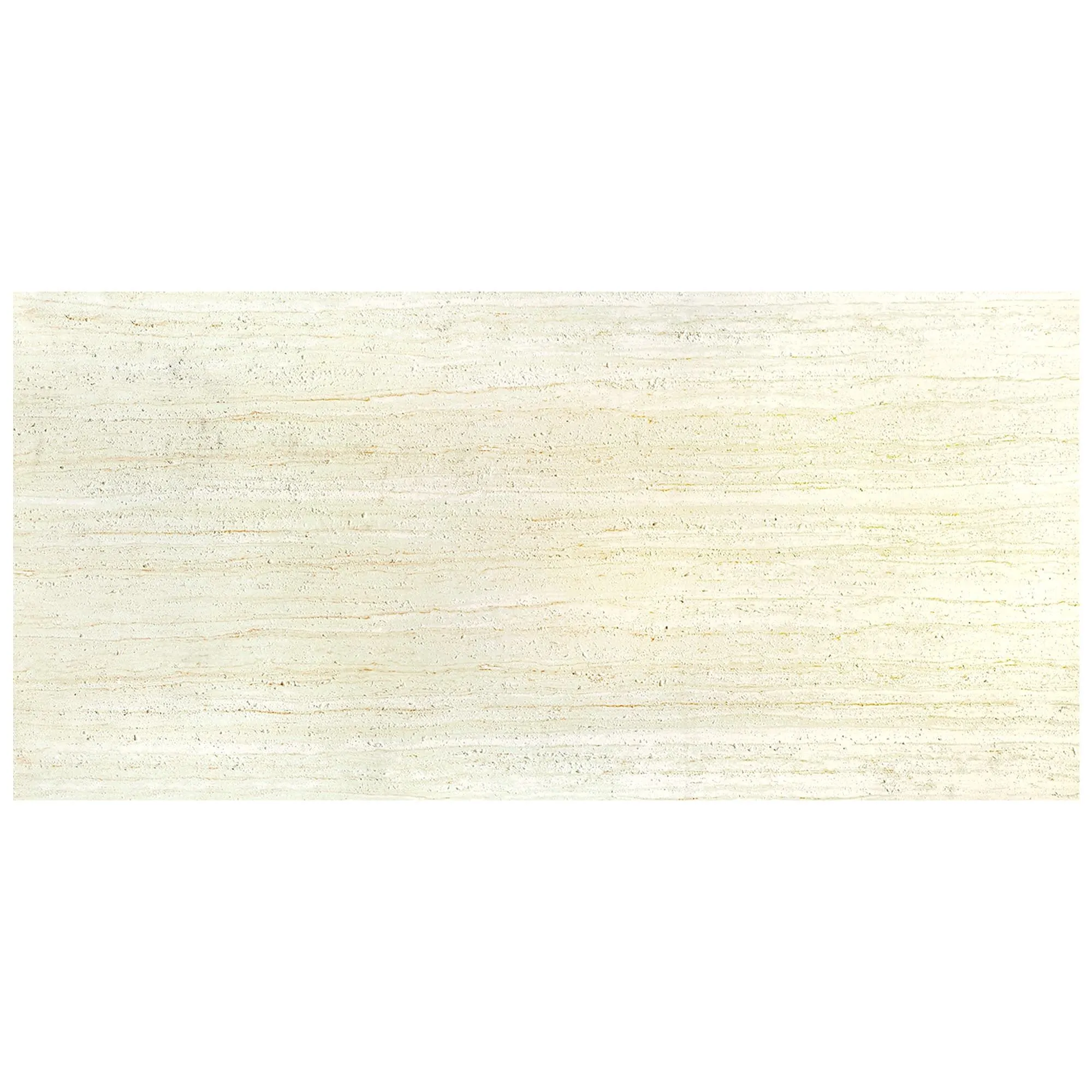
travertine panel that look like threads of color sewn through stone. Or the parallel grooves in a
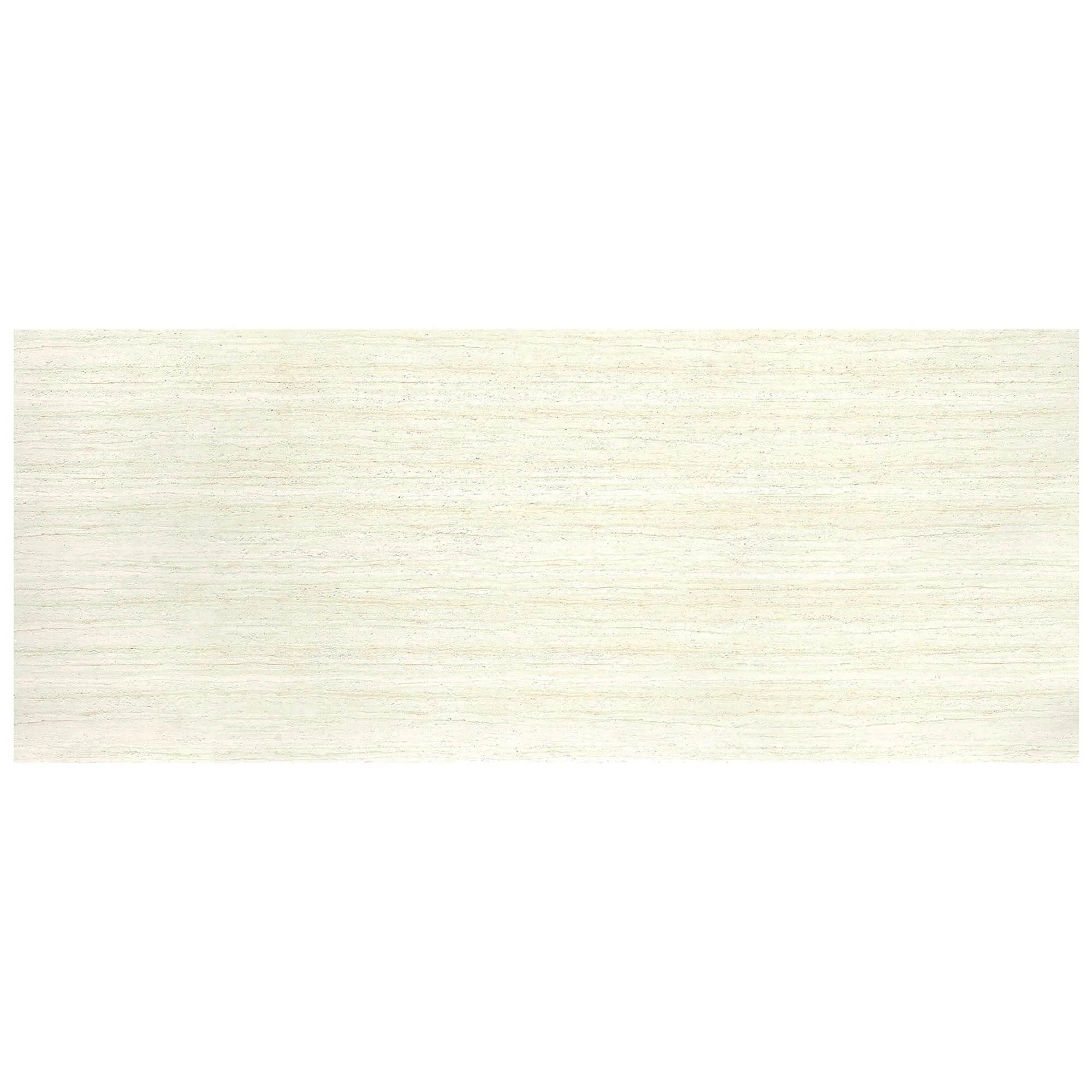
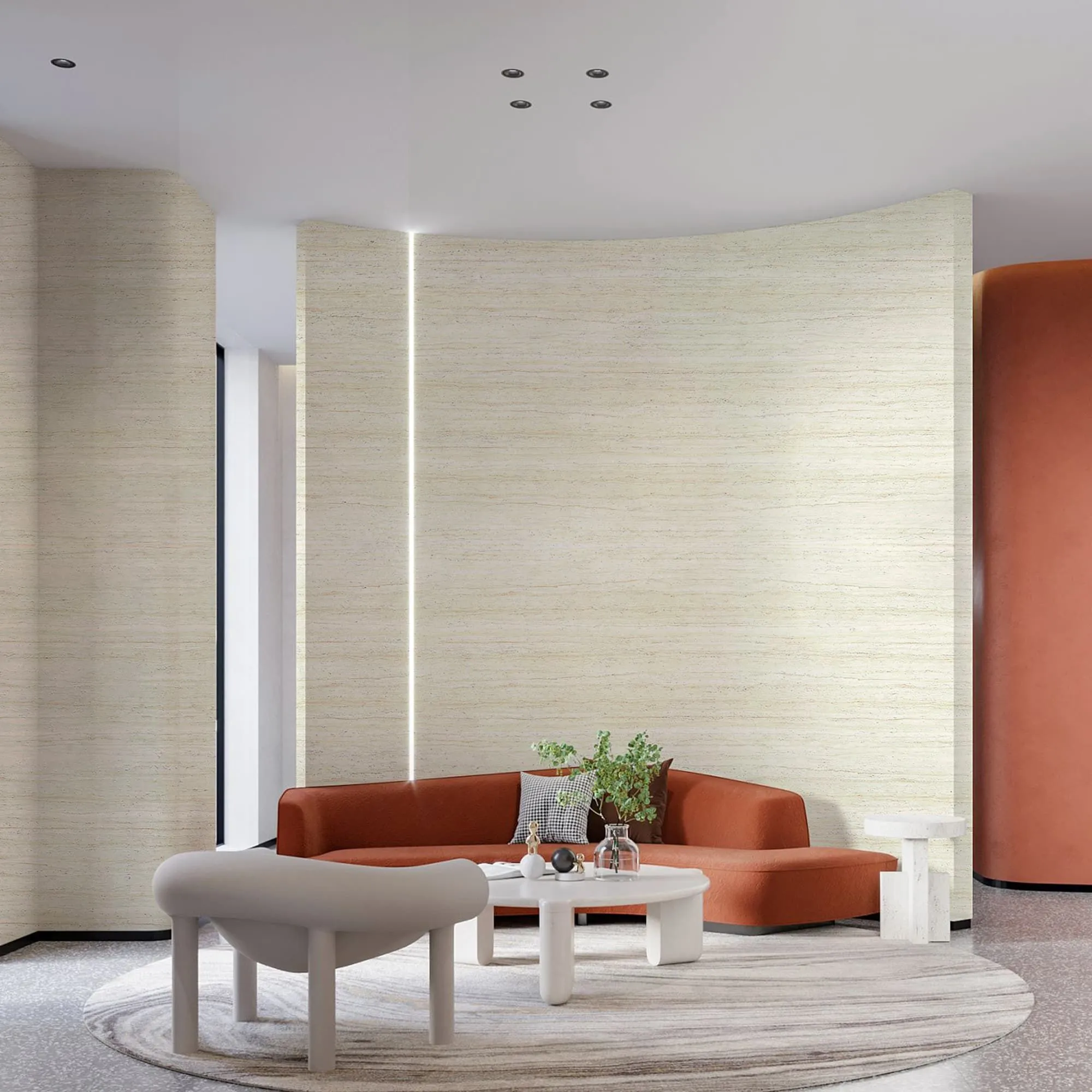
wood grain board that mimic the natural "threads" of tree growth. It might even be the interlacing patterns of a weaving (beige) panel, where the texture quite literally looks like fabric woven from threads, stretched across the wall. The beauty of MCM technology is that it can replicate these
thread-like details with stunning realism, while still keeping the panels lightweight, durable, and easy to maintain.
Let's break this down. Traditional stone or wood walls are heavy, expensive, and often limited in how they can be shaped. MCM panels, on the other hand, are made by bonding a thin layer of decorative material (like stone veneer, wood fiber, or even metal) to a composite backing. This means they can be engineered to have precise, consistent textures—including those
thread-like lines and patterns—without the bulk or fragility of natural materials. For example,
MCM flexible stone is a standout here: its flexibility allows it to be molded into panels with intricate,
thread-inspired textures that would be impossible to achieve with rigid natural stone. Imagine a wall panel that looks like a slab of beige
travertine, but with veins so fine and evenly spaced they resemble golden
thread stitched through ivory fabric. That's the magic of MCM.
Spotlight on MCM Panels: Thread Textures That Transform Spaces
To truly understand how
thread applications work in MCM panels, let's take a closer look at some standout products that are making waves in residential design. These aren't just materials—they're tools for storytelling, each bringing its own
thread-inspired charm to different rooms in the home.
|
MCM Panel Type
|
Thread-Inspired Texture
|
Best For
|
Why It Works
|
|
Weaving (Beige)
|
Interlaced, fabric-like pattern mimicking hand-woven threads
|
Bedroom, Living Room
|
Adds softness and warmth; the woven texture feels tactile and inviting, like a cozy blanket for the walls.
|
|
Wood Grain Board
|
Parallel, organic lines mimicking the natural "threads" of wood grain
|
Dining Room, Home Office
|
Brings nature indoors; the linear grain acts as a subtle thread that guides the eye, creating a sense of flow.
|
|
Travertine (Beige)
|
Delicate, branching veins resembling golden thread streaked through stone
|
Entryway, Bathroom
|
Elegant and timeless; the veining adds visual interest without overwhelming, like fine embroidery on a neutral canvas.
|
|
Fair-Faced Concrete
|
Subtle, horizontal or vertical lines mimicking poured concrete's natural "seams" as thread-like divisions
|
Kitchen, Laundry Room
|
Modern and industrial; the linear seams act as understated threads that add structure to minimalist spaces.
|
|
MCM Flexible Stone
|
Customizable linear grooves or etched patterns, designed to look like thread stitched into stone
|
Accent Walls (Any Room)
|
Versatile and bold; the flexibility of the material allows for intricate thread patterns, making it a focal point.
|
Let's dive deeper into a few of these. Take the Weaving (Beige) panel, for example. At first glance, it looks like a piece of high-quality beige fabric stretched across the wall—soft, slightly textured, with visible "threads" interlacing to form a pattern. Run your hand over it, though, and you'll be surprised by its durability: it's water-resistant, scratch-proof, and easy to clean, making it perfect for a bedroom where you want warmth without worrying about wear and tear. In a child's room, it could even become a conversation starter—"Is that a giant blanket on the wall?"—adding whimsy to the space.
Then there's
Wood Grain Board. Wood has long been a favorite in homes for its ability to add warmth, but traditional wood paneling can be expensive and prone to warping. MCM
Wood Grain Board captures the essence of wood—those parallel, slightly irregular "threads" of grain that make each plank unique—without the drawbacks. It's lightweight, so it can be installed on any wall (even plaster or drywall), and it's treated to resist moisture and pests. In a home office, it creates a sense of calm focus, the linear grain acting like a gentle
thread that guides your attention to your work, not the walls.
Travertine (Beige) is another star.
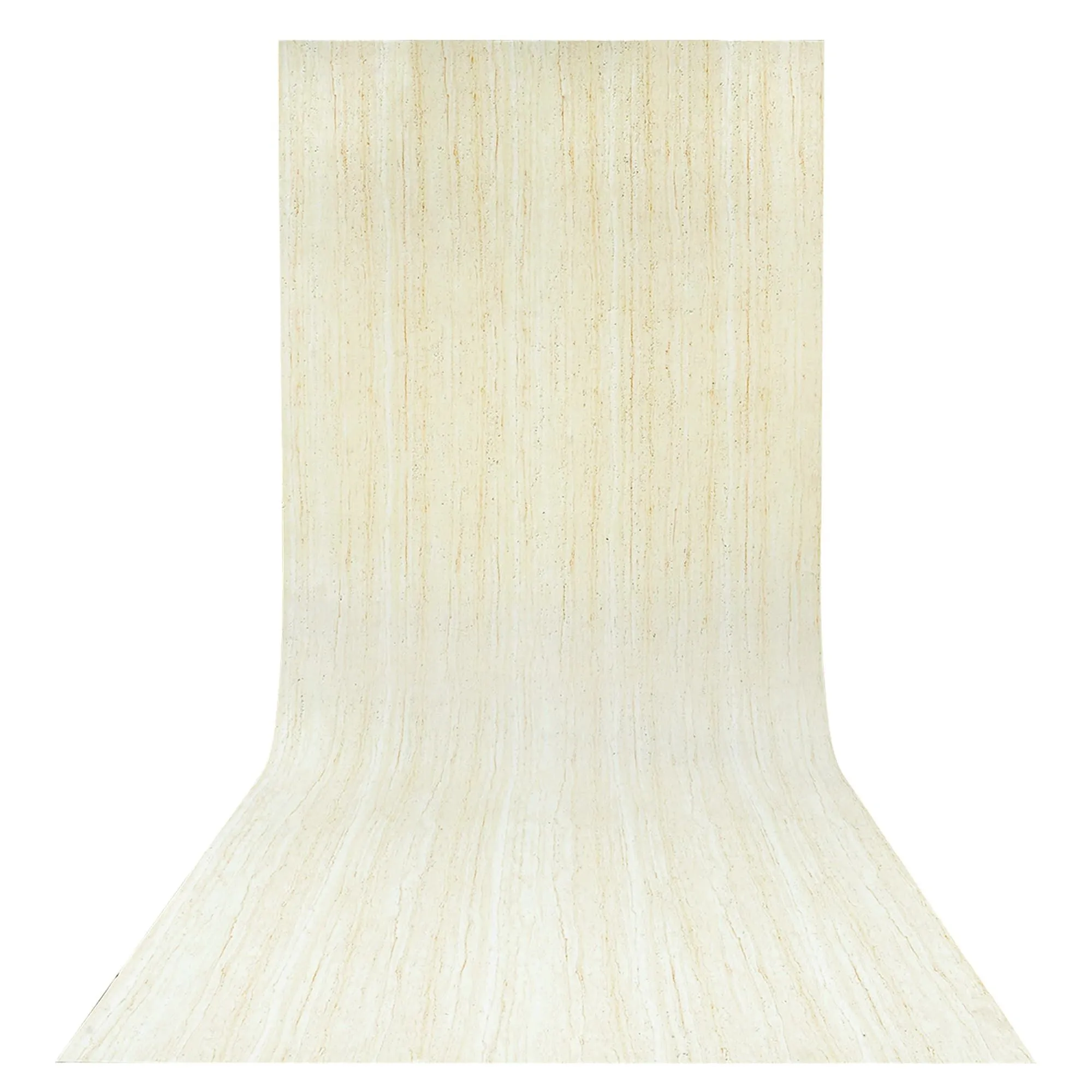
Travertine is a natural stone known for its porous surface and distinctive veining, but MCM's version takes it a step further. The beige base is soft and neutral, but the veins—subtle golds and creams—look like someone took a fine brush and painted
thread-like lines across the stone. In an entryway, this panel makes a statement without being loud; it greets guests with a sense of understated luxury, like a well-tailored suit with hidden embroidery details. And because it's MCM, it's much lighter than natural
travertine, so you won't need to reinforce your walls to install it.
Designing with Thread: MCM Panels in Every Room
The beauty of
thread-inspired MCM panels is their versatility—they can work in any room, adapting to the mood and function of the space. Let's walk through a typical home and see how these panels can transform each area.
Living Room: The Heart of the Home
The living room is where we gather, unwind, and connect, so the walls here should feel welcoming and inclusive. Weaving (Beige) panels are a perfect fit here. Imagine a feature wall behind your sofa, covered in these woven-texture panels. The interlaced "threads" create a soft, inviting backdrop that makes the room feel cozier, like sitting in a friend's living room where everything just *feels* right. Pair it with warm lighting, and the texture comes alive—shadows play in the woven grooves, making the wall feel dynamic throughout the day. It's not just a wall anymore; it's a conversation piece, a texture that invites touch and connection.
Kitchen: Where Function Meets Style
Kitchens are high-traffic zones, so durability is key—but that doesn't mean they can't be stylish.
Fair-Faced Concrete panels with
thread-like linear seams are a great choice here. The subtle horizontal lines act as "threads" that divide the wall into clean, modern sections, adding structure to the space without clashing with cabinetry or countertops. Unlike traditional concrete, MCM
Fair-Faced Concrete is smooth to the touch, easy to wipe down, and resistant to heat and stains. It pairs beautifully with stainless steel appliances and wooden accents, creating a balance of industrial edge and warmth. The linear seams, like fine
thread, add just enough detail to keep the space from feeling too cold or sterile.
Bedroom: Your Personal Retreat
The bedroom is where we go to recharge, so the walls should promote calm and relaxation.
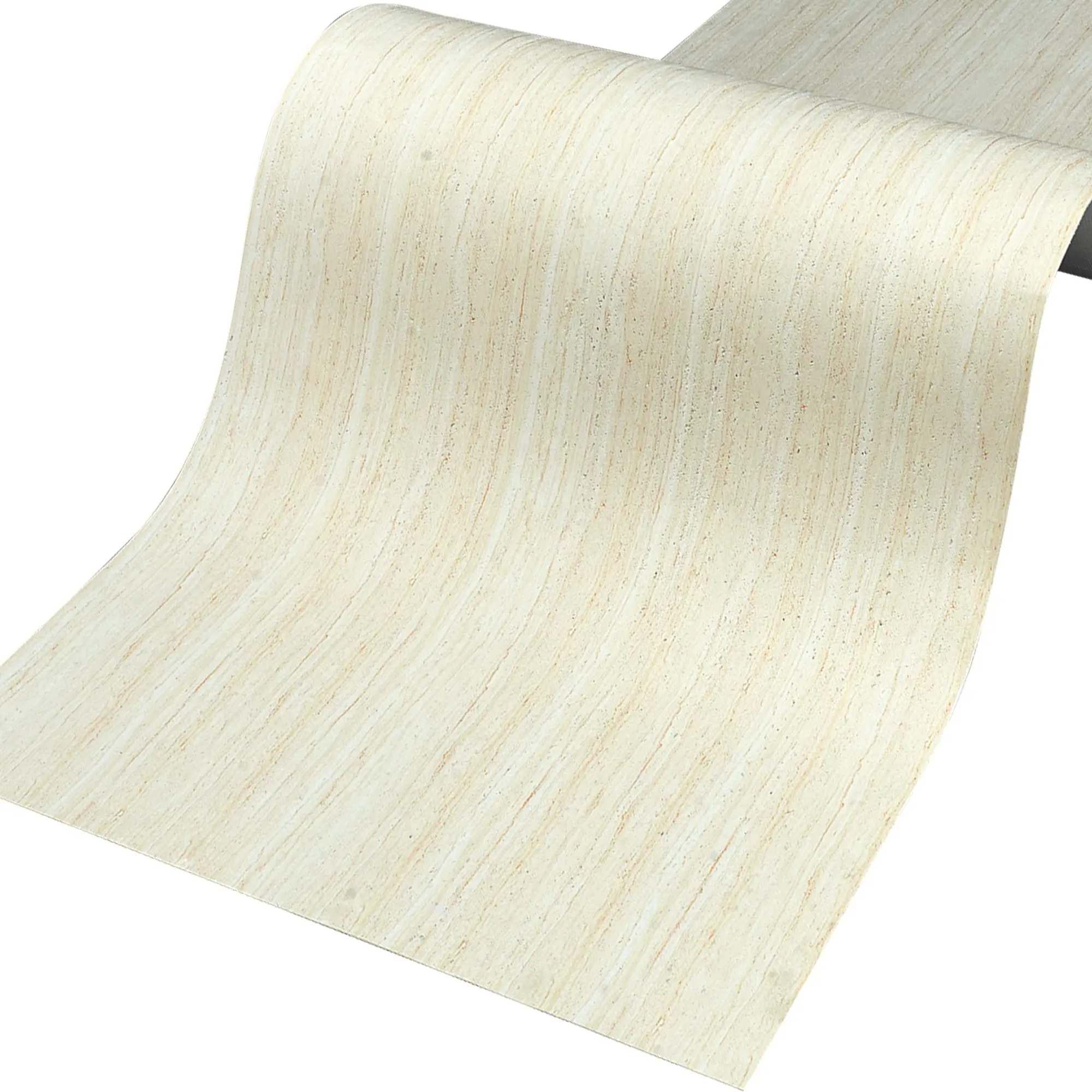
Travertine (Beige) panels with their
thread-like veining are ideal here. The soft beige base is neutral and soothing, while the golden veins—thin and delicate, like threads of sunlight—add just enough visual interest to keep the space from feeling flat. Install them on the wall behind your bed, and you'll wake up to a scene that feels serene and luxurious, like staying in a boutique hotel. The veining is random but gentle, never chaotic, creating a sense of peace that lingers even on busy mornings. Plus, MCM
travertine is moisture-resistant, so it's safe to use in bedrooms with en-suite bathrooms, where humidity can be a concern.
Home Office: Focus and Productivity
Home offices need to inspire focus without feeling sterile.
Wood Grain Board panels bring the calming power of nature indoors, with their linear grain acting as subtle "threads" that guide the eye and create a sense of order. The warm, earthy tones of the wood grain—think soft browns and beiges—are easy on the eyes, reducing screen fatigue during long workdays. The parallel lines of the grain act like a gentle reminder to stay on track, keeping your mind from wandering as you tackle tasks. And because MCM
Wood Grain Board is so durable, you won't have to worry about scuffs from office chairs or accidental coffee spills—it's built to handle the chaos of daily work life, all while looking effortlessly put-together.
Case Study: The Miller Family Home – Thread Textures That Tell a Story
To see how these
thread applications come together in a real home, let's take a peek at the Miller family's recently renovated 3-bedroom house in Portland, Oregon. The Millers wanted a home that felt personal, cozy, and reflective of their love for both nature and modern design. Working with designer Sarah Lopez, they turned to MCM panels with
thread textures to tie the space together.
In the living room, they opted for Weaving (Beige) panels on the main wall, paired with a neutral sofa and wooden coffee table. "We wanted the living room to feel like a hug," says Mrs. Miller. "The woven panels make the space feel so much warmer than plain drywall—guests always comment on how inviting it is." The family spends most evenings here, and Mrs. Miller notes that the texture "changes with the light—at sunset, the woven threads catch the golden hour glow, and it feels like the room is glowing from the inside out."
The dining area, adjacent to the kitchen, features
Wood Grain Board panels. "We eat together as a family every night, so we wanted this space to feel connected to nature," explains Mr. Miller. The linear grain of the panels runs horizontally, creating a sense of width that makes the small dining area feel more spacious. "It's like bringing the forest indoors without the mess of real wood," he adds with a laugh. "The kids love running their hands over the grain and pretending it's tree bark—though we've had to remind them not to scratch it!" (Thankfully, the MCM panels have held up perfectly.)
Upstairs, in the master bedroom, the Millers chose
Travertine (Beige) panels for the accent wall behind their bed. "We wanted something elegant but not fussy," says Sarah, their designer. "The
thread-like veining in the
travertine adds just enough detail—when the morning light hits it, the veins look like gold
thread, which feels really luxurious." Mrs. Miller agrees: "I wake up and feel like I'm in a spa. The walls are so calm and beautiful, it sets a great tone for the day."
The Millers were also impressed by the practical benefits of MCM panels. "Installation was a breeze—they were up in a day, and there was no dust or mess like with traditional stone," Mr. Miller recalls. "And we love that they're eco-friendly—we try to make sustainable choices, and MCM panels are made with recycled materials, which was a big plus for us."
Why MCM Panels with Thread Applications Are a Smart Choice for Your Home
Beyond their beauty, MCM panels with
thread textures offer a host of benefits that make them ideal for residential projects. First and foremost, they're *lightweight*. Traditional stone or wood panels can weigh hundreds of pounds, requiring structural reinforcement and professional installation. MCM panels, by contrast, are thin and lightweight—most weigh less than 5 pounds per square foot—so they can be installed on standard drywall with basic tools. This saves time, money, and hassle, especially for DIY enthusiasts or homeowners on a budget.
They're also *durable*. MCM panels are designed to withstand the wear and tear of daily life: they're scratch-resistant, water-resistant, and fade-resistant, even in direct sunlight. That means they'll look as good in 10 years as they do on installation day, making them a long-term investment. For families with kids or pets, this is a game-changer—no more stressing about scuffs, stains, or water damage from spills.
Customization is another big win. MCM manufacturers offer a wide range of
thread-inspired textures, from subtle veining to bold woven patterns, and many will even create custom designs. Want a wall panel with
thread-like lines in your favorite shade of blue? Or a
wood grain board with extra-deep grooves that mimic hand-carved threads? It's possible with MCM. This level of customization means your walls can truly reflect your personality, turning your home into a one-of-a-kind space.
Finally, MCM panels are *eco-friendly*. Most are made from recycled materials, like reclaimed stone dust or recycled plastic, and they require less energy to produce than traditional building materials. They're also low-maintenance—no need for harsh chemicals or special cleaners—so you can feel good about your choice for both your home and the planet.
Conclusion: Threads That Weave Your Home's Story
At the end of the day, home design is about more than just aesthetics—it's about creating spaces that feel uniquely yours, that tell your story, and that wrap you in comfort every time you walk through the door. MCM interior wall panels with
thread applications do exactly that. They take the simple, universal idea of
thread—the stuff of sewing, weaving, and connection—and turn it into something tangible, something you can see and touch and live with every day.
Whether it's the woven texture of Weaving (Beige) panels in the living room, the linear grain of
Wood Grain Board in the home office, or the delicate veining of
Travertine (Beige) in the bedroom, these
thread-inspired details add depth, warmth, and personality to your walls. They transform ordinary spaces into extraordinary ones, making your home not just a place to live, but a place to *thrive*.
So if you're dreaming of a home that feels more personal, more inviting, and more *you*, consider MCM panels with
thread applications. They're not just building materials—they're storytellers, weaving the threads of your life into the very walls that surround you. And in the end, that's the most beautiful design detail of all.