
Home renovation isn't just about swapping old walls for new ones or updating fixtures—it's about weaving your personality into the very fabric of your space. Every choice, from the color of the paint to the texture of the floors, tells a story. It's the difference between a house that feels "rented" and a home that wraps around you like a well-loved blanket. Lately, I've been seeing a material that does exactly that: Cloud Stone. It's not just another option in the (building materials) catalog; it's a partner in creating spaces that feel alive. Let me take you through how Cloud Stone, paired with a few other standout materials, can turn your renovation project into a journey of self-expression.
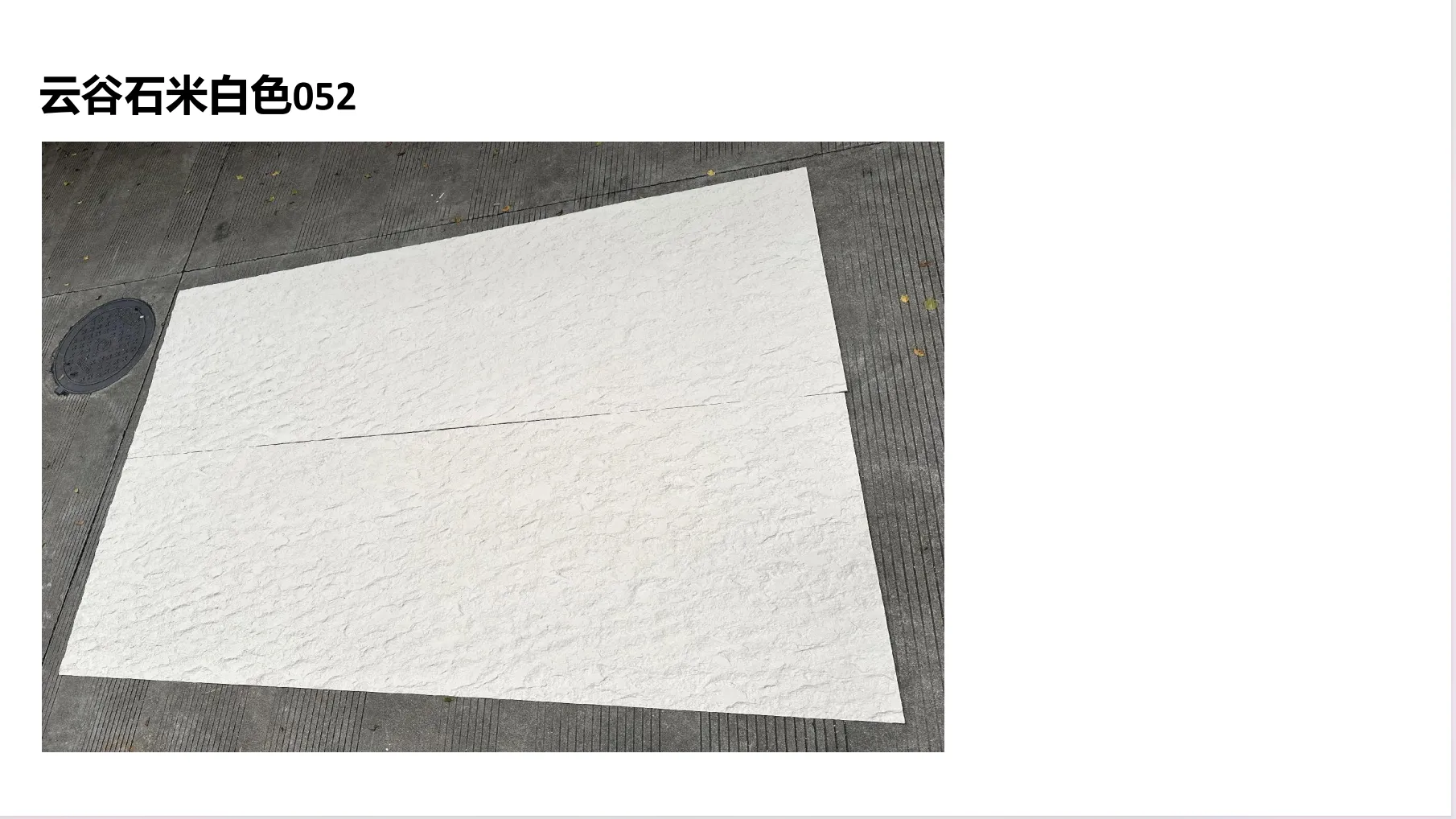
I first stumbled upon Cloud Stone in a neighbor's renovated townhouse last spring. They'd redone their entryway, and instead of the usual drab hallway, there was this wall that made me stop in my tracks. It wasn't shiny or overly polished; it had a soft, matte finish that looked like someone had captured a wisp of morning fog and turned it to stone. The veining was subtle—pale grays and whites that swirled like clouds, hence the name. "It's not just pretty," my neighbor (laughed and said), "it's tough. We have two kids and a golden retriever, and it still looks brand new."
Cloud Stone is a type of engineered stone, but don't let that fool you into thinking it lacks character. Unlike some synthetic materials that feel "plasticky," it's made by blending natural stone aggregates with resins, resulting in a surface that has the durability of concrete and the warmth of natural stone. What sets it apart is its texture: it's slightly porous, which gives it a tactile quality—run your hand over it, and it doesn't feel cold or smooth like glass. Instead, it has a gentle grip, like touching a river stone that's been worn smooth by water.
Pro Tip: Cloud Stone comes in a range of shades, from almost-white "Cloud Mist" to deeper "Storm Cloud Gray." I'd recommend ordering samples and testing them in your space at different times of day—morning light brings out the warmth, while evening lamplight emphasizes the veining.
The living room is where we gather—movie nights, Sunday brunches, lazy afternoons with a book. It needs to be inviting, but it also needs to stand up to life's little messes (hello, spilled coffee and muddy paw prints). Cloud Stone walls here are a revelation. Imagine replacing your plain painted drywall with a Cloud Stone accent wall behind the sofa. Suddenly, the room has a focal point that's calm, not chaotic. Pair it with a wood grain board coffee table, and you've got a balance of textures that feels both grounded and airy.
Wood grain board is another material that deserves a spot in your living room. It's exactly what it sounds like: a composite board that mimics the look of real wood but without the warping or scratching. I used it for my own TV stand, and guests still ask if it's "real oak." When paired with Cloud Stone, it adds a touch of nature that keeps the space from feeling too "cold." Try a wood grain board mantel above a Cloud Stone fireplace—trust me, it'll be the first thing people comment on when they visit.
For those who love a modern edge, consider mixing Cloud Stone with fair-faced concrete. Fair-faced concrete has that raw, industrial vibe, but it can feel harsh on its own. A Cloud Stone sofa backdrop softens it, creating a look that's edgy yet cozy. I saw this combo in a design magazine once: fair-faced concrete floors, Cloud Stone accent wall, and a plush velvet sofa. It was like industrial meets cabin—unexpected, but totally harmonious.
Kitchens are the heart of the home, but they're also war zones—heat, spills, scratches, you name it. When my sister renovated her kitchen last year, she was torn between marble (too soft) and granite (too flashy). Then she discovered Cloud Stone countertops, and it was a no-brainer. "I've had tomato sauce boil over, and it wiped right off with a sponge," she told me. "And the best part? No sealing. I used to hate sealing my old granite—now I just clean and go."
But the real star in her kitchen? The backsplash. She went with mcm flexible stone, and it's a game-changer. Unlike rigid ceramic tiles, MCM flexible stone is thin and bendable, which means it can follow curves and odd angles. Her kitchen has a rounded island, and instead of the backsplash stopping abruptly at the corner, the MCM stone wraps around it like a hug. It comes in a "Cloud Match" texture that's slightly more textured than the countertop, adding depth without clashing.
If you're worried about color coordination, MCM flexible stone offers neutral tones that play well with Cloud Stone. My sister chose a light gray with subtle flecks, which picks up the veining in her Cloud Stone countertops. The result? A kitchen that feels cohesive but not "matchy-matchy"—like it was designed by someone who knows that the best spaces have layers.
Bedrooms should be sanctuaries—places to unwind, recharge, and escape the chaos of the day. Cloud Stone here works best in small doses, like a headboard wall. I helped a friend do this in her master bedroom, and the transformation was (, jīngrén de—, amazing). We used "Cloud Pearl" Cloud Stone, which has a slightly pinkish undertone, and paired it with linen bedding in soft whites and beiges. The wall doesn't scream for attention; it whispers, creating a calm that makes falling asleep easier.
For those who love a touch of drama, consider adding travertine (starry blue) accents. Travertine is a classic material, but the starry blue variety is something else—it has tiny, iridescent flecks that catch the light like stars. My friend added a starry blue travertine shelf above her nightstand, and now her bedtime reading nook feels like a little corner of the galaxy. "I used to scroll through my phone for an hour before bed," she said. "Now I just sit and stare at that shelf—it's so calming."
Another idea? Cloud Stone flooring. I know, flooring might sound bold, but hear me out. Cloud Stone floors are warm underfoot (unlike marble) and non-slip, making them perfect for bedrooms. Pair them with a plush rug, and you've got that "step out of bed onto something soft" feeling we all crave. Plus, they're easy to clean—no more worrying about spilled tea or makeup stains.
Bathrooms are where we start and end our days, so they deserve a little luxury. Cloud Stone showers are becoming a trend, and for good reason. Traditional tile showers can have grout lines that get moldy, but Cloud Stone panels are seamless (or have minimal grout), making them a breeze to maintain. I installed a Cloud Stone shower in my own bathroom last year, and I'll never go back. The water beads up and rolls off, and cleaning is just a quick wipe with a squeegee.
To add personality, I added travertine (starry red) niches for my shampoo and soap. Starry red travertine has deep red tones with gold flecks, which pop against the soft gray of the Cloud Stone. It's like having a little piece of art in the shower—suddenly, washing my hair feels less like a chore and more like a mini spa day. The niches are also practical: they're deep enough to hold all my products, and the travertine is sealed to resist water damage.
Word of Caution: Travertine is porous, so make sure to seal it properly if you're using it in wet areas. I sealed mine with a water-based sealer, and it's held up perfectly for a year now—no stains, no mold.
Why stop at indoor spaces? Cloud Stone works outdoors too, and it pairs beautifully with wood grain board for patios and decks. Last summer, my cousin renovated her backyard, and now it's the envy of the neighborhood. She used Cloud Stone tiles for the patio floor—they're slip-resistant even when wet, which is a must with her pool—and wood grain board for the decking. The wood grain board has a warm, honey color that contrasts with the cool gray of the Cloud Stone, creating a space that feels like an extension of her living room.
What I love most about their setup is the fire pit area. They built a fire pit with Cloud Stone blocks and surrounded it with wood grain board benches. On summer nights, they light the fire, and the Cloud Stone glows softly, while the wood grain benches stay warm (no more freezing metal seats!). It's become their family's favorite spot—even the dog curls up on the benches now.
If you have a garden, Cloud Stone can also be used for pathways. I've seen it used to create winding paths through flower beds, and it looks magical—like a trail through the clouds. Pair it with low-growing plants that spill over the edges, and suddenly your garden feels like a secret retreat.
Choosing materials can be overwhelming, so I put together a comparison of Cloud Stone with two other popular options: fair-faced concrete and wood grain board. This should help you decide which is right for your space.
| Material | Durability | Maintenance | Aesthetic | Best For |
|---|---|---|---|---|
| Cloud Stone | High (resistant to scratches, stains, and heat) | Low (wipe clean with mild soap; no sealing needed) | Soft, cloudy veining; warm, tactile texture | Countertops, accent walls, showers, patios |
| Fair-Faced Concrete | Very High (can withstand heavy foot traffic) | Medium (needs sealing every 2-3 years; prone to staining if not sealed) | Raw, industrial look; smooth or textured finish | Floors, outdoor patios, fireplace surrounds |
| Wood Grain Board | Medium-High (resistant to rot and insects; less durable than stone) | Low (wipe clean; occasional oiling for outdoor use) | Warm, natural wood look; varies by "grain" pattern | Decks, cabinets, shelving, accent walls |
At the end of the day, renovation isn't just about picking the "best" materials—it's about picking materials that speak to you. Cloud Stone, mcm flexible stone, travertine (starry blue), wood grain board—these are tools, but the real magic is in how you use them to tell your story. Maybe you'll use Cloud Stone in your entryway to welcome guests with warmth, or starry red travertine in your bathroom to turn a routine into a ritual. Whatever you choose, remember: the goal isn't perfection. It's a home that feels like *you*.
I'll leave you with this: my neighbor, the one with the Cloud Stone entryway, told me something that stuck with me. "Before, I used to look at my house and see all the things I wanted to change," she said. "Now, I walk in and think, 'This is mine.'" That's the power of choosing materials with heart. They don't just build walls—they build memories.
Recommend Products












