
Walk into a restaurant, and before you take your first bite, what hits you? Is it the soft glow of pendant lights, the hum of laughter, or the texture under your fingertips as you brush against a wall? More often than not, it's the feel of the space—the way materials, colors, and textures wrap around you like a quiet greeting. In the world of interior design, the right materials don't just fill a room; they tell a story. And when it comes to crafting stories that feel both timeless and intimate, the MCM Marble Series stands out as a game-changer. Lightweight yet luxurious, flexible yet durable, these materials transform ordinary restaurant spaces into havens where every meal feels like a memory in the making. Let's dive into how MCM's marble-inspired panels—from the earthy warmth of travertine (beige) to the sleek modernity of fair-faced concrete—are redefining what it means to "dine in comfort."
Before we get lost in the specifics of colors and textures, let's talk about why MCM (Modified Composite Material) has become a favorite among restaurant designers. Traditional stone—marble, granite, travertine—has always been prized for its elegance, but it comes with trade-offs: heavy installation, high maintenance, and a price tag that can make small restaurant owners wince. MCM changes the game. These panels are engineered to mimic the look and feel of natural stone but with a twist: they're flexible, lightweight, and surprisingly affordable. Imagine being able to clad a entire dining room wall in what looks like polished marble without worrying about structural stress or cracking over time. That's the magic of MCM.
But it's not just about practicality. MCM Marble Series panels are designed with emotion in mind. They're not cold, sterile replicas—they breathe. Run your hand over a travertine (beige) panel, and you'll feel the subtle pockmarks and veining that echo the real stone, like a fingerprint from the earth. Lean against a fair-faced concrete wall, and its matte finish absorbs light gently, softening the room instead of reflecting harshly. These are materials that invite touch, that make you want to linger. In a restaurant, where the goal is to keep guests relaxed and happy (and coming back), that matters more than you might think.
Restaurants are emotional spaces. A cozy bistro needs to feel like a hug; a modern sushi bar should whisper sophistication; a family diner should radiate cheer. The MCM Marble Series doesn't just offer colors—it offers moods . Let's break down a few standout options and how they set the tone:
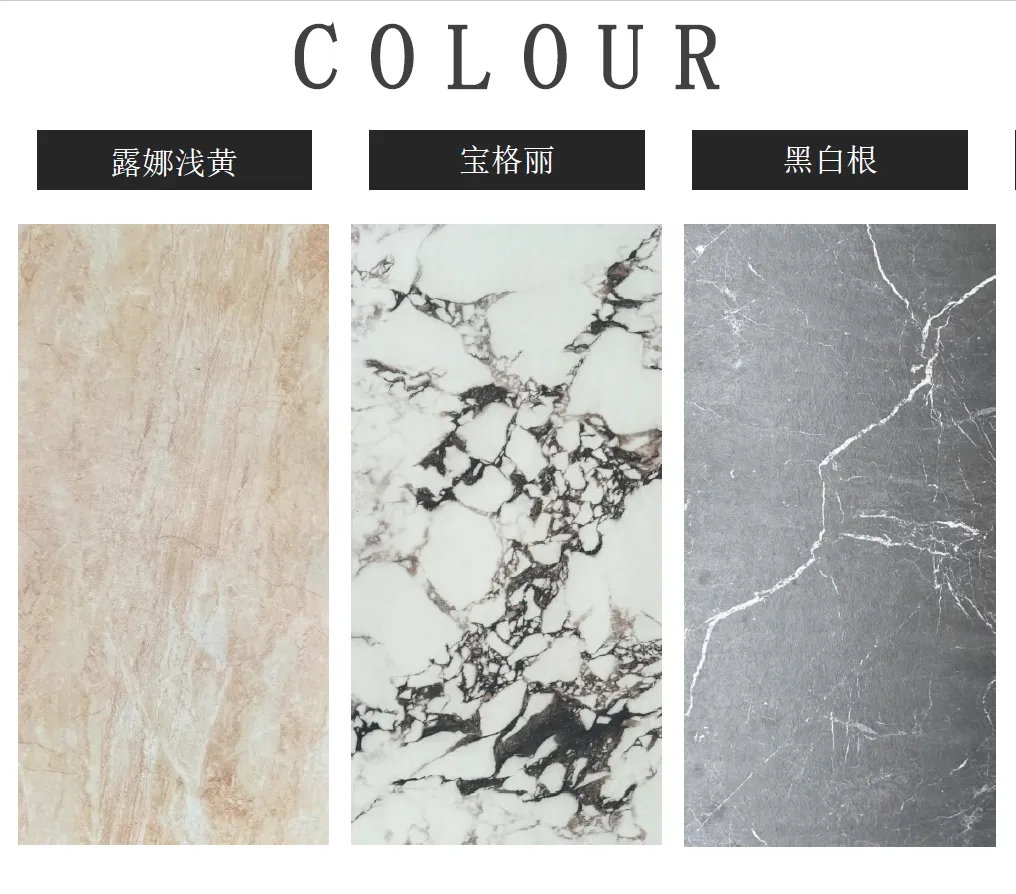
There's a reason travertine (beige) is a staple in spaces designed for relaxation. Its warm, sandy hue is like sunlight filtered through linen curtains—soft, inviting, and never overwhelming. Picture a small Italian trattoria: walls clad in travertine (beige) panels, paired with reclaimed wood tables and string lights. The stone's natural veining adds depth without chaos, making the room feel lived-in, like a spot where locals have gathered for decades. It's neutral enough to complement bold accents—think terracotta planters or a vintage red espresso machine—but rich enough to stand on its own. In a breakfast nook, it turns morning coffee into a ritual; in a dinner service, it wraps around guests like a well-loved blanket.
Concrete might sound cold, but fair-faced concrete from the MCM Marble Series is anything but. Stripped of harsh sealants, it——,,.:,,.,,."",——,..
White marble has long been the gold standard for luxury, but traditional white marble can feel icy in a casual setting. Enter marble veil white from MCM's collection. This panel mimics the classic veining of Carrara marble—soft gray strokes against a creamy white backdrop—but with a subtle matte finish that takes the edge off. It's elegance with a lowercase "e." Imagine a French patisserie where marble veil white lines the counter, displaying macarons and tarts like works of art. The stone's brightness makes the pastries pop, while its texture keeps the space from feeling too "stuffy." Or a wedding reception venue, where marble veil white walls paired with greenery and soft pink lighting create a space that feels both grand and intimate. It's proof that "timeless" doesn't have to mean "unapproachable."
Color sets the mood, but texture? Texture is what makes a space rememberable . Think about the last great restaurant you visited—odds are, you can recall the way the booth upholstery felt under you, or the roughness of a wooden tabletop. MCM Marble Series panels lean into texture, turning walls, bars, and even ceilings into tactile experiences that linger in your mind long after the meal is over.
Take travertine (beige), for example. Its surface is dotted with tiny, natural-looking pores—reminiscent of stone that's been weathered by rain and wind over centuries. Run your hand across it, and you'll feel a gentle, non-uniform texture that's far from the flat smoothness of cheap wallpaper. It's the kind of texture that makes a wall feel like it has a history, like it's been part of the restaurant's story from day one. In a family-style restaurant, that history matters; it makes guests feel like they're part of something bigger than just a meal.
Then there's fair-faced concrete. Unlike polished concrete, which can feel slick and industrial, fair-faced concrete has a soft, almost powdery texture. It's not rough enough to catch on clothing, but it's distinct enough to make you pause and think, "That's real." In a chef's counter area, where guests sit close to the action, this texture adds a layer of authenticity. It says, "We're not hiding anything—what you see is what you get," which builds trust between the restaurant and its patrons.
Even marble veil white, with its elegant veining, plays with texture. The veins aren't just printed on; they're slightly raised, creating a subtle shadow effect when light hits the wall. In a dimly lit wine bar, this play of light and shadow adds depth, making the space feel larger and more dynamic. It's the difference between a wall that's "there" and a wall that's alive .
A restaurant isn't just one big room—it's a journey. From the moment guests step through the door to the second they leave, every zone should guide them, comfort them, and delight them. Let's walk through that journey and see how MCM Marble Series panels shine in each space.
The entrance is your restaurant's handshake. It needs to say, "Welcome—you're in good hands." Here, MCM marble panels can set the tone immediately. Imagine a small café with a travertine (beige) accent wall behind the host stand. The warm color and natural texture make guests feel at ease before they even check in. Paired with a wooden bench and a vase of fresh herbs, it's like walking into a friend's home. For a more upscale spot, marble veil white could line the entrance hall, with recessed lighting highlighting its veining. It's understated luxury that whispers, "This is going to be special."
This is the heart of the restaurant—the place where conversations flow, and meals turn into stories. The MCM Marble Series here needs to balance comfort with durability (let's face it, accidents happen: spilled wine, dropped utensils). Travertine (beige) walls work wonders here. Their neutral tone complements any table setting, from rustic terracotta plates to sleek white china. And because MCM panels are stain-resistant, a stray splash of red sauce won't leave a permanent mark—no panic, no stress, just a quick wipe and back to enjoying the meal.
For a modern bistro with an open kitchen, fair-faced concrete adds an industrial-chic vibe without feeling cold. Imagine the kitchen counter wrapped in fair-faced concrete, matching the accent wall behind the dining tables. It creates a cohesive look, tying the "action" of the kitchen to the "relaxation" of the dining area. Guests feel connected to the food they're eating, and the texture of the concrete keeps the space from feeling too sterile.
Bars are where the energy of a restaurant lives—loud, lively, and full of personality. Here, MCM marble panels can take a bolder turn. Marble veil white, for example, makes a stunning bar front. Paired with brass foot rails and backlit shelves, it becomes the focal point of the room. The white backdrop makes colorful cocktails pop, and the subtle veining adds visual interest without clashing with the bar's other elements (think neon signs or vintage mirrors). It's a space that says, "Stay a while—there's more to explore."
Or, for a tiki-inspired bar, mix travertine (beige) with natural wood accents. The travertine's earthy texture evokes sun-soaked beaches, while its durability stands up to the inevitable spills and bumps of a busy night. It's a reminder that even in the most energetic spaces, comfort matters.
Restrooms are often an afterthought in restaurant design, but they're a chance to extend the warmth of the dining area. MCM marble panels here are a no-brainer. Travertine (beige) walls, paired with soft overhead lighting, turn a utilitarian space into a moment of calm. Guests won't rush in and out; they'll pause, maybe check their reflection, and think, "Wow, even the restrooms are nice here." It's the little details that turn a good restaurant into a great one.
With so many options, how do you pick the perfect MCM marble panel for your restaurant? To help, we've put together a breakdown of key products, their features, and the moods they best create:
| Product Name | Key Features | Ideal Restaurant Vibe | Best For |
|---|---|---|---|
| Travertine (Beige) | Earthy, porous texture; warm beige base with subtle veining; lightweight, flexible | Cozy, rustic, family-friendly | Dining areas, entrance walls, restrooms |
| Fair-Faced Concrete | Matte gray finish; soft, powdery texture; industrial yet warm | Modern, minimalist, open-kitchen concepts | Kitchen counters, accent walls, bar fronts |
| Marble Veil White | Creamy white base with soft gray veining; slightly raised texture; elegant matte finish | Upscale, timeless, romantic | Bar fronts, reception areas, private dining rooms |
Still not convinced? Let's look at a few hypothetical (but realistic) examples of restaurants that used MCM Marble Series to elevate their spaces:
Café Amore wanted to feel like "nonna's kitchen"—warm, inviting, and full of character. They chose travertine (beige) for their main dining room walls, pairing it with checkered tablecloths and vintage Italian posters. The result? A space where regulars greet each other by name, and first-time visitors feel like they've stumbled onto a hidden gem. "The travertine makes the room feel lived-in, like it's been here forever," says owner Maria. "Guests tell me they forget they're in a busy city—they just feel… at home."
Neo, a restaurant blending Asian and European flavors, needed a design that matched its bold menu. They went with fair-faced concrete walls in the dining area and marble veil white for the bar front. "We wanted something that felt both industrial and refined," explains designer Jake. "The concrete grounds the space, while the marble veil white adds that touch of luxury. Guests love it—they say the contrast makes the food taste even better." And with MCM's lightweight panels, they were able to install the entire design in just two weeks, opening their doors ahead of schedule.
For The White Table, a high-end restaurant specializing in tasting menus, every detail mattered. They opted for marble veil white throughout—on walls, tabletops, and even the ceiling. "We wanted a space that felt like a blank canvas for our food," says chef Elena. "The marble veil white is perfect—it's elegant but not overwhelming. Guests focus on the flavors, but they always comment on how 'serene' the room feels. That's the power of the right material."
At the end of the day, a restaurant isn't just about food. It's about how a space makes you feel. MCM Marble Series gets that. It's not just about creating walls that look good—it's about creating walls that connect . Whether it's the earthy warmth of travertine (beige), the industrial charm of fair-faced concrete, or the timeless elegance of marble veil white, these materials have a way of turning "eating out" into "coming home."
So, if you're designing a restaurant—or reimagining an existing one—don't just think about colors and costs. Think about the story you want to tell. Think about the memories you want to create. And let MCM Marble Series be the pen you use to write that story. Because in the end, the best restaurants aren't just places to eat—they're places to belong. And with MCM, belonging has never looked (or felt) so good.
Recommend Products












