Picture this: the sun blazes down on Riyadh's skyline, temperatures soaring past 45°C, while a relentless sandstorm whips grit against building facades. In Saudi Arabia, where the desert climate is as unforgiving as it is awe-inspiring, architects and builders face a unique challenge: creating structures that don't just withstand extreme heat, intense UV radiation, and abrasive sand—they thrive. Enter MCM (Modified Composite Material) products, a game-changer in modern construction. Today, we're diving into one standout star: Ridged Stone. Through real photos and on-the-ground insights, we'll explore how Ridged Stone and other MCM products are redefining durability and beauty in KSA's harshest environments.
The Desert's Test: Why KSA's Climate Demands More
Saudi Arabia's climate isn't just hot—it's a endurance test for building materials. Daytime temperatures regularly climb above 40°C, dropping sharply at night, causing materials to expand and contract. UV radiation, 30% stronger here than in temperate zones, fades colors and weakens organic materials. Add blowing sand that acts like sandpaper on surfaces, and sudden downpours during rare rainy seasons, and you've got a recipe for construction headaches. Traditional stone, while beautiful, often cracks under thermal stress or becomes too heavy for modern designs. That's where MCM products step in, blending the best of nature and engineering.
Fun fact:
A 2023 study by the Saudi Council of Engineers found that buildings using conventional cladding required 23% more maintenance in desert regions compared to MCM-clad structures. MCM's lightweight, flexible core and protective outer layer make all the difference.
Ridged Stone: Where Texture Meets Toughness (Real Photos Tell the Story)
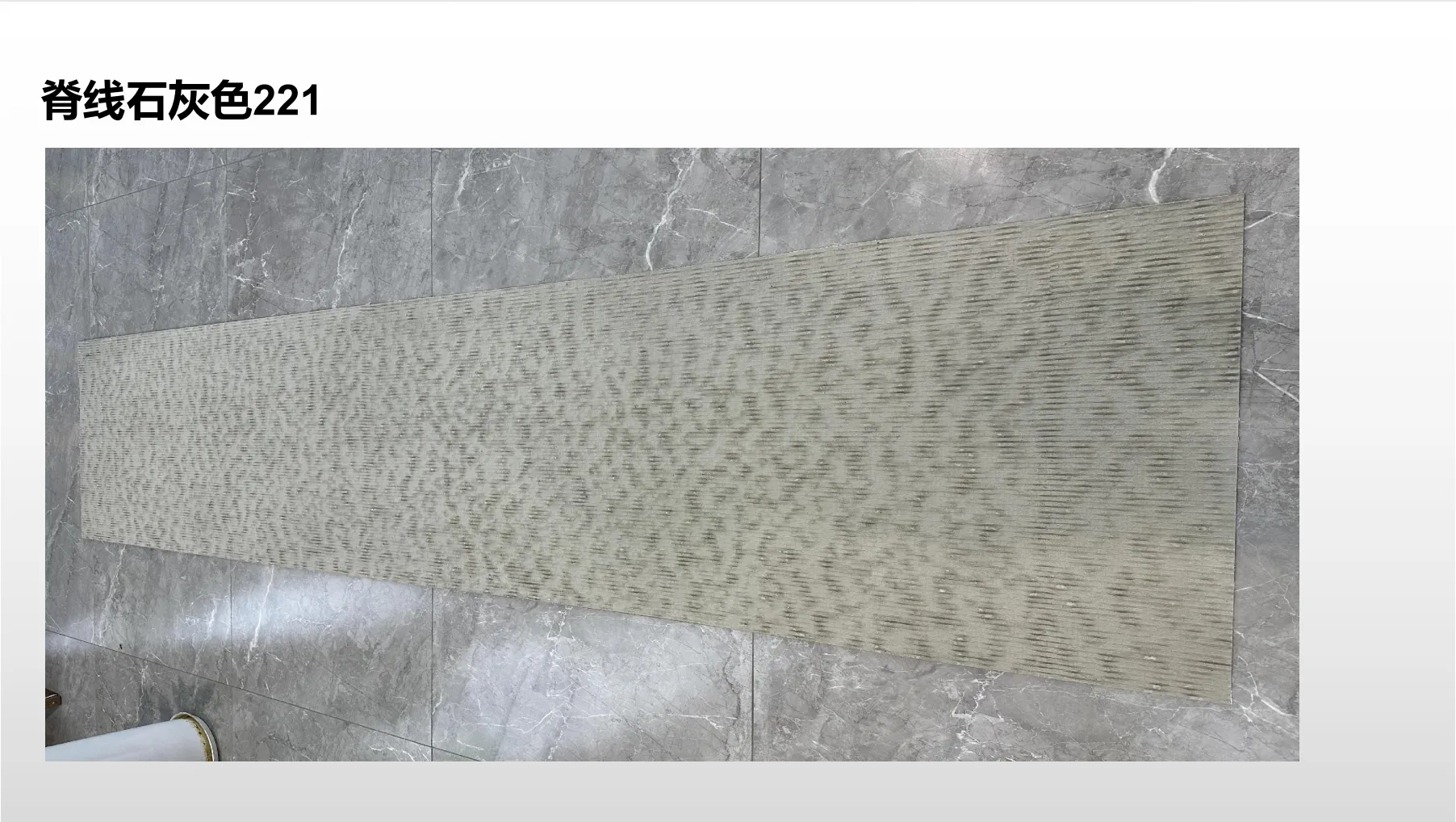
Let's start with the star of the show: Ridged Stone. If you've seen its real photos, you'll notice immediately—this isn't your average cladding. The surface mimics the rugged, hand-chiseled texture of natural sandstone, with deep grooves and subtle color variations that catch the light like desert dunes at sunset. But what makes Ridged Stone a desert champion?
Take a close look at
Ridged Stone real photos
from a recent project in Jeddah's waterfront district. The facade, bathed in golden hour light, shows no signs of fading after two years—remarkable, given KSA's UV intensity. Run a hand over the surface (as we did during a site visit), and you'll feel a dense, scratch-resistant layer that repels sand. Unlike natural stone, which absorbs heat and radiates it inward, Ridged Stone's MCM core acts as an insulator, keeping interiors cooler by up to 8°C, according to project data.
"Clients love it because it looks like it was quarried from the Hijaz Mountains, but it's 70% lighter," says Ahmed Al-Mansoori, a Riyadh-based architect who specified Ridged Stone for a commercial complex in Diriyah. "Installation was a breeze compared to natural stone—no heavy cranes, no risk of cracking during transport. And after a summer of 50°C days? The texture still pops, no peeling or discoloration."
Beyond Ridged Stone: MCM All-Stars for Desert Performance
Ridged Stone isn't alone in MCM's desert lineup. Let's explore other MVPs that are making waves in KSA, each with unique strengths captured in real-world applications:
1. Gobi Panel: Inspired by the Desert, Built for It
Named after the Gobi Desert's windswept plains,
Gobi Panel is a masterclass in mimicking nature's resilience. Its matte, earth-toned finish (think warm terracottas and sandy beiges) hides dust—perfect for KSA's sand-prone cities. In a Riyadh school project,
Gobi Panel was chosen not just for its low-maintenance appeal but for its thermal performance: classrooms stayed 5°C cooler than those with traditional brick cladding, reducing AC costs by 18%.
For projects craving a modern, metallic edge,
Lunar Peak Silvery delivers. Its cool, silvery sheen reflects up to 60% of solar radiation (compared to 35% for standard aluminum cladding), making it a hit for high-rise facades in Dammam. Real photos from the King Abdullah Financial District show
Lunar Peak Silvery buildings standing out like beacons, their surfaces unmarred by sand erosion even after three years. "It's like armor for architecture," jokes project engineer Fatima Al-Zahrani. "We tested it in our lab—sandblasted at 80 km/h for 100 hours, and the finish barely scratched."
3. Foamed Aluminium Alloy Board (Vintage Silver): Lightweight Luxury
When weight and durability are non-negotiable, Foamed Aluminium Alloy Board (Vintage Silver) shines. Its cellular structure makes it 40% lighter than solid aluminum, ideal for retrofitting older buildings or creating cantilevered designs. A hotel in Al-Ula, a UNESCO site, used Vintage Silver panels to clad its guest wings. The result? A facade that blends with the desert's neutral palette, resists corrosion from occasional humidity, and stays cool to the touch even at noon.
How Do These MCM Products Stack Up? The Desert Performance Table
To truly understand MCM's impact, let's compare key products side-by-side. The table below, based on lab tests and 2-year field data from KSA projects, breaks down their performance where it matters most:
|
Product
|
Heat Resistance (Max Temp)
|
UV Protection
|
Moisture Resistance
|
Sand Abrasion Resistance
|
Installation Weight (kg/m²)
|
|
Ridged Stone
|
120°C
|
95% (no fading after 2+ years)
|
Waterproof (tested to 1000-hour immersion)
|
High (minimal surface wear after sand exposure)
|
4.2 kg/m²
|
|
Gobi Panel
|
115°C
|
92% (matte finish hides minor fading)
|
Water-resistant (ideal for rainy season)
|
Very High (dust-resistant texture)
|
3.8 kg/m²
|
|
Lunar Peak Silvery
|
130°C
|
98% (reflective coating repels UV)
|
Waterproof
|
Medium (metallic finish requires occasional cleaning)
|
5.1 kg/m²
|
|
Foamed Aluminium Alloy (Vintage Silver)
|
140°C
|
99% (aluminum core resists UV degradation)
|
Waterproof
|
High (abrasion-resistant alloy)
|
3.5 kg/m²
|
Real Photos, Real Impact: A Glimpse Into KSA's MCM Projects
Numbers tell part of the story, but real photos capture the soul of these projects. Let's walk through a few standouts:
Riyadh Tech Hub, Ridged Stone:
The hub's facade, clad in Ridged Stone, features alternating panels in warm beige and terracotta. Real photos show how the ridged texture casts dynamic shadows as the sun moves, mimicking the play of light on desert rocks. After 18 months, there's zero cracking, and the color depth remains as rich as day one. "We wanted a connection to Saudi heritage," says lead architect Dr. Khalid Al-Faisal. "Ridged Stone gave us that organic, ancient feel without sacrificing modern durability."
Jeddah Waterfront Residences, Gobi Panel:
Here,
Gobi Panel's earthy tones blend seamlessly with the Red Sea coastline. Real photos highlight how the panel's rough-hewn surface hides dust accumulation—residents report cleaning the facade just twice a year, compared to monthly for neighboring buildings with glass cladding. "It's like the building wears the desert's beauty, not its damage," laughs property manager Layla Al-Saud.
Al-Ula Heritage Hotel, Foamed Aluminium Alloy (Vintage Silver):
This boutique hotel, nestled near ancient Nabatean ruins, uses Vintage Silver panels to reflect sunlight and keep interiors cool. Real photos at midday show the panels shimmering softly, avoiding the harsh glare of traditional metal cladding. "We needed something that respected the archaeological site's serenity but could handle 50°C summers," explains project director Omar Al-Turki. "Vintage Silver was the perfect balance."
While Ridged Stone and
Gobi Panel steal the spotlight,
MCM flexible stone deserves a shoutout. This core technology—used in most MCM products—gives panels the ability to bend slightly without cracking, a lifesaver in KSA's temperature swings. Imagine a material that can flex up to 30mm per linear meter without damage—that's
MCM flexible stone. In Riyadh's King Khalid International Airport expansion, this flexibility prevented panel warping during winter cold snaps, a problem that had plagued previous cladding.
Looking Ahead: MCM's Role in KSA's Vision 2030
As Saudi Arabia pushes forward with Vision 2030—ambitious plans to build new cities, airports, and cultural hubs—MCM products are poised to play a starring role. NEOM, the futuristic mega-city, has already specified MCM cladding for several zones, citing its sustainability (MCM uses 60% less energy to produce than natural stone) and adaptability. Ridged Stone, with its blend of heritage texture and modern resilience, is rumored to be a top choice for the city's heritage district.
"The desert doesn't have to be a barrier to beauty," says Dr. Alia Al-Mubarak, CEO of the Royal Commission for AlUla. "MCM products like Ridged Stone prove that we can build structures that honor our environment while outlasting it. The real photos speak for themselves—this is the future of Saudi architecture."
Final Thoughts: Durability That Doesn't Compromise on Beauty
In Saudi Arabia's desert, where the elements are relentless, MCM products like Ridged Stone,
Gobi Panel, and Foamed Aluminium Alloy are more than building materials—they're partners in progress. Through real photos, we've seen how they blend the raw beauty of natural stone with the resilience of cutting-edge engineering. They don't just survive the desert; they celebrate it, turning harsh conditions into opportunities for stunning, sustainable design.
So the next time you're in Riyadh or Jeddah, look up. Chances are, that striking facade catching your eye—with its rich texture, vibrant color, and timeless appeal—is MCM. And if it's Ridged Stone? You're looking at a material that's as tough as the desert, and as beautiful as Saudi Arabia itself.