
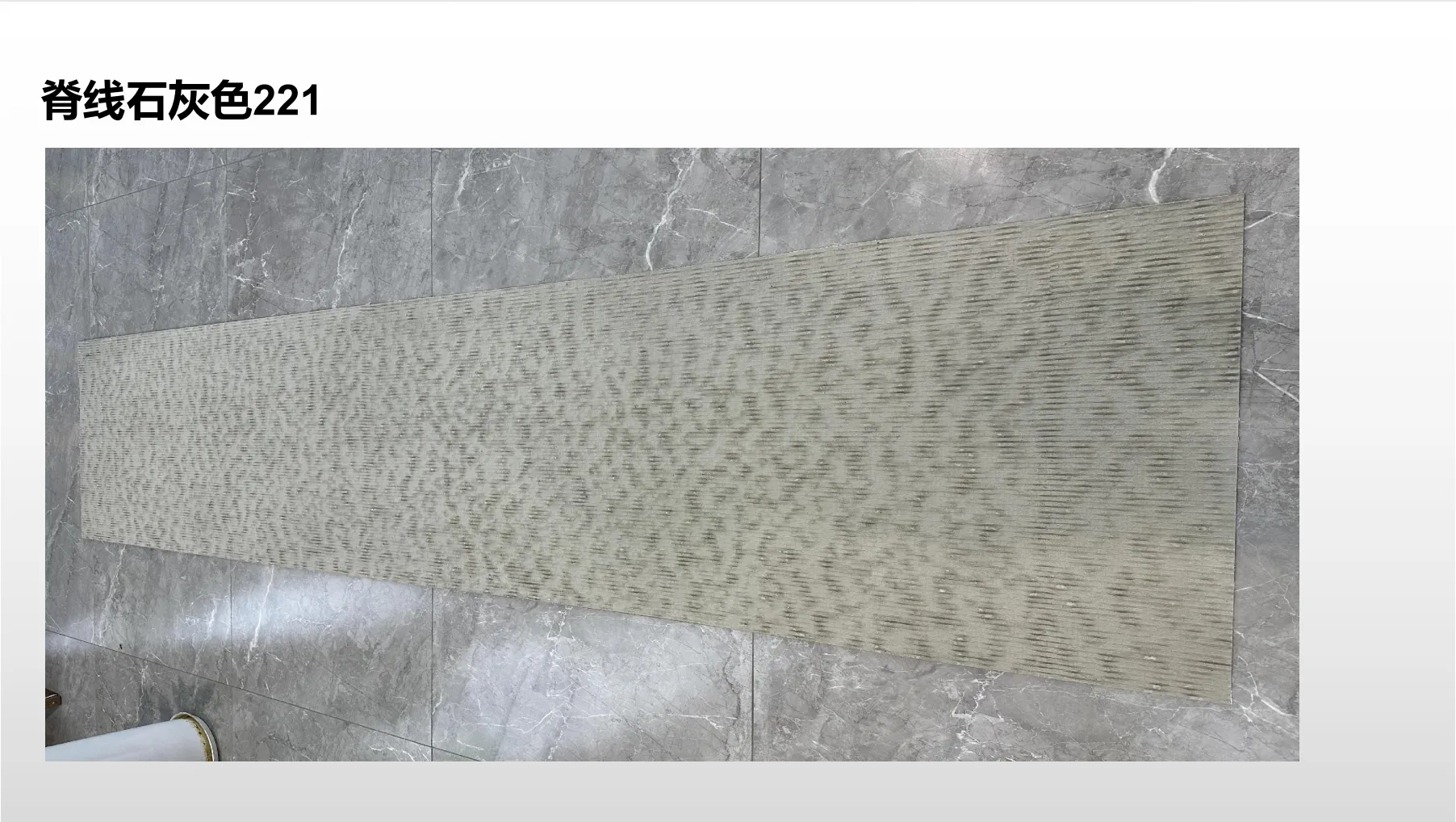
We've all scrolled through those jaw-dropping Ridged Stone real photos—walls that look like they've been hewn from ancient cliffs, with texture so rich it feels like a story waiting to be told. Whether it's in a cozy café, a sleek office lobby, or even a home's accent wall, MCM flexible stone has a way of turning ordinary spaces into something extraordinary. But here's the thing: that "wow" factor doesn't last on its own. Just like a well-loved leather jacket or a vintage wooden table, MCM surfaces—especially textured ones like Ridged Stone—need a little TLC to stay looking like those inspiration photos. Let's dive into how to keep your MCM flexible stone (and yes, even that showstopping Ridged Stone) clean, vibrant, and ready for its close-up.
Before we get into the "how," let's make sure we're on the same page about the "what." MCM flexible stone isn't your grandma's tile or generic wall panel. It's a modified composite material designed to mimic the look and feel of natural stone, wood, or even metal—without the weight, cost, or fragility. Think of it as nature's beauty, reimagined for modern life. From the warm, earthy tones of travertine (beige) to the futuristic shimmer of foamed aluminium alloy board (vintage silver), MCM covers a spectrum of styles. But today, we're zeroing in on one of its most beloved textures: Ridged Stone. With its raised, wave-like patterns, it's a surface that demands attention—but that texture also means it's a magnet for dust, grime, and the occasional spill. And if you neglect it? Those Ridged Stone real photos you fell in love with? They'll start to look more "neglected relic" than "timeless masterpiece."
What makes MCM flexible stone special is its versatility. Unlike heavy natural stone slabs, it's lightweight enough to install on walls, ceilings, and even furniture. It's durable, too—resistant to cracks, chips, and fading. But here's the catch: its flexibility and texture mean it needs a gentler touch than, say, a glossy porcelain tile. Porous options like travertine (beige) or the rustic charm of fair-faced concrete might absorb liquids if not cared for, while textured styles like Ridged Stone can trap dirt in their crevices. So, whether you're a homeowner who splurged on a Ridged Stone accent wall or a designer specifying MCM for a client, knowing how to maintain it is key.
Let's be real: No one wants to spend their weekends scrubbing walls. But here's the truth: skipping maintenance on your MCM flexible stone isn't just about aesthetics—it's about protecting your investment. Think of it this way: If you buy a high-quality sofa, you vacuum it regularly and spot-clean spills to keep the fabric from wearing thin. MCM is no different. A little effort now prevents big headaches later.
Take Ridged Stone, for example. Those ridges that make it so visually striking? They're also tiny dust traps. Over time, dust and grime build up in the valleys between the ridges, making the surface look dull and lifeless. And if a spill (coffee, wine, even juice) seeps into the material? On porous types like travertine (beige), that could mean permanent staining. Suddenly, that "designer" wall starts to look more like a neglected afterthought. On the flip side, a well-maintained MCM surface doesn't just look good—it lasts longer. The material's durability shines when it's cared for, meaning you won't be replacing panels or repainting walls in a few years. Plus, let's not forget the "pride factor." There's something satisfying about walking into a room and thinking, "Yep, I did that. This wall still looks as good as the day it was installed."
You don't need a fancy toolkit or industrial-grade chemicals to clean MCM flexible stone. In fact, most of what you'll need is probably already under your kitchen sink. The key is to keep it gentle—harsh products or abrasive tools can scratch the surface or strip away its finish. Let's break down the essentials:
| Tool/Product | Why You Need It | What to Avoid |
|---|---|---|
| Microfiber cloths | Traps dust and dirt without scratching. Perfect for daily dry wiping, especially on Ridged Stone's ridges. | Paper towels (they leave lint) or rough rags (can scuff the surface). |
| Soft-bristle brush (like a clean paintbrush or makeup brush) | Gets into tight spaces, like the grooves of Ridged Stone or the pores of travertine (beige), to dislodge trapped dust. | Wire brushes or stiff-bristle scrub brushes (they'll scratch or wear down texture). |
| Mild dish soap (unscented, no bleach) | Gentle enough to clean without stripping sealants or discoloring the material. Mix a drop with warm water for weekly cleaning. | Abrasive cleaners (Comet, Ajax), vinegar, ammonia, or bleach (they eat away at MCM's finish). |
| Spray bottle (for water/soap solution) | Controls moisture—you want a light mist, not a soaking. Overwatering can damage porous stones like travertine (beige). | Dunking cloths in buckets (leads to excess water, which can seep into seams). |
| Stone sealer (for porous types) | Adds a protective layer to porous MCM stones like travertine (beige) or fair-faced concrete, preventing stains. | Oil-based sealers (they can yellow over time; stick to water-based, pH-neutral formulas). |
Pro tip: Always test a small, hidden area first—like behind a piece of furniture or in a corner—before using any new cleaner or sealer. Better safe than sorry, right? This is especially important for colored or metallic MCM surfaces, like foamed aluminium alloy board (vintage silver), which might react differently to products than neutral tones.
Textured MCM surfaces like Ridged Stone need a little extra love because, well, texture = nooks and crannies where dirt loves to hide. Let's walk through a routine that'll keep those ridges looking sharp and those photoshoot-ready.
Grab a microfiber cloth and give the surface a quick once-over. This is especially important for high-traffic areas or walls near windows (dust loves to settle there). For Ridged Stone, gently run the cloth along the ridges—don't press too hard, or you'll just push dust deeper into the grooves. Think of it like brushing a pet's fur: light, steady strokes. This takes 2 minutes tops, and it prevents dust from building up into a stubborn layer.
Mix a drop of mild dish soap with warm water in a spray bottle—you want it sudsy but not overly soapy. Mist a small section (about 2x2 feet) of the Ridged Stone surface, then take your soft-bristle brush and gently sweep along the ridges and grooves. The goal is to loosen any trapped dirt, not scrub aggressively. Follow up immediately with a damp (not wet!) microfiber cloth to wipe away the soapy residue. Repeat section by section until the entire surface is done, then dry with a clean microfiber cloth to prevent water spots. Remember: Less water is better, especially if your MCM is porous (looking at you, travertine (beige)!).
Once a month, give your Ridged Stone a little extra attention. Focus on high-touch areas (like near light switches) or spots where dust tends to collect (think: the tops of ridges or the base of the wall). Use the soft-bristle brush to really get into those tight spaces, then follow with the soapy water and cloth method above. If you notice a sticky spot (maybe from a splattered soda or a rogue fingerprint), dampen a cloth with plain water and gently blot—don't rub, which can spread the mess. For extra credit, check the seams between panels—dust loves to hide there, too!
Cleaning is half the battle—maintenance is what keeps your MCM flexible stone thriving for years. Here are some pro tips to make sure your surface stays photo-worthy:
Not all MCM flexible stone needs sealing, but porous types like travertine (beige) or fair-faced concrete absolutely do. Sealing creates a barrier that repels liquids and prevents stains from sinking in. How often? It depends on use—high-traffic areas might need a fresh coat every 1–2 years, while low-traffic spots can go 3–5 years. Check the manufacturer's instructions (they usually include guidance!), and when in doubt, do a water test: Sprinkle a few drops on the surface. If the water beads up, the seal is still good. If it soaks in, it's time to reseal.
MCM is durable, but it's not indestructible. Avoid dragging heavy furniture against MCM walls, and be careful with sharp objects (keys, tools, even pet claws!). If you're mounting something on a Ridged Stone wall (like shelves or art), use gentle adhesives or drill carefully—rough handling can chip the edges. Think of it like caring for a hardwood floor: A little caution goes a long way.
Spills happen—we're only human! The key is to treat them immediately. For food or drink stains, blot (don't rub!) with a clean, dry cloth to soak up as much liquid as possible. Then, mix a tiny bit of dish soap with water, dampen a cloth, and gently dab the area. For oil-based stains (like makeup or grease), sprinkle a little baking soda on the spot, let it sit for 10 minutes to absorb the oil, then brush it away and clean with soapy water. Avoid using harsh stain removers—they can discolor the material, especially on lighter shades like travertine (beige) or foamed aluminium alloy board (vintage silver).
Once a month, take a few minutes to really look at your MCM surface. Are there any cracks in the panels? Loose edges? Discoloration that wasn't there before? Catching issues early makes them easier to fix. For example, a small crack can be sealed with a clear, waterproof adhesive before it spreads. A loose panel might just need a little extra glue—no need for a full replacement if you act quickly.
Even with the best care, life throws curveballs. Here's how to tackle common MCM flexible stone issues:
If soapy water isn't cutting it, try a paste of baking soda and water. Mix equal parts, apply to the stain, and let it sit for 15–20 minutes (don't let it dry completely!). Gently scrub with a soft brush, then wipe away with a damp cloth. For organic stains (like coffee or wine), hydrogen peroxide (3%) can work—test it first on a hidden area, then dab a small amount on the stain, let it sit for 5 minutes, and rinse. Avoid using this on colored MCM, though—it might bleach the surface.
Light scratches on non-porous MCM (like foamed aluminium alloy board (vintage silver)) can sometimes be buffed out with a soft cloth and a tiny bit of toothpaste (non-gel, non-whitening). Rub gently in a circular motion, then wipe clean. For deeper scratches or porous surfaces like travertine (beige), you might need a touch-up kit—check with the manufacturer; many sell color-matched fillers that blend right in.
Fading is usually caused by prolonged sun exposure. If your Ridged Stone wall is near a window, consider adding UV-blocking film to the glass. Dark spots might mean water damage—check for leaks behind the panel (especially if it's in a bathroom or kitchen) and dry the area thoroughly. If the spot persists, a gentle bleach solution (1 part bleach to 10 parts water) can help on white or light-colored MCM—again, test first!
Let's circle back to those Ridged Stone real photos that first caught your eye. What makes them so striking? It's not just the texture—it's the *condition*. A well-maintained Ridged Stone wall has depth: the ridges catch light, the grooves add shadow, and the color stays true. When you skip cleaning, that depth fades. Dust dulls the surface, stains create distractions, and suddenly, your wall looks flat and tired. But with a little effort? It's like hitting "refresh" on your space. Imagine hosting friends and having them say, "Wow, this wall looks even better in person than in the photos!" That's the payoff.
And here's the best part: MCM flexible stone is designed to be low-maintenance. You don't need to spend hours each week tending to it—just a few minutes of daily dusting, a weekly wipe-down, and the occasional deep clean. It's an investment in beauty that doesn't require sacrificing your weekends. Whether you're rocking Ridged Stone, travertine (beige), or even foamed aluminium alloy board (vintage silver), the same principles apply: gentle care, quick action, and regular attention.
At the end of the day, MCM flexible stone is more than just a building material—it's a design choice that reflects your style, personality, and attention to detail. Those Ridged Stone real photos aren't just inspiration; they're a promise of what your space can be, day in and day out. By following these cleaning and maintenance steps, you're not just preserving a wall or a panel—you're preserving that feeling of walking into a space that feels intentional, beautiful, and uniquely yours. So grab your microfiber cloth, mix up that soapy water, and give your MCM surface the love it deserves. Trust us: It'll thank you with years of "oohs" and "aahs."
*P.S. Don't forget to snap your own Ridged Stone real photos once you're done—we'd love to see how great it looks!*
Recommend Products












