
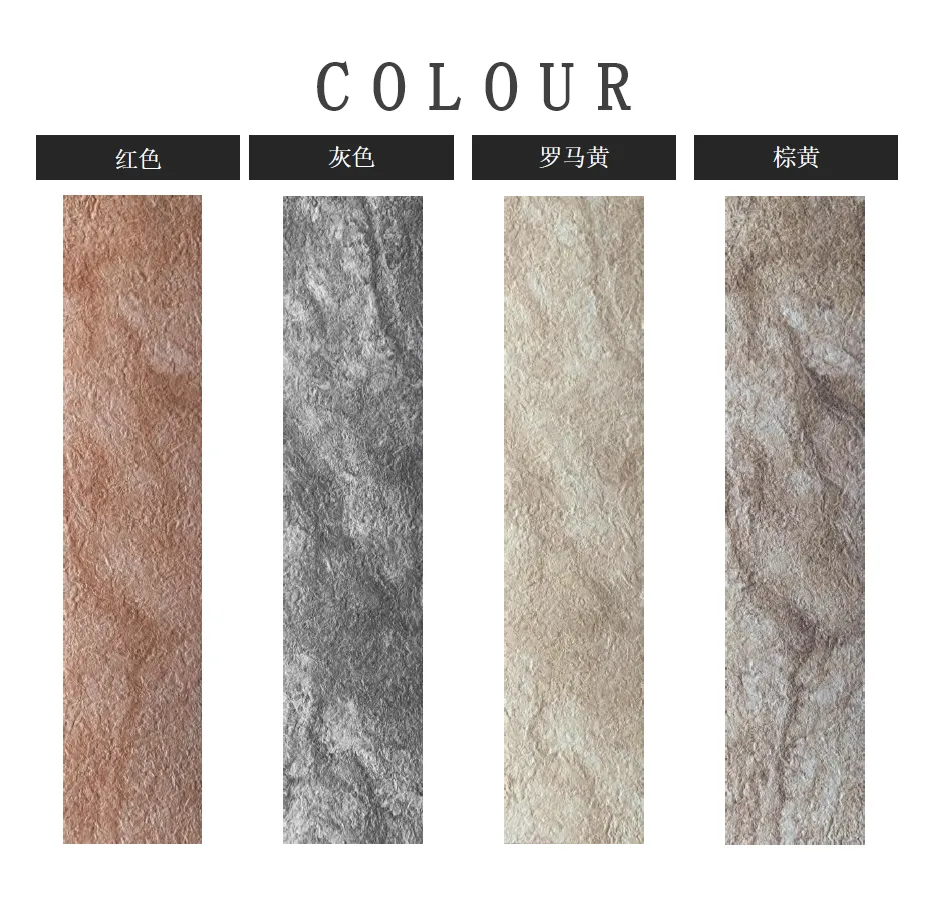
There's a quiet poetry in natural stone. When sunlight filters through a lobby clad in dolomitic travertine, or when rain streaks down the facade of a building wrapped in rock cut dolomitic stone, those surfaces don't just reflect light—they tell stories. Stories of ancient seas that once covered the earth, of minerals binding over millennia, of craftsmen who shaped raw stone into something that feels both timeless and alive. But for all their strength, these stones are not invincible. Color fading, that slow, silent erosion of vibrancy, can turn a striking dark grey dolomitic travertine wall into a washed-out shadow of itself, or drain the warm claybank hues from a historic facade. Let's dive into why this happens, how to stop it, and what to do when the damage is already done.
First, let's get to know the star of the show. Rock cut dolomitic stone, often confused with regular limestone or travertine, is a sedimentary rock formed from calcium magnesium carbonate. It's born in marine environments, where layers of organic matter and minerals compress over millions of years, creating a stone with unique veining, pitting, and color variations. What makes it special? Its porosity—those tiny holes and channels that give it character—also make it vulnerable. And then there are its color variations: from the deep, moody dolomitic travertine (dark grey) that adds drama to modern interiors, to the soft, sunlit dolomitic travertine (claybank) that feels like a hug from the earth. These colors aren't just surface-level; they're woven into the stone's mineral makeup, from iron oxides that tint it red or brown to organic compounds that lend subtle greys and beiges.
Architects and designers love it for good reason. It's durable enough for high-traffic areas, versatile enough to fit both industrial lofts and rustic villas, and it ages with grace—when cared for properly. But that "when" is key. Left unprotected, even the most robust dolomitic stone will start to lose its color, and with it, much of its charm.
Color fading in dolomitic stone isn't a mystery—it's a slow dance between the stone and its environment. Let's break down the usual suspects:
Sunlight is a stone's best friend and worst enemy. UV rays, in particular, break down the organic pigments and minerals that give dolomitic stone its color. Imagine a south-facing wall clad in claybank dolomitic travertine: day after day, the sun beats down, and over time, those warm, earthy tones start to bleach. Dark grey varieties fare a bit better initially, but even they will fade to a dull charcoal if left unshielded. It's not just direct sunlight, either—reflected light from water or glass can amplify the effect, turning a gentle glow into a color-stripping force.
Water loves dolomitic stone. Its porous structure soaks up moisture like a sponge, and while that's part of its charm (think of the way stone darkens temporarily when wet, revealing hidden depth), it's also a problem. When water seeps in, it can carry contaminants—like dirt, salts, or pollutants—deep into the stone. As the water evaporates, those contaminants are left behind, clogging pores and discoloring the surface. Even "clean" water can cause issues: hard water with high mineral content can leave white, chalky deposits that mask the stone's natural color, while standing water can lead to mold or mildew, which stain and degrade the stone over time.
Cities are tough on stone. Airborne pollutants like sulfur dioxide (from cars and factories), acid rain, and even bird droppings (yes, really) can react with the stone's minerals, causing chemical changes that strip color. For example, sulfuric acid in rainwater dissolves calcium carbonate, creating gypsum—a white, powdery substance that not only looks unsightly but also weakens the stone's structure. In coastal areas, salt spray from the ocean is another villain: salt crystals form inside the stone's pores, expanding and cracking the surface, which in turn makes it easier for color-fading agents to penetrate.
Sometimes, we're our own worst enemies. Harsh cleaning products—think bleach, ammonia, or acidic cleaners—can strip away the stone's protective layer and react with its minerals, causing discoloration. Scrubbing too hard with abrasive brushes or pressure washers can wear down the surface, removing the top layer of color. Even well-meaning sealers, if applied incorrectly (too thick, too thin, or the wrong type), can trap moisture inside the stone, leading to long-term color damage.
The good news? Most color fading is preventable. With a little care, you can keep your dolomitic stone looking fresh for decades. Here's how:
Sealing is the first line of defense. A good sealer acts like a raincoat for your stone, repelling water and pollutants while letting the stone "breathe." For dolomitic stone, opt for a penetrating sealer (not a topical one, which can yellow over time). These sealers soak into the pores, creating a barrier that stops contaminants from entering. How often should you seal? For exterior stone in harsh climates (think sun, rain, or pollution), every 1–2 years. For interior stone in low-traffic areas, every 3–5 years. And always test the sealer on a small, hidden area first—you don't want to accidentally darken or discolor the stone.
Forget the heavy-duty cleaners. For day-to-day cleaning, warm water and a soft, microfiber cloth are usually enough. If you need more oomph, use a pH-neutral stone cleaner—look for products specifically labeled for dolomitic or travertine stone. Avoid anything with vinegar, lemon, or bleach, as these are acidic and will eat away at the stone. For tough stains (like oil or wine), blot first (don't rub!), then apply a stone-safe stain remover and let it sit before rinsing. And never use a pressure washer on dolomitic stone—it's too porous, and the high pressure can force water deep into the pores, leading to mold or mineral deposits.
If you're installing new stone, think about placement. A dark grey dolomitic travertine patio in full sun might look stunning now, but in 5 years, it could be a pale shadow. Consider adding awnings, overhangs, or landscaping (like trees) to block direct UV rays. For existing installations, window films that filter UV light can help protect interior stone. And don't forget about drainage—make sure water runs off the stone, not pools on it. Install proper slope and drainage systems to keep moisture at bay.
Inspect your stone regularly. Look for signs of wear: dull spots, discoloration, or pitting. Catching issues early makes them easier to fix. Sweep or dust interior stone weekly to prevent abrasive dirt from scratching the surface. For exterior stone, rinse with plain water monthly to wash away surface pollutants before they can penetrate. And if you notice a chip or crack, repair it promptly—even small gaps can let water and contaminants in, accelerating color fading.
| Prevention Method | How It Works | Best For |
|---|---|---|
| Penetrating Sealer | Seeps into pores to repel water/pollutants; breathable | Exterior/interior stone; high-moisture areas |
| UV-Resistant Coatings | Blocks UV rays from breaking down color pigments | South-facing exteriors; sun-exposed surfaces |
| pH-Neutral Cleaning | Gently removes dirt without reacting with stone minerals | All dolomitic stone surfaces |
| Drainage Systems | Prevents water pooling and moisture penetration | Patios, walkways, exterior walls |
So, what if the damage is already done? Maybe you moved into a home with a faded claybank dolomitic travertine fireplace, or inherited a commercial building with a dark grey dolomitic travertine facade that's lost its luster. Don't despair—restoration is possible, and it's not just about making the stone look new again; it's about reviving its story.
First, figure out how bad the fading is. Is it surface-level (just the top layer of the stone is discolored) or deep (the color has faded throughout the stone's thickness)? Do a simple test: dampen a small area with distilled water. If the color darkens and looks closer to the original, the fading is likely surface-level (caused by dirt, grime, or a degraded sealer). If the dampened area stays faded, the color loss is deeper, and you'll need more intensive restoration.
Before you can restore color, you need a clean canvas. Start with a deep clean using a stone-safe, alkaline cleaner (avoid acids!). For tough stains or built-up grime, you might need a poultice—a paste made of baking soda or diatomaceous earth mixed with water—that draws out contaminants. Apply the poultice, cover it with plastic, let it sit overnight, then rinse. Be patient; this might take a few tries for stubborn stains. For exterior stone, a low-pressure rinse (never high-pressure!) can help remove surface dirt without damaging the stone.
If the fading is mild, color enhancement might be enough. Stone enhancers are products that penetrate the stone and darken or intensify its natural color, bringing back depth and vibrancy. They're not dyes—they work by making the stone's existing minerals more visible. For example, a claybank dolomitic travertine that's faded to a pale beige might, with an enhancer, regain its warm, golden undertones. Test the enhancer on a hidden area first to make sure you like the result—it's permanent, so you want to get it right.
If the stone's surface is worn or pitted, resurfacing might be necessary. This involves lightly grinding the top layer of the stone with diamond pads to remove the faded or damaged surface, revealing fresh, color-rich stone underneath. It's like giving the stone a gentle exfoliation. This works best for honed or matte finishes; polished dolomitic stone might require re-polishing after resurfacing. Note: Resurfacing removes a thin layer of stone, so it's not something you can do repeatedly—save it for when the fading is severe.
After restoration, protect your hard work with a fresh coat of sealer. This will lock in the restored color and prevent future fading. Follow the same sealing guidelines as before: choose a penetrating sealer, apply it evenly, and reapply regularly.
Let's put this into practice with a real-world example. A historic hotel in Tuscany, built in the 1920s, had a facade clad in dolomitic travertine (claybank) . Over the years, exposure to sun, rain, and pollution had turned its warm, honey-colored walls into a patchy, pale grey. The owners were heartbroken—they wanted to preserve the hotel's character without losing its original charm.
First, we assessed the damage: surface-level fading, with some deeper staining from bird droppings and acid rain. We started with a deep clean using a pH-neutral stone cleaner and a soft brush, then applied a poultice to target the stains. After rinsing, the stone looked cleaner, but still faded. Next, we tested a color enhancer on a small section of the facade. The result was dramatic: the claybank color came flooding back, warm and rich, like the stone had been kissed by the sun again. We applied the enhancer to the entire facade, then sealed it with a penetrating sealer designed for historic stone. Today, the hotel's facade looks like it did a century ago—proof that with the right care, even faded stone can tell its story once more.
Rock cut dolomitic stone isn't just a building material—it's a piece of Earth's history, a link between the past and the present. When its color fades, we lose more than just aesthetics; we lose a connection to the natural world and the craftsmanship that shaped it. But with prevention—sealing, gentle cleaning, smart maintenance—and restoration when needed, we can keep that connection alive.
Whether you're caring for a modern home with dark grey dolomitic travertine floors or a centuries-old villa with claybank walls, remember: stone ages, but it doesn't have to fade. With a little love and attention, your dolomitic stone can continue to tell its story for decades to come—vibrant, resilient, and full of life.
Recommend Products












