
Exterior columns are more than just structural elements—they're the silent storytellers of a building. They frame entrances, anchor facades, and whisper hints about the space they guard, whether it's a sleek modern office, a cozy boutique hotel, or a grand historical renovation. But here's the thing: not all columns are created equal. The material you choose can turn a functional support beam into a design statement that lingers in visitors' minds long after they've walked through the door. That's where rock cut dolomitic stone comes in. It's not just a stone; it's a bridge between nature's raw beauty and human craftsmanship, offering a rare blend of visual drama and structural reliability that makes exterior columns feel less like "parts" and more like pieces of art.
Think about the last time you paused to admire a building's exterior. Chances are, if the columns stood out, it was because they had character—texture that caught the light, a color that felt intentional, a presence that seemed to ground the entire structure. Rock cut dolomitic stone brings that character in spades. Unlike smooth, uniform materials that can feel cold or generic, this stone carries the marks of its formation: subtle veining, natural pits, and a surface that looks like it was carved by time itself (because, in a way, it was). And when paired with innovations like mcm flexible stone technology, it becomes even more versatile—light enough to handle, strong enough to last, and flexible enough to adapt to any column shape or size.
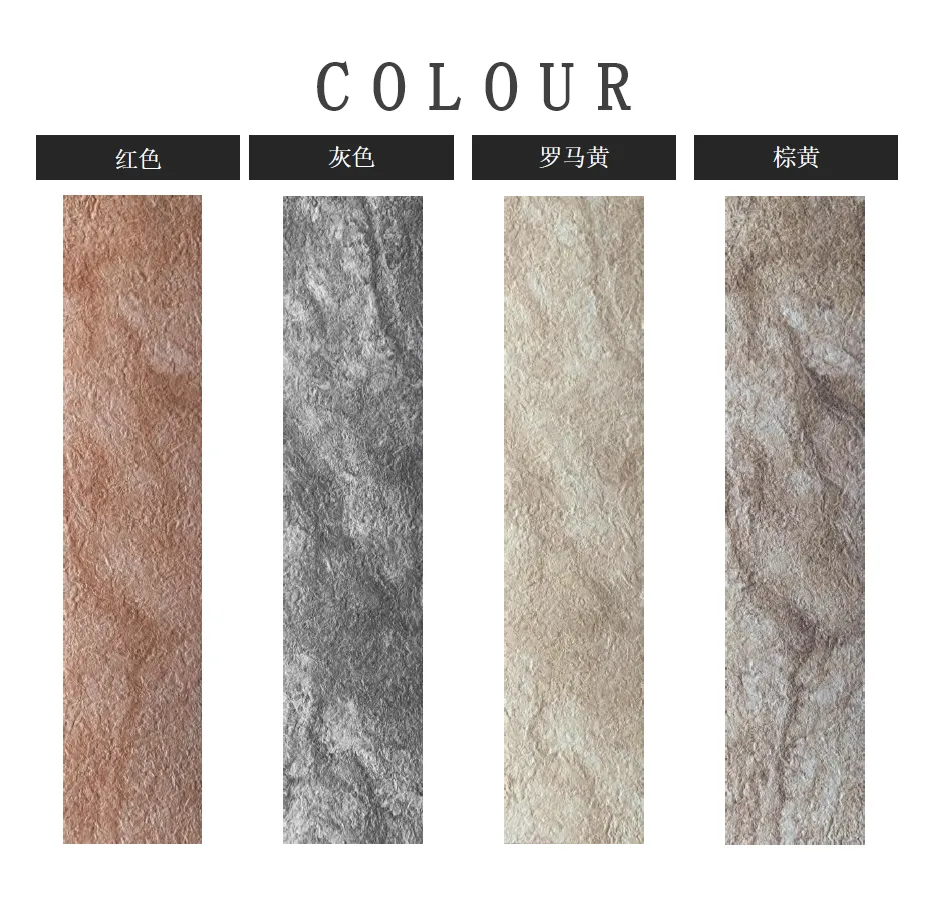
Let's start with the basics: dolomitic stone is a type of sedimentary rock formed from limestone that's been infused with magnesium over millions of years. This gives it a unique set of properties—harder than regular limestone, more resistant to weathering, and with a subtle, earthy color palette that ranges from warm dolomitic travertine(claybank) to moody dolomitic travertine(dark grey) . But what makes "rock cut" dolomitic stone special is the way it's processed. Instead of being machine-polished to a uniform shine, it's cut using traditional techniques that preserve the stone's natural texture. Imagine artisans using chisels and hammers to split the stone along its natural fault lines, revealing a surface that's rough yet refined—like a mountainside that's been gently sculpted by wind and rain.
This process isn't just about aesthetics, though. The "rock cut" texture adds grip, making it safer for exterior use (no slippery surfaces after rain), and the irregular surface helps mask minor wear and tear over time—perfect for columns that face the elements year-round. And because it's often part of the big slab board series , you can get large, seamless pieces that wrap around columns without unsightly seams, creating a look of solidity and grandeur.
Compare that to regular travertine, which is porous and softer, or marble, which can etch easily with acid rain. Dolomitic stone's magnesium content acts like a natural shield, making it more resistant to stains, scratches, and the slow erosion that wears down lesser materials. It's the kind of stone that gets better with age—those subtle color variations deepen, the texture becomes more pronounced, and the columns start to feel like they've always been there, as if the building grew up around them.
One of the first things architects and designers fall in love with about rock cut dolomitic stone is its versatility. It doesn't play by "one style fits all" rules—it adapts. Let's talk texture first. The rock cut finish is the star here: it's not perfectly smooth, but not overly rough either. Run your hand over it, and you'll feel tiny ridges and valleys, like the surface of a river stone that's been polished by water but still retains its natural shape. This texture catches light in unexpected ways—warm golden hues at sunrise, cool silvery tones at dusk—adding depth to columns that would otherwise feel flat.
Then there are the colors. Thanks to variants like dolomitic travertine(dark grey) and dolomitic travertine(claybank) , you're not stuck with a single shade. Dark grey leans modern and industrial, pairing beautifully with glass and steel facades to create contrast. Claybank, on the other hand, is a warm, earthy tone—think terracotta meets sandstone—that feels right at home in rustic or Mediterranean designs. It's the kind of color that makes a building look rooted in its environment, like it belongs where it stands.
But what if you're working on a project that blends old and new? That's where historical pathfinders stone comes into play. Imagine restoring a 19th-century mansion: you want the columns to honor the building's past but need materials that meet modern structural codes. Rock cut dolomitic stone bridges that gap. Its natural texture and color variations mimic the aged stone of historical structures, while its durability and MCM-backed flexibility ensure it can handle the demands of today's construction standards. It's like giving history a sturdy, stylish update.
And let's not forget shape. Exterior columns come in all forms—round, square, fluted, tapered—and rock cut dolomitic stone can keep up. Thanks to mcm flexible stone technology, the stone is engineered to be lightweight and bendable (within reason), making it easier to wrap around curved columns or custom shapes without cracking. This is a game-changer for designers who want to push the envelope—no more limiting columns to basic geometries when you can have organic curves or intricate details.
Let's get practical: a column's first job is to support weight. No amount of beauty matters if it can't hold up the roof. Luckily, rock cut dolomitic stone takes its structural role seriously. Let's break down its credentials:
To put this in perspective, let's say you're building a coastal restaurant with outdoor seating. The columns will face salt air, heavy rains, and constant foot traffic. A lesser material might start chipping, staining, or even corroding within a few years. Rock cut dolomitic stone? It'll stand there, looking just as good as the day it was installed, maybe even better as it develops a subtle patina. That's the kind of longevity that saves money on repairs and keeps the building looking its best for decades.
Still on the fence? Let's see how rock cut dolomitic stone compares to other common column materials. We've put together a quick breakdown to help you weigh the pros and cons:
| Material | Durability | Weight | Design Flexibility | Cost (Relative) |
|---|---|---|---|---|
| Rock Cut Dolomitic Stone | Excellent (weather, stain, scratch-resistant) | Moderate (lighter than solid stone, thanks to MCM) | High (textures, colors, custom shapes) | Mid-Range |
| Marble | Good (prone to etching, staining) | Heavy | High (luxurious, but limited colors) | High |
| Concrete | High (prone to cracking over time) | Very Heavy | Low (limited texture, uniform color) | Low |
| MCM Flexible Stone | Excellent (resistant to weather, lightweight) | Light | Very High (can mimic any texture, flexible) | Mid-Range |
As you can see, rock cut dolomitic stone hits a sweet spot: it's more durable than marble, more design-forward than concrete, and offers a natural, organic look that even MCM flexible stone (which is often a mimic) can't fully replicate. It's the kind of material that checks both the "love it" box (design) and the "trust it" box (structure).
So you've fallen for rock cut dolomitic stone—now what? Installing it on exterior columns isn't rocket science, but there are a few tips to ensure it goes smoothly and stays looking great for years to come.
First, surface preparation is key. The substrate (the material the stone will be attached to) needs to be clean, dry, and level. Any dirt, moisture, or unevenness can lead to adhesion issues or uneven wear. Think of it like painting a wall: you wouldn't skip priming, right? The same logic applies here—prep the surface, and your stone will stick better and last longer.
Next, mounting. Because rock cut dolomitic stone is often part of the big slab board series , the pieces can be large, so you'll need a team to handle them safely. For flat or slightly curved columns, mechanical anchors or a strong adhesive (rated for exterior use) work well. For highly curved or custom shapes, consider using MCM flexible stone panels, which are lighter and easier to manipulate. The goal is a secure bond that can handle wind, vibrations, and the stone's own weight over time.
Sealing is another must. While dolomitic stone is naturally resistant to stains, a good quality sealer adds an extra layer of protection, especially in areas with heavy rain or pollution. It's like putting sunscreen on your skin—you might not need it every day, but it'll prevent damage in the long run. Just make sure to use a sealer designed for natural stone; some sealers can darken the color, so test it on a small, hidden piece first.
Maintenance? It's surprisingly low-effort. A quick rinse with water and a soft brush once or twice a year is usually enough to keep the stone clean. Avoid harsh chemicals or pressure washers (the high pressure can chip the texture). And if you notice a small stain? Blot it immediately with a damp cloth and mild soap—don't let it sit. With a little care, your columns will look fresh and vibrant for decades.
Still need convincing? Let's look at a few real-world projects where rock cut dolomitic stone stole the show:
The Rustic Retreat: A boutique hotel in the Italian countryside wanted columns that felt like they'd been there for centuries. They chose dolomitic travertine(claybank) with a rock cut finish, paired with wooden beams and terracotta roofs. The result? Columns that look like they were hewn from the local hillside, warm and inviting, with just enough texture to catch the Mediterranean sun. Guests often comment on how the columns make the hotel feel "like a home away from home."
The Modern Marvel: A tech company headquarters in Singapore needed columns that matched its sleek, futuristic vibe. They went with dolomitic travertine(dark grey) in a rock cut finish, paired with floor-to-ceiling glass and steel accents. The dark grey stone adds depth and contrast, while its natural texture softens the building's sharp lines, making it feel bold but not cold. It's a column design that says "innovation" without forgetting about beauty.
The Historical Revival: A 1800s courthouse in the U.S. was undergoing restoration, and the original stone columns were too damaged to save. The architects turned to historical pathfinders stone and rock cut dolomitic stone. By matching the texture and color of the original stone, they preserved the building's historical character, but with modern durability. Today, the columns stand tall, a nod to the past with the strength to serve the community for another 200 years.
At the end of the day, exterior columns are about balance—support and style, function and feeling. Rock cut dolomitic stone nails that balance. It's durable enough to stand up to the elements, flexible enough to fit any design vision, and beautiful enough to turn heads. Whether you're building a new structure or breathing life into an old one, it's a material that doesn't just meet expectations—it exceeds them.
Think of it this way: a building's exterior is the first impression it makes. Columns are front and center in that impression. Why settle for something ordinary when you can have something extraordinary? Rock cut dolomitic stone isn't just a choice for today—it's an investment in tomorrow, ensuring your columns look great, perform better, and tell a story that lasts.
So the next time you're planning a project with exterior columns, ask yourself: Do I want columns that blend in, or columns that stand out? If it's the latter, rock cut dolomitic stone is waiting. It's not just stone—it's a statement.
Recommend Products












