
The facade of a luxury hotel is more than just a protective shell—it's the first chapter of a guest's experience, a silent storyteller that sets the tone for opulence, comfort, and timelessness. In an era where travelers seek authenticity and connection with their surroundings, hoteliers and architects are turning to materials that bridge nature and luxury. Enter Rock Cut Dolomitic Stone: a material that doesn't just adorn buildings but elevates them into landmarks, blending raw natural beauty with the refined elegance expected of world-class hospitality.
This guide dives into the allure of Rock Cut Dolomitic Stone, exploring why it has become a staple for high-end hotel facades, how it harmonizes with complementary materials like MCM flexible stone and travertine, and the practical benefits that make it a smart choice for developers aiming to leave a lasting impression. Whether you're designing a boutique retreat in the hills or a sleek urban resort, this stone offers a canvas to craft facades that feel both grounded and extraordinary.
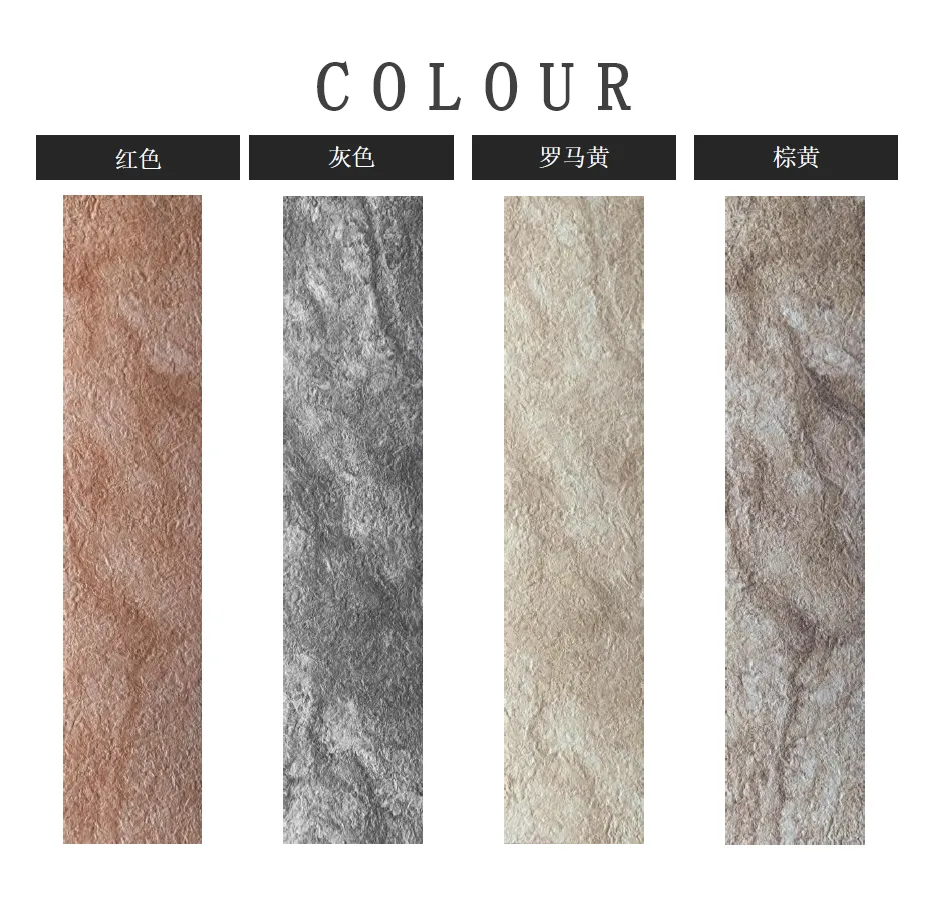
At first glance, Rock Cut Dolomitic Stone captivates with its texture—a deliberate balance of ruggedness and precision. Unlike uniformly polished stones that can feel cold or artificial, this material retains the organic character of its formation, with visible mineral veins, subtle color variations, and a surface that seems to shift with the light. It's as if the stone carries the memory of the earth's crust within it, making every facade unique, no two panels exactly alike.
Available in claybank and dark grey hues, Rock Cut Dolomitic Stone offers versatility in mood. The claybank variant warms a facade with earthy, sunlit tones, evoking the warmth of a Mediterranean villa or a desert oasis. Dark grey, on the other hand, leans into sophistication, adding depth and drama—perfect for hotels aiming for a modern, minimalist aesthetic that stands out against city skylines. Imagine a hotel in downtown Tokyo, its dark grey Rock Cut Dolomitic Stone facade catching the glow of streetlights at night, exuding quiet luxury amid the bustle.
But its beauty isn't skin-deep. Dolomitic stone is inherently durable, resistant to weathering, temperature fluctuations, and the wear of urban environments. For hotels in coastal areas, this means standing up to salt spray; for those in busy cities, it resists staining from pollution. It's a material that ages gracefully, too—rather than fading, it develops a subtle patina over time, enhancing its character. A hotel built with Rock Cut Dolomitic Stone doesn't just look good on opening day; it grows more charming with each passing year, becoming a timeless part of its landscape.
Great design is rarely about a single material—it's about how materials converse, creating depth and narrative. Rock Cut Dolomitic Stone shines brightest when paired with others that accentuate its strengths, whether adding softness, modernity, or warmth. Let's explore how it blends with some of today's most sought-after facade materials, turning ordinary facades into extraordinary experiences.
For hotels that demand both the look of natural stone and the flexibility to create dynamic, curved, or intricate facades, MCM flexible stone is the perfect partner. Unlike rigid stone panels, MCM (Modified Composite Material) flexible stone bends without cracking, allowing architects to play with shapes that would be impossible with traditional materials. Imagine a hotel lobby entrance with a sweeping, curved wall: Rock Cut Dolomitic Stone forms the base, its rough texture grounding the design, while MCM flexible stone wraps upward, its smoother finish softening the transition to the upper floors. The result? A facade that feels both solid and fluid, inviting guests to explore what lies beyond.
MCM flexible stone also offers practical benefits, such as lighter weight (reducing structural load) and easier installation, making it ideal for retrofits or high-rise hotels where weight is a concern. When paired with Rock Cut Dolomitic Stone, it doesn't compete for attention—it complements, adding versatility without sacrificing the organic charm that makes the stone so appealing.
For hotels aiming to evoke warmth and timeless elegance, travertine (vintage gold) adds a golden glow that pairs beautifully with Rock Cut Dolomitic Stone's earthy tones. Travertine's signature pitted surface and warm, honeyed hues bring a sense of history, as if the material has been quarried from ancient Roman ruins. When used alongside Rock Cut Dolomitic Stone—say, as accent panels on a facade—travertine (vintage gold) creates a striking contrast: the stone's rugged texture against travertine's smooth, porous surface, like sunlight breaking through a rocky landscape.
This pairing works particularly well for boutique hotels in wine regions or coastal areas, where the goal is to blend with the natural surroundings. Imagine a hotel in Tuscany: Rock Cut Dolomitic Stone forms the main facade, its claybank color mirroring the rolling hills, while travertine (vintage gold) accents the windows and entryways, catching the afternoon sun and casting a warm, inviting glow. Guests arriving feel instantly at ease, as if the building itself is welcoming them home.
In contrast, for urban luxury hotels that lean into modernity and minimalism, Lunar Peak silvery offers a sleek, metallic counterpoint to Rock Cut Dolomitic Stone's organic texture. With its cool, silvery finish and smooth, almost reflective surface, Lunar Peak silvery adds a touch of futuristic elegance, making the facade feel both grounded and forward-thinking. Picture a hotel in a bustling city center: Rock Cut Dolomitic Stone covers the lower floors, its rough-hewn texture adding a sense of permanence amid the glass and steel skyline, while Lunar Peak silvery panels rise above, catching the city lights and creating a shimmering contrast. It's a design that says, "We honor tradition, but we're not bound by it."
For hotels that embrace the "less is more" philosophy, fair-faced concrete (also known as exposed aggregate concrete) pairs with Rock Cut Dolomitic Stone to create a raw, industrial-chic aesthetic that feels both modern and authentic. Fair-faced concrete's neutral gray tones and subtle texture complement the stone's earthiness, while its smooth, uniform finish balances the stone's irregularities. Together, they create a facade that feels honest—no frills, just quality materials speaking for themselves.
This pairing is ideal for boutique hotels in arts districts or converted industrial spaces, where the goal is to preserve a sense of rawness while elevating it to luxury. Imagine a former warehouse turned hotel: Rock Cut Dolomitic Stone clads the original brick walls, adding warmth, while fair-faced concrete panels form new extensions, their clean lines contrasting with the stone's roughness. The result is a facade that tells the building's story—past and present—without saying a word.
| Material | Key Trait | How It Enhances Rock Cut Dolomitic Stone | Ideal Hotel Vibe |
|---|---|---|---|
| MCM Flexible Stone | Bendable, lightweight | Adds curve-friendly versatility | Dynamic, modern, coastal |
| Travertine (Vintage Gold) | Warm, honeyed veins | Infuses warmth and historical charm | Boutique, rustic-luxury, vineyard |
| Lunar Peak Silvery | Sleek, metallic finish | Adds futuristic contrast to organic texture | Urban, minimalist, high-end |
| Fair-Faced Concrete | Raw, neutral gray | Balances irregularity with modern uniformity | Industrial-chic, arts district, converted spaces |
To truly understand the impact of Rock Cut Dolomitic Stone, let's step into three fictional yet realistic hotel projects where this material takes center stage, paired with complementary materials to create unforgettable facades.
Nestled in the foothills of the Alps, The Azure Hills Resort aims to blend with its natural surroundings while offering five-star luxury. The facade features Rock Cut Dolomitic Stone (dark grey) as the primary material, its rough texture mirroring the nearby mountain cliffs. To soften the look and add warmth, architects paired it with travertine (vintage gold) for the hotel's gabled roof overhangs and balcony railings. The result? A building that feels like it's emerged from the landscape, with the travertine's golden glow catching the morning sun and welcoming guests as they arrive. MCM flexible stone was used for the curved porte-cochere, allowing for a seamless transition from the stone facade to the glass entrance, creating a sense of flow that invites guests in.
In the heart of Tokyo's Shinjuku district, The Metro Skyline Hotel needed a facade that stood out amid the city's glass towers. Architects chose Rock Cut Dolomitic Stone (claybank) for the lower three floors, its earthy tones adding a grounding element to the bustling urban environment. Above, Lunar Peak silvery panels rise to the 20th floor, their reflective surface catching the city lights and creating a dynamic, ever-changing facade. Fair-faced concrete accents were added around the windows, their smooth finish contrasting with the stone's texture and adding a modern, industrial edge. The result is a hotel that feels both rooted in tradition and unapologetically forward-thinking—a perfect metaphor for Tokyo itself.
Overlooking the Arabian Gulf, The Desert Mirage Resort wanted a facade that evoked the region's desert landscapes and coastal beauty. Rock Cut Dolomitic Stone (claybank) forms the main structure, its warm, sandy tones mirroring the desert dunes. To add a touch of luxury, travertine (vintage gold) was used for the hotel's signature archways, their curved design and golden hue evoking the grandeur of Middle Eastern architecture. MCM flexible stone was employed for the resort's infinity pool terrace walls, its flexibility allowing for a seamless curve that blends the facade with the pool's edge, creating the illusion that the building merges with the sea. It's a facade that tells a story of place—of desert and sea, tradition and luxury.
Beyond its aesthetic appeal, Rock Cut Dolomitic Stone offers a host of practical benefits that make it a smart investment for hotel developers. Let's break down why this material isn't just beautiful—it's also a strategic choice.
In the world of luxury hospitality, first impressions last. Rock Cut Dolomitic Stone isn't just a building material; it's a storyteller, a bridge between nature and design, and a promise of quality that guests can feel the moment they arrive. When paired with complementary materials like MCM flexible stone, travertine (vintage gold), Lunar Peak silvery, or fair-faced concrete, it creates facades that are not just seen but experienced—facades that make guests pause, admire, and remember.
For hoteliers and developers, choosing Rock Cut Dolomitic Stone is an investment in both aesthetics and longevity. It's a material that honors the past (with its natural, earthy character) while embracing the future (with its durability and sustainability). It transforms buildings into landmarks, and stays into memories.
So, as you dream of your next hotel project, consider the facade not as an afterthought, but as the first chapter of your guests' journey. Let Rock Cut Dolomitic Stone be the pen that writes that chapter—one of beauty, authenticity, and timeless luxury.
Recommend Products












