
There's something magical about a pool area—it's where laughter mingles with the sound of water, where sunlight dances on wet surfaces, and where every step should feel safe, steady, and beautiful. Choosing the right material for your pool surround isn't just about aesthetics; it's about creating a space that stands up to splashes, foot traffic, and the test of time. Among the many options available, one material has been turning heads for its perfect blend of rugged charm and practicality: Rock Cut Dolomitic Stone . But it's not alone. Today, we're diving into why this stone shines, exploring its slip-resistant and durable qualities, and uncovering other standout materials that can transform your pool area into a haven of style and safety.
Dolomitic stone, formed from mineral-rich sediments over millions of years, has long been prized for its strength and natural beauty. But it's the "rock cut" finish that makes it a game-changer for pool surrounds. Imagine running your hand over its surface—rough, textured, with deep, irregular grooves that tell the story of how it was hewn from the earth. This isn't just a visual detail; it's a functional feature. Unlike polished stones that can turn slippery when wet, the rock cut texture provides instant grip, even on hot summer days when the area is dotted with wet feet and splashes.
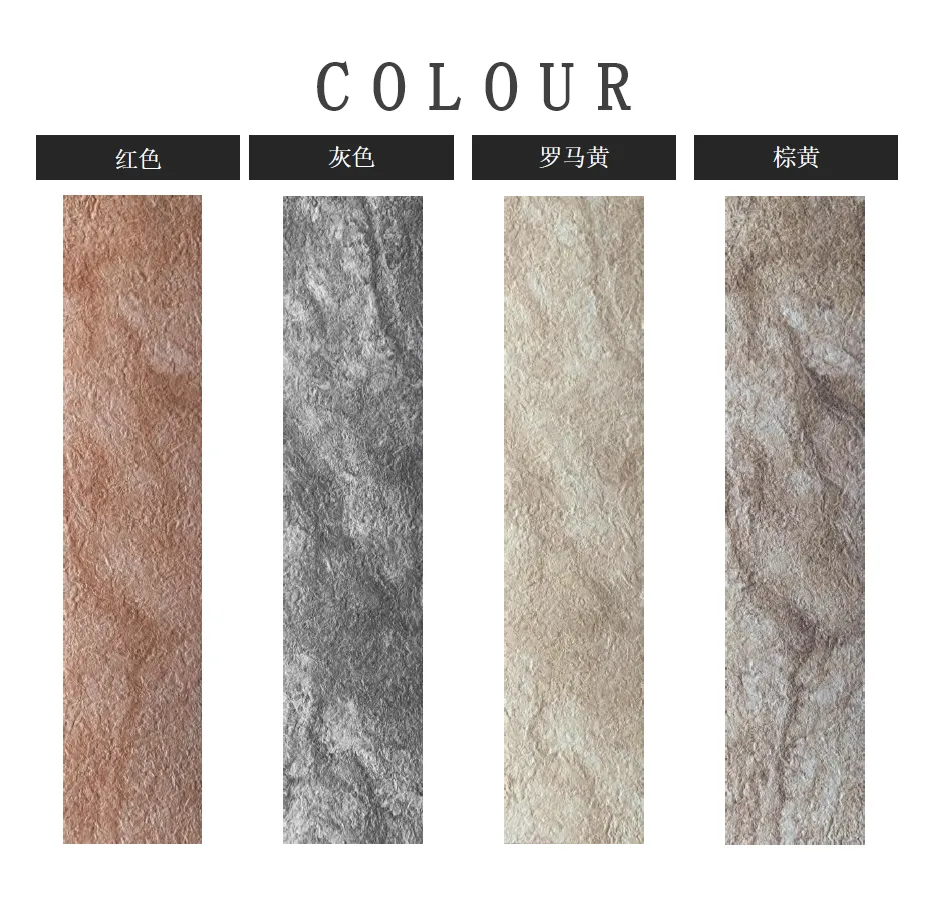
What truly sets rock cut dolomitic stone apart, though, is its versatility. Available in shades like dolomitic travertine (dark grey) and dolomitic travertine (claybank) , it seamlessly fits into a range of design styles. Want a modern, industrial look? The dark grey variant adds a sleek, grounded feel. Craving something warmer? The claybank hue brings earthy tones that complement tropical landscaping or rustic architecture. It's a material that doesn't just "work" in a pool area—it elevates it, turning a functional space into one that feels intentional and connected to nature.
Slip resistance isn't just a buzzword in pool design—it's a safety necessity. According to the National Floor Safety Institute, slips and falls are among the most common accidents in residential pool areas, often due to smooth, wet surfaces. Rock cut dolomitic stone addresses this by leveraging its natural texture. The uneven, chiseled surface creates friction between feet and the stone, even when water, sunscreen, or pool chemicals are present.
But how does it compare to other materials? Let's break it down. Polished stones like marble or polish concrete might look stunning, but their smooth surfaces can become hazardous when wet. Even some textured materials, like linear travertine (claybank) , have shallower grooves that can wear down over time, reducing their grip. Rock cut dolomitic stone, however, retains its texture for decades. The deep, irregular cuts are part of the stone's structure, not just a surface treatment, so they don't fade or smooth out with foot traffic.
For those who want to take slip resistance a step further, combining rock cut dolomitic stone with smaller, textured accents like star gravel or gravel omani stone can add extra grip in high-traffic areas, like steps or near the pool's edge. These pebbly additions not only enhance safety but also create visual interest, breaking up large stone slabs with subtle texture variations.
A pool surround material isn't just an investment in beauty—it's an investment in longevity. Pool areas face a unique set of challenges: constant exposure to UV rays, chlorine from splashes, temperature swings (from scorching sun to cool nights), and heavy foot traffic. Rock cut dolomitic stone is built to withstand all of it.
Dolomitic stone is naturally dense and low in porosity, meaning it resists water absorption. This is key in pool areas, where standing water or chlorine exposure can cause other materials to degrade, crack, or discolor. Unlike wood grain board , which might warp or rot over time, or bamboo mat board , which can fade in direct sunlight, dolomitic stone holds its ground. UV rays won't bleach its color, chlorine won't etch its surface, and freeze-thaw cycles won't cause it to split. In fact, many homeowners report that their rock cut dolomitic stone surrounds look just as good after 10–15 years as the day they were installed.
Maintenance is another area where this stone shines. A quick rinse with a hose and occasional scrub with mild soap is all it takes to keep it looking fresh. No need for expensive sealants every year (though sealing can enhance its color), and no worrying about stains from sunscreen or pool toys—its dense surface repels most spills, making cleanup a breeze.
While rock cut dolomitic stone is a standout choice, the best pool surrounds often mix materials to add depth and personality. Let's explore some other options that pair beautifully with dolomitic stone, each bringing its own unique blend of slip resistance, durability, and style.
For those who want to add a touch of modern luxury, the lunar peak series— lunar peak silvery , lunar peak golden , and lunar peak black —is a showstopper. These stones feature a metallic sheen that catches the light, creating a subtle sparkle that contrasts stunningly with rock cut dolomitic stone's earthiness. The silvery variant, with its cool, reflective surface, adds a futuristic edge, while the golden hue warms up the space, making it ideal for evening pool gatherings. Like dolomitic stone, lunar peak stones are highly durable, resistant to fading, and their textured finish (think tiny, star-like flecks) provides reliable slip resistance.
If you're drawn to industrial or contemporary design, foamed aluminium alloy board is worth considering. Available in vintage silver , vintage gold , and gold , these boards are lightweight yet surprisingly strong. The foamed texture creates a matte, slightly rough surface that's naturally slip-resistant, and the alloy material is impervious to water, chlorine, and rust. Use them as accent panels alongside rock cut dolomitic stone to add metallic pops, or as a border to define the pool's edge. They're also easy to install, making them a great choice for DIY enthusiasts or quick renovation projects.
Travertine has long been a favorite in pool design, but the travertine (starry) series takes it to a new level. With options like travertine (starry green) , travertine (starry red) , and travertine (starry blue) , these stones feature embedded "stars"—small, reflective particles that glimmer in sunlight and pool lights. Beyond their visual appeal, the starry travertine's pitted, porous surface (a natural characteristic of travertine) offers excellent slip resistance. It's a material that feels both whimsical and sophisticated, perfect for pool areas designed for relaxation and entertainment.
For a minimalist, industrial vibe, fair-faced concrete is hard to beat. Its raw, unpolished surface has a subtle texture that provides grip, and its neutral color (think soft greys and off-whites) acts as a blank canvas for other design elements, like vibrant pool tiles or colorful landscaping. Concrete is also incredibly durable—resistant to cracks, fading, and chemical damage—and can be customized with stamps or stains to mimic the look of rock cut dolomitic stone at a lower cost. Pair it with wood line accents for a warm-cool contrast that feels both modern and inviting.
If you want to make a statement, boulder slab is the way to go. Available in vintage silver , vintage gold , and vintage black , these large, irregular slabs look like they were plucked straight from a mountain. Their rough, natural edges and deeply textured surfaces offer unparalleled slip resistance, and their size (some slabs can be up to 6 feet long) creates a seamless, dramatic look. Boulder slabs pair beautifully with rock cut dolomitic stone, as their bold presence balances the dolomite's more refined texture. They're ideal for larger pool areas where you want to minimize grout lines and create a sense of grandeur.
With so many materials to choose from, it can be hard to narrow down the best fit for your space. To help, we've compiled a comparison of rock cut dolomitic stone and other top contenders, focusing on the qualities that matter most: slip resistance, durability, aesthetic, and ideal use cases.
| Material | Slip Resistance Rating (1-5) | Durability (Expected Lifespan) | Aesthetic Vibe | Best For |
|---|---|---|---|---|
| Rock Cut Dolomitic Stone (Dark Grey) | 5/5 | 20-30 years | Earthy, rugged, versatile | Modern, rustic, or tropical designs; high-traffic areas |
| Lunar Peak Silvery | 4.5/5 | 15-25 years | Metallic, sleek, contemporary | Modern pool areas with minimalist decor |
| Foamed Aluminium Alloy Board (Vintage Gold) | 4/5 | 15-20 years | Industrial, bold, eye-catching | Accent walls or borders; small to medium pools |
| Travertine (Starry Blue) | 4.5/5 | 15-20 years | Whimsical, celestial, vibrant | Family pools or entertainment-focused areas |
| Fair-Faced Concrete | 4/5 | 25-35 years | Minimalist, raw, industrial | Large pool areas; budget-friendly projects |
| Boulder Slab (Vintage Black) | 5/5 | 25-40 years | Dramatic, organic, grand | Spacious, luxury pool designs; statement pieces |
Choosing the right materials is just the first step—designing a cohesive pool surround requires balancing texture, color, and function. Here are some tips to help you pull it all together:
Pairing rock cut dolomitic stone with a smoother material like marble veil white can create visual interest without overwhelming the space. Use the stone for high-traffic areas (like walkways) and the marble for accent walls or seating areas, where slip resistance is less critical.
Add plants, water features, or wooden accents (like wood grain board or bamboo mat board ) to soften the look of stone or concrete. A bamboo mat board fence, for example, adds warmth to a space dominated by lunar peak golden or fair-faced concrete.
Install LED lights along the edges of your pool surround to highlight the texture of materials like rock cut dolomitic stone or boulder slabs. This not only enhances safety at night but also creates a magical ambiance for evening swims.
Even the most slip-resistant materials need proper drainage to prevent standing water. Work with a designer to slope your surround slightly toward drains, and consider using permeable materials like star gravel in gaps between slabs to encourage water runoff.
Your pool surround is more than just a border around water—it's a space where memories are made, where you'll host summer barbecues, watch your kids splash, and unwind after a long day. Choosing materials like rock cut dolomitic stone, with its unbeatable slip resistance and durability, ensures that this space remains safe, beautiful, and functional for decades to come. Whether you opt for the earthy charm of dolomitic travertine, the metallic elegance of lunar peak silvery, or the bold statement of boulder slabs, the key is to prioritize materials that blend safety, style, and longevity.
At the end of the day, the best pool surround is one that feels like an extension of your home—a space that reflects your personality and enhances your lifestyle. With rock cut dolomitic stone and its complementary materials, you're not just building a pool area—you're creating a legacy, one that will be enjoyed by family and friends for years to come.
Recommend Products












