
In the sun-drenched landscape of Saudi Arabia, where ancient desert traditions meet futuristic city skylines, the construction industry hums with a unique energy. From the gleaming towers of Riyadh's King Abdullah Financial District to the restoration of historic mud-brick forts in Najran, builders are on a quest for materials that bridge durability, beauty, and cultural resonance. Among these, rock cut dolomitic stone has emerged as a quiet star—its rough-hewn texture evoking the timelessness of desert cliffs, while its dense composition stands up to the kingdom's harsh climate. But for international suppliers and local importers eager to bring this stone to Saudi projects, navigating the country's import regulations can feel like traversing a shifting dune: complex, but manageable with the right map.
This guide isn't just a list of rules—it's a conversation about how to turn regulatory compliance into a competitive edge. We'll walk through why rock cut dolomitic stone matters in Saudi Arabia, the key regulations shaping its import, and the practical steps to ensure your shipment arrives smoothly. Whether you're a supplier in Italy, a distributor in Dubai, or a local contractor in Jeddah, understanding these guidelines is the first step toward building lasting partnerships in one of the world's most dynamic construction markets.
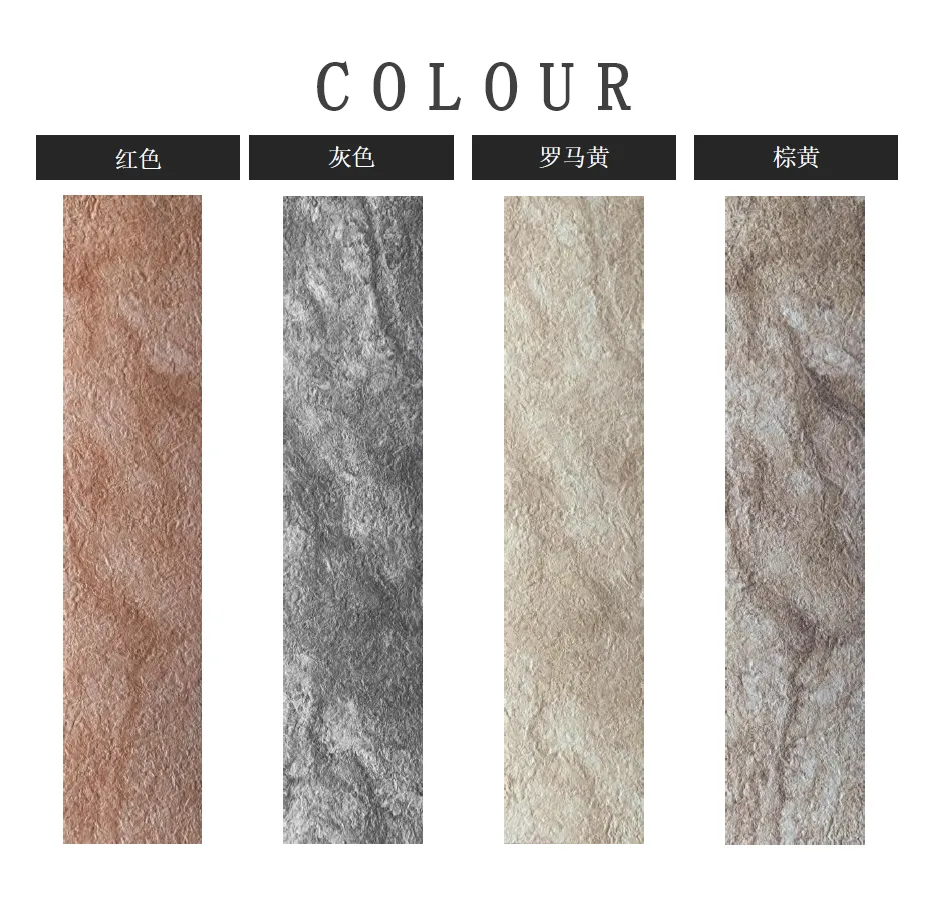
Before diving into paperwork and permits, let's pause to appreciate why this stone has captured the industry's attention. Rock cut dolomitic stone isn't just another building material—it's a storyteller. Quarried from ancient geological formations, each slab bears the marks of time: subtle veining, fossilized imprints, and a color palette that ranges from deep charcoal to warm claybank (a nod to dolomitic travertine (claybank) , a cousin in the stone family). In Saudi Arabia, where architecture often seeks to honor both heritage and modernity, this stone fits seamlessly. Imagine a boutique hotel in AlUla, where rock cut dolomitic walls echo the nearby desert canyons, or a corporate headquarters in Dammam, where its durability withstands coastal humidity.
Beyond aesthetics, its appeal lies in practicality. Dolomitic stone is naturally resistant to weathering, making it ideal for Saudi's extreme temperatures—scorching summers and occasional sandstorms. It's also a green building material , often quarried with minimal environmental impact and requiring little chemical treatment. As Saudi Arabia accelerates its sustainability goals under Vision 2030, materials that align with eco-friendly standards are becoming non-negotiable. For builders, this means rock cut dolomitic stone isn't just a choice—it's a statement about responsible development.
The demand is real. According to industry reports, Saudi Arabia's construction sector is projected to grow by 6.2% annually through 2027, driven by mega-projects like NEOM and the Riyadh Metro. With this growth comes a hunger for materials that can scale without compromising quality. Rock cut dolomitic stone, with its versatility, is increasingly on spec sheets. But to tap into this demand, suppliers must first master the art of importing it legally and efficiently.
Importing rock cut dolomitic stone into Saudi Arabia isn't a free-for-all. The kingdom has strict regulations to ensure materials meet safety, quality, and environmental standards—protecting both its citizens and its built environment. Two key players oversee this process: the Saudi Standards, Metrology and Quality Organization (SASO) and the General Authority of Customs (GAC) . Think of them as gatekeepers, ensuring that every slab entering the country is up to par.
SASO, in particular, sets the bar high. The organization has developed specific standards for natural stones, including dolomitic varieties, covering everything from compressive strength to water absorption rates. For rock cut dolomitic stone, compliance with SASO's Specification for Natural Stone for Building Purposes (SASO SSA 1063) is mandatory. This isn't just a formality—SASO's standards are designed to ensure the stone can withstand Saudi's unique conditions. For example, a slab used in exterior cladding must resist salt corrosion (critical in coastal areas like Jeddah) and thermal expansion (vital for Riyadh's 50°C summer days).
Then there's the GAC, which manages customs clearance, duties, and documentation. Importers must work closely with GAC to avoid delays, as even minor paperwork errors can hold up shipments for weeks. For international suppliers, this means partnering with B2B construction material sourcing experts who understand Saudi's bureaucratic nuances—local agents who speak the language, both literally and figuratively.
"We once had a shipment of rock cut dolomitic stone held at Jeddah Port for three weeks because the test report didn't specify salt resistance," recalls a Dubai-based importer. "SASO standards are non-negotiable—you can't cut corners. Now, we work with labs in Europe that specialize in Saudi-compliant testing, and it's made all the difference."
Importing rock cut dolomitic stone into Saudi Arabia is a multi-step dance, requiring coordination between suppliers, labs, customs brokers, and contractors. Let's break it down, step by step, to demystify the process.
Long before your stone boards a ship, the work begins. The first step is ensuring compliance with SASO standards, which means third-party testing. SASO requires a Certificate of Conformity (CoC) , issued by an accredited laboratory, confirming the stone meets all technical requirements. What does this entail? Tests for:
These tests aren't cheap, but they're an investment. Without a valid CoC, your shipment will be rejected at customs. Reputable suppliers often partner with labs like SGS or Bureau Veritas, which have SASO-accredited facilities in Europe, Asia, and the Middle East. For customized building material manufacturing firms, this means integrating SASO requirements into production—adjusting quarrying techniques or finishing processes to meet specs before the stone even leaves the factory.
Once testing is done, it's time to gather documentation. Saudi customs are meticulous, and missing even one form can derail your shipment. Here's what you'll need:
| Document | Purpose | Issuing Authority |
|---|---|---|
| Certificate of Origin | Proves the stone was quarried in the stated country (affects duty rates). | Chamber of Commerce in the exporting country. |
| SASO Certificate of Conformity (CoC) | Confirms compliance with SASO SSA 1063 standards. | Accredited third-party lab (e.g., SGS, Bureau Veritas). |
| Commercial Invoice | Details shipment value, quantity, and terms (used for customs valuation). | Exporter/supplier. |
| Packing List | Itemizes contents of each package (slab dimensions, weight). | Exporter/supplier. |
| Bill of Lading (BOL) | Legal document from the carrier, confirming receipt of goods for shipment. | Shipping line (e.g., Maersk, Hapag-Lloyd). |
Pro tip: All documents must be in Arabic or English. If your lab issues a report in another language, invest in a certified translation—customs won't accept untranslated paperwork. Also, double-check that product descriptions match across documents. A slab labeled "dolomitic stone" on the invoice but "limestone" on the CoC is a red flag for GAC inspectors.
Once your stone arrives at a Saudi port—most likely Jeddah Islamic Port, King Abdulaziz Port (Dammam), or King Fahd Industrial Port (Yanbu)—it's time to clear customs. The process starts with submitting all documentation to GAC, either through a customs broker or the Absher digital platform (Saudi's e-government portal for businesses). GAC will then assess duties, which currently stand at 5% for most natural stones, though exemptions apply for projects under the Public Investment Fund (PIF) or those classified as green building materials .
After duty payment, your shipment may undergo physical inspection. SASO or GAC officials will verify that the stone matches the CoC's specifications—checking texture, color, and dimensions. Random sampling is common, so it's critical that every slab in the shipment meets standards, not just the ones tested pre-shipment. If discrepancies are found, the entire shipment could be rejected or held for re-testing, incurring storage fees that add up quickly (Jeddah Port charges ~SAR 100/day per container for).
For importers, partnering with a local customs broker is often worth the investment. These experts know the ins and outs of GAC's processes, can resolve issues in real time, and even expedite inspections for urgent orders. As one Riyadh-based contractor puts it: "A good broker is like having a friend at customs. They'll call you if there's a problem and fix it before it becomes a crisis."
Importing rock cut dolomitic stone isn't without hurdles. Even seasoned importers face challenges, from shifting regulations to logistical headaches. Let's tackle the most common pain points and how to navigate them.
SASO updates its standards regularly to align with global best practices and evolving construction needs. For example, in 2023, it revised its environmental impact criteria for natural stones, requiring lower carbon footprints from quarries. For suppliers, this means staying informed—a full-time job in itself. Solution: Subscribe to SASO's newsletter, join industry associations like the Saudi Council of Engineers, and follow trade publications like Construction Week Saudi Arabia . Knowledge is your best defense against last-minute compliance issues.
Rock cut dolomitic stone is durable, but it's also prone to chipping during transit. Imagine a container bouncing across rough seas or being mishandled at a port—suddenly, your premium slabs have cracks, rendering them useless for high-end projects. To mitigate this, invest in custom crating: wooden frames with foam padding, reinforced corners, and clear labeling ("Fragile—Handle with Care"). Some suppliers even use shock-absorbing materials between slabs. It's an extra cost, but far cheaper than replacing damaged goods.
Doing business in Saudi Arabia means respecting local customs. For example, during Ramadan, government offices have reduced hours, which can slow down document processing. Similarly, contracts and communications should be formal and respectful, avoiding overly casual language. Hiring a local agent who speaks Arabic and understands Saudi business etiquette can bridge these gaps, ensuring smoother negotiations and faster problem-solving.
In Saudi Arabia's competitive construction market, trust is everything. Builders and developers return to suppliers who deliver on time, meet standards, and communicate transparently. Here's how to earn that trust:
As Saudi Arabia continues to build toward Vision 2030, the demand for high-quality, sustainable materials like rock cut dolomitic stone will only grow. From NEOM's futuristic cities to the restoration of UNESCO-listed sites, this stone has a role to play in shaping the kingdom's built environment. For international suppliers, the key is to view regulations not as obstacles, but as opportunities to demonstrate commitment to quality and compliance.
By mastering the nuances of SASO standards, building strong B2B partnerships, and prioritizing transparency, you can position your rock cut dolomitic stone as a go-to choice for Saudi builders. After all, in a market where reputation is currency, reliability isn't just good practice—it's the foundation of long-term success.
So, whether you're a quarry owner in Turkey, a distributor in Spain, or a manufacturer specializing in customized building material manufacturing , remember: every slab you ship to Saudi Arabia isn't just stone. It's a piece of the kingdom's future. And with the right approach, you'll be there to help build it—one regulation-compliant, beautifully textured slab at a time.
Recommend Products












