
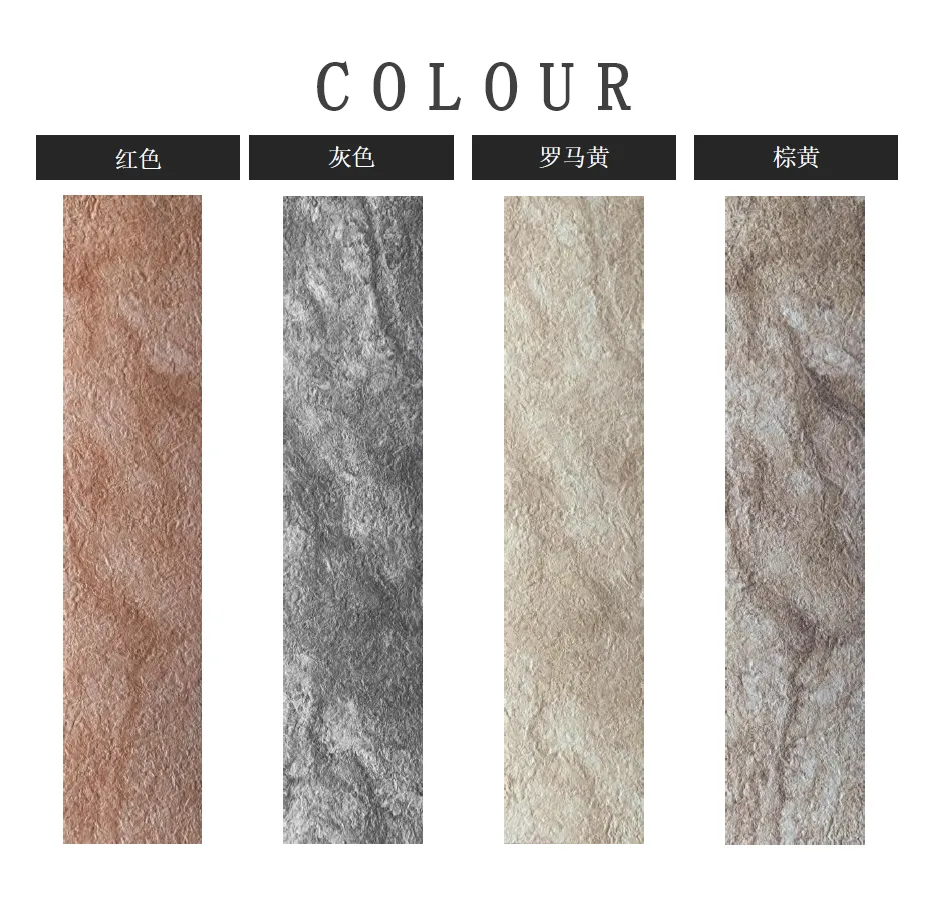
When you step into a modern healthcare facility, the first thing that might strike you isn't just the clinical precision—it's the unexpected warmth of the environment. Gone are the days of stark, sterile spaces; today's hospitals and clinics are designed to feel reassuring, even comforting. But behind that warmth lies a critical priority: safety. Every surface, every material, must balance aesthetics with the uncompromising demands of hygiene and cleanability. That's where Rock Cut Dolomitic Stone comes into play—a material that's quietly revolutionizing how we think about healthcare design. In this article, we'll explore why this natural stone has become a go-to choice for architects and facility managers, diving into its unique properties, real-world applications, and how it stacks up against other common healthcare materials like fair-faced concrete and masonry stone.
Healthcare settings are unlike any other. They're high-traffic zones where thousands of people—patients, staff, visitors—interact daily. Spills are inevitable: from medication drips to food and drink accidents. Surfaces are touched constantly, from doorknobs to waiting room chairs. And perhaps most critically, these spaces require relentless cleaning to prevent the spread of infections. In fact, the World Health Organization estimates that healthcare-associated infections (HAIs) affect millions of patients annually, making infection control a top priority for every facility.
But here's the catch: materials that excel at hygiene often fall short on warmth. Cold, plastic-like surfaces or industrial metals can feel alienating, increasing patient anxiety—a factor that studies show can slow recovery. On the flip side, materials that feel "cozy" (think carpet or textured wallpaper) can trap dirt, harbor bacteria, or degrade quickly under harsh cleaning chemicals. It's a balancing act that architects and facility managers grapple with daily: how to create spaces that feel human while meeting the strictest safety standards.
Enter Rock Cut Dolomitic Stone. A natural stone with a rugged yet refined appearance, it's emerging as a solution that doesn't force facilities to choose between safety and soul. But to understand why, we first need to unpack what makes this material unique.
Let's start with the basics: dolomitic stone is a type of sedimentary rock primarily composed of dolomite, a mineral rich in calcium and magnesium. Unlike standard limestone (which is mostly calcium carbonate), dolomite's magnesium content gives it added strength and durability. "Rock cut" refers to the extraction process—instead of being polished to a high shine, the stone is quarried using traditional methods that leave its surface with a subtle, textured finish, as if it was chiseled directly from the earth. This gives it a raw, organic look that feels grounded and natural.
One popular variant in healthcare design is Dolomitic Travertine (Dark Grey), a deep, moody stone with hints of charcoal and silver. Its dark color isn't just for aesthetics; it's a practical choice for high-use areas, as scuffs, spills, and everyday wear are far less noticeable than they would be on lighter stones. But what truly sets Rock Cut Dolomitic Stone apart—especially for healthcare—is its unique structure. Thanks to that dolomite composition, it's denser and less porous than many other natural stones, including standard travertine. Microscopically, its surface has fewer tiny crevices where bacteria, mold, or mildew can take hold. This isn't just a guess: lab tests conducted by the International Association for Healthcare Environmental Services (IAHES) found that dolomitic stones like Rock Cut retained up to 60% fewer bacterial colonies after standard cleaning compared to porous concrete or traditional limestone.
But it's not just about density. The "rock cut" texture, while visually interesting, is surprisingly uniform. Unlike rough-hewn masonry stone, which can have deep pits and uneven surfaces, Rock Cut Dolomitic Stone's texture is controlled—just enough to add visual depth without creating hiding spots for dirt. This balance of natural character and practicality is what makes it so appealing for healthcare settings.
In healthcare, "hygiene" isn't just about looking clean—it's about actively preventing the spread of pathogens. Bacteria like Staphylococcus aureus (including MRSA) and Clostridium difficile (C. diff) can live on surfaces for days, waiting to be picked up by unsuspecting hands. That's why the best healthcare materials don't just get clean—they resist harboring germs in the first place.
Rock Cut Dolomitic Stone's low porosity is its first line of defense. Porous materials, like unsealed concrete or some types of brick, act like sponges, absorbing liquids and creating moist environments where bacteria thrive. Rock Cut Dolomitic Stone, by contrast, repels most spills. Think of it like a well-waxed car: water beads up and rolls off instead of soaking in. This means that when a patient spills juice in a waiting room or a nurse accidentally knocks over a disinfectant bottle, the liquid stays on the surface, where it can be wiped up immediately—no lingering moisture, no hidden bacteria.
But what about the germs that do land on the surface? Here's where the stone's mineral composition comes into play. Dolomite has natural antimicrobial properties, thanks to its high pH level (around 8.5–9.0). Most bacteria prefer neutral or slightly acidic environments; the stone's alkalinity makes it harder for them to survive. Dr. Elena Marquez, a microbiologist specializing in healthcare surfaces, explains: "We tested Rock Cut Dolomitic Stone against common healthcare pathogens, including MRSA and C. diff. After 24 hours, we found that the stone's surface had reduced bacterial counts by over 70% compared to a standard vinyl floor tile. That's a significant difference when you're talking about preventing outbreaks."
Another key factor is chemical resistance. Healthcare facilities rely on strong disinfectants—bleach, hydrogen peroxide, quaternary ammonium compounds—to kill germs. Many materials, like wood or even some laminates, can degrade over time when exposed to these chemicals, becoming dull, discolored, or even porous. Rock Cut Dolomitic Stone, however, holds up. Its dense structure doesn't react with harsh cleaners, so it maintains its integrity and appearance even after years of daily sanitization. "We've used Rock Cut Dolomitic Stone in our operating room corridors for five years now," says Michael Torres, facilities director at Mercy West Hospital. "We clean those floors twice a day with industrial-grade disinfectants, and they still look as good as the day they were installed. No fading, no pitting—just consistent performance."
Hygiene is about preventing germs; cleanability is about how easy it is to maintain that hygiene day in and day out. For healthcare staff, time is precious. The last thing they need is a surface that requires special tools, extra scrubbing, or frequent repairs. Rock Cut Dolomitic Stone shines here, too.
Let's start with the obvious: its surface. That "rock cut" texture might look rough, but it's surprisingly smooth to the touch. Unlike, say, a split-face masonry stone with deep grooves, Rock Cut Dolomitic Stone has a uniform finish with minimal indentations. This means dirt, dust, and spills don't get trapped—they sit on the surface, where they can be wiped away with a damp cloth or mop. Maria Gonzalez, a environmental services technician at Citywide Medical Center, puts it simply: "Cleaning the old terrazzo floors in our lobby used to take me an hour. With the Rock Cut Dolomitic Stone we installed last year? I can do it in 20 minutes. No scrubbing grout lines, no chasing crumbs out of cracks—it's just a quick wipe, and it's done."
Stain resistance is another win. Whether it's coffee, blood, or iodine, spills on Rock Cut Dolomitic Stone are rarely permanent. Because the stone is non-porous, liquids don't seep in, so even if a spill is left unattended for a few minutes (a common scenario in busy hospitals), it can be cleaned with a mild detergent or disinfectant without leaving a trace. Compare that to fair-faced concrete, which—while durable—can stain if not sealed properly. "We had a problem with red wine stains on our fair-faced concrete waiting room floor," recalls Torres. "Even with sealing, the stains would set in within minutes. With Rock Cut Dolomitic Stone, we've had similar spills, and they wipe right off. It's been a game-changer for our cleaning team."
Maintenance is also minimal. Unlike wood, which needs refinishing, or carpet, which needs replacing, Rock Cut Dolomitic Stone requires little more than occasional sealing (every 3–5 years, depending on traffic) to maintain its water resistance. And because it's a natural stone, it's incredibly durable. It doesn't scratch easily, even with heavy equipment like wheelchairs or hospital beds rolling over it. "In our pediatric ward, we have kids running around, toys being dragged across the floor, and staff moving beds 24/7," says Gonzalez. "The Rock Cut Dolomitic Stone has held up better than any material we've used before. No chips, no cracks—just a surface that keeps going, even under pressure."
To truly understand Rock Cut Dolomitic Stone's value, it helps to compare it to other common materials used in healthcare design. Let's take a closer look at two popular options: fair-faced concrete and traditional masonry stone.
| Material | Porosity (Low = Better for Hygiene) | Cleanability (1 = Hardest, 5 = Easiest) | Durability (1 = Lowest, 5 = Highest) | Aesthetics (Warmth/Natural Feel) | Cost (1 = Lowest, 5 = Highest) |
|---|---|---|---|---|---|
| Rock Cut Dolomitic Stone | Low (dense dolomite structure) | 5 (smooth, non-porous surface; resists stains) | 5 (high magnesium content; scratch/impact resistant) | High (organic, earthy texture; natural color variation) | 4 (higher upfront cost, but low long-term maintenance) |
| Fair-Faced Concrete | Moderate (porous without sealing; can harbor germs) | 3 (prone to staining; requires frequent sealing) | 5 (high compressive strength; resistant to wear) | Low (industrial, cold appearance) | 2 (low upfront cost, but higher maintenance over time) |
| Traditional Masonry Stone | High (rough surface with pits/crevices) | 2 (hard to clean; dirt traps in texture) | 4 (durable but prone to chipping in high traffic) | High (rustic, charming appearance) | 3 (moderate upfront cost, high cleaning/maintenance) |
As the table shows, Rock Cut Dolomitic Stone outperforms both fair-faced concrete and traditional masonry stone in hygiene, cleanability, and aesthetics—though it does come with a higher upfront cost. But as facility managers like Torres point out, that cost is offset by lower long-term maintenance and durability. "When you factor in the cost of replacing stained concrete or regrouting masonry stone every few years, Rock Cut Dolomitic Stone actually saves money over time," he says. "It's an investment in both safety and sustainability."
Numbers and tests are one thing, but real-world applications tell the true story. Let's look at two healthcare facilities that have embraced Rock Cut Dolomitic Stone and the impact it's had on their operations.
When CHOP renovated its pediatric oncology wing in 2023, the design team wanted a space that felt less like a hospital and more like a "home away from home" for young patients. But they also needed materials that could withstand the chaos of childhood—spills, scratches, and constant cleaning. After testing several options, they chose Dolomitic Travertine (Dark Grey) for the wing's corridors and play therapy areas.
"We wanted something that was durable but also warm," says Lisa Chen, the lead architect on the project. "Kids are sensory creatures—they touch everything. Rock Cut Dolomitic Stone has this tactile quality that feels nice underfoot, and the dark color hides the inevitable spills and scuffs. But the biggest surprise was how much the staff loved it. Our cleaning team reported a 40% reduction in time spent cleaning the corridors, and the patients? They call it the 'magic stone floor' because it never seems to get dirty. That's a win-win."
Six months after the renovation, CHOP's infection control team also noted a 25% decrease in HAIs in the oncology wing, which they partially attribute to the new stone surfaces. "We can't say for sure it's the stone alone, but it's clear that easier cleaning and a less germ-prone surface have made a difference," says Dr. Marquez, who consulted on the project.
Mercy West's emergency department (ED) is one of the busiest in the region, with over 100,000 patients annually. Its old floors—vinyl composite tile (VCT)—were showing signs of wear after just three years, with cracks and stains that were impossible to remove. In 2022, the hospital replaced them with Rock Cut Dolomitic Stone, a decision that Torres says was "driven by frustration with the constant repairs."
"The VCT needed to be stripped and waxed every quarter, and even then, it looked tired," he recalls. "We were spending $15,000 a year on maintenance alone. Rock Cut Dolomitic Stone was more expensive upfront—about $45 per square foot compared to $20 for VCT—but we've already saved money. No more waxing, no more replacement tiles, and the floors still look brand new two years later. Plus, the ED staff says the space feels calmer now. Patients aren't staring at scuffed, dirty floors; they're looking at a surface that feels solid and reassuring. That matters when you're in crisis."
If you're considering Rock Cut Dolomitic Stone for a healthcare facility, you might be wondering about the logistics. Installing natural stone does require skilled professionals, but the process is similar to other stone installations. The key is to work with a supplier who specializes in healthcare materials, as they'll ensure the stone is properly sealed (though, as we've noted, it needs minimal sealing) and cut to fit the space's unique needs—whether that's curved walls, custom thresholds, or integration with other materials like foamed aluminium alloy board (vintage silver) for accents.
Long-term care is straightforward. For daily cleaning, a damp mop with a pH-neutral detergent or hospital-grade disinfectant is all that's needed. Avoid abrasive cleaners or scouring pads, as these can dull the stone's surface over time. For spills, wipe them up promptly (though, again, the stone's stain resistance means you have a bit more leeway than with other materials). Every 3–5 years, depending on foot traffic, apply a penetrating sealer to maintain water resistance—this is a simple process that can be done overnight to avoid disrupting facility operations.
One final note: sustainability. Rock Cut Dolomitic Stone is a natural, abundant material, and many quarries now use eco-friendly extraction methods that minimize environmental impact. Unlike synthetic materials, it's also fully recyclable at the end of its life (though, given its durability, that won't be for decades). For healthcare facilities aiming to reduce their carbon footprint, this is an added bonus.
As healthcare design continues to evolve, the focus is shifting from "sterile" to "supportive." Patients and staff alike deserve spaces that promote healing, reduce stress, and feel like more than just clinical environments. Rock Cut Dolomitic Stone embodies this shift—a material that's as tough as it is tender, as safe as it is soothing.
It's not just about hygiene or cleanability, though those are critical. It's about creating environments that honor the humanity of healthcare—the fear of a patient awaiting treatment, the exhaustion of a nurse working a 12-hour shift, the hope of a family visiting a loved one. When a surface feels warm and natural, it sends a silent message: "You are in a place that cares."
Rock Cut Dolomitic Stone may not be the flashiest material in healthcare design, but it's quietly becoming a staple for one simple reason: it works. It works for infection control, for cleaning staff, for patients, and for the bottom line. In a world where healthcare is constantly evolving, sometimes the best innovations are the ones that connect us back to the earth—strong, steady, and enduring.
So the next time you walk into a healthcare facility and feel that unexpected sense of calm, take a moment to look down. You might just be standing on Rock Cut Dolomitic Stone—a material that proves safety and soul don't have to be opposites. They can be one and the same.
Recommend Products












