
Step into the lobby of a world-class luxury hotel, and the first thing that wraps around you isn't just the scent of fresh lilies or the soft hum of a grand piano—it's the feeling of timelessness. The air feels grounded, the space feels intentional, and more often than not, that essence of permanence and warmth is rooted in the materials beneath your feet and on the walls. Natural stone, in particular, has long been the backbone of luxury hospitality design, but among the vast array of options, one material stands out for its ability to blend raw texture with refined elegance: Rock Cut Dolomitic Stone . It's not just a surface; it's a storyteller, carrying the weight of geological time while creating spaces that feel both grand and intimate. Today, we're diving into how this remarkable stone, alongside complementary materials like Dolomitic Travertine (Dark Grey) , Stream Limestone (Claybank) , and Lunar Peak Golden , is redefining luxury hotel interiors—one textured wall, one polished floor, one unforgettable guest experience at a time.
Luxury hotels aren't just places to sleep—they're destinations in themselves. Designers and hoteliers know that every detail, from the doorknob to the ceiling height, contributes to a guest's perception of exclusivity and comfort. Natural stone, with its unique veining, organic colors, and tactile depth, has become a cornerstone of this philosophy. Unlike synthetic materials, which can feel sterile or fleeting, stone brings a piece of the earth indoors, creating a connection to something larger than the hotel itself. It's why you'll find marble in lobbies, travertine in spas, and slate in wine cellars—each stone type carries a distinct personality, and when chosen thoughtfully, they turn spaces into narratives.
But in recent years, there's been a shift away from overly polished, "perfect" stone surfaces. Today's luxury traveler craves authenticity. They want spaces that feel lived-in, that have character, that don't shy away from imperfection. Enter Rock Cut Dolomitic Stone . With its rough-hewn edges, visible tool marks, and natural clefts, it's a material that wears its history on its sleeve. It doesn't pretend to be something it's not; instead, it celebrates the beauty of the earth's slow, deliberate creation. When you run your hand over it, you can almost feel the pressure of tectonic plates, the erosion of centuries of rain, the patience of time. In a world that's always rushing, that kind of groundedness is pure luxury.
Let's start with the basics: what exactly is Rock Cut Dolomitic Stone ? Geologically speaking, dolomite is a carbonate mineral formed over millions of years when magnesium replaces some of the calcium in limestone. It's harder than traditional limestone, more resistant to weathering, and boasts a unique crystalline structure that catches light in unexpected ways. When "rock cut," it's extracted using traditional methods—think chisels, hammers, and saws that leave behind visible, irregular surfaces. The result? A stone that feels both ancient and contemporary, rugged and refined.
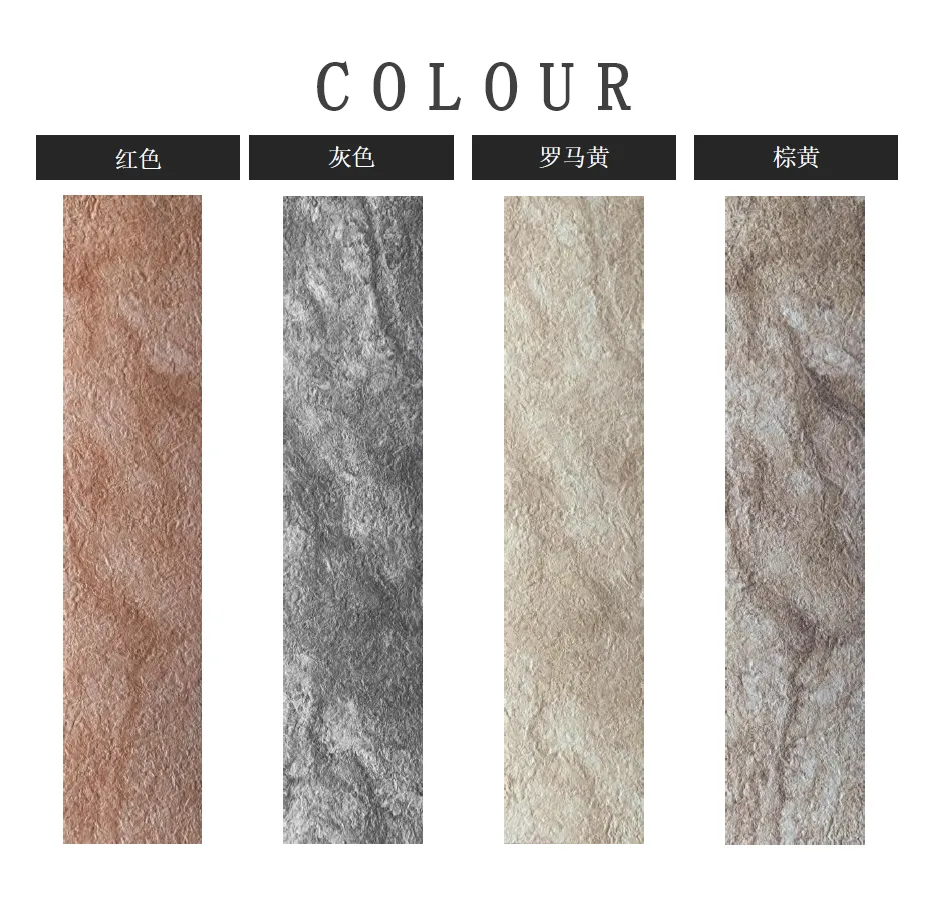
One of the most striking features of Rock Cut Dolomitic Stone is its color palette. Depending on the quarry and the specific geological conditions, it ranges from soft, earthy beiges to deeper, moodier greys—with hints of gold, rust, or even blue in its veining. Take, for example, Dolomitic Travertine (Dark Grey) , a close cousin that shares dolomite's durability but with a smoother, more porous surface. Its dark, moody tones make it a favorite for accent walls in hotel bars or restaurant backdrops, where it pairs beautifully with warm lighting to create an intimate, speakeasy-like vibe. In contrast, Rock Cut Dolomitic Stone often leans warmer, with claybank and taupe undertones that feel like a hug from the earth. Imagine walking into a hotel suite where the headboard wall is clad in this stone—each indentation catching the soft glow of a bedside lamp, turning a simple bedroom into a sanctuary.
Texture is where Rock Cut Dolomitic Stone truly shines. Unlike polished marble, which reflects light like a mirror, or honed limestone, which has a smooth, matte finish, rock cut dolomite is all about depth . Its surface is uneven, with peaks and valleys that cast shadows throughout the day as sunlight moves across the room. In a hotel lobby, this can transform a large, open space into something dynamic—one moment bright and airy, the next cozy and intimate. Designers love using it for feature walls behind reception desks, where the stone's texture draws the eye and creates a focal point that feels both grand and approachable. It's also a favorite for flooring in high-traffic areas like corridors or outdoor terraces; its rough surface provides grip, while its durability ensures it can withstand thousands of footsteps without losing its charm.
But perhaps the biggest reason Rock Cut Dolomitic Stone is beloved in luxury hospitality is its versatility. It plays well with other materials, making it a chameleon in design schemes. Pair it with brass fixtures for old-world elegance, with black steel for industrial chic, or with warm wood tones for a rustic-modern feel. In the lobby of a boutique hotel in Tuscany, for instance, designers used large slabs of Rock Cut Dolomitic Stone for the floor, then layered in Stream Limestone (Claybank) for the reception counter. The result? A space that feels rooted in the region's rocky hillsides but elevated by the limestone's smoother, more refined texture. Guests don't just check in—they arrive somewhere that feels authentically Italian, without a hint of kitsch.
No stone is an island, especially in hotel design. The magic happens when materials work together, each enhancing the other's best qualities. Rock Cut Dolomitic Stone is a team player, and when paired with the right companions, it creates spaces that are layered, balanced, and utterly unforgettable. Let's explore a few of its most stylish collaborators.
If Rock Cut Dolomitic Stone is the "heart" of a space, Stream Limestone (Claybank) is its "soul." Named for its smooth, water-worn texture (reminiscent of stones polished by a mountain stream), this limestone variety has a soft, claybank hue that ranges from pale peach to warm terracotta. It's less rugged than rock cut dolomite, with a honed surface that feels silky to the touch. In hotel design, it's often used to balance the bold texture of dolomite—think flooring in a lobby where Rock Cut Dolomitic Stone clads the walls. The limestone's smoothness underfoot contrasts beautifully with the wall's roughness, creating a sensory experience that's both calming and engaging.
One hotel in Arizona took this pairing to the next level by using Stream Limestone (Claybank) for the floors of its poolside cabanas, bordered by Rock Cut Dolomitic Stone columns. The limestone stays cool even in the desert sun, while the dolomite columns provide shade and visual interest. Guests lounge on plush daybeds, sipping cocktails, and the stone beneath them feels like a natural extension of the surrounding landscape—warm, inviting, and perfectly in tune with the environment.
For designers looking to add a touch of glamour without veering into ostentation, Lunar Peak Golden is a game-changer. Part of the Lunar Peak series (which also includes silvery and black variations), this stone features a metallic, iridescent finish that shimmers like sunlight on water. It's not a natural stone in the traditional sense—instead, it's a composite material designed to mimic the look of meteorites or moon rock, with flecks of gold and bronze that catch light from every angle. When paired with Rock Cut Dolomitic Stone , it adds a layer of "wow" without overwhelming the space.
Imagine a hotel's main restaurant, where the walls are half Rock Cut Dolomitic Stone (warm, earthy, grounding) and half Lunar Peak Golden (shimmering, celestial, elevated). The dolomite keeps the space from feeling too "cold" or futuristic, while the Lunar Peak Golden adds a touch of drama that makes the room feel special—like dining under a starry sky. It's a pairing that works equally well in ballrooms (think accent walls behind a stage) or in high-end spa locker rooms (where the golden tones complement the warmth of saunas and steam rooms).
For a more contemporary take, Dolomitic Travertine (Dark Grey) is the perfect foil to Rock Cut Dolomitic Stone . Travertine is known for its porous surface and distinctive "holes" (formed by gas bubbles during formation), but the dolomitic variety is denser and more durable, making it ideal for high-traffic areas. The dark grey color is moody and sophisticated, with subtle veining that adds depth without being distracting. In hotel lobbies, it's often used for reception desks or elevator surrounds, where its sleekness contrasts with the rough texture of Rock Cut Dolomitic Stone walls.
A boutique hotel in New York City recently used this pairing in its lobby: Rock Cut Dolomitic Stone on the main wall, behind a reception desk made of Dolomitic Travertine (Dark Grey) . The desk's smooth surface reflects the light from the lobby's chandeliers, while the dolomite wall adds texture and warmth. Guests check in, running their fingers over the travertine's cool surface, and their eyes are drawn to the wall behind, which feels like a piece of art. It's a masterclass in balance—hard and soft, rough and smooth, old and new.
To truly understand the impact of Rock Cut Dolomitic Stone , let's step into a few hypothetical (but entirely plausible) hotel spaces where it takes center stage. These aren't just "rooms with stone"—they're experiences crafted with intention, where every material choice serves a purpose.
Nestled in the Swiss Alps, The Alpine Haven is a boutique hotel that blends traditional chalet charm with modern luxury. Its lobby is a study in contrast: vaulted wooden ceilings with exposed beams, plush fur throws on leather sofas, and a grand fireplace made of—you guessed it— Rock Cut Dolomitic Stone . The stone is quarried locally, its warm beige and taupe tones echoing the surrounding mountains. The fireplace dominates one wall, its rough surface blackened slightly by the fire, and guests gather around it in the evenings, sipping hot cocoa and sharing stories. The dolomite doesn't just look good; it radiates heat, keeping the space cozy even on the coldest winter nights.
Upstairs, the suites feature Stream Limestone (Claybank) flooring and Rock Cut Dolomitic Stone accent walls behind the beds. Large windows overlook the snow-capped peaks, and the stone walls bring a piece of the mountains indoors. Guests wake up, throw open the curtains, and are greeted by a view that feels like it's bleeding into the room—nature and luxury, (seamlessly integrated). It's no wonder this hotel has become a favorite for honeymooners and families alike; the stone creates a sense of permanence, like the mountains themselves, making every stay feel like a timeless escape.
In the heart of Tokyo, where skyscrapers loom and streets buzz with energy, The Earthling Hotel is a sanctuary of calm. Its design philosophy is simple: bring the outdoors in, using natural materials to create a sense of balance in the chaos. The lobby features a massive Rock Cut Dolomitic Stone water feature—a cascading wall of stone that flows into a reflecting pool. The sound of water hitting the stone is soothing, drowning out the noise of the city outside. Guests step through the doors, and instantly, their shoulders relax. The dolomite's rough texture contrasts with the hotel's sleek glass exterior, creating a visual "hug" that says, "You're safe here."
The hotel's signature restaurant, "Terra," uses Dolomitic Travertine (Dark Grey) for tables and Lunar Peak Golden for ceiling panels. The travertine tables are durable enough to withstand the hustle and bustle of service, while the golden ceiling shimmers like sunlight, even on overcast Tokyo days. Diners enjoy farm-to-table cuisine, and the stone beneath and around them feels like a nod to the ingredients on their plates—fresh, natural, and full of life. It's a space that reminds guests that even in the concrete jungle, we're all connected to the earth.
Let's be clear: luxury hotel design isn't just about looks. Hoteliers need materials that can stand up to heavy use, from children spilling juice on lobby floors to guests dragging suitcases over thresholds. Rock Cut Dolomitic Stone excels here, too. Its high density and resistance to scratches, stains, and weathering make it ideal for high-traffic areas. Unlike marble, which can etch easily with acidic substances, dolomite holds up to spills—perfect for hotel restaurants or breakfast buffets. And because it's a natural material, it ages beautifully. Scratches or scuffs only add to its character, making it look more "lived-in" and authentic over time.
Maintenance is also a breeze. A quick sweep and damp mop are usually all it takes to keep Rock Cut Dolomitic Stone looking its best. For deeper cleaning, a pH-neutral stone cleaner works wonders. Compare that to synthetic materials, which can fade or peel over time, requiring expensive replacements. In the long run, stone is an investment—but one that pays off, both in guest satisfaction and in reduced upkeep costs.
| Stone Type | Color Palette | Texture | Best For | Key Benefit |
|---|---|---|---|---|
| Rock Cut Dolomitic Stone | Beige, taupe, claybank with gold/rust veining | Rough-hewn, tool marks, natural clefts | Accent walls, fireplaces, columns | Warm, authentic texture; durable and weather-resistant |
| Dolomitic Travertine (Dark Grey) | Deep grey with subtle white/black veining | Smooth, porous, honed finish | Reception desks, restaurant tables, accent walls | Sleek, modern look; high durability for busy spaces |
| Stream Limestone (Claybank) | Pale peach, warm terracotta, claybank | Smooth, water-worn, cool to the touch | Flooring, pool surrounds, cabana walls | Stays cool in heat; blends with natural landscapes |
| Lunar Peak Golden | Metallic gold with bronze/silver flecks | Iridescent, shimmery, slightly textured | Ceiling panels, accent walls, ballrooms | Adds glamour without overwhelming; reflects light beautifully |
In the end, luxury hotel design is about emotion. It's about creating spaces that make guests feel something—whether that's calm, excitement, nostalgia, or wonder. Rock Cut Dolomitic Stone does exactly that. It's a material with soul, one that tells a story of time, nature, and craftsmanship. When paired with complementary stones like Dolomitic Travertine (Dark Grey) , Stream Limestone (Claybank) , and Lunar Peak Golden , it becomes part of a larger narrative—one that celebrates the earth's beauty while elevating the guest experience.
So the next time you check into a luxury hotel, take a moment to touch the walls, feel the floors, and notice the stones around you. Chances are, there's a piece of Rock Cut Dolomitic Stone somewhere in the mix—quietly working to make your stay unforgettable. It's not just stone; it's the heart and soul of luxury hospitality. And in a world that's always chasing the next trend, that kind of timelessness is the most luxurious thing of all.
Recommend Products












