
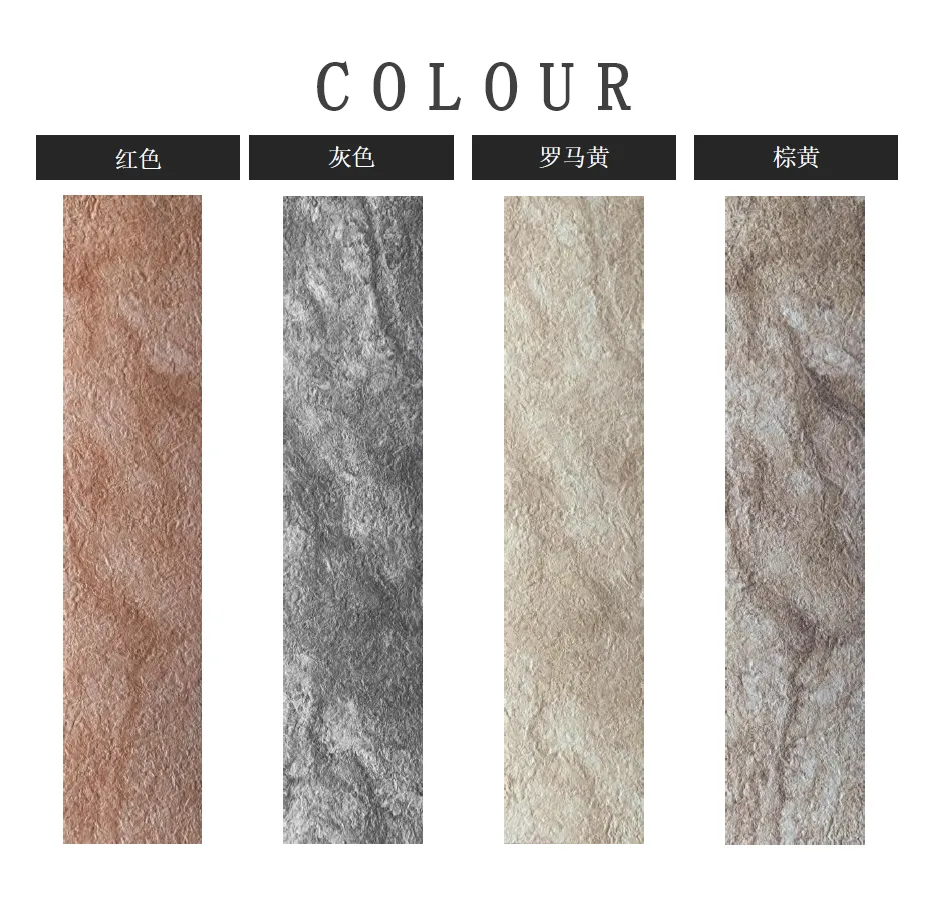
If you've ever stepped into a space where natural stone takes center stage—whether it's a sleek office lobby, a cozy kitchen backsplash, or an outdoor patio that feels like an extension of nature—you know the transformative power of materials like Rock Cut Dolomitic Stone. Its rugged texture, earthy tones, and timeless appeal make it a favorite among architects, designers, and homeowners alike. But here's the thing about beautiful stone: it doesn't stay that way on its own. Just like a well-loved leather sofa or a vintage wooden table, Rock Cut Dolomitic Stone needs consistent care to preserve its charm. And if you're considering installing it, or already have it in your space, one question probably looms large: How much will maintenance cost me each year?
In this guide, we're breaking down the annual maintenance budget for Rock Cut Dolomitic Stone, covering everything from routine cleaning to unexpected repairs. We'll also touch on related materials like Dolomitic Travertine (Claybank), Stream Limestone (Dark Grey), and Rust Board Granite—since many of these stones share similar care needs. By the end, you'll have a clear picture of what to expect, how to save money, and why investing in maintenance now will protect your stone (and your wallet) in the long run.
Before diving into costs, let's take a moment to appreciate why Rock Cut Dolomitic Stone is so popular. Quarried from natural deposits, this stone is prized for its durability and unique, "hewn" appearance—like it was chiseled by hand from a mountainside. It's often used for exterior cladding, flooring, and accent walls, thanks to its ability to blend rustic warmth with modern sophistication. But its beauty comes with a caveat: it's porous. That means it can absorb liquids, trap dirt, and develop stains if not cared for properly. The same goes for similar stones in the family, like Dolomitic Travertine (Dark Grey) and Stream Limestone (Dark Grey)—their pores are like tiny sponges, waiting to soak up spills if left unprotected.
So, what does "proper care" look like? It's not just about wiping up spills (though that's crucial). It involves regular cleaning, sealing, occasional repairs, and professional check-ins. Let's break down each task and how much you can expect to spend on them annually.
Think of routine cleaning as the daily skincare of stone maintenance—it's simple, but skipping it leads to bigger problems. For Rock Cut Dolomitic Stone, this means sweeping or vacuuming (with a soft brush attachment) to remove dirt and debris that can scratch the surface, followed by mopping with a pH-neutral cleaner. Avoid harsh soaps, vinegar, or acidic cleaners—they can eat away at the stone's surface, leaving it dull or etched.
How often? For high-traffic areas like entryways or kitchen floors, aim for 2-3 times a week. For lower-traffic spots, once a week might suffice. If you're handy with a mop, this is a DIY task. But if you'd rather leave it to the pros (or simply don't have the time), professional routine cleaning is an option too.
Even with regular cleaning, grime can build up in Rock Cut Dolomitic Stone's pores over time—especially in areas like outdoor patios exposed to rain, pollen, and foot traffic, or kitchen backsplashes near stovetops where grease lingers. Deep cleaning uses specialized stone-safe detergents and equipment (like low-pressure steam or rotary buffers) to lift embedded dirt without damaging the stone.
How often? Plan for 2-4 times a year, depending on usage. For example, a commercial lobby with daily foot traffic might need quarterly deep cleans, while a residential fireplace surround could get by with twice a year.
Sealing is non-negotiable for porous stones like Rock Cut Dolomitic Stone, Dolomitic Travertine (Claybank), and Rust Board Granite. A good sealer fills in the pores, creating a barrier that repels liquids and stains. Think of it as a raincoat for your stone—without it, spills (like wine, coffee, or even water) can seep in and leave permanent marks.
There are two main types of sealers: topical (which sit on the surface) and impregnating (which absorb into the stone). Impregnating sealers are generally better for Rock Cut Dolomitic Stone because they don't alter the stone's texture or appearance—they just make it more resistant to stains. How often to reseal? Most sealers last 1-3 years, but for high-moisture areas (like bathrooms) or outdoor spaces, you might need to reseal annually. To test if it's time, sprinkle a few drops of water on the stone—if it beads up, the sealer is still working. If it soaks in, it's time to reseal.
Even with the best care, accidents happen. A dropped pot might chip a corner of your Rock Cut Dolomitic Stone countertop. A heavy piece of furniture could scratch the floor. Or a forgotten water glass might leave a ring on your Dolomitic Travertine (Dark Grey) tabletop. Minor repairs—like filling chips with stone epoxy, polishing out scratches, or treating stains with poultice (a paste that draws out discoloration)—can save you from costly replacements later.
How often? It depends on luck and usage. Some years, you might have zero repairs; others, you might need to fix a few chips or stains. It's smart to budget for at least one minor repair annually, just in case.
Even if your stone looks fine, a professional stone inspector can spot issues you might miss—like a failing sealer, hidden cracks, or water damage behind walls (for exterior cladding). They can also recommend tailored care tips based on your stone type and local climate. For example, if you live in a humid area, they might suggest more frequent sealing to prevent mold growth in Stream Limestone (Dark Grey)'s pores.
How often? Once a year is enough for most homes and commercial spaces. Think of it as a check-up for your stone—better to catch a small issue than let it turn into a big, expensive problem.
Now, let's put numbers to these tasks. The table below estimates the annual cost of maintaining Rock Cut Dolomitic Stone, including both DIY and professional options. Costs vary based on factors like stone size, location (urban vs. rural), and local labor rates, but these ranges should give you a starting point.
| Maintenance Task | Frequency | DIY Cost (Per Session) | Professional Cost (Per Session) | Annual DIY Total* | Annual Professional Total* |
|---|---|---|---|---|---|
| Routine Cleaning | Weekly (52x/year) | $5–$15 (cleaner + supplies) | $80–$150 | $260–$780 | $4,160–$7,800** |
| Deep Cleaning | 3x/year | $30–$80 (specialized cleaner + equipment rental) | $200–$400 | $90–$240 | $600–$1,200 |
| Sealing | 1x/year | $50–$150 (sealer + applicator) | $300–$600 | $50–$150 | $300–$600 |
| Minor Repairs (e.g., chips, stains) | 1x/year (average) | $20–$100 (repair kit + supplies) | $150–$400 | $20–$100 | $150–$400 |
| Professional Inspection | 1x/year | — (Not DIY-friendly) | $150–$300 | — | $150–$300 |
| Estimated Annual Total | $350–$1,260 | $5,360–$10,300** | |||
*Assumes 100 sq. ft. of stone (e.g., a small kitchen floor or backsplash). Larger areas will cost more.
**Professional routine cleaning is rarely done weekly for residential spaces—most homeowners opt for DIY routine cleaning and professional deep cleaning/sealing.
As you can see, DIY-ing routine cleaning and minor repairs can cut costs significantly. For example, a homeowner who does weekly routine cleaning, quarterly deep cleaning (DIY), annual sealing (DIY), and hires a pro for inspection and occasional repairs might spend $350–$800/year. On the flip side, a busy commercial property that outsources all cleaning and maintenance could pay $5,000–$10,000/year for a large stone installation.
Your actual annual budget might be higher or lower than the estimates above, depending on these key factors:
Not all stones are created equal. Rock Cut Dolomitic Stone is porous, but some varieties—like Rust Board Granite—are even more so, requiring more frequent sealing and careful cleaning. Softer stones, like Stream Limestone (Dark Grey), scratch more easily, leading to higher repair costs. If you're choosing between stones, ask your supplier about maintenance needs—sometimes a slightly pricier, less porous stone (like polished granite) saves money in the long run.
Where you live matters. If you're in a rainy, humid area, your outdoor Rock Cut Dolomitic Stone patio will need more frequent sealing to prevent water damage and mold. In dry, dusty climates, routine cleaning might be more frequent to avoid scratches from wind-blown sand. Coastal areas? Salt air can corrode stone over time, requiring specialized sealers and more frequent inspections.
A stone floor in a busy restaurant kitchen will take more abuse than a stone accent wall in a home office. High-traffic areas mean more frequent cleaning, more stains, and more repairs. Similarly, stones near water (like bathroom floors) or heat (like fireplace surrounds) need extra care—water can seep into cracks, and heat can dry out sealers faster.
Cheap stone or shoddy installation is a recipe for high maintenance costs. Poorly cut Rock Cut Dolomitic Stone might have uneven surfaces that trap dirt, while improper sealing during installation can lead to early staining. Investing in high-quality stone and a reputable installer might cost more upfront, but it pays off in lower maintenance bills later.
DIY can save money, but only if you do it right. Using the wrong cleaner on Dolomitic Travertine (Claybank) can etch the surface, requiring professional restoration (which costs $500–$1,000+). Similarly, applying sealer unevenly might leave streaks or missed spots, leading to stains. If you're unsure, it's better to hire a pro for tasks like sealing or deep cleaning—mistakes are expensive.
Maintaining Rock Cut Dolomitic Stone doesn't have to break the bank. Here are a few ways to trim costs without skimping on care:
At this point, you might be thinking, "Is all this really necessary?" The short answer: yes. Rock Cut Dolomitic Stone isn't cheap—installation costs range from $15–$40 per square foot for residential projects, and even more for commercial spaces. Neglecting maintenance can shorten its lifespan by 5–10 years, forcing you to replace it sooner. A well-maintained stone floor or wall, on the other hand, can last 50+ years—making the annual maintenance cost a small price to pay for decades of beauty.
Beyond longevity, maintenance preserves your stone's value. If you ever sell your home or commercial property, potential buyers will notice well-cared-for stone—it signals that the space was loved and maintained. Dull, stained, or cracked stone, on the other hand, can lower resale value and turn buyers away.
And let's not forget the aesthetic factor. Rock Cut Dolomitic Stone's beauty lies in its natural texture and color. Without maintenance, it fades, stains, and looks tired—robbing your space of the warmth and sophistication you fell in love with. Regular care keeps it looking like the day it was installed, enhancing your home or business's ambiance for years to come.
Rock Cut Dolomitic Stone is more than a building material—it's a statement. It adds character, durability, and a touch of nature to any space. But like any valuable investment, it needs attention. By budgeting for routine cleaning, sealing, repairs, and inspections, you'll keep your stone looking its best and avoid costly surprises down the line.
Remember: maintenance isn't an expense—it's an investment in your stone's lifespan, your space's beauty, and your peace of mind. Whether you're a homeowner with a Rock Cut Dolomitic Stone backsplash or a business owner with a Stream Limestone (Dark Grey) lobby, a little care goes a long way. So grab your mop, stock up on sealer, and give your stone the love it deserves—you won't regret it.
Recommend Products












