
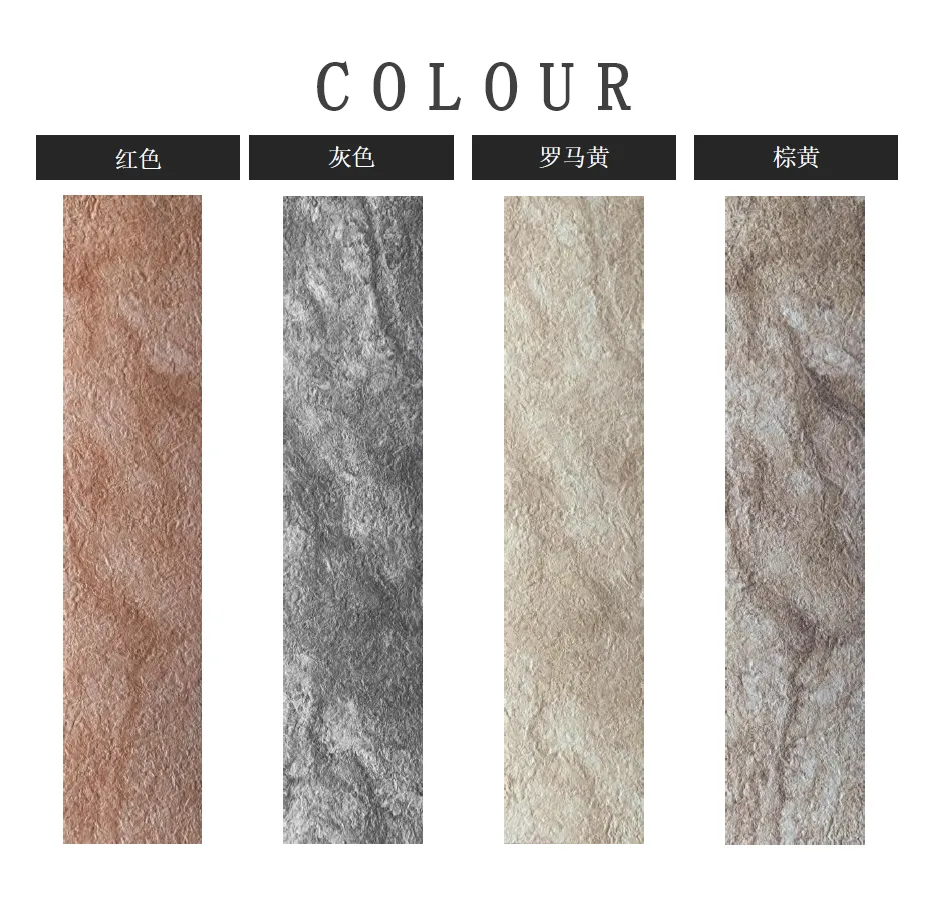
There's something almost magical about the way light interacts with a perfectly polished stone surface. It's not just shine—it's depth, character, and a quiet storytelling that only natural materials can offer. Among these, rock cut dolomitic stone stands out as a favorite for architects and designers who crave texture with elegance. Whether it's the moody sophistication of dolomitic travertine (dark grey) or the warm, earthy charm of dolomitic travertine (claybank), getting that high gloss finish isn't just about tools and chemicals—it's about understanding the stone's personality, working with its quirks, and respecting the craft of bringing out its best self.
I've spent years talking to stone artisans, watching them transform rough-hewn slabs into focal points of luxury homes and commercial spaces. What strikes me most is their patience: they don't just "polish" the stone—they collaborate with it. Today, let's walk through that collaboration, step by step, so you can bring out the same brilliance in your own rock cut dolomitic stone projects.
Rock cut dolomitic stone isn't your average polished marble or granite. Its "rock cut" texture means it retains hints of its natural formation—subtle ridges, tiny pits, and color variations that tell the story of where it was quarried. Dolomitic travertine, a type of this stone, comes in two particularly popular shades: dark grey and claybank. Each has its own personality, and that personality dictates how we polish it.
Polishing starts long before the first diamond pad touches the stone. I once met a veteran stonemason who called this step "the foundation of shine." He was right. Skipping prep is like painting a wall without sanding it first—you'll end up with a finish that looks good from afar but falls flat up close.
1. Clean Like Your Finish Depends On It (Because It Does): Rock cut dolomitic stone, by nature, has tiny crevices that trap dust, dirt, and even leftover quarry residue. Start with a soft-bristle brush to dislodge loose debris, then wipe with a microfiber cloth dampened in warm, soapy water (mild dish soap works—avoid harsh detergents that can etch the surface). For stubborn spots, a stone-safe cleaner with a neutral pH is your best friend. Let it dry completely—moisture trapped during polishing leads to cloudy patches.
2. Inspect and Repair: Run your hand over the surface. Feel for cracks, chips, or uneven areas? Small cracks can be filled with a dolomite-specific epoxy resin (match the color to your stone—dark grey needs a charcoal-tinted resin, claybank a warm beige). For deeper pits, use a stone filler designed for travertine; these are finer and blend better with the stone's porous texture. Let repairs cure fully (usually 24–48 hours) before moving on—patience here prevents filler from peeling off during polishing.
You wouldn't use a butter knife to carve wood, right? The same logic applies to stone polishing. The tools you choose need to match the stone's hardness and texture. Rock cut dolomitic stone is moderately hard (around 3–4 on the Mohs scale), so abrasive tools should be tough but not aggressive enough to scratch.
Diamond Pads: These are non-negotiable. Start with a coarse grit (50–100) to smooth out rough areas, then move to medium (200–400), fine (800–1500), and finally ultra-fine (3000–6000) for that mirror-like gloss. Pro tip: Use wet pads, not dry—water cools the stone, prevents dust, and helps the diamonds cut more evenly.
Polishing Machine: For large slabs, a variable-speed angle grinder with a polishing pad attachment works best. Look for one with a soft start to avoid sudden jolts that can gouge the stone. For edges or detailed areas, a hand-held polisher gives you more control—think of it like using a pencil vs. a marker for intricate work.
Sealer and Buffing Cloth: After polishing, a high-quality stone sealer locks in the shine and protects against stains. And don't overlook a microfiber buffing cloth—this is the final step to wipe away residue and make the surface glow.
Here's where the "collaboration" really begins. Dark grey and claybank dolomitic travertine have different needs when it comes to pressure, grit sequence, and finishing. Let's break it down:
| Aspect | Dolomitic Travertine (Dark Grey) | Dolomitic Travertine (Claybank) |
|---|---|---|
| Ideal Grit Sequence | 50 → 200 → 800 → 3000 → 6000 | 100 → 400 → 1500 → 3000 |
| Pressure | Medium-light; too much pressure can leave swirl marks on dark surfaces | Gentle, consistent; avoid over-polishing to preserve warm undertones |
| Common Challenges | Showing water spots during polishing; veins can appear uneven if grits are skipped | Over-shining can make claybank look "plastic"; pits may collect polish residue |
| Pro Tip | Wipe with a dry cloth between grits to check for streaks | Use a softer pad (foam-backed) for the final 3000-grit pass to keep texture subtle |
Step-by-Step for Dark Grey: Start with the 50-grit pad, moving in small, overlapping circles (about 6–8 inches wide). Keep the pad flat and let the weight of the machine do most of the work—pressing down hard will only create unevenness. After 50-grit, rinse thoroughly and inspect: the surface should feel uniformly smooth, with no deep scratches. Move to 200-grit, then 800-grit, repeating the rinsing step each time. By 3000-grit, you'll start to see a soft shine; the 6000-grit pad will take it to high gloss. Finish by buffing with a dry microfiber cloth—this removes any lingering water spots, which are extra noticeable on dark stone.
Step-by-Step for Claybank: Claybank's warmer tones mean it can handle less aggressive grits. Start with 100-grit to smooth without removing too much texture, then 400-grit to refine. The 1500-grit pad will bring out a natural glow, and 3000-grit is usually enough for high gloss—going to 6000 might make it look overly synthetic. Here's a trick I learned from a designer friend: after the final polish, buff with a clean, dry cloth using circular motions—this "warms up" the shine, keeping it soft and inviting.
Even pros run into hiccups. The key is not to panic—most issues are fixable with a little know-how.
Problem: Cloudy or Hazy Spots → This usually happens when polish residue dries on the surface. Mix a solution of 1 part stone-safe cleaner to 3 parts water, dampen a microfiber cloth, and wipe the area in straight lines (not circles). Let it air dry, then buff with a dry cloth. If it persists, a quick pass with the 3000-grit pad (wet) and a fresh cloth should clear it up.
Problem: Uneven Shine → Check if you skipped a grit. For example, jumping from 200 to 800-grit on dark grey stone can leave "shadow" areas where the coarser scratches weren't fully removed. Go back to the missing grit, work slowly, and rinse thoroughly before moving up again.
Problem: Scratches After Polishing → These are often from dirty pads or tools. Always clean pads between grits, and make sure your workspace is free of debris. For minor scratches, a small amount of stone polish (apply with a soft cloth, rub in circles) can often buff them out.
A high gloss finish is an investment—don't let it fade because of neglect. Sealing is non-negotiable, especially for dolomitic travertine, which is slightly porous. Choose a penetrating sealer (not a topical one, which can yellow over time) and apply it with a lamb's wool applicator pad. Let it sit for 5–10 minutes, then wipe off excess with a clean cloth. Wait 24 hours before using the surface.
For daily care, sweep or vacuum regularly to prevent grit from scratching. Wipe spills immediately with a damp cloth—acidic substances like lemon juice or vinegar can etch the surface, even sealed. Every 6–12 months, give it a gentle clean with a stone-specific polish to refresh the shine. Think of it like moisturizing your skin—consistent care keeps it looking its best.
Polishing rock cut dolomitic stone isn't just a task—it's a dialogue. You listen to the stone (Is it absorbing the polish evenly? Are the veins standing out or blending in?), adjust your approach, and celebrate the small wins: the moment the 3000-grit pad reveals that first hint of gloss, or the way the claybank stone seems to glow under natural light after buffing.
Whether you're working with the dramatic depth of dolomitic travertine (dark grey) or the sunlit warmth of dolomitic travertine (claybank), remember: the best finishes come from patience, curiosity, and a little respect for the stone's natural beauty. After all, that's the magic of natural materials—they don't just look good; they make us feel connected to something bigger, older, and infinitely more interesting than any synthetic alternative.
So go ahead—roll up your sleeves, grab your diamond pads, and let your stone tell its story. I can't wait to see the shine you create.
Recommend Products












