
Nestled between the rolling hills of Tuscany or the rugged peaks of the Dolomites, there's a rhythm to European stone quarrying that's as old as the continents themselves. The air smells of dust and pine, the sound of diamond-tipped saws hums in harmony with the clatter of traditional chisels, and every slab of stone tells a story—one written in minerals, pressure, and time. Among these geological narratives, dolomitic stone stands out as a quiet workhorse, shaping cathedrals, palaces, and modern facades alike. Today, we're diving into the world of rock cut dolomitic stone quarrying in Europe: how it's done, the standards that guide it, and the craftsmen who turn mountains into masterpieces.
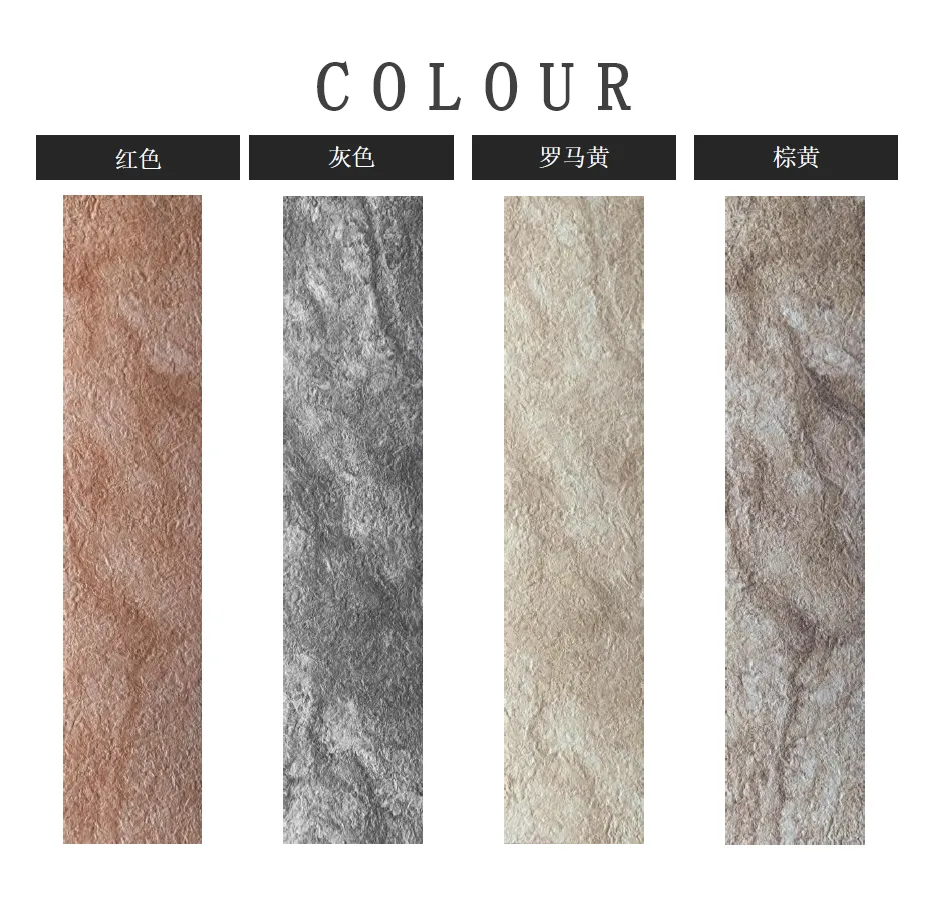
Let's start with the basics. Dolomitic stone, often called dolomite, is a sedimentary rock formed from dolomite mineral—calcium magnesium carbonate—created over millions of years when seawater evaporates and leaves behind mineral deposits. What makes it special? It's tough, weather-resistant, and comes in a spectrum of earthy tones, from the soft beige of rock cut stone (beige) to the moody depth of rock cut stone (dark grey) . Think of it as nature's building block with a personality: it can be rough-hewn for a rustic look or polished to a high sheen for contemporary spaces. In Europe, it's not just stone—it's heritage. From the Colosseum's foundations to Barcelona's Gaudí buildings, dolomitic stone has been holding up history for millennia.
European quarrying didn't start with machinery. It started with hands—calloused, skilled hands. Ancient Romans used simple tools: iron wedges, wooden mallets, and brute force to split stone from cliffs. They'd drill holes, hammer in dry wooden pegs, douse them with water, and let the wood expand to crack the rock—a technique still whispered about in quarrying circles today. Medieval stonemasons took it further, perfecting the art of "channeling" to extract large slabs for cathedrals like Notre-Dame, where dolomitic travertine (a porous cousin of dolomite) was prized for its lightness and ability to catch the sun.
By the Renaissance, quarrying became an art form. Italian craftsmen in Carrara (yes, the marble capital) began experimenting with wire saws, using horse-drawn ropes to slice through stone with more precision. Fast forward to the Industrial Revolution, and steam-powered machinery arrived, but the heart of the work remained: a deep respect for the stone. Today, you'll still find quarries in Italy, Spain, France, and Austria where old-timers work alongside 3D scanners, proving that tradition and technology don't have to clash—they can dance.
Walk into a European dolomitic stone quarry today, and you'll see a fascinating mix of old and new. Let's take a virtual tour of a typical site in the Dolomites, where rough granite stone (medium grey) and dolomitic travertine are mined. The process starts long before the first saw hits the rock—with geology. Teams of geologists study the land, mapping mineral deposits and testing stone quality. Once a site is approved (more on that later, thanks to strict EU standards), the real work begins.
Extracting dolomitic stone is a bit like sculpting a mountain—you have to know where to cut. Traditional methods still have a place here. Some quarries use "plug and feather" techniques: drilling holes, inserting steel wedges (plugs) and metal shims (feathers), then tapping gently until the stone splits along natural fault lines. It's slow, deliberate, and surprisingly effective for preserving the stone's integrity. For larger operations, though, modern tools rule. Diamond wire saws—thin cables embedded with diamond grit—slice through rock like butter, creating clean, precise cuts. Hydraulic splitters use pressure to crack stone without explosives, keeping noise and vibration to a minimum. And yes, there are even 3D scanners now: drones fly over quarries to map deposits, and software helps teams plan extraction to minimize waste. It's a far cry from Roman hammers, but the goal remains the same: get the stone out safely, and in one piece.
Once the stone is extracted, it heads to the processing yard—where the magic happens. Here, slabs are cut to size, finished, and sorted into types. Want rock cut stone (beige) for a countryside villa? It might get a "rock-faced" finish, where the edges are left rough and the surface is lightly chiseled to mimic natural splitting. Need rock cut stone (dark grey) for a sleek office building? It could be honed to a smooth, matte surface or polished to reflect light. Even rough granite stone (medium grey) gets in on the action here, with craftsmen using abrasive pads to create textures that range from sandblasted to leathered (a soft, pebbled finish that's easy on the feet).
One of the most popular dolomitic variants? dolomitic travertine . Travertine is a type of limestone, but when it's dolomitic, it's harder and more durable. Quarries in Italy's Tivoli region (famous for ancient travertine quarries) specialize in this stone, which often features unique "veins" and pockmarks—tiny holes formed by gas bubbles trapped during formation. These holes are usually filled with resin or cement to strengthen the stone, but some designers leave them exposed for a raw, organic look. It's this versatility that makes dolomitic travertine a favorite for everything from kitchen backsplashes to hotel lobbies.
Europe isn't just about history—it's about progress, too. When it comes to quarrying, strict standards ensure that extracting stone doesn't come at the cost of the environment or workers' safety. Let's break down the rules that keep the industry in check.
First off, any stone product sold in the EU must bear the CE mark, a certification that it meets health, safety, and environmental requirements. For natural stone, that means complying with EN 12326, a standard that covers everything from mechanical strength to slip resistance. Want to claim your stone is "sustainable"? You'll need to back it up with certifications like the EU Ecolabel, which rewards practices like water recycling, energy efficiency, and reforestation. Quarries also have to follow the Environmental Impact Assessment (EIA) Directive, which requires them to assess and mitigate their impact on ecosystems, water sources, and local communities. In short: you can't just start hacking at a mountain in Europe—you've got to prove you're doing it right.
Sustainability isn't a buzzword here—it's a way of life. European quarries are leading the charge in eco-friendly practices. Take water, for example: traditional quarrying used to guzzle it, but now most sites recycle 90% of their water for sawing and washing. Energy? Solar panels power processing yards, and electric machinery replaces diesel-guzzling equipment. Even waste is being reimagined: stone dust and offcuts are crushed into aggregate for roads, or used in concrete. In Spain's Catalonia region, some quarries have turned old extraction sites into lakes or hiking trails once mining is done—a process called "quarry rehabilitation." It's a simple idea: leave the land better than you found it.
Quarrying is tough work, and Europe takes worker safety seriously. The EU's Occupational Safety and Health (OSH) Directive sets strict rules: mandatory PPE (hard hats, steel-toed boots, dust masks), regular safety training, and limits on working hours in noisy or dusty environments. Machinery is inspected daily, and quarries must have emergency plans for landslides or accidents. Perhaps most importantly, there's a focus on skill development. Young workers train as apprentices for years, learning from veterans who've spent decades reading stone's "language." As one quarry manager in Tuscany put it: "You don't just hire a worker—you invest in a craftsman. And craftsmen deserve to go home safe every night."
| Aspect | Traditional Methods | Modern Methods |
|---|---|---|
| Tools | Iron chisels, wooden mallets, plug-and-feather systems | Diamond wire saws, hydraulic splitters, 3D scanners |
| Speed | Slow (1-2 slabs per day per worker) | Fast (up to 50 slabs per day with machinery) |
| Waste | Higher (unplanned splits, human error) | Lower (precision cutting, computer planning) |
| Environmental Impact | Lower energy use, but more manual labor | Higher initial energy, but better waste/ water recycling |
| Skill Focus | Manual dexterity, "reading" stone faults | Tech proficiency, software use, safety training |
It's not all smooth sailing, though. European dolomitic stone quarries face their share of hurdles. For one, there's the environmental balancing act. While sustainability practices are improving, some regions—like the Dolomites, a UNESCO World Heritage Site—have strict limits on new quarries to protect natural beauty. This means existing sites are under pressure to produce more with less. Then there's the labor shortage. Young people aren't flocking to quarrying like they used to; it's hard, physical work, and many prefer office jobs. Quarries are fighting back by offering apprenticeships, competitive salaries, and even "quarry tourism" to showcase the craft's artistry. Finally, there's competition from synthetic materials. Porcelain tiles and engineered stone are cheaper and easier to install, but they lack dolomite's character. As one craftsman put it: "You can't fake the feel of real stone. It breathes, it ages, it tells a story. Synthetics? They're just… quiet."
So, what's next for Europe's dolomitic stone quarries? The future looks green—and high-tech. Green building trends are boosting demand for natural, sustainable materials, and dolomite fits the bill perfectly. LEED and BREEAM certifications, which reward eco-friendly construction, are driving architects to specify stone from certified quarries. On the tech front, expect more 3D printing (yes, really!). Some companies are experimenting with 3D-printed molds using stone dust, creating custom shapes that would be impossible to carve by hand. There's also a push for "circular quarrying," where every byproduct is reused—stone dust in cosmetics, offcuts in furniture, even wastewater for irrigation. And let's not forget design: as minimalism and biophilic design (bringing nature indoors) trend, dolomitic travertine and rough granite stone (medium grey) are becoming stars, valued for their organic textures and earthy colors.
At the end of the day, rock cut dolomitic stone quarrying in Europe is more than an industry—it's a legacy. It's the sound of a hammer hitting stone in a Tuscan quarry, the pride of a craftsman holding a perfectly split slab, the way sunlight plays on rock cut stone (beige) in a Parisian courtyard. It's about balancing the past and future, respecting the earth, and creating materials that don't just build spaces—they inspire them. So the next time you walk past a stone building, take a closer look. That dolomitic slab? It's not just rock. It's a piece of Europe, shaped by time, tradition, and the hands of people who know how to listen when stone speaks.
And who knows? Maybe one day, you'll find yourself in a quarry, watching the process unfold. If you do, strike up a conversation with a worker. They'll tell you: the best stone isn't just cut—it's earned. And in Europe, they've been earning it for centuries.
Recommend Products












