
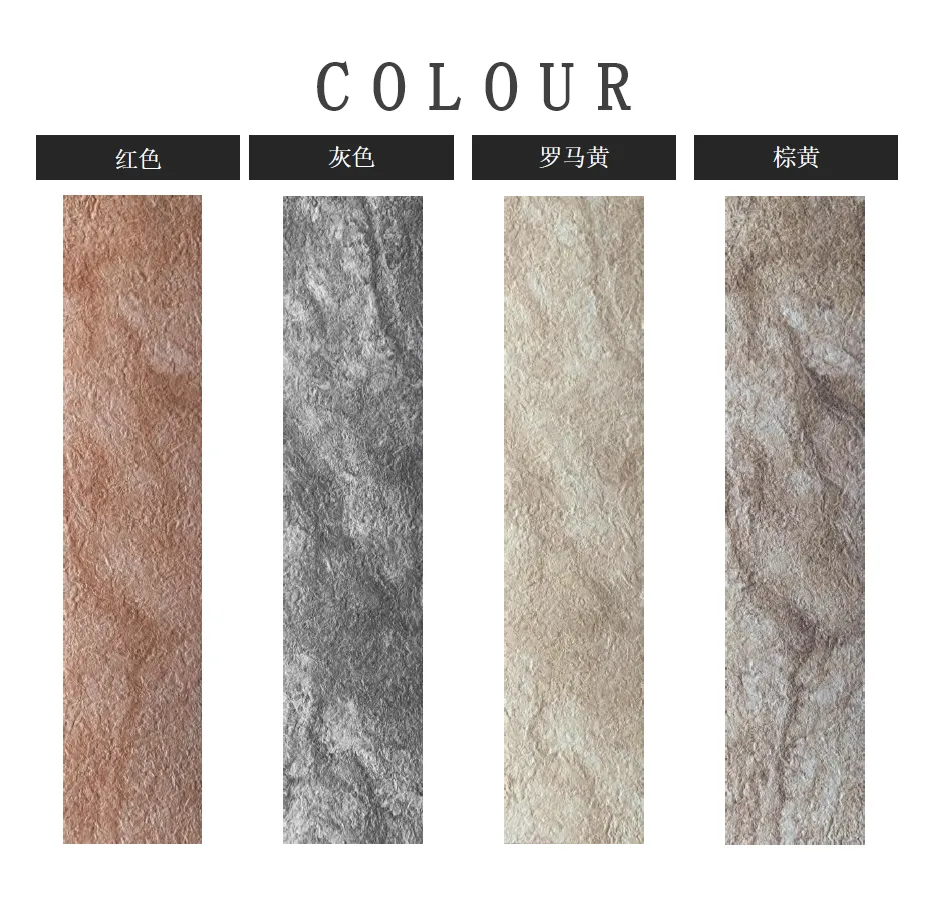
If you've ever walked into a space and been stopped in your tracks by a wall or floor that feels both rugged and refined—like nature itself carved it into place—chances are you were looking at rock cut dolomitic stone. This material, with its earthy veins, subtle texture, and rich color variations, has become a go-to for designers aiming to blend organic warmth with modern durability. From the moody depth of Dolomitic Travertine (Dark Grey) to the soft, sunlit tones of Dolomitic Travertine (Claybank) , it's a stone that tells a story. But like any natural material, it needs care to keep that story from fading. Sealing is the unsung hero here, and today, we're diving into why it matters, which products to trust, and how to apply them like a pro.
First, let's get cozy with the star of the show. Rock cut dolomitic stone is a type of sedimentary rock formed from dolomite, a mineral rich in calcium and magnesium. Unlike polished marble or sleek granite, it's "cut" rather than honed or polished, leaving its surface with a gently rough, almost tactile quality—think of running your hand over a river stone that's been shaped by time, not machines. This texture isn't just for show: it adds grip (great for floors) and hides minor scratches, making it practical for high-traffic areas.
Part of what makes it so versatile is its place in the MCM Flexible Stone lineup. MCM (Modified Composite Material) has revolutionized how we use stone, blending natural minerals with modern polymers to create lightweight, flexible panels that are easier to install than traditional stone slabs. Rock cut dolomitic stone, in particular, stands out in this range for its authenticity—it looks and feels like it was quarried yesterday, but with the added benefits of being crack-resistant and easier to transport. Whether you're cladding a fireplace, designing a feature wall, or paving an outdoor patio, it brings that "lived-in luxury" vibe that's so in demand.
And let's talk color. Beyond the classic Dark Grey and Claybank, there are endless iterations—some with hints of rust, others with creamier undertones—that play well with both warm wood accents and cool metal fixtures. It's a chameleon, really, adapting to whatever design story you're trying to tell. But here's the catch: that porous, textured surface? It's like a sponge for spills, dirt, and moisture. Without protection, even a glass of red wine or a rainstorm could leave permanent marks. That's where sealing comes in.
Sealing rock cut dolomitic stone isn't optional—it's the difference between a surface that looks fresh for decades and one that starts showing wear after a year. Let's break down the "why" in plain terms:
Think of it like sunscreen for your stone: you don't skip it, even on cloudy days, because you know the damage happens slowly, invisibly. Sealing is the same way—it's preventative care that keeps your rock cut dolomitic stone looking its best, no matter what life throws at it.
Not all sealers are created equal, and choosing the right one depends on where your stone is (indoor vs. outdoor), how much foot traffic it gets, and the look you want to preserve. Let's break down the top contenders, from penetrating sealers that "disappear" into the stone to topical sealers that add a subtle sheen.
Penetrating sealers are the quiet workhorses of the sealer world. They soak into the stone's pores, reacting with minerals to form a water-resistant barrier from the inside out. The best part? They don't change the stone's appearance—no glossy finish, no sticky residue, just the same natural look you fell in love with. These are ideal for rock cut dolomitic stone because they preserve its texture without adding a layer that could wear off over time.
Look for water-based or solvent-based options. Water-based sealers are low-odor and eco-friendly, making them great for indoor spaces like kitchens or bathrooms. Solvent-based sealers tend to penetrate deeper, making them better for outdoor areas exposed to heavy rain or snow. Brands like StoneTech Heavy Duty Sealer or Miracle Sealants 511 Impregnator are fan favorites here—they're trusted by professionals for their long-lasting protection (up to 5 years for indoor, 2-3 for outdoor high-traffic areas).
If you want to enhance your stone's color or add a subtle glow, topical sealers are the way to go. These sit on the surface of the stone, creating a protective film that repels stains and adds a hint of sheen (matte, satin, or gloss, depending on the product). They're a good choice for indoor feature walls or low-traffic floors where you want the stone to "pop."
But a word of caution: topical sealers can wear down faster than penetrating ones, especially in high-traffic areas. They also require more maintenance—you'll need to reapply every 1-2 years. Brands like Aqua Mix Seal & Finish or Stone Sealer are reliable, offering UV protection and stain resistance without yellowing over time. Pro tip: Test a small, hidden area first to make sure the sheen matches your vision!
Ever noticed how stone looks richer and more vibrant when it's wet? Enhancing sealers mimic that effect, deepening the color of your Dolomitic Travertine (Claybank) or Dark Grey to make veins and textures stand out. They're a hybrid of penetrating and topical—they soak in to protect and leave a slight enhancing layer on top. These are perfect for statement pieces, like a fireplace surround or a backsplash, where you want the stone to be the focal point.
Brands like Black Diamond Stoneworks Color Enhancer Sealer are popular here—they're easy to apply and won't leave a glossy finish, just a natural "alive" look. Keep in mind, though, that enhancing sealers can darken lighter stones, so always test first!
| Sealer Type | Best For | Coverage | Reapplication Frequency | Pros | Cons |
|---|---|---|---|---|---|
| Penetrating (Water-Based) | Indoor walls, kitchens, low-moisture areas | 200-300 sq ft/gallon | 3-5 years (indoor) | No odor, eco-friendly, natural look | Less water resistance than solvent-based |
| Penetrating (Solvent-Based) | Outdoor patios, driveways, high-moisture areas | 150-250 sq ft/gallon | 2-3 years (outdoor) | Deep penetration, superior water resistance | Strong odor, requires ventilation |
| Topical (Satin) | Indoor feature walls, low-traffic floors | 100-150 sq ft/gallon | 1-2 years | Enhances color, adds subtle shine | Can wear in high traffic, needs frequent reapplication |
| Enhancing Sealer | Statement pieces, fireplaces, backsplashes | 150-200 sq ft/gallon | 2-3 years (indoor) | Deepens color, highlights texture | May darken lighter stones unexpectedly |
Sealing might sound intimidating, but with the right tools and a little patience, you can do it yourself. Here's how to get it done like a pro:
You wouldn't paint a dirty wall, right? The same goes for sealing stone. Start by giving your rock cut dolomitic stone a deep clean. Sweep or vacuum up dust and debris, then wash with a pH-neutral stone cleaner (avoid vinegar, bleach, or harsh detergents—they can damage the stone). For tough stains, use a soft-bristle brush to gently scrub the area. Rinse thoroughly with clean water and let the stone dry completely—this can take 24-48 hours, depending on humidity. Pro tip: Use a moisture meter to check if it's dry; aim for less than 5% moisture content.
Grab a small, hidden area of your stone (like the back of a panel or a corner that's rarely seen) and apply a tiny amount of sealer. Let it dry completely, then check for discoloration or an unwanted sheen. If it looks good, proceed. If not, try a different sealer—better to catch this now than after you've sealed the whole surface!
Now for the fun part. Pour a small amount of sealer into a shallow dish (this prevents contamination of the whole bottle). Dip your cloth, sponge, or roller into the sealer and apply it evenly to the stone, working in small sections (3x3 ft is a good size). Use smooth, overlapping strokes—avoid puddles or drips, as they can dry unevenly. For penetrating sealers, let the sealer sit for 5-10 minutes, then wipe off any excess with a clean cloth (this prevents a sticky residue). For topical sealers, follow the manufacturer's instructions—some require a second coat after the first dries.
Drying time and curing time are different! Most sealers dry to the touch in 1-3 hours, but they need 24-72 hours to fully cure. During this time, keep the area off-limits—no walking, placing furniture, or exposing it to water. If you're sealing an outdoor area, check the weather forecast to avoid rain during curing.
Once cured, your stone is protected—but it's not invincible. Sweep or dust regularly, and clean spills immediately with a pH-neutral cleaner. Every year or so, do a "water test": sprinkle a few drops of water on the stone. If they bead up, the sealer is still working. If they soak in, it's time to reapply.
Even pros make mistakes—here's how to steer clear of them:
Rock cut dolomitic stone isn't just a building material—it's a piece of nature, brought indoors (or outdoors) to add character and warmth. Sealing it is how we honor that beauty, ensuring it stays vibrant for years to come. Whether you're using Dolomitic Travertine (Claybank) in a cozy living room or Dolomitic Travertine (Dark Grey) on an outdoor terrace, the right sealer and application method will keep it looking like the day it was installed.
And remember, this isn't a one-and-done task. Sealing is part of a relationship with your stone—check in on it, care for it, and it will reward you with decades of beauty. So grab your sealer, roll up your sleeves, and give your rock cut dolomitic stone the protection it deserves. Your future self (and your Instagram feed) will thank you.
Recommend Products












