
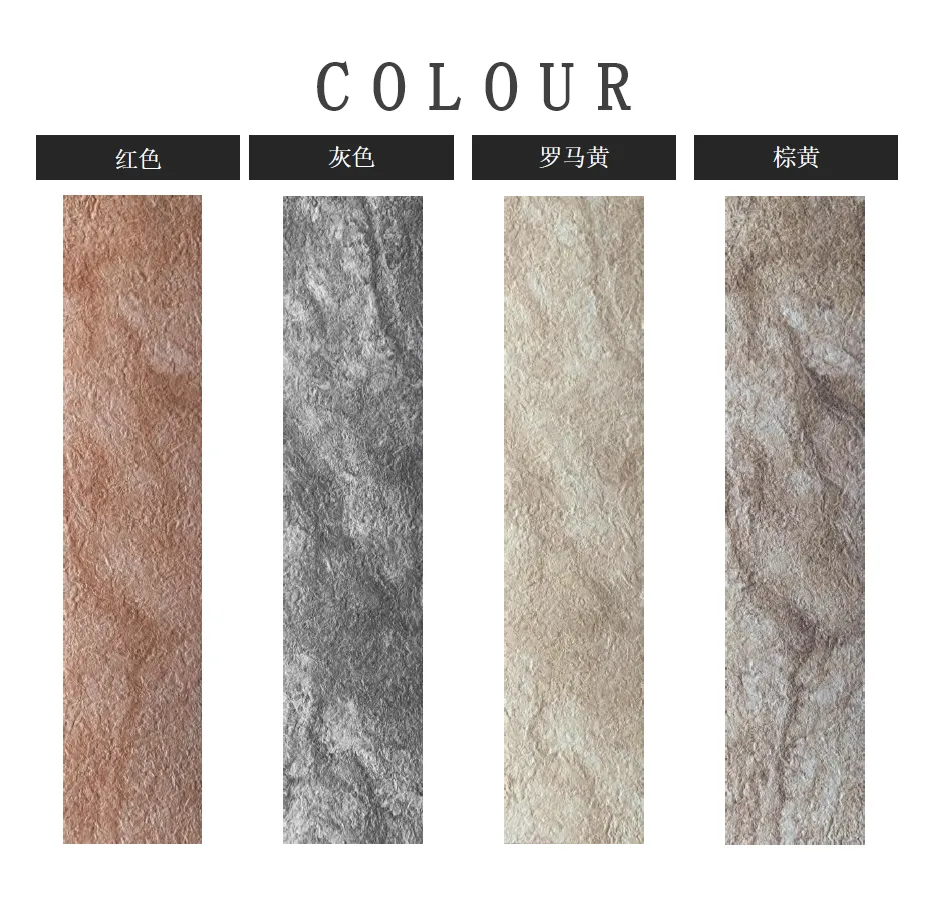
Let's start with Rock Cut Dolomitic Stone. Picture a stone that's been shaped by centuries of geological pressure, formed from dolomite—a mineral that's like calcium carbonate's sturdier cousin, with a dash of magnesium. What makes it "rock cut"? Exactly what it sounds like: quarried and split along natural fault lines, giving it a rough, organic texture that feels both ancient and grounded. You might recognize it from rustic outdoor patios, historic building facades, or even modern accent walls that crave a touch of raw, natural character. It's not just about looks, though—this stone's composition hints at serious durability.
Granite, on the other hand, is the household name. Mention "durable stone," and most people think of granite countertops in kitchens or sleek flooring in high-traffic lobbies. Formed from slowly cooling magma deep underground, it's a mix of quartz, feldspar, and mica—minerals that lock together to create a dense, hard surface. From the rough granite stone (dark grey) slabs used in industrial-chic designs to the polished varieties that shine in luxury homes, granite has built its legacy on being "unbreakable." But is that reputation fully earned?
Durability isn't just about being hard—it's about how a stone handles real life. Let's break down the key factors that matter most, and see how Rock Cut Dolomitic Stone and Granite measure up.
| Durability Factor | Rock Cut Dolomitic Stone | Granite |
|---|---|---|
|
Hardness (Mohs Scale)
(Higher = more scratch-resistant) |
3.5–4.5
(Moderate; softer than granite but still tough for many uses) |
6–7
(Very hard; resists scratches from daily wear) |
|
Porosity
(Lower = less likely to stain) |
Low to moderate
(Absorbs less liquid than pure limestone, but still needs sealing) |
Low
(Dense structure resists staining, but sealing helps long-term) |
|
Weather Resistance
(How it holds up to rain, freeze-thaw, UV rays) |
Excellent
Magnesium content helps resist water damage; ideal for outdoor use in harsh climates |
Very Good
Dense and heat-resistant, but some varieties may fade in extreme UV over time |
|
Scratch Resistance
(How it handles keys, furniture, pet claws) |
Moderate
Can scratch with heavy force (e.g., dragging metal furniture) |
High
Resists most daily scratches; even knives struggle to mark it |
|
Heat Resistance
(Safe near stoves, fireplaces, or outdoor grills) |
Good
Withstands moderate heat, but avoid direct contact with hot pans |
Excellent
Can handle hot pots and pans without cracking (a favorite for kitchen counters) |
Imagine a family of five, with kids who leave cereal bowls on the counter, a dog that begs for scraps, and a weekend baker who's constantly moving mixing bowls. Granite here is a rockstar. Its high scratch resistance (thanks to that 6–7 Mohs hardness) means the kids' toy cars won't leave tracks, and the baker's rolling pin won't chip the surface. Even hot pots straight from the stove? Granite laughs them off.
Rock Cut Dolomitic Stone, while still sturdy, might show more wear over time in this chaos. A dropped can of beans or a sharp knife could leave a small scratch, and without regular sealing, tomato sauce or coffee might stain if left too long. It's not "weak"—just better suited for less high-impact spaces, like a dining room accent wall or a powder room vanity.
Now, picture an outdoor patio in a place with harsh winters—think freezing rain, snow, and summer heatwaves. Here, Rock Cut Dolomitic Stone starts to shine. Its low porosity and magnesium-rich composition make it resistant to freeze-thaw damage (when water seeps in, freezes, and expands, cracking stone). After 10 years of snow shovels and rainstorms, it'll still look like it was installed last month.
Granite holds up well outdoors too, but it's not invincible. Lighter-colored granites can fade slightly under intense UV rays, and if you live near the coast, salt air might corrode some of its minerals over decades. It's still a solid choice, but for truly brutal weather, dolomitic stone has a slight edge.
Durability isn't only about surviving the worst—it's about staying beautiful while doing it. Let's talk about how these stones age, and why that matters for your project's long-term appeal.
One of the things designers love about Rock Cut Dolomitic Stone is how it "patsina" over time. That rough, earthy texture softens slightly with rain and sun, developing a warm, lived-in charm that feels like a story. A black dolomitic stone facade might mellow to a rich charcoal, while a beige variety could take on subtle golden undertones. It doesn't just last—it gets more interesting with age.
Take the historical pathfinders stone used in some heritage restorations: these dolomitic stones have been standing for centuries, their surfaces etched with the marks of time, yet they remain structurally sound. For projects where character matters as much as longevity, this "aging gracefully" factor is a huge plus.
Granite, on the other hand, is more of a "forever young" stone. Its dense structure means it resists etching and fading, so that polished kitchen countertop you install today will look almost identical in 20 years (with proper care). That consistency is why it's a favorite for modern spaces where a sleek, unchanging look is desired.
But here's the catch: when granite does show wear, it's often more noticeable. A deep scratch or chip in granite stands out against its smooth surface, whereas a similar mark on Rock Cut Dolomitic Stone might blend into its natural texture. So while granite is harder to damage, the damage it does get can be harder to hide.
Even the toughest stone needs a little TLC. Let's break down what it takes to keep both options in top shape over the years.
Think of it like caring for a leather jacket: a little effort keeps it looking great for decades.
,——"".
,.,., mcm flexible stone ——,,.,,, practices .,!
,""——"".,,..
,———— Rock Cut Dolomitic Stone .,.
,:.,,,.
Recommend Products












