
Walk through any historic district or modern cityscape, and you'll notice something profound: buildings don't just stand—they speak . Their language is written in the materials chosen by architects and builders, each stone, brick, or panel telling a story of durability, aesthetics, and purpose. Among the most eloquent of these materials are natural stones, which have shaped skylines for millennia. Today, two names often rise to the top of material shortlists: Rock Cut Dolomitic Stone and Limestone. Both are celebrated for their earthy charm and versatility, but dig a little deeper, and their differences become as clear as the grains in their surfaces. In this article, we'll unpack what sets these two stones apart, from their geological origins to their real-world applications, helping you understand which might be the right choice for your next project—whether you're restoring a heritage home or designing a cutting-edge commercial space.
Before diving into the nitty-gritty, let's get clear on what we're talking about. Both Rock Cut Dolomitic Stone and Limestone are sedimentary rocks, formed over millions of years by the compression of organic materials and minerals. But that's where the similarities start to blur.
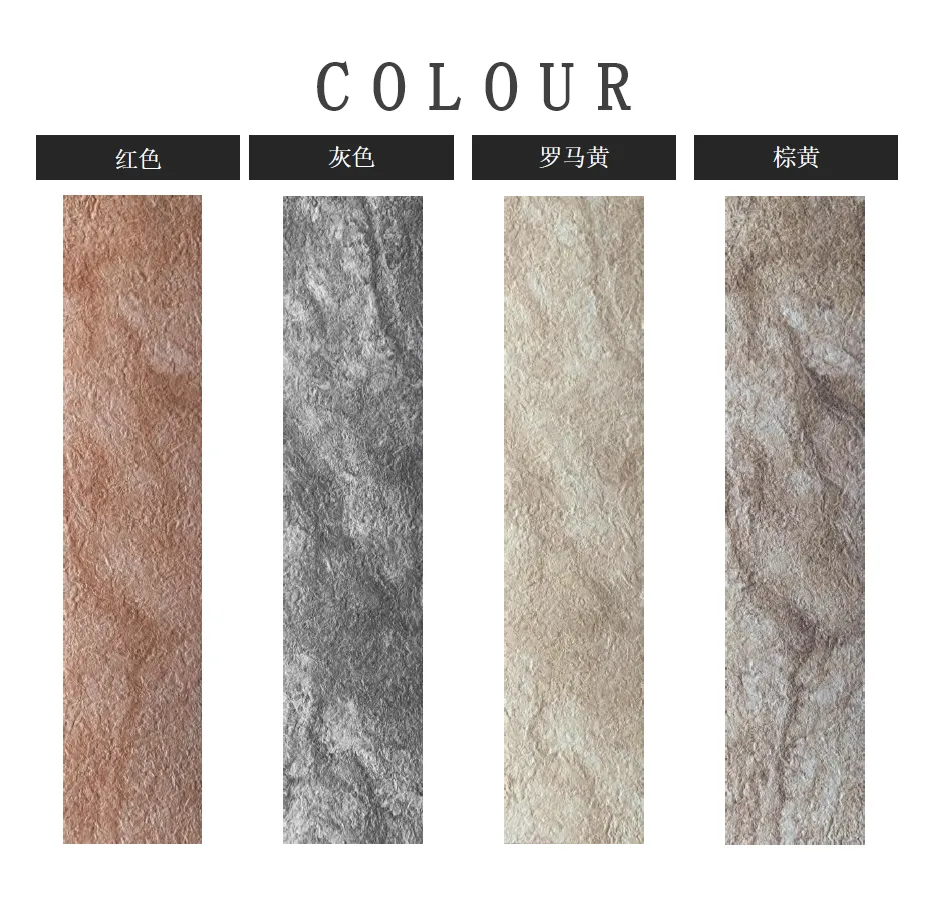
Rock Cut Dolomitic Stone gets its name from two key features: its composition and its finish. Geologically, it's a type of dolomite—a mineral-rich rock formed when limestone reacts with magnesium-rich groundwater, transforming its calcium carbonate into dolomite (CaMg(CO₃)₂). The "rock cut" part refers to its texture: instead of being polished or honed, it's quarried using traditional methods that leave a rough, chiseled surface, mimicking the look of stone hewn directly from a cliff face. You'll often hear it described by color variants like dolomitic travertine (dark grey) or dolomitic travertine (claybank) , hinting at its range from moody, storm-cloud grays to warm, terracotta-like tones.
Limestone , on the other hand, is a purer form of sedimentary rock, primarily made of calcium carbonate (CaCO₃). It forms in shallow marine environments, where the remains of marine organisms (like shells and coral) accumulate and harden over time. Unlike dolomitic stone, limestone tends to be softer and more porous, with a smoother, more uniform texture when cut. Its color palette leans toward the warmer end of the spectrum, with popular variants like limestone (beige) dominating interiors and exteriors alike.
The secret to Rock Cut Dolomitic Stone's resilience lies in its dolomite content. That extra magnesium atom in its chemical structure isn't just a geological detail—it's a game-changer for performance. Magnesium makes the stone denser and less reactive to acids, which is why it holds up better than limestone in harsh environments. Think of it like the difference between a standard concrete mix and one reinforced with steel: the dolomite acts as a natural "strengthener," reducing porosity and increasing resistance to weathering.
This composition also affects its appearance. Dolomitic stones often have a more varied texture, with flecks of magnesium-rich minerals creating subtle patterns. Run your hand over a slab of dolomitic travertine (dark grey) , and you'll feel tiny ridges and valleys, as if the stone itself is telling the story of its formation in ancient seabeds.
Limestone's calcium carbonate base gives it a softer, more malleable quality—both literally and aesthetically. It's easier to cut and shape, which is why it's been a favorite for intricate carvings, from Gothic gargoyles to Renaissance fountains. But that softness comes with a trade-off: calcium carbonate is more susceptible to damage from acidic substances, like rainwater mixed with pollution or even vinegar spills in a kitchen. Without proper sealing, limestone can absorb liquids, leading to stains or erosion over time.
Aesthetically, limestone leans into warmth. Limestone (beige) , for example, has a creamy, sunlit quality that brings a sense of calm to spaces, making it a top pick for residential interiors. Its porosity also means it takes well to finishes: polish it to a high shine for a luxe look, or leave it honed for a matte, understated elegance.
When it comes to construction, durability isn't just a nice-to-have—it's the foundation of safety and longevity. Let's break down how these two stones perform in real-world conditions.
Thanks to its dolomite composition, Rock Cut Dolomitic Stone is a heavyweight in durability. On the Mohs scale of mineral hardness, it scores around 3.5–4, putting it slightly above limestone (which sits at 3). This makes it resistant to scratches, chips, and abrasion—qualities that shine in high-traffic areas or outdoor settings. Imagine a commercial building in a coastal city, where salt spray and strong winds are constant threats: dolomitic stone's low porosity (it absorbs less water than limestone) means it's less likely to crack in freezing temperatures or degrade from salt exposure.
Contractors often praise its "workhorse" nature. One builder I spoke with, who specializes in mountain homes, put it this way: "We use rock cut dolomitic stone for exterior cladding because it doesn't need coddling. A cabin in the Rockies might see -30°F winters and 100°F summers, but that stone? It just… holds . No peeling, no fading, no surprises."
Limestone isn't fragile—far from it. Some of the world's oldest structures, like the Great Pyramid of Giza, are built with limestone, and they've lasted over 4,500 years. But its durability depends heavily on context. In dry, sheltered environments (think: a desert climate or an indoor foyer), limestone can last indefinitely. However, in wet or polluted areas, it needs more care. For example, a limestone patio in a city with heavy rainfall might require annual sealing to prevent water absorption, while a dolomitic stone patio in the same location could go years without maintenance.
Another factor is thickness. Limestone slabs used for flooring or countertops are typically thicker (1.5 inches or more) to compensate for their lower hardness, which adds to material and installation costs. In contrast, Rock Cut Dolomitic Stone can often be used in thinner slabs without sacrificing strength, making it a more cost-effective choice for large-scale projects.
In construction, "how it looks" is never just about vanity. A material's aesthetic sets the mood of a space, influences how light plays off surfaces, and even affects how people feel when they're inside. Let's explore the visual personalities of these two stones.
If Rock Cut Dolomitic Stone had a personality, it would be the rugged adventurer of the stone world. Its "rock cut" finish—rough, uneven, and full of character—adds instant texture to any surface. Whether you choose dolomitic travertine (dark grey) for a moody industrial vibe or claybank dolomitic travertine for a warm, earthy feel, this stone reads as "authentic." It's the kind of material that makes a statement without screaming for attention, perfect for modern farmhouses, boutique hotels, or outdoor fire pits where you want to evoke a connection to nature.
One of its most appealing traits is its versatility across design styles. Pair it with sleek glass and steel for a contemporary contrast, or mix it with wood beams for a cozy, cabin-like feel. I recently visited a restaurant in Boulder, Colorado, where the exterior was clad in rock cut dolomitic stone, and the effect was striking: the stone's rough surface caught the afternoon light, casting shadows that made the building feel dynamic, like it was breathing with the landscape.
Limestone, by comparison, is the sophisticated classicist. Its smooth, consistent texture and warm color palette make it a chameleon in design, fitting seamlessly into traditional, transitional, and even modern spaces. Limestone (beige) , for instance, is a staple in luxury homes, where it's used for flooring, backsplashes, and fireplace surrounds. Its neutral tone acts as a backdrop, letting furniture, art, or bold accents take center stage.
What I love most about limestone is its ability to age gracefully. Unlike some materials that look worn after a few years, limestone develops a "patina"—a soft, lived-in quality that adds depth. A limestone floor in a 100-year-old home, for example, might have subtle scratches and color variations that tell the story of generations walking across it. It's a material that doesn't fight time; it embraces it.
To make the differences even clearer, let's put these two stones head-to-head in a table. Whether you're a homeowner, architect, or contractor, this cheat sheet will help you weigh the pros and cons quickly:
| Feature | Rock Cut Dolomitic Stone | Limestone |
|---|---|---|
| Composition | Dolomite (CaMg(CO₃)₂) – magnesium-rich | Calcium carbonate (CaCO₃) – softer, more porous |
| Hardness (Mohs Scale) | 3.5–4 (more scratch-resistant) | 3 (softer, prone to scratches) |
| Porosity | Low – absorbs less water/stains | High – requires sealing to prevent damage |
| Color Range | Dark grey, claybank, earthy tones | Beige, cream, light grey, warm neutrals |
| Best For | Exteriors, high-traffic areas, wet environments | Interiors, low-traffic spaces, decorative elements |
| Maintenance | Minimal – occasional cleaning with mild detergent | Regular sealing (every 1–3 years), stain protection |
| Sustainability | Quarried locally in many regions; durable (long lifespan) | Abundant but requires careful quarrying; shorter lifespan in harsh conditions |
To see these differences in action, let's look at a recent project: a restaurant renovation in downtown Austin, Texas. The owners wanted to blend rustic charm with modern functionality, so they turned to both stones.
For the exterior facade, they chose Rock Cut Dolomitic Stone in dolomitic travertine (dark grey) . Why? The restaurant is on a busy street with heavy foot traffic and frequent rain, so durability was key. The rough texture also helped the building stand out against the sleek glass storefronts nearby, giving it a "local, artisanal" vibe.
Inside, however, they opted for limestone (beige) for the bar countertop and flooring. The warm, neutral tone made the space feel inviting, and by sealing the limestone with a high-quality penetrating sealer, they ensured it could handle spills from cocktails or food. The result? A space that's both tough enough for the streets and cozy enough for date night.
In today's construction world, sustainability isn't optional—it's a priority. Both Rock Cut Dolomitic Stone and Limestone are natural materials, which gives them a leg up over synthetic alternatives, but their environmental footprints still vary.
Sustainability often comes down to longevity, and Rock Cut Dolomitic Stone delivers here. Its durability means buildings clad in it require less frequent replacement, reducing waste over time. Additionally, dolomite quarries are widespread, so in many cases, the stone can be sourced locally, cutting down on transportation emissions. Some quarries even use eco-friendly practices, like reforestation of mining sites or water recycling, making it a solid choice for LEED-certified projects.
Limestone is one of the most abundant sedimentary rocks on Earth, which means it's generally affordable and accessible. However, its extraction can be more resource-intensive: because it's softer, more stone is often wasted during quarrying to get usable slabs. Also, since it requires regular sealing, the long-term environmental impact includes the production and disposal of sealant products. That said, when sourced from responsible quarries and paired with low-VOC sealants, limestone can still be a sustainable option—especially for projects where its aesthetic benefits outweigh these considerations.
While natural stones like Rock Cut Dolomitic Stone and Limestone have their place, modern construction often calls for materials that blend the beauty of stone with added functionality. Enter products like MCM flexible stone —a modified composite material that mimics the look of natural stone but with flexibility, lightweight properties, and easier installation. For example, if you love the texture of Rock Cut Dolomitic Stone but need a material that can bend around curves (like a circular wall), MCM flexible stone could be the solution. It's also resistant to moisture and UV rays, making it a low-maintenance alternative for exterior projects.
Similarly, fair-faced concrete has emerged as a contemporary favorite, often paired with natural stones to create contrast. Its raw, industrial look complements limestone's warmth or dolomitic stone's ruggedness, offering a modern twist on classic materials. The key here is balance: natural stones bring authenticity, while modern composites or concretes add functionality.
At the end of the day, the choice between Rock Cut Dolomitic Stone and Limestone comes down to your project's unique needs. Ask yourself: Where will the stone be used? What kind of wear and tear will it face? What mood do I want to create?
If you need a tough, low-maintenance stone for exteriors, high-traffic areas, or harsh climates, Rock Cut Dolomitic Stone is the way to go. Its rugged texture and durability make it a workhorse with personality. On the other hand, if you're prioritizing warmth, versatility, or intricate design work—especially indoors—limestone, with proper sealing, is hard to beat.
And remember: there's no rule that says you have to choose one or the other. As the Austin restaurant example shows, mixing these stones can create spaces that are both functional and visually stunning. After all, the best buildings aren't just built with materials—they're built with intention. So whether you're drawn to the dark, stormy beauty of dolomitic travertine (dark grey) or the sunlit warmth of limestone (beige) , trust that your choice will tell a story—and that story will stand tall for years to come.
Recommend Products












