
How two timeless materials shape the stories of our spaces
Walk into any well-designed space, and the first thing that whispers its character isn't just the furniture or the lighting—it's the materials beneath your feet, the walls that cradle the room, the surfaces that catch the light. Stone, in particular, has a way of grounding a space in history while making room for modern creativity. Today, let's pull back the curtain on two materials that often stand at the heart of this dialogue: Rock Cut Dolomitic Stone and Natural Marble. One, a rugged storyteller of the earth's slow churn; the other, a timeless poet of elegance. Let's explore how they differ—not just in looks, but in how they live, breathe, and shape the way we experience architecture.
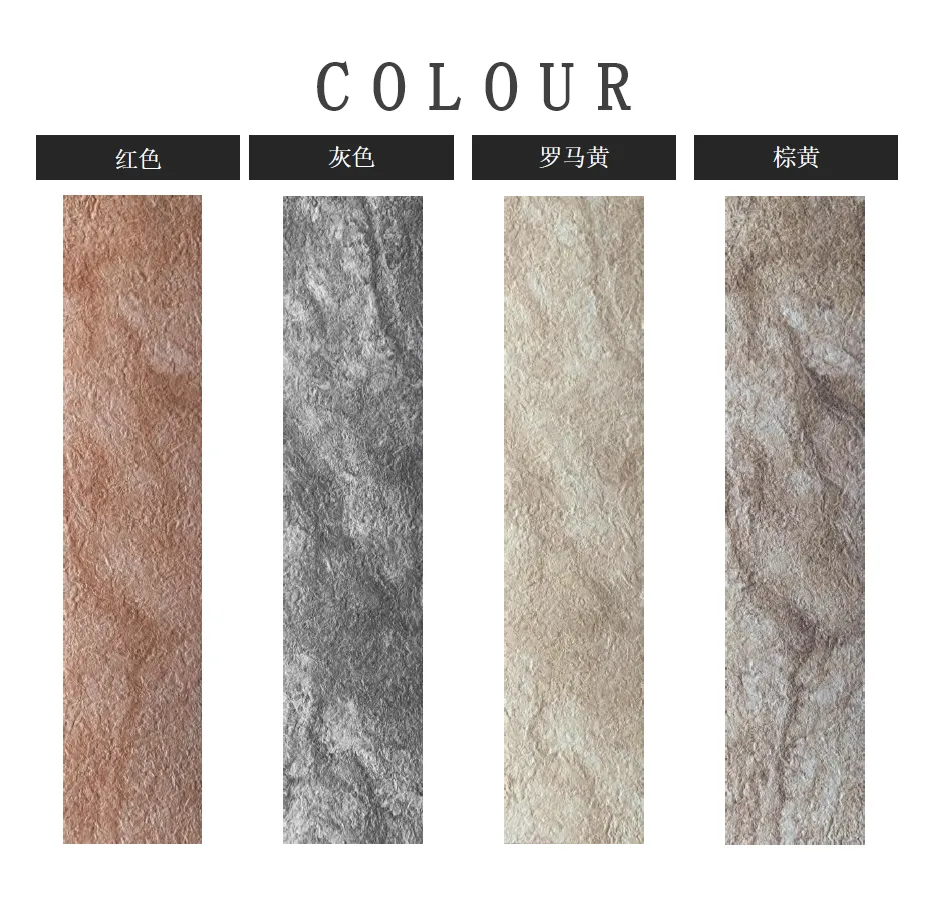
If architecture had a "heritage keeper," it might well be Rock Cut Dolomitic Stone. Formed over millions of years from calcium magnesium carbonate, this stone carries the texture of the earth's own hands. Quarried in regions where ancient seas once retreated—think the rolling hills of northern Italy or the rugged plateaus of the American Southwest—each slab bears the marks of time: subtle pits, irregular ridges, and a color palette that reads like a love letter to nature's neutrals. You'll find it in deep charcoals that echo storm clouds, warm claybanks that feel like sunbaked soil, and soft beiges that blend seamlessly with morning light.
What sets it apart? Its "lived-in" texture. Run a hand over a Rock Cut Dolomitic slab, and you'll feel the friction of a surface that hasn't been polished into submission—small grooves where water once trickled, tiny fossil fragments that hint at its marine origins. It's not about perfection; it's about authenticity. Think of it as the stone equivalent of a well-worn leather jacket: it ages gracefully, gaining character with every scuff and sunbeam.
Natural Marble, by contrast, has long been the darling of luxury. Born from limestone heated and compressed deep within the earth, it's a metamorphic masterpiece—soft, luminous, and draped in veins that look like liquid metal frozen in time. From the pure whites of Carrara to the dramatic blacks of Nero Marquina, marble's color range is a study in contrast: bold yet refined, striking yet serene. Its veining, unique to every slab, tells a story of pressure and heat, a geological ballet that took millennia to choreograph.
To touch marble is to feel coolness, smoothness, a surface so polished it almost hums. It reflects light like no other stone, turning a simple bathroom into a spa retreat or a dining table into a centerpiece that demands attention. But here's the thing: marble wears its heart on its sleeve. It's porous, prone to staining if not sealed, and those iconic veins? They're as delicate as they are beautiful. It's the stone of palaces, yes—but also of homes where beauty is worth a little extra care.
Aesthetics aren't just about "looking good"—they're about evoking emotion. Does a space feel cozy or grand? Timeless or cutting-edge? Rock Cut Dolomitic Stone and Natural Marble each speak a different visual language, and it's in those differences that designers find their voice.
Rock Cut Dolomitic Stone leans into earth's quiet drama. Its palette is rooted in the land: think dolomitic travertine (claybank) with its warm, terracotta undertones, or dolomitic travertine (dark grey) that mirrors storm clouds over a mountain range. There's a groundedness to these hues—they don't shout, but they anchor a room, making it feel connected to the outdoors. Even when it veers into lighter shades, like a soft beige or a misty grey, there's a "lived-in" quality, as if the color has been gently faded by sun and rain over decades.
Marble, on the other hand, is unapologetically luxe. Classic white marble (think Carrara) is crisp, almost ethereal, with veins of grey or gold that look like brushstrokes on a canvas. Then there's marble interstellar gray , a deep, moody shade that feels like looking up at a starry sky, or golden travertine (white golden) , which shimmers with warm highlights. Marble's colors are bold without being brash—they're the kind that make you pause and think, "That's art."
If Rock Cut Dolomitic Stone had a tagline, it might be "rough around the edges, but in the best way." Its surface is often left with a "rock-cut" finish—think small, irregular indentations, or a slightly rough texture that catches the light in a thousand tiny ways. Run your fingers over it, and you'll feel the stone's history: maybe a fossilized shell fragment here, a groove from a quarry tool there. It's tactile, inviting touch, and it adds depth to a space, turning a plain wall into a landscape of texture.
Marble, by contrast, is all about smoothness. Polished to a high sheen, its surface is so reflective it can act like a mirror, bouncing light around a room and making it feel larger, airier. The veining is the star here—swirling, branching, sometimes delicate as spider silk, other times bold as lightning strikes. It's a texture that demands to be seen, not just felt. A marble countertop isn't just a surface; it's a focal point, a conversation starter.
Pair Rock Cut Dolomitic Stone with wood beams and leather furniture, and you've got a cabin retreat that feels like a hug. Use it in a restaurant with exposed brick and Edison bulbs, and suddenly the space has a "farm-to-table" warmth that makes guests linger. It's the stone of historical pathfinders stone —materials that feel like they've been part of the landscape forever.
Marble, though? It's the stone of ballrooms and boutique hotels. A marble fireplace in a living room elevates the space from "nice" to "sophisticated." A marble backsplash in a kitchen turns a utilitarian area into something almost artistic. It's not just about luxury, though—it's about legacy . Marble has been used in architecture for thousands of years, from the Parthenon to modern penthouses, and that longevity gives it a quiet confidence. It says, "This space is built to last—and to be remembered."
Aesthetic love aside, at the end of the day, stone has to perform . Will it stand up to kids, pets, red wine spills, or harsh weather? Let's break down how Rock Cut Dolomitic Stone and Natural Marble stack up in the real world.
| Aspect | Rock Cut Dolomitic Stone | Natural Marble |
|---|---|---|
| Durability | Highly durable. Resistant to scratches, heat, and moisture (when sealed). Ideal for high-traffic areas like entryways or outdoor patios. | Moderate durability. Prone to scratching and staining (especially acidic substances like lemon juice or wine). Best for low-traffic, indoor spaces. |
| Maintenance | Low-maintenance. Seal once every 2–3 years; clean with mild soap and water. Its rough texture hides small scratches well. | High-maintenance. Seal every 6–12 months; avoid harsh cleaners. Stains and scratches are visible and may require professional polishing to fix. |
| Cost | Mid-range. More affordable than high-end marble but pricier than basic tiles. Engineered versions (like mcm big slab board series ) offer budget-friendly options. | High-end. Rare or exotic marbles (like Calacatta or Statuario) can cost 2–3x more than dolomitic stone. Luxury comes with a price tag. |
| Best For | Outdoor spaces (patios, walkways), commercial lobbies, kitchens with kids/pets, rustic or industrial interiors. | Indoor spaces (bathrooms, fireplaces, accent walls), low-traffic kitchens, luxury residential projects, spaces where aesthetics take priority over durability. |
| Sustainability | Often sourced from local quarries; its durability reduces replacement needs. Engineered options like flexible stone minimize waste. | Quarrying can be resource-intensive; transportation from global sources (Italy, Greece) adds to its carbon footprint. Requires careful sealing to prevent water waste from frequent cleaning. |
Let's get real: marble is stunning, but it's not for everyone. A spilled glass of red wine on a white marble countertop? That stain might linger for years, even with sealing. A rogue chair leg scraping across a marble floor? Hello, a visible scratch that breaks the stone's perfect surface.
Rock Cut Dolomitic Stone, though? It's more forgiving. Its porous surface (when sealed) resists stains better, and those small indentations and rough textures? They hide scratches like a pro. I once visited a café that used rock cut stone (dark grey) for their floors—after five years of busy breakfast rushes and kids dropping silverware, the stone looked just as rich and textured as the day it was installed. The owner laughed and said, "It's like a pair of jeans—every scuff makes it cooler."
There's no "better" material here—only the right material for the story you want to tell. Let's break down common scenarios where one might outshine the other.
If your kitchen is a war zone of pancake batter, juice spills, and kids using the counter as a homework desk, Rock Cut Dolomitic Stone is your ally. Its durability and low maintenance mean you can focus on making memories, not stressing over stains. Pair it with wood concrete board (light grey) for a modern-rustic vibe that's as tough as it is stylish.
Marble was practically made for bathrooms. The cool, smooth surface feels luxurious underfoot, and a marble shower wall turns a daily routine into a spa experience. Just be prepared to seal it regularly and skip harsh cleaners. Pro tip: Opt for a darker marble, like marble interstellar gray , to hide water spots and minor stains.
Rain, snow, UV rays—outdoor spaces need a stone that can take a beating. Rock Cut Dolomitic Stone laughs in the face of weather. Its rough texture also provides better traction when wet, making it safer for pool decks or garden paths. I once helped a client design a patio with gobi panel (a type of dolomitic stone) and rust square line stone accents; five winters later, it still looks like it was installed last month.
First impressions matter, and marble delivers "wow" factor like no other. A grand marble floor with sweeping gold veins, paired with a marble pillar or two, sets the tone for opulence. Hotels can afford the high maintenance (daily sealing checks, professional cleanings), and guests? They'll remember that lobby long after check-out.
Designers today aren't just choosing between "old" and "new"—they're blending the best of both. Enter materials like mcm big slab board series and flexible stone , which take the aesthetic of Rock Cut Dolomitic Stone or Marble and give them modern superpowers.
Imagine a stone slab so large (up to 12 feet!) it can cover an entire wall without seams. That's the magic of mcm big slab board series . These are engineered stones, often blending dolomitic stone fragments with resins to create a material that's lighter, more durable, and easier to install than natural stone. They mimic the look of Rock Cut Dolomitic Stone—same earthy colors, same rugged texture—but with added perks: they're fire-resistant, moisture-proof, and even flexible enough to bend around curved walls.
I visited a co-working space last year that used mcm big slab board (vintage black) for their accent wall, paired with foamed aluminium alloy board (vintage silver) for contrast. The result? A space that felt industrial yet warm, with none of the weight or installation headaches of natural stone.
If mcm big slabs are the "workhorses" of modern stone, flexible stone is the "artist." These thin, lightweight sheets of stone can be rolled, curved, or even wrapped around columns—something natural marble or dolomitic stone could never do. They're perfect for statement pieces: a curved fireplace surround, a ceiling accent, or a custom headboard that looks like it's carved from a single piece of stone.
One designer I know used flexible stone (travertine starry blue) to create a feature wall in a home theater. The stone's deep blue hue, dotted with tiny "starry" pits, paired with warm lighting to make the room feel like a night sky indoors. And because it's flexible, they could curve it around the room's odd angles without a single crack.
At the end of the day, choosing between Rock Cut Dolomitic Stone and Natural Marble isn't just about durability or cost—it's about the story you want your space to tell. Do you want it to whisper of ancient landscapes and cozy gatherings? Go with dolomitic stone. Do you want it to sing of elegance and legacy? Marble is your muse.
And if you can't choose? Mix them. I once saw a home where the kitchen had a rough granite stone (medium grey) countertop (dolomitic-based) for daily use, and a marble backsplash for a pop of luxury. It was the best of both worlds: practicality with a touch of romance.
Stone isn't just a building material—it's a character in the story of your home, your office, your favorite café. It's the quiet backdrop to the moments that matter: morning coffee, laughter with friends, quiet evenings by the fire. So choose wisely. Choose something that feels like you .
After all, the best spaces aren't just built—they're felt.
Recommend Products












