
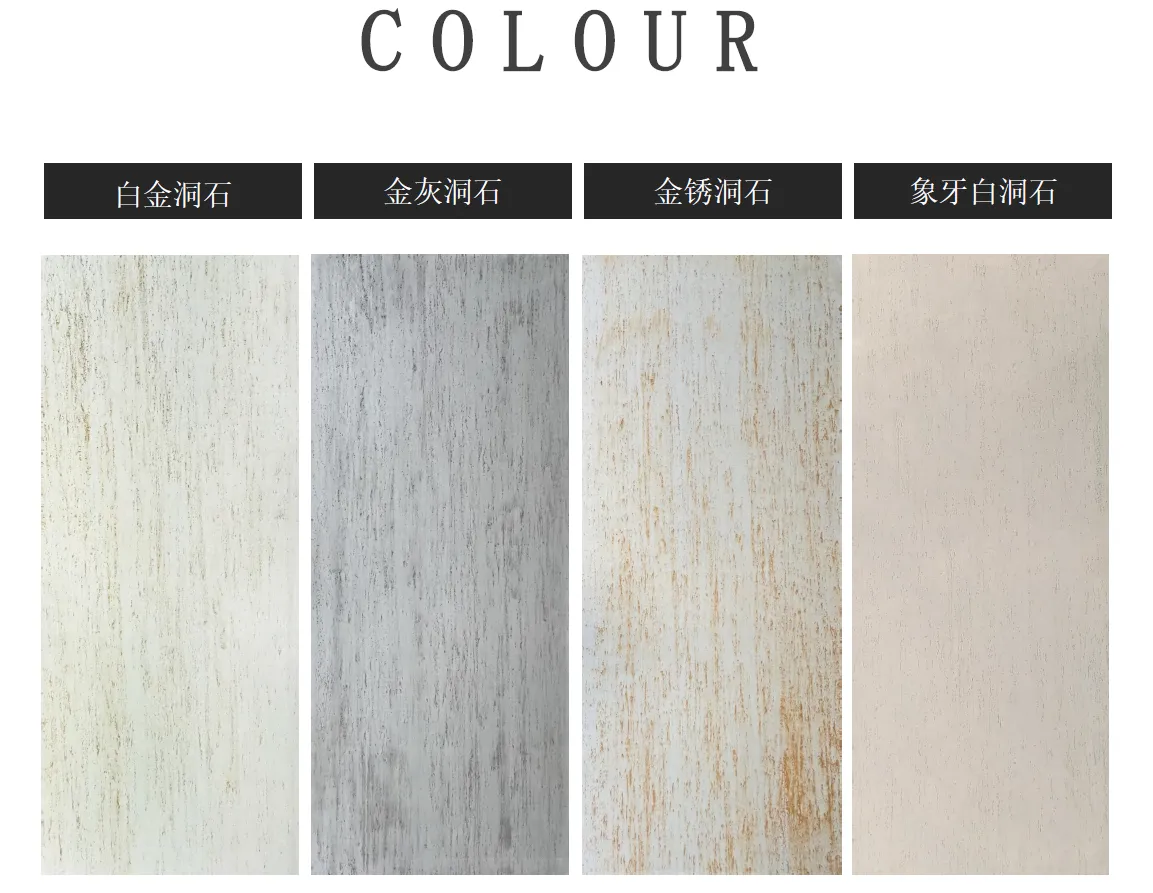
Few materials speak of permanence the way Roman travertine does. For thousands of years, the warm, layered limestone quarried near the Eternal City has carried a quiet sense of heritage across ancient aqueducts, renaissance facades, and modern villas alike. Today, that same timeless character has been brought back to life in a form the Romans never imagined: a Roman huge travertine panel that is lightweight, flexible, and ready for the demands of contemporary construction.
Developed with advanced modified clay material (MCM) technology, this modern reinterpretation keeps the authentic cross-cut veins, soft cream tones, and gentle voids of natural travertine while shedding the weight and fragility of quarried stone. The result is a surface that delivers a grand, uninterrupted stone look at a fraction of the burden.
Natural travertine slabs are treasured for their beauty, yet they are heavy, brittle, and expensive to transport and install. A large-format travertine recreation changes the calculation in several practical ways:
Because of its scale and understated warmth, this travertine recreation is a natural fit for hotel lobbies, luxury apartment entryways, commercial atriums, spa receptions, and the feature walls of high-end retail spaces. Its ivory and cream palette pairs easily with brass, dark timber, and soft lighting, letting architects layer materials without visual noise.
For exterior projects, the same panels bring a dignified, unified envelope to facades that would otherwise rely on dozens of smaller units. The result reads as one continuous, confident surface rather than a patchwork.
The technology behind this material starts with natural mineral pigments blended into a modified clay base, then formed into thin, flexible sheets that reproduce the texture of chosen stone. This is the same family of MCM flexible stone that contractors now turn to for cladding, renovation, and new-build interiors, since it delivers a stone appearance without quarry weight, fragile edges, or heavy logistics.
Compared with full-thickness marble or limestone, flexible panels reduce transport costs, ease cutting on site, and can be worked with conventional tools. They also keep waste modest, which matters to teams managing tight budgets and project timelines.
A successful install begins with a clean, dry, and even substrate. Everyday materials such as concrete, brick, plasterboard, and sound tile are all suitable bases. Use a flexible tile adhesive applied with a notched trowel, and lay out the panels before committing so the joints fall where you want them.
Leave a consistent joint gap and, for exterior work, choose a flexible, frost-resistant grout. Interior walls normally need no sealing; for very high-traffic or outdoor areas, a hydrophobic top coat after curing can add an extra layer of protection. Panels can be trimmed with a sharp blade or standard cutting tools for neat edges.
Projects of this kind live or die by consistency, so working with a dependable supplier matters. COLORIA GROUP, a building materials specialist based in Foshan, China, supplies a broad range of lightweight modified-clay boards, including the Roman huge travertine, flexible stone, big-slab boards, and 3D-printed textures. Backed by ongoing investment in its team and production, the company positions itself as a one-stop source for interior and exterior building solutions.
Before ordering for a project, ask for samples and confirm the exact finished colour and surface texture with your supplier. Aligning expectations at the sample stage avoids costly surprises further down the line, especially for large facades where even subtle tonal shifts become noticeable.
Roman travertine earned its place in history through beauty that outlasted empires. A flexible stone recreation lets today's architects and builders enjoy that same enduring character with far fewer constraints. Whether it crowns a hotel lobby, wraps a retail facade, or brings warmth to a residential feature wall, large-format travertine panels prove that lasting elegance does not have to be heavy.
For guidance on sizing, finishing, and bulk supply, reach out to a specialist supplier with your project details, request samples, and compare how the material performs on the surfaces you have in mind.
Recommend Products












