
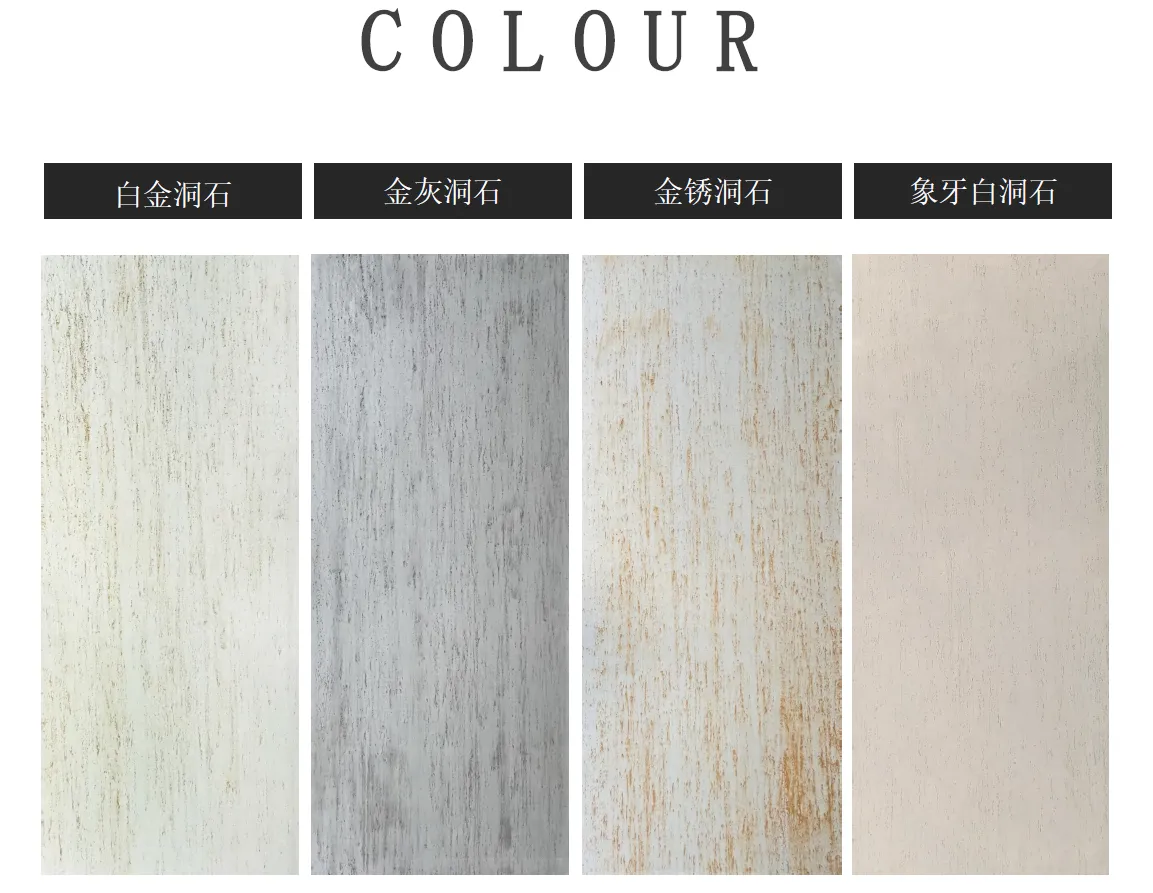
There's something almost magical about aged materials. They carry stories in their pores, whispers of time in every scratch and fade. Walk into a space clad in stone that looks like it's weathered centuries, and you don't just see a wall—you feel a connection to the past. Nowhere is this more evident than in the enduring legacy of Roman architecture, where travertine quarried millennia ago still stands, its surface softened by rain, wind, and the passage of empires. But in our fast-paced modern world, how do we capture that same sense of timelessness without waiting centuries? Enter MCM, a brand redefining the art of aging with techniques that blend ancient wisdom with cutting-edge technology. Today, we're diving into the world of Roman huge travertine and how MCM's innovative methods bring that coveted timeworn look to life in buildings around the globe.
Before we talk about how MCM replicates aged travertine, let's take a moment to appreciate why we're drawn to it in the first place. Aged stone isn't just about aesthetics—it's about authenticity. Natural travertine, formed over thousands of years from mineral-rich hot springs, starts as a dense, creamy stone. But as it's exposed to the elements, something extraordinary happens: rainwater seeps into its porous surface, dissolving and redepositing minerals to create those signature pits and troughs. Sunlight fades its color, while algae and moss add subtle green and brown hues. The result? A surface that's uniquely imperfect, with no two slabs exactly alike. It's this randomness, this evidence of time, that makes aged travertine so captivating.
Nowhere is this more iconic than in Rome. The Colosseum, the Pantheon, the Trevi Fountain—all rely on travertine's durability and beauty. Walk around these structures, and you'll notice how the stone has evolved: some areas are smooth from centuries of footsteps, others pitted from rain, their edges rounded by wind. It's a living record of history, and that's the quality modern designers and homeowners crave. But here's the problem: natural travertine takes decades, even centuries, to develop that character. And quarrying large slabs—like the Roman huge travertine used in grand architectural projects—can be environmentally costly and logistically challenging. That's where MCM steps in, asking: What if we could accelerate time, crafting stone that looks aged from day one, without sacrificing sustainability or performance?
Roman huge travertine, as the name suggests, refers to large-format travertine slabs, often measuring several feet in length and width. Historically, these slabs were prized for their ability to create seamless, imposing surfaces—think the sweeping facades of Roman basilicas or the grand staircases of palaces. But natural huge travertine comes with trade-offs. For one, its weight makes installation tricky; traditional slabs can weigh hundreds of pounds, requiring heavy machinery and reinforced structures. Then there's the inconsistency: even from the same quarry, natural stone varies in color, texture, and porosity, making it hard to achieve a uniform look in large projects. And perhaps most importantly, the aging process is unpredictable. A slab installed today might take 50 years to develop the desired patina, leaving designers and clients waiting for the "perfect" look.
MCM's approach to Roman huge travertine starts with a deep understanding of the stone's natural aging process. Their team of materials scientists and designers spent years studying ancient travertine structures, analyzing how mineral deposits, water flow, and UV exposure affect the stone's surface. They then set out to replicate those processes in a controlled environment, using a blend of modified composite materials—hence the "MCM" in their name, which stands for Modified Composite Material. The result? A product that mimics the look and feel of naturally aged Roman huge travertine, but with the consistency, durability, and lightweight properties modern construction demands.
So, how exactly does MCM make a brand-new slab of stone look like it's been around for centuries? It's a multi-step process that combines art and science, and it all starts with the base material. Unlike natural stone, which is quarried, MCM's Roman huge travertine is crafted using a proprietary blend of minerals, resins, and fibers. This composite is not only lighter than natural travertine—by up to 70%—but also more durable, resistant to cracks, stains, and moisture. But the real magic happens in the surface treatment and aging phases.
One of MCM's key techniques is 3D surface mapping, a nod to their MCM 3D printing series. Using high-resolution scans of naturally aged travertine, their 3D printers etch precise patterns into the composite surface, replicating the pits, grooves, and tool marks that develop over time. It's not just random texture, either; the printers mimic the way water flows over stone, creating channels that follow natural gravity patterns, and the way wind abrades edges, rounding them just so. The result is a surface that looks like it was shaped by the elements, not a machine.
Next comes color development. Natural travertine ages as minerals in the stone react with the environment: iron oxides create rusty reds and oranges, copper deposits add greens and blues, while organic matter contributes earthy browns. MCM replicates this using mineral-based pigments that are infused into the composite during manufacturing. Take travertine (starry green), for example—a stunning variation that mimics the way copper-rich water might stain natural travertine over decades. The "starry" effect comes from tiny, iridescent particles mixed into the pigment, catching light like mineral deposits in real stone. It's a detail that makes the stone feel alive, as if it's still evolving, even though it's brand new.
Another critical step is UV stabilization. Natural stone fades when exposed to sunlight, but MCM's pigments are engineered to mimic that fade—without actually losing color over time. They add subtle variations in hue across the slab, so some areas appear slightly lighter (as if more sun-exposed) and others deeper (like shaded spots), creating the same uneven, lived-in look as natural aging. And for texture, MCM uses a combination of mechanical abrasion and chemical treatments. Some areas are sandblasted to mimic wind erosion, others acid-washed to create pitting, and still others polished to replicate the smoothness of stone worn by water or footsteps. It's a meticulous process, with each slab undergoing up to 12 different treatments to achieve that perfect balance of chaos and order that defines aged stone.
| Material | Natural Aging Process | MCM Aging Technique | Key Advantage |
|---|---|---|---|
| Roman Huge Travertine | Decades of rain, wind, and UV exposure; develops pits, color variation, and patina over time. | 3D surface mapping, mineral pigment infusion, and multi-step texturing to replicate natural aging in weeks. | Lightweight (70% lighter than natural stone), consistent appearance, and ready-to-install "aged" look. |
| MCM Flexible Stone | N/A (natural stone is rigid); flexibility is not a natural trait. | Composite blend with fiber reinforcement, allowing the stone to bend without cracking. | Can be installed on curved surfaces (e.g., arches, columns) without breaking, expanding design possibilities. |
| Travertine (Starry Green) | Copper mineral deposits leach into stone over decades, creating green hues with iridescent flecks. | Controlled infusion of copper-based pigments and iridescent particles during manufacturing. | Vibrant, consistent color with "starry" effect visible from day one; no waiting for mineral leaching. |
| Lunar Peak Silvery | Natural metallic stones (e.g., silver ore) oxidize over time, developing a matte, weathered sheen. | Metallic powder coating with controlled oxidation simulation, creating a silvery finish with subtle tarnish-like accents. | Resistant to actual oxidation; maintains silvery luster without dulling over time. |
| Fair-Faced Concrete | Concrete ages by developing a chalky patina and hairline cracks as it carbonates over time. | Surface seeding with mineral aggregates and controlled curing to replicate that patina, adding subtle color variations. | Durable, low-maintenance, and achieves the "raw" concrete look without vulnerability to water damage. |
While Roman huge travertine is the star of the show, MCM's aging techniques extend to a range of complementary materials, each designed to work in harmony with the stone. Take MCM flexible stone, for example. Traditional stone is rigid, making it impossible to clad curved surfaces like arches or columns without cutting it into small, unsightly pieces. MCM flexible stone solves that problem by adding fiber reinforcement to their composite mix, allowing the material to bend up to 90 degrees without cracking. A modern home with a curved fireplace surround clad in MCM flexible stone feels organic, the material following the space's natural lines, its surface treated to look like weathered stone from a European village.
Then there's lunar peak silvery, a metallic-infused material that adds a touch of modern elegance to aged stone designs. With a silvery sheen that evokes moonlight reflecting off ancient marble, lunar peak silvery pairs beautifully with Roman huge travertine. MCM ages this material by simulating the tarnishing process of real silver: their surface treatment creates subtle dark accents along the edges and in recessed areas, mimicking the way silver oxidizes over time. The result is a material that feels both contemporary and timeless, perfect for adding contrast to travertine's earthy tones.
And let's not forget fair-faced concrete, a staple of modern architecture that MCM has reimagined with an aged twist. Natural fair-faced concrete—concrete left exposed, without paint or cladding—ages by developing a chalky patina and hairline cracks as it carbonates over time. MCM's version uses a blend of fine aggregates and controlled curing to replicate that patina, adding subtle color variations and "crackle" patterns that make the concrete look like it's been part of the landscape for decades. When paired with Roman huge travertine, fair-faced concrete creates a striking contrast: the warm, organic texture of the stone against the cool, industrial feel of the concrete, both sharing that coveted "lived-in" quality.
So, where can you find MCM's aged materials in action? The answer is everywhere, from cozy residential spaces to sprawling commercial complexes. Let's start with residential design. A kitchen backsplash clad in travertine (starry green) becomes a focal point, its surface pitted and veined to look like it was salvaged from an old Roman villa. The green hues catch the light, adding warmth to the space, while the texture invites touch—running a hand over it, you'd feel the same slight irregularities as you would on natural stone. A living room feature wall made of Roman huge travertine, its large format creating a sense of grandeur, its edges rounded to mimic wind erosion, paired with lunar peak silvery accents on the fireplace and fair-faced concrete floors, feels both ancient and modern, a space that tells a story without saying a word.
Commercial projects are another area where MCM's aged materials shine. Restaurants, hotels, and boutique shops often use these materials to create immersive environments. A high-end café might use MCM flexible stone to line its curved walls, the material bending to follow the space's organic shape, its surface treated to look like weathered stone from a European village. A boutique hotel lobby could feature a sweeping staircase clad in Roman huge travertine, its steps textured to mimic the wear of centuries of footsteps, while the walls are accented with lunar peak silvery panels that catch the light, creating a sense of drama. Even heritage restoration projects benefit: MCM's materials can be used to repair or replicate aged stone on historic buildings, matching the existing patina perfectly without damaging original structures.
One particularly striking example is a recent museum project in Italy, where architects wanted to evoke the feel of a Roman ruin while creating a modern, functional space. They used MCM's Roman huge travertine for the exterior cladding, choosing a color palette that matched the nearby ancient ruins. The slabs were installed with subtle gaps, mimicking the way natural stone settles over time, and their surfaces were treated to replicate the effects of local weather patterns—more pitting on the north-facing walls (exposed to rain), smoother textures on the south-facing side (sun-warmed and wind-worn). Inside, the museum features travertine (starry green) display walls, their starry flecks echoing the night sky over ancient Rome, and fair-faced concrete floors that look like they've been trodden by visitors for centuries. The result? A space that feels both timeless and contemporary, honoring the past while embracing the future.
Aesthetics aside, MCM's aged materials offer a host of practical benefits that make them a smart choice for modern construction. First and foremost is durability. Natural stone, while strong, is porous and prone to staining, chipping, and water damage. MCM's modified composite materials, on the other hand, are engineered to resist moisture, UV rays, and impact. Their Roman huge travertine, for example, has a low water absorption rate (less than 0.5%, compared to natural travertine's 2-5%), making it ideal for wet environments like bathrooms or outdoor patios. And because the aging is built into the material during manufacturing, it won't fade or wear unevenly over time—what you see on day one is what you'll get for decades.
Sustainability is another key advantage. Quarrying natural stone is resource-intensive, often requiring the removal of large amounts of earth and the use of heavy machinery. MCM's materials, by contrast, are made from recycled minerals and plant-based resins, reducing their environmental footprint. They're also lightweight, which means less fuel is needed for transportation, and their installation requires fewer materials (like mortar and reinforcement), cutting down on waste. Plus, because MCM's products are consistent, there's less material waste on job sites—no more discarding slabs that don't match the desired color or texture.
Then there's versatility. MCM's materials come in a wide range of formats, from large slabs to thin panels, flexible sheets, and even custom shapes. This means they can be used in places natural stone can't: curved walls, ceilings, furniture, and more. A dining table top made of Roman huge travertine, its surface aged to perfection, but lightweight enough to move without a team of movers, becomes a conversation piece. A headboard clad in travertine (starry green), the material cut to fit the bed's unique shape, adds a touch of luxury to the bedroom. The possibilities are endless, limited only by the designer's imagination.
As we look to the future, it's clear that the demand for aged materials will only grow. In a world that often feels fast-paced and disposable, there's a deep human desire to connect with things that feel timeless, authentic, and built to last. MCM's approach to Roman huge travertine and other aged materials taps into that desire, offering a bridge between the past and the present. By combining ancient knowledge of stone aging with modern materials science and technology, they're not just replicating history—they're reimagining it, creating materials that honor tradition while meeting the needs of today's world.
What's next for MCM? The team is already exploring new aging techniques, including AI-driven surface mapping that can replicate the aging patterns of specific historic sites—imagine a wall clad in stone that looks exactly like the travertine from the Colosseum's east facade, or the Pantheon's portico. They're also experimenting with more sustainable materials, aiming to reduce their carbon footprint even further while enhancing performance. And as 3D printing technology advances, we may see even more intricate textures and custom designs, allowing architects to create truly one-of-a-kind aged surfaces.
At the end of the day, MCM's work is about more than just creating stone that looks old. It's about creating spaces that feel meaningful—spaces that tell stories, evoke emotion, and connect us to something larger than ourselves. Whether it's a kitchen backsplash, a hotel lobby, or a museum wall, their aged materials invite us to slow down, to touch, to wonder. And in a world that's always rushing forward, that's a gift worth celebrating. So the next time you find yourself in a room clad in Roman huge travertine, take a moment to appreciate the craftsmanship—not just of the installers, but of the scientists and designers who learned to bend time, turning a brand-new material into a timeless treasure.
Recommend Products












