
Bridging Ancient Craftsmanship with Modern Sustainability
Walk through the streets of Rome, and you'll feel it—the weight of history in every stone. The Colosseum's weathered arches, the Pantheon's towering dome, the sun-warmed steps of ancient forums—much of this grandeur owes its longevity to travertine. A natural stone formed by mineral-rich springs, travertine has been a building block of civilizations for millennia, prized for its durability, unique texture, and soft, earthy hues. But what if we told you this ancient material is being reimagined for the 21st century? Enter MCM's Roman Huge Travertine—a modern tribute to tradition, designed not just to honor the past, but to solve the pressing challenges of today's buildings: energy efficiency, adaptability, and soul.
For centuries, travertine's role was simple: to stand strong. Today, as we grapple with rising energy costs and climate concerns, buildings need to do more. They need to breathe, to insulate, to reduce our carbon footprint without sacrificing beauty. MCM's innovation lies in this balance—taking the timeless appeal of travertine and infusing it with cutting-edge technology to create materials that don't just look good, but do good, too. It's a story of respect—for the craft of old, and for the planet we call home.
MCM doesn't just manufacture materials—they craft experiences. At the heart of their philosophy is a belief that buildings are more than structures; they're backdrops to our lives. That's why their product lines, from the MCM Flexible Stone to the Lunar Peak series, are designed with both aesthetics and function in mind. Take MCM Flexible Stone, for example. Unlike traditional rigid stone slabs, this material bends and adapts, allowing architects to dream up curved facades, organic shapes, and dynamic designs that were once impossible. It's stone with a "human touch"—malleable, yet tough enough to withstand the elements.
But flexibility is just the start. What truly sets MCM apart is their focus on thermal insulation—a feature that turns ordinary buildings into energy-efficient havens. In a world where heating and cooling account for nearly 50% of a home's energy use, the materials we choose for walls, facades, and interiors play a critical role. MCM's products, including their Foamed Aluminium Alloy Board (Vintage Silver) and Fair-Faced Concrete, are engineered to slow heat transfer, keeping interiors cool in summer and warm in winter. It's not just about saving money on utility bills (though that's a nice perk); it's about creating spaces that feel comfortable, consistent, and alive—spaces where you don't shiver by the window in January or sweat through the afternoon in July.
Thermal insulation might sound technical, but at its core, it's about one simple thing: balance. Heat naturally flows from warm areas to cold ones, and without proper insulation, buildings lose that heat (or gain unwanted heat) too quickly. MCM's materials combat this through a combination of density, air pockets, and reflective properties. Let's break it down:
The result? Buildings that require less energy to heat and cool, lower carbon footprints, and interiors that feel balanced, not erratic. Imagine coming home after a sweltering day—instead of stepping into a stuffy house that takes hours to cool, you walk into a space that's already comfortable, thanks to the walls themselves working to keep the heat out. That's the power of MCM's thermal insulation.
MCM's lineup is vast, but a few standout products exemplify their commitment to blending beauty and efficiency. Let's take a closer look at some fan favorites, and how they're making waves in architecture and design:
| Product Name | Color Options | Key Insulation Feature | Ideal Application |
|---|---|---|---|
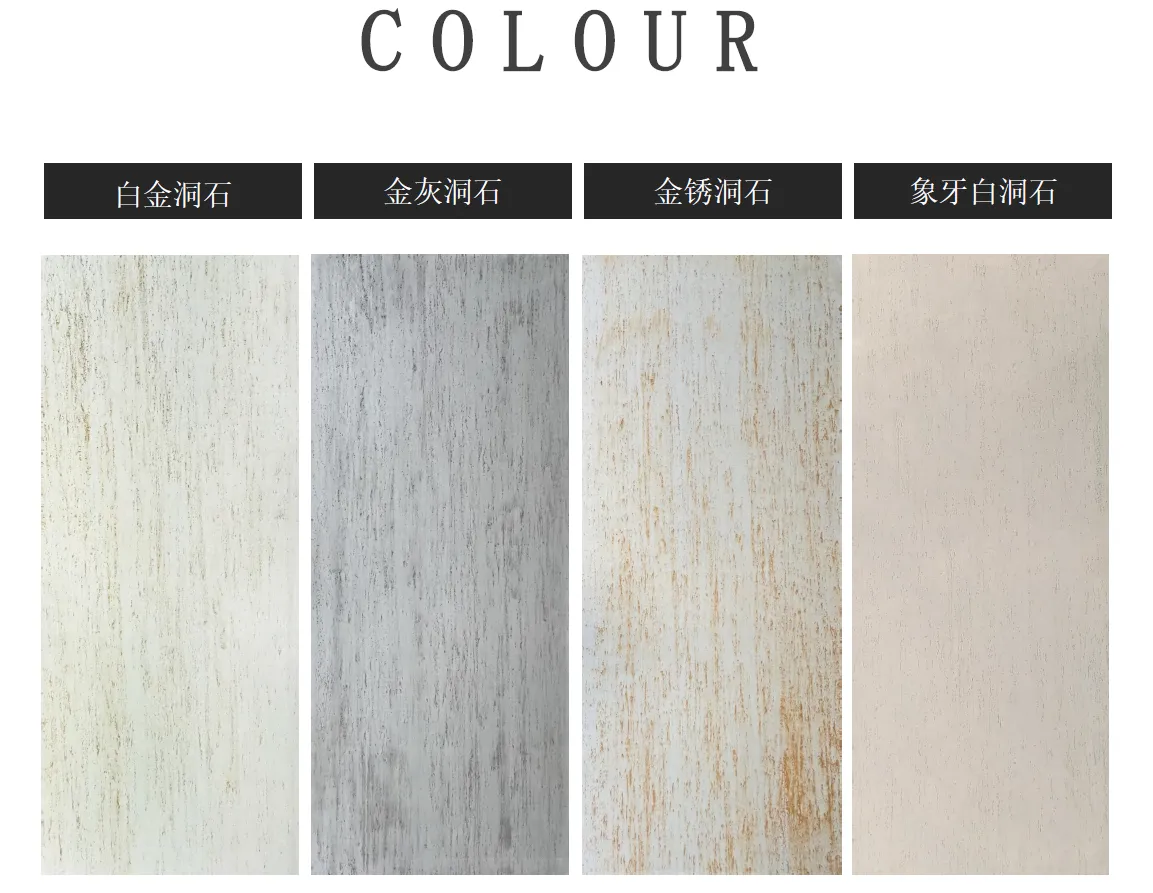
| Roman Huge Travertine | Starry Red, Starry Blue, Vintage Gold | Natural thermal mass; slow heat transfer | Heritage buildings, outdoor patios, feature walls |
| Lunar Peak Silvery | Silvery, Golden, Black | Reflective finish; reduces solar heat gain | Modern facades, commercial buildings, sun-exposed walls |
| Foamed Aluminium Alloy Board (Vintage Silver) | Vintage Silver, Vintage Gold, Gold | Micro-air pockets; lightweight yet insulating | Interior accent walls, ceiling panels, high-rise exteriors |
| Fair-Faced Concrete | Natural gray, custom pigments | Dense structure; excellent thermal retention | Industrial-chic homes, warehouses, art galleries |
MCM's Roman Huge Travertine isn't just a replica of the stone used in ancient Rome—it's an evolution. Quarried from the same regions that supplied the Colosseum, this travertine is cut into larger, more uniform slabs, making it easier to install while preserving the natural pits, veins, and warm tones that make the stone so beloved. What truly sets it apart, though, is its enhanced thermal performance. By optimizing the density of the stone and treating its surface to reduce water absorption, MCM has turned this historical material into a modern insulator. Imagine a countryside villa clad in Roman Huge Travertine: in winter, the stone absorbs the weak sunlight and radiates warmth into the living room; in summer, it stays cool to the touch, keeping the interior refreshingly mild. It's history you can live in—literally.
If Roman Huge Travertine is the storyteller, Lunar Peak Silvery is the futurist. With its smooth, metallic finish that shimmers like moonlight on water, this material is a favorite among architects aiming for a contemporary look. But its beauty isn't skin-deep. The silvery coating reflects up to 70% of solar radiation, meaning less heat penetrates the building in hot weather. In Dubai, where summer temperatures often hit 45°C (113°F), a hotel using Lunar Peak Silvery on its facade reported a 25% reduction in air conditioning costs. Guests noticed the difference too—rooms stayed cooler, and the building itself felt less like a heat magnet and more like a serene oasis. It's proof that sustainability and style don't have to be enemies; in fact, they can dance together.
Aluminum is known for being lightweight, but MCM's Foamed Aluminium Alloy Board takes it a step further. By injecting air into the alloy during production, they create a material that's 70% lighter than solid aluminum yet just as strong. Those tiny air bubbles? They're insulation superstars. In a recent project, a restaurant in Tokyo used Vintage Silver panels for its ceiling, and the result was striking: the space stayed 5-7°C cooler than neighboring eateries during summer, even with large windows letting in sunlight. Diners lingered longer, and the kitchen staff reported feeling less fatigued in the heat. It's a small change—swapping traditional ceiling tiles for MCM's aluminum panels—but it transformed the entire dining experience.
At the end of the day, buildings are for people. They're where we wake up, work, learn, and connect. So when we talk about thermal insulation and sustainable materials, we're really talking about improving lives. Let's meet Maria, a teacher at a primary school in Barcelona. Last year, her school's old brick walls were replaced with MCM's Fair-Faced Concrete and Roman Huge Travertine. "Before, the classrooms were freezing in winter—kids would huddle in coats, and it was hard to focus," she says. "Now? Even on the coldest days, the rooms stay warm. The kids take off their jackets, sit up straighter, and participate more. It's like the building itself is helping them learn."
Then there's Raj, a homeowner in Phoenix who renovated his house with Lunar Peak Silvery and Foamed Aluminium Alloy Board (Vintage Gold). "Our electricity bill used to be through the roof—$400 a month in summer, just to keep the AC running," he laughs. "Now? It's down to $180. But the best part? I don't dread coming home anymore. The house feels calm, not like a battle against the heat. My wife even planted a garden—she says the walls keep the patio cool enough for tomatoes to grow!"
These stories aren't anomalies. They're the result of MCM's mission: to create materials that don't just build structures, but nurture communities. When a building is energy-efficient, it's quieter (less reliance on loud AC units), healthier (stable temperatures reduce mold growth), and more affordable to maintain. It becomes a place where people thrive—not just exist.
As we face the challenges of climate change and urbanization, the materials we choose for our buildings will only grow more important. MCM's approach—rooted in respect for tradition, driven by innovation, and centered on people—points the way forward. Roman Huge Travertine reminds us that the past has wisdom to offer; Lunar Peak Silvery and Foamed Aluminium Alloy Board show us that the future can be bright, efficient, and beautiful. Together, they form a bridge between what was and what can be.
So the next time you walk past a building with a striking stone facade, a shimmering metallic accent, or a smooth concrete wall, take a moment to wonder: what story is that material telling? Chances are, if it's MCM, it's a story of balance—of old and new, of beauty and purpose, of buildings that don't just stand tall, but stand with us.
Recommend Products












