
Imagine standing in a sunlit courtyard, your hand brushing over the warm, pitted surface of a travertine wall. The stone shimmers with subtle veins, each groove telling a story of ancient seas and geological time. It's no wonder architects and homeowners alike have been drawn to travertine for centuries—its natural beauty feels almost alive. But then, a summer rainstorm hits. By morning, dark water spots have bloomed across the surface, and you notice a coffee stain from last week's breakfast lingers, stubborn as a memory. This is the paradox of travertine: a material so beloved for its character, yet so vulnerable to the very element that sustains life—water. Enter MCM, a brand that's reimagining this age-old stone with a modern twist: sealed surface technology that lets you have the beauty without the worry.
To talk about travertine is to talk about legacy. Walk through Rome, and you're treading on history—literally. The Colosseum, the Pantheon, the Trevi Fountain—all owe their grandeur to travertine, quarried from the Tiber Valley and shaped by master craftsmen. What made (and still makes) this stone so iconic? Its unique formation: layers of calcium carbonate deposited by mineral-rich hot springs, creating a porous, honeycombed structure that's as strong as it is stunning. Each slab is one-of-a-kind, with bubbles, veins, and color variations that no machine can replicate.
Fast forward to today, and "Roman huge travertine" isn't just a nod to the past—it's a demand. Homeowners want that same timeless elegance in their kitchens, bathrooms, and outdoor patios. Architects specify it for commercial spaces, craving that blend of rustic warmth and sophistication. But here's the catch: the very porosity that gives travertine its charm is also its Achilles' heel. Those tiny pores act like a sponge, soaking up water, oil, and stains, turning a dream material into a maintenance nightmare.
Let's get technical for a second—without the jargon. Travertine is what geologists call a "sedimentary rock," formed by the slow accumulation of minerals. This process leaves behind thousands of micro-pores, small enough to be invisible to the naked eye but large enough to trap liquids. Think of it like a slice of bread: pour water on it, and it seeps right in. Now, if that water is clean rain, maybe it dries without a trace. But add coffee, wine, or even hard water minerals? Suddenly, you've got a stain that won't budge.
Worse, in colder climates, trapped water freezes and expands, cracking the stone from the inside out. In humid areas, moisture can breed mold or mildew, turning those beautiful pores into a breeding ground for bacteria. And let's not forget maintenance: traditional travertine needs regular sealing—sometimes every 6 months—to stay protected. Miss a session, and you're back to square one: a surface that looks dull, stained, and far from the "Roman grandeur" you paid for.
Fun Fact: The word "travertine" comes from the Italian "travertino," which traces back to the Latin "tiburtinus"—a reference to Tibur (modern-day Tivoli), a town near Rome famous for its travertine quarries. Even the ancient Romans knew this stone was special… they just didn't have modern science to fix its flaws.
MCM isn't here to replace travertine—it's here to save it. For over a decade, the brand has been pioneering "flexible stone" technology, reimagining natural materials to be more durable, versatile, and user-friendly. Their secret weapon? A proprietary sealed surface technology that addresses travertine's porosity without sacrificing its natural beauty. Think of it as giving the stone a shield—one that keeps water out but lets the stone "breathe," preserving its unique texture and character.
At the heart of MCM's innovation is their MCM big slab board series , which includes the much-loved Roman huge travertine line. These aren't your average stone slabs; they're engineered to be lighter, more flexible (hello, curved walls!), and—most importantly—highly resistant to water. How? Let's peek under the hood.
MCM's sealed surface isn't just a coat of sealant you can buy at the hardware store. It's a multi-step process that starts with selecting the finest travertine raw materials—including rare variants like travertine (starry green) and travertine (vintage gold) —and then infusing them with a nano-ceramic sealant. This sealant penetrates the stone's pores at a microscopic level, bonding with the mineral structure to create a barrier that's both water-tight and breathable.
Here's why that matters: traditional sealants form a top layer that can crack or wear off over time, trapping moisture underneath. MCM's sealant becomes part of the stone itself, flexing with it as temperatures change and allowing vapor to escape (so no mold or mildew). The result? A surface that repels liquids on contact. Spill coffee? Wipe it up with a cloth, no stain left behind. Get caught in the rain? The water beads up and rolls off, leaving the stone looking as fresh as it did on installation day.
But MCM didn't stop at sealing. Their travertine slabs are also reinforced with a flexible backing, making them easier to install on uneven surfaces and less prone to cracking. This "flexible stone" technology means you can use Roman huge travertine in places traditional stone would fear to tread: shower walls, pool surrounds, even outdoor kitchens. Suddenly, that dream of a travertine bathroom isn't just a luxury—it's a practical choice.
MCM's travertine lineup isn't a one-size-fits-all affair. They've taken the classic Roman huge travertine and expanded it into a range of styles, each with its own personality. Let's meet a few standouts:
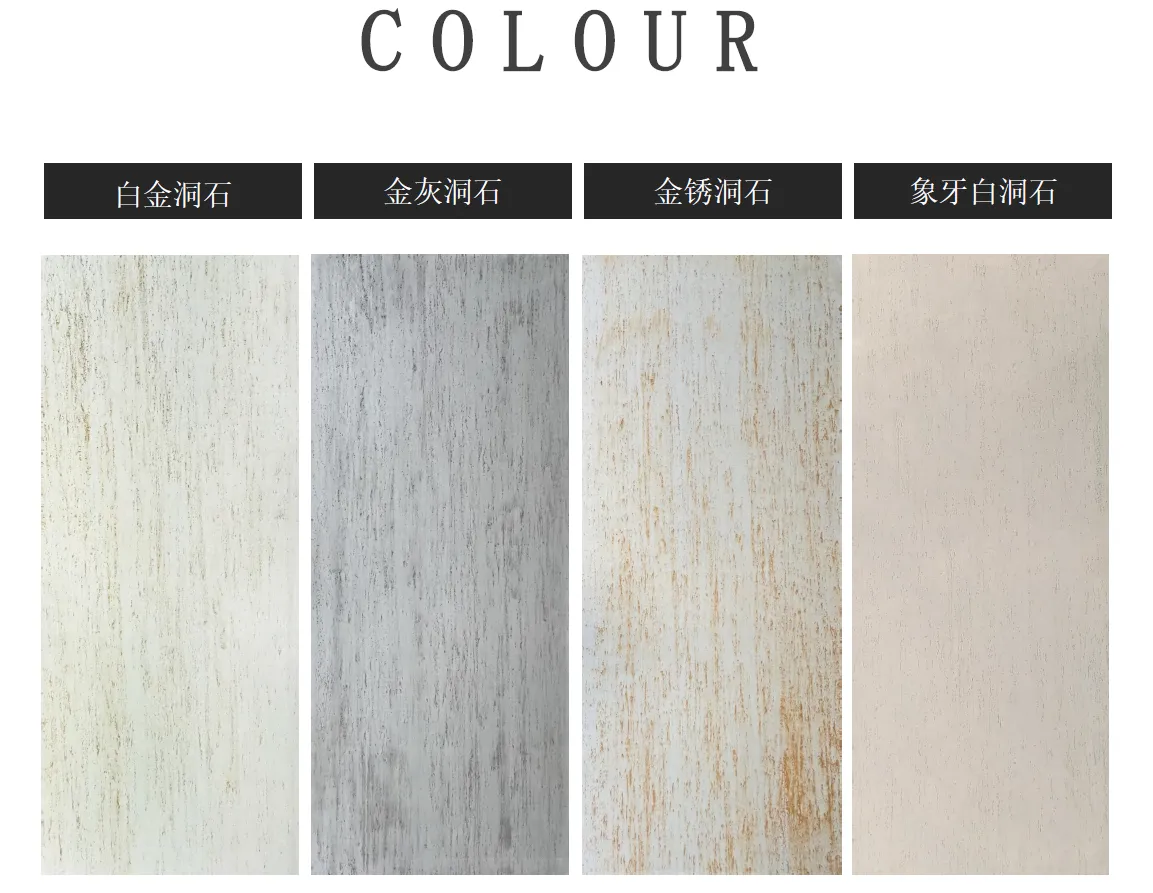
Roman Huge Travertine (Vintage Gold)
This is travertine with a golden glow, inspired by the warm hues of sunset over the Colosseum. The sealed surface enhances the stone's natural veining, making each slab look like it's been kissed by sunlight. Perfect for living rooms or entryways where you want to make a statement—without worrying about muddy boots or spilled juice boxes.
Travertine (Starry Green)
For something a little more whimsical, there's travertine (starry green) . This variant features subtle green undertones and tiny, shimmering flecks that catch the light like stars in a forest canopy. It's a modern twist on traditional travertine, ideal for accent walls or kitchen backsplashes where you want to add a pop of nature-inspired color—with the same water-resistant protection.
MCM Flexible Stone: The All-Rounder
Not all projects call for huge slabs, and MCM gets that. Their MCM flexible stone sheets are thin, lightweight, and easy to cut, making them perfect for DIYers or intricate designs. Imagine using flexible travertine to clad a curved fireplace or line a bookshelf—all with the same sealed surface protection. It's travertine, but adaptable to your vision.
Still on the fence? Let's break down the differences between traditional travertine and MCM's sealed surface version. Spoiler: it's not even close.
| Feature | Traditional Travertine | MCM Sealed Surface Travertine |
|---|---|---|
| Water Absorption Rate | High (up to 3-5% of its weight) | Low (less than 0.1%) |
| Stain Resistance | Poor (coffee, wine, oil stains set quickly) | Excellent (liquids bead up; stains wipe away) |
| Maintenance | High (seal every 6-12 months) | Low (seal once every 5-7 years) |
| Freeze-Thaw Durability | Poor (prone to cracking in cold climates) | Excellent (resistant to temperature fluctuations) |
| Installation Flexibility | Limited (heavy, rigid slabs) | High (lightweight, flexible options for curves/uneven surfaces) |
| Aesthetic Retention | Fades over time (dulling, staining) | Long-lasting (sealed surface preserves color and texture) |
MCM's sealed surface technology isn't limited to travertine. They've extended it to other popular materials, creating a whole ecosystem of water-resistant building products. For example, their foamed aluminium alloy board (vintage gold) pairs beautifully with travertine, adding a metallic accent to outdoor spaces without rusting or corroding. Fair-faced concrete , another MCM staple, gets the same sealed treatment—so you can have that industrial-chic look without worrying about water damage or dust.
Even their bamboo mat board and wood grain board feature water-resistant coatings, proving that MCM believes no material should be held back by its natural limitations. It's this holistic approach that makes them a favorite among architects: why choose between beauty and durability when you can have both?
Don't just take our word for it—let's hear from people who've made the switch. Take Sarah, a homeowner in Seattle (read: rainy city) who installed MCM's Roman huge travertine in her outdoor patio. "I was obsessed with travertine, but everyone told me it was a bad idea in Seattle's rain," she says. "Two years later, my patio still looks brand new. We host barbecues, kids run around with muddy shoes, and I've never had a single stain. The sealed surface was a game-changer."
Then there's Marco, an architect in Miami who used travertine (starry green) in a luxury hotel lobby. "Miami's humidity is brutal for natural stone," he explains. "But with MCM's sealant, we didn't have to sacrifice the tropical vibe we wanted. The lobby gets tons of foot traffic, and the travertine still shines—no mold, no mildew, just that beautiful, starry texture."
Travertine has been captivating us for millennia, and for good reason. Its natural beauty is a reminder of the earth's artistry, a link between ancient history and modern design. But in a world where we demand both form and function, traditional travertine often falls short—until now.
MCM's sealed surface technology doesn't just protect travertine; it elevates it. It lets us enjoy the stone's unique texture, color, and character without the stress of stains, cracks, or endless maintenance. Whether you're dreaming of a Roman-inspired courtyard, a sleek bathroom, or a durable outdoor space, MCM's Roman huge travertine and flexible stone collections prove that some traditions are worth preserving—especially when they're reimagined for the better.
So go ahead: fall in love with travertine again. This time, it's built to last.
Recommend Products












