
Walk into any modern architectural showcase these days, and you'll notice a quiet revolution unfolding. It's not just about glass skyscrapers or minimalist lines anymore—though those are still lovely. Today, the most talked-about buildings are the ones that whisper, "I care about tomorrow." Green buildings, as they're called, aren't just a trend; they're a promise to our planet, blending beauty with responsibility. And at the heart of this movement? Materials that don't just look good, but do good, too. Enter Roman huge travertine—a stone with roots in ancient history, reimagined for the sustainable future—and MCM, the brand bringing it (and so much more) to life in ways that make both architects and eco-warriors smile.
Let's start with the star of the show: Roman huge travertine. Picture the Colosseum's weathered arches, the Pantheon's grand dome, or the steps of ancient Roman forums—those warm, honeyed tones, the unique veining that looks like nature's own artwork, the way the stone seems to glow when sunlight hits it. That's travertine. For centuries, it's been the go-to for builders who wanted structures that would outlast empires. And here's the kicker: that durability? It's not just good for longevity—it's great for sustainability, too.
Roman huge travertine, as MCM crafts it, takes that ancient legacy and amplifies it for today's needs. "Huge" here isn't just a brag about size (though these slabs can be impressively large); it's a nod to efficiency. Larger slabs mean fewer cuts, fewer joints, and less waste during installation. Think about it: if you're covering a wall or floor with small tiles, you end up with lots of scraps. With huge travertine slabs? You're using almost every inch of the stone, which means less material ends up in landfills. That's a win for the planet right off the bat.
But it's not just about waste reduction. Travertine, by nature, is a low-maintenance material. Unlike synthetic options that fade, crack, or require harsh chemicals to clean, travertine ages gracefully. A quick sweep, a gentle wash with water—no toxic cleaners needed. That means better indoor air quality (no fumes from harsh detergents) and fewer resources spent on upkeep over the years. And since it's a natural stone, it's also recyclable. When a building eventually reaches the end of its life, that travertine can be crushed and reused as aggregate or landscaping stone. No single-use plastics here—just stone, doing what stone does best: lasting.
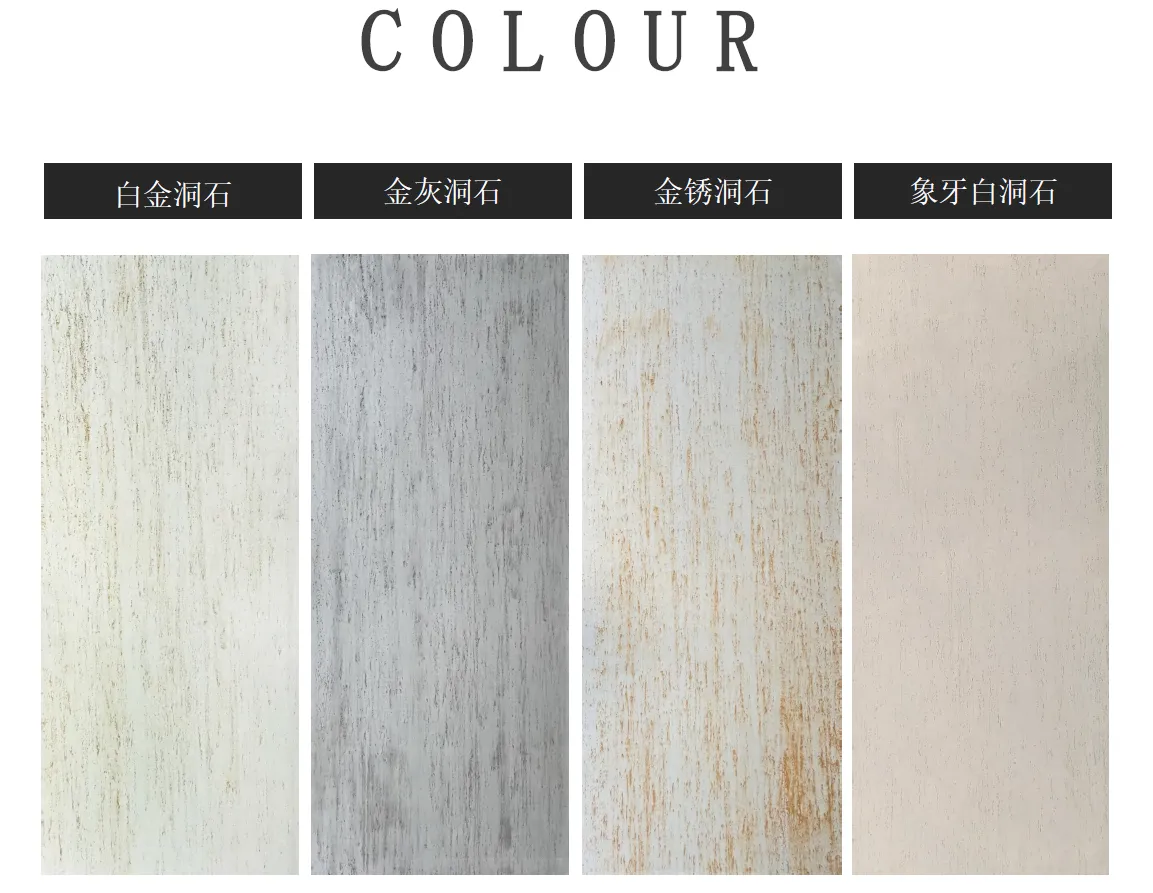
And let's not forget aesthetics. Sustainability shouldn't mean sacrificing beauty, and Roman huge travertine gets that. Whether it's the soft beige of classic travertine, the starry sparkle of travertine (starry green) that looks like someone sprinkled stardust into the stone, or the vintage silver/gold/black finishes that add a modern edge, this material turns walls, floors, and facades into statement pieces. It's the kind of stone that makes people stop and say, "Wow, what is that?"—and then feel even better when they hear it's eco-friendly.
MCM doesn't just stop at travertine, though. What makes this brand stand out is how they've built a family of materials that work together to make green building feel less like a chore and more like a creative adventure. Take MCM flexible stone , for example. Traditional stone is heavy, rigid, and tricky to install on curved surfaces or in tight spaces. MCM's flexible stone? It bends. Literally. Imagine wrapping a column in travertine without chipping, or covering a curved accent wall with the same material as your floors—seamless, beautiful, and way easier to work with.
Why does flexibility matter for sustainability? Think about transportation. Rigid stone slabs are heavy, which means more fuel burned to ship them. MCM flexible stone is lighter, so trucks can carry more material with fewer trips. Less fuel = lower carbon emissions. Plus, because it's flexible, there's less breakage during installation—again, reducing waste. It's a small detail, but those small details add up when you're building on a large scale.
Then there's the MCM big slab board series . If Roman huge travertine is the "grand entrance" of sustainable materials, big slabs are the reliable workhorse. These aren't just any slabs—they're engineered to be strong, lightweight, and versatile. Whether you're cladding a high-rise, flooring a mall, or creating a feature wall in a home, these slabs deliver consistency in color and texture, which means less time sorting through materials and more time building. And because they're big, they cover more area with fewer seams, which isn't just visually appealing—it also reduces the need for grout (which can harbor mold or require replacement over time). Less grout = less maintenance, less waste, and a cleaner, more durable finish.
If you're in the building industry, you've probably heard of LEED—Leadership in Energy and Environmental Design. It's the gold standard for green building certification, and for good reason. LEED looks at every aspect of a building, from how much energy it uses to how much waste it produces, and awards points for sustainable choices. The more points, the higher the certification (Certified, Silver, Gold, Platinum). And MCM's products? They're like LEED point magnets.
Let's break it down. Take Roman huge travertine and the big slab series: both contribute to Materials and Resources (MR) Credits . For example, MR Credit 2: Construction Waste Management. Because these materials produce less waste during installation, builders can divert more than 50% of construction debris from landfills—an easy point there. Then there's Indoor Environmental Quality (EQ) Credits . Since travertine and MCM flexible stone don't off-gas volatile organic compounds (VOCs), they help meet EQ Credit 1: Indoor Air Quality, ensuring the air inside the building is healthy for occupants.
Foamed aluminium alloy board (vintage silver) is another star here. Lightweight but tough, this material is a champion for Energy and Atmosphere (EA) Credits . Its foam structure acts as a natural insulator, keeping buildings cooler in summer and warmer in winter. That means less reliance on heating and cooling systems, which cuts down on energy use and greenhouse gas emissions. Plus, aluminium is 100% recyclable—so even at the end of the building's life, that board can be melted down and made into something new. No waste, just circularity.
What's great about MCM is that they don't box you into one "sustainable" look. Whether you're going for ancient grandeur (Roman travertine), modern minimalism ( lunar peak silvery ), or something in between, there's a material that fits. Take MCM flexible stone in travertine (starry blue) —it's like having a night sky on your wall, but without the environmental cost of synthetic wallpaper. Or lunar peak golden , which adds a touch of luxury to any space without the heavy carbon footprint of traditional gold leaf.
Even the smaller details matter. Wood grain board , for instance, mimics the look of real wood but without cutting down trees. It's made from recycled materials and MCM's signature flexible stone technology, so it's durable, water-resistant, and perfect for spaces where real wood might warp or rot (like bathrooms or outdoor patios). It's the kind of material that makes you do a double-take: "Is that… wood?" And when you learn it's actually stone-based and sustainable? That's the MCM magic.
At the end of the day, green building materials aren't just about checking boxes for LEED certifications (though that's a nice perk). They're about creating spaces that make people feel good—about where they live, work, and play. A classroom with travertine floors that don't off-gas? Kids can focus better. A office with foamed aluminium walls that keep the temperature steady? Employees stay productive, even on sweltering days. A home with MCM flexible stone countertops? Parents don't have to stress about stains or harsh cleaners.
For builders and architects, it's about peace of mind. MCM's materials are consistent—no surprises with color or quality—and easy to install, which saves time and labor costs. And for property owners? The long-term savings are real. Lower energy bills, fewer repairs, higher resale value (since green buildings are in high demand). It's an investment that pays off for both your wallet and the planet.
| Product | Sustainability Highlight | LEED Credits It Supports | Best For |
|---|---|---|---|
| Roman Huge Travertine | Natural, recyclable, low-waste installation | MR Credit 2 (Waste Management), EQ Credit 1 (Indoor Air Quality) | Exteriors, flooring, feature walls |
| MCM Flexible Stone | Lightweight (reduced shipping emissions), bendable (less breakage) | MR Credit 3 (Materials Reuse), EA Credit 1 (Optimized Energy Performance) | Curved surfaces, accent walls, tight spaces |
| Foamed Aluminium Alloy Board (Vintage Silver) | 100% recyclable, insulating (reduces energy use) | EA Credit 2 (On-Site Renewable Energy), MR Credit 4 (Recycled Content) | Accent panels, roofing, interior partitions |
| MCM Big Slab Board Series | Large size = less waste, durable (low maintenance) | MR Credit 2 (Waste Management), EQ Credit 7 (Thermal Comfort) | Commercial floors, wall cladding, high-traffic areas |
Roman huge travertine, MCM flexible stone, foamed aluminium alloy boards—these aren't just materials. They're tools for change. They're proof that we don't have to choose between beauty and sustainability, between history and innovation. MCM gets that, and it shows in every slab, every board, every carefully crafted piece they create.
So the next time you walk past a building that makes you pause—whether it's the warm glow of travertine in the afternoon sun or the sleek shimmer of vintage silver aluminium—take a closer look. Chances are, it's not just built to last. It's built to care. And that? That's the future of architecture. One where our buildings don't just stand tall—they stand kind.
Recommend Products












