
Step into the lobby of a luxury hotel, and the first thing that wraps around you isn't just the air conditioning or the soft jazz—it's the materiality of the space. The texture underfoot, the play of light on walls, the way surfaces invite touch or command distance—these elements shape how we feel about a place, often before we even check in. In the world of high-end hospitality design, few materials carry the weight of history and luxury quite like Roman Huge Travertine. Its creamy tones, organic veining, and timeless durability have made it a staple in grand lobbies, opulent suites, and iconic exteriors for decades. But in an era where design demands both tradition and innovation, enter MCM—a brand redefining how we use classic materials like travertine, while introducing game-changing alternatives that elevate luxury to new heights. Let's dive into how Roman Huge Travertine, paired with MCM's cutting-edge offerings, is reshaping the aesthetics of luxury hotels today.
To talk about Roman Huge Travertine is to talk about legacy. Quarried from regions once part of the Roman Empire, this stone carries the marks of millennia: tiny fossilized bubbles (from ancient mineral springs), subtle color variations, and veins that look like frozen rivers. In ancient Rome, it clad the Colosseum, lined the Baths of Caracalla, and formed the steps of temples—proof of its unmatched durability. Today, it's not just a building material; it's a storyteller. When used in a hotel, Roman Huge Travertine doesn't just look luxurious—it feels rooted in history, giving guests the sense that they're stepping into a space with gravitas.
But here's the thing about tradition: it can sometimes feel heavy—literally. Traditional travertine slabs are thick, dense, and tricky to install, limiting their use in creative designs. Enter MCM, a brand that saw the potential to honor travertine's legacy while making it work for modern architects and hoteliers. Their secret? Innovation. By reimagining how travertine is processed, cut, and paired with other materials, MCM has turned Roman Huge Travertine from a "classic choice" into a "versatile canvas" for design.
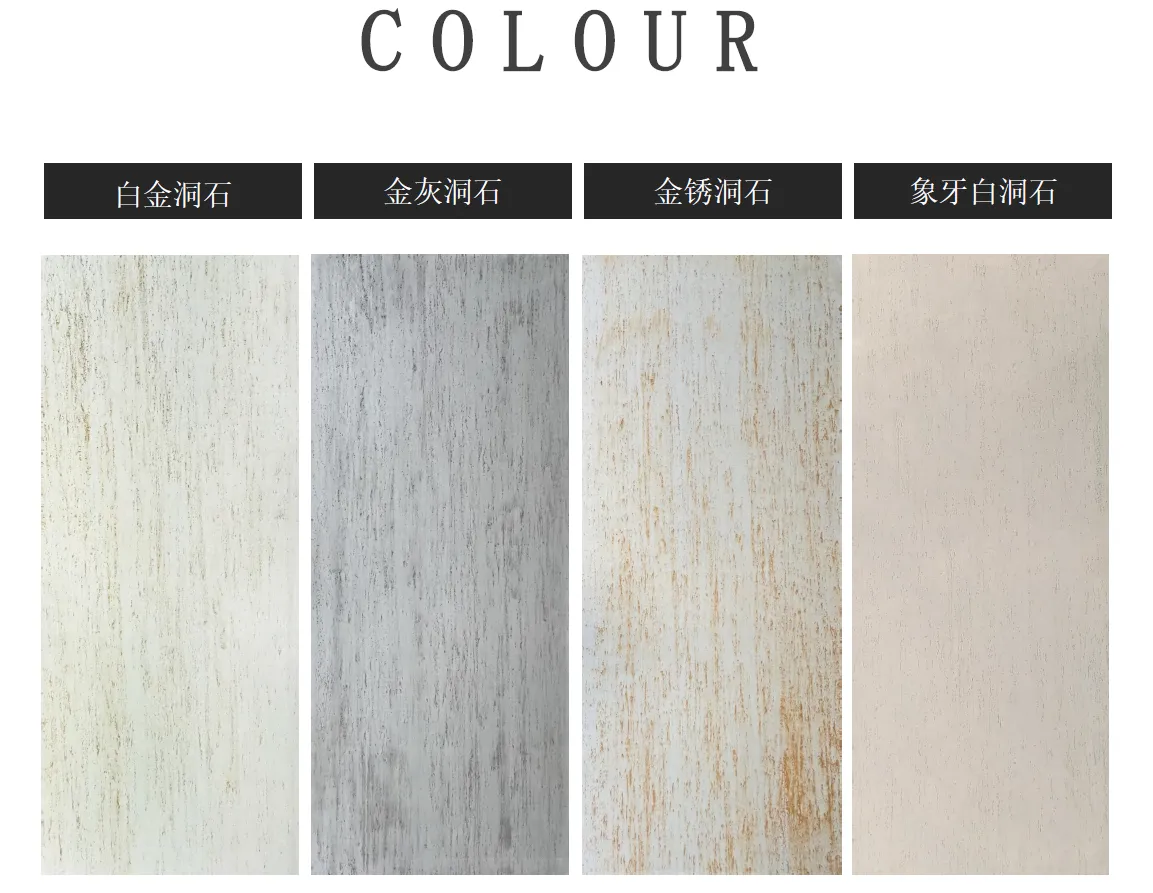
If traditional Roman Travertine is the grandparent of luxury stone, MCM Flexible Stone is its tech-savvy grandchild. Imagine being able to wrap travertine-like texture around a curved wall in the hotel bar, or install it as a backsplash in a rooftop restaurant without worrying about the structural load. That's the magic of MCM Flexible Stone. Made by compressing natural stone particles into thin, flexible sheets, it retains all the beauty of Roman Huge Travertine—those same organic veins, that warm, earthy palette—but with a twist: it weighs up to 80% less than traditional slabs. Suddenly, travertine isn't confined to flat floors or straight walls; it can climb columns, curve over reception desks, or even be used as ceiling accents.
For hoteliers, this flexibility is a game-changer. Take, for example, a boutique hotel in Barcelona that wanted to evoke the charm of a Roman villa but needed to keep construction costs in check. By using MCM Flexible Stone (inspired by Roman Huge Travertine) on the facade, they achieved the same timeless look as solid stone but with faster installation, lower shipping fees, and zero need for reinforced structural support. The result? A building that looks like it's stood for centuries, but was built in months—proving that tradition and efficiency can coexist.
While Roman Huge Travertine is the star, even the brightest star needs a supporting cast. MCM understands that luxury design thrives on contrast and harmony, which is why their portfolio includes materials that complement travertine's warmth with everything from industrial edge to natural softness. Let's explore a few standouts that are making waves in hotel design:
Lunar Peak Series : Picture this: a hotel lobby with Roman Huge Travertine floors, their soft beige tones sprawling like a desert landscape. Now, imagine a feature wall behind the reception desk clad in Lunar Peak Silvery —a sleek, metallic-finish stone that shimmers like moonlight on sand. The contrast is electric: the travertine grounds the space, while Lunar Peak adds a futuristic, almost celestial glow. MCM's Lunar Peak line (Silvery, Golden, Black) does exactly that—introducing subtle metallic accents that elevate travertine from "rustic" to "red-carpet ready." In a five-star hotel in Dubai, designers paired Lunar Peak Golden with Roman Huge Travertine in the spa area; the result? A space that feels both grounded (thanks to the travertine) and opulent (the golden Lunar Peak adding warmth to the cool stone).
Fair-Faced Concrete : Not all luxury is about shine. Sometimes, it's about raw, unapologetic texture. Fair-faced concrete —with its smooth, unpolished surface and subtle gray hues—has become a favorite for designers looking to balance travertine's richness with industrial chic. In a boutique hotel in Paris, the guest rooms feature Roman Huge Travertine bathroom walls (warm, organic) paired with fair-faced concrete sinks (cool, minimalist). The combo feels modern yet timeless, like staying in a gallery where art and comfort collide. MCM's fair-faced concrete boards are precast for consistency, meaning hoteliers get that "hand-poured" look without the hassle of on-site mixing—and they pair beautifully with travertine's natural variation.
Wood Grain Board : For hotels aiming to blend luxury with coziness (think: a mountain resort or a beachfront villa), MCM's wood grain board is a revelation. Mimicking the look of reclaimed oak or teak, these boards add warmth and texture that softens travertine's formality. Imagine a hotel suite where the walls are clad in wood grain board, the floors in Roman Huge Travertine, and the bed frame in polished metal—the space feels both inviting and sophisticated, like a modern cabin with a Roman twist. In a recent project in Bali, a hotel used MCM's wood grain board in the lobby lounge, paired with travertine coffee tables and Lunar Peak Black accent chairs. The result? A space that says "tropical luxury" without leaning into cliché.
Curious how MCM's materials stack up against traditional options? Let's break it down. The table below compares Roman Huge Travertine (traditional vs. MCM's flexible version) with other key MCM products, highlighting why they're a hit with hoteliers and designers:
| Material | Traditional Version | MCM's Innovation | Hotel Design Benefit |
|---|---|---|---|
| Roman Huge Travertine | Heavy (200+ lbs/sq ft), hard to cut, limited to flat surfaces | Flexible sheets (10-15 lbs/sq ft), easy to curve, install on any surface | More design freedom (curved walls, custom shapes) without structural stress |
| Metallic Accent Stones | Thin, fragile metal tiles prone to scratching | Lunar Peak Series (Silvery/Golden/Black) – durable, fade-resistant, lightweight | Long-lasting shine in high-traffic areas (lobbies, bars) with minimal maintenance |
| Concrete | On-site pouring, inconsistent texture, high waste | Fair-Faced Concrete boards – precast, uniform, eco-friendly (low waste) | Faster construction timelines and consistent "raw" aesthetic across rooms |
| Wood Paneling | Prone to warping, expensive (solid wood), requires sealing | Wood Grain Board – moisture-resistant, low-maintenance, FSC-certified | Sustainable, warm look in humid climates (beach hotels) without upkeep headaches |
When the Grand Roma Hotel—a 19th-century landmark in the heart of Rome—underwent a $50 million renovation, the goal was clear: honor its historic roots while appealing to 21st-century luxury travelers. The original building featured small travertine accents, but the design team wanted to expand that aesthetic without overwhelming the space. Enter MCM.
First, the lobby: Designers replaced outdated marble floors with MCM's Roman Huge Travertine flexible sheets, allowing them to preserve the hotel's original terracotta subfloor (too fragile for heavy stone). The result? A seamless, 2,000 sq ft travertine lobby that feels both grand and grounded. For the feature wall, they paired this with Lunar Peak Golden, creating a backdrop for the hotel's antique chandelier that shimmers without clashing. Upstairs, guest bathrooms swapped old tile for MCM's Wood Grain Board (in a light oak finish) and Roman Huge Travertine shower walls—warm, natural, and surprisingly low-maintenance for housekeeping.
The biggest surprise? The rooftop bar. To maximize views of the Roman Forum, the team needed lightweight materials for the bar counter and backsplash. MCM's Fair-Faced Concrete boards (paired with travertine bar stools) delivered the industrial-chic vibe they wanted, without adding weight to the historic roof structure. "Guests keep asking if the concrete is original to the building," laughs the hotel's design director. "That's the magic of MCM—they make innovation feel like tradition."
In today's world, luxury isn't just about how something looks—it's about how it's made. Travelers (especially affluent ones) increasingly care about the environmental footprint of the hotels they choose, and MCM is leading the charge in sustainable design. Take their Roman Huge Travertine flexible sheets: by using 70% recycled stone particles and reducing water usage in production by 50% compared to traditional quarrying, MCM turns a resource-heavy material into a greener choice. Similarly, their Wood Grain Board is made from FSC-certified wood fibers and formaldehyde-free adhesives, ensuring it's safe for both guests and the planet.
For hoteliers, this isn't just a "nice-to-have"—it's a competitive edge. A luxury resort in Costa Rica recently chose MCM's materials for their new wing, highlighting their "sustainable luxury" angle in marketing. The result? A 20% increase in bookings from eco-conscious travelers, proving that materials with a story (and a small carbon footprint) resonate deeply.
So, what's next? As hotels strive to stand out in a crowded market, the key will be balancing heritage and innovation . Roman Huge Travertine will always have a place at the table—it's too beautiful, too timeless, to fade. But MCM's role is to ensure that this classic material doesn't get stuck in the past. Whether it's through flexible sheets that let designers dream bigger, metallic accents that add modern flair, or sustainable production that aligns with guest values, MCM is turning "traditional" into "transcendent."
Imagine a hotel of the future: Roman Huge Travertine floors that flow into curved walls (thanks to MCM's flexibility), Lunar Peak Black accents that shift color with the time of day, Wood Grain Board ceilings that warm the space, and Fair-Faced Concrete columns that nod to industrial minimalism. It's a space that feels both ancient and new—a place where every material has a story, and every story invites guests to stay a little longer. That's the power of MCM's approach: they don't just sell materials; they sell experiences.
In the end, luxury hotel design is about creating moments that linger. A guest might forget the price of their suite or the name of the concierge, but they'll remember the way the light hit the travertine floor at sunset, or how the wood grain wall felt like a hug after a long day of travel. With Roman Huge Travertine and MCM's innovative materials, those moments are becoming more vivid, more memorable, and more human than ever before. And in a world that's always rushing, that's the ultimate luxury.
Recommend Products












