
Step into a newly built mosque in Jeddah or Riyadh, and your eyes might linger on the walls before you even notice the intricate arabesques or the soft glow of the chandeliers. There's a quiet power to them—the stone feels alive, as if it holds centuries of stories in its pores. Run a hand along the surface, and you'll sense warmth, texture, a connection to something timeless. This isn't just construction material; it's a language. And in Saudi Arabia's evolving architectural landscape, that language is being spoken fluently by MCM, where Roman huge travertine and innovative materials like MCM flexible stone are bridging tradition and modernity in some of the most sacred spaces in the country.
Mosques are more than buildings; they're vessels for spirituality. Every element—from the direction of the qibla to the curvature of the mihrab—carries meaning. But perhaps none are as quietly profound as the materials that clothe these spaces. For centuries, Islamic architects have turned to natural stone for its ability to evoke the divine: cool to the touch yet radiating a subtle warmth, durable enough to withstand time yet porous enough to let light dance through. It's a balance of strength and softness, much like the faith itself.
In Saudi Arabia, where tradition runs deep and modernization moves fast, this balance has become even more critical. Today's mosques must honor the past while serving contemporary communities—accommodating larger congregations, integrating sustainable design, and reflecting a nation's forward-looking identity. That's where materials like Roman huge travertine come in. Once the backbone of ancient Roman marvels, this stone is finding new life in Saudi mosques, reimagined through MCM's commitment to cultural sensitivity and innovative engineering.
To understand the allure of Roman huge travertine, you have to start with its story. Quarried from mineral-rich springs, travertine is formed over millennia as calcium carbonate deposits build up layer by layer, trapping bubbles, fossils, and sediment in its matrix. The result? A stone that's as much a geological record as it is a building material. The Romans knew this well—they used travertine to construct the Colosseum, the Pantheon, and the Forum, relying on its strength, thermal resistance, and natural beauty. It's a stone that has weathered empires, yet still feels fresh, as if it's been waiting to tell new stories.
In Islamic architecture, natural stone has long been a symbol of permanence and divine order. From the marble of the Taj Mahal to the sandstone of the Alhambra, stone has been chosen not just for its practicality, but for its ability to ground spiritual spaces in the natural world. Roman huge travertine, with its warm ivory tones and organic texture, fits seamlessly into this tradition. When used in a mosque, it doesn't shout; it whispers. It complements the Quranic inscriptions and geometric patterns, providing a neutral, calming backdrop that lets the spiritual elements take center stage.
But here's the challenge: traditional travertine, while stunning, isn't always easy to work with. It's heavy, which can strain modern building structures. It's porous, requiring careful sealing to resist moisture. And sourcing large, uniform slabs can be environmentally taxing. Enter MCM's flexible stone—a material that reimagines travertine for the 21st century without losing an ounce of its soul.
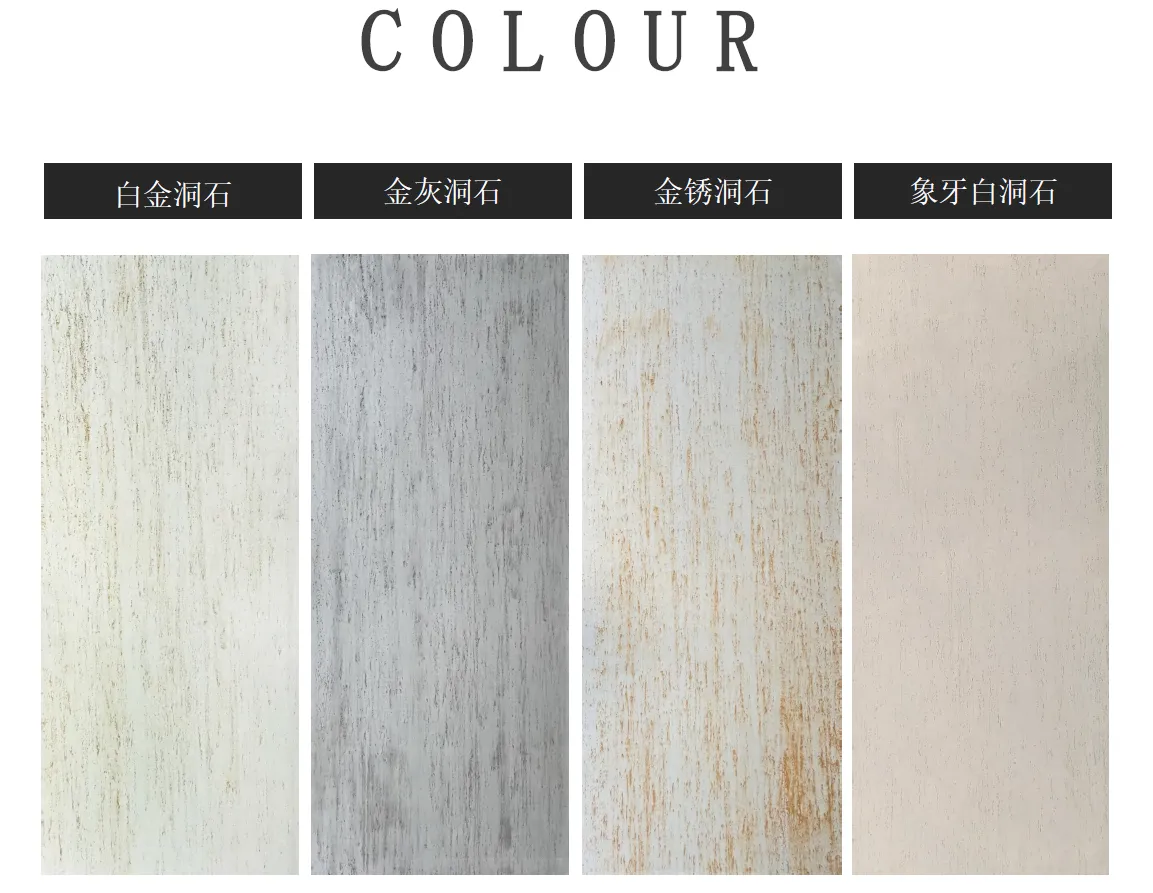
MCM flexible stone starts with the same natural travertine, but processes it into thin, lightweight panels that retain the stone's original texture and appearance. Think of it as travertine, but with a modern twist: it's bendable, making it ideal for curved walls or intricate designs; it's easier to transport and install, reducing construction time and costs; and it's more sustainable, as it minimizes waste from quarrying. For mosque architects in Saudi Arabia, this is a game-changer. Suddenly, the beauty of travertine isn't limited to flat surfaces or small accents—it can wrap around domes, climb minarets, or create dynamic, flowing facades that marry tradition with innovation.
Not all travertine is created equal, and MCM's travertine (starry green) is a perfect example of how materials can reflect local culture. Unlike the classic ivory travertine, this variant features subtle green undertones, with flecks of darker mineral deposits that resemble stars scattered across a night sky. It's a deliberate choice—one that evokes the Saudi landscape in unexpected ways. Imagine the desert at dawn, when the first light turns the sand a soft, sage green, or the palm oases that dot the country, their leaves shimmering against the arid backdrop. Travertine (starry green) doesn't just look beautiful; it tells a story of place.
In a mosque context, this connection to the land is powerful. Worshippers don't just enter a religious space—they enter a space that feels rooted in their home, their heritage. The green hues evoke growth and renewal, while the "starry" inclusions add a touch of the celestial, a reminder of the divine above. It's a material that speaks to both the earth and the sky, a fitting metaphor for faith itself.
Of course, modern innovation doesn't mean abandoning tradition. MCM understands that cultural sensitivity in Saudi mosque design means respecting the craftsmanship that has defined Islamic architecture for centuries. That's why many of their projects pair Roman huge travertine and flexible stone with masonry stone—hand-cut, locally sourced stone that carries the marks of human hands.
Masonry stone, with its irregular edges and rough-hewn texture, adds a tactile, artisanal quality to mosque walls. It's the kind of stone that makes you want to reach out and touch it, to feel the indentations left by a craftsman's chisel. When combined with the smooth, uniform surface of MCM's travertine panels, it creates a dialogue between old and new: the precision of modern engineering meeting the warmth of traditional craftsmanship. In a mosque in Dammam, for example, MCM used masonry stone for the lower half of the walls, grounding the space in local tradition, and topped it with travertine (starry green) panels, letting the lightness of the stone draw the eye upward toward the dome. The effect is harmonious, a visual representation of how Saudi culture honors its roots while reaching for the future.
To truly appreciate MCM's approach to cultural sensitivity, you have to look at the bigger picture—the way materials interact to create a cohesive whole. Take fair-faced concrete, for instance. A modern material known for its raw, industrial aesthetic, it might seem like an unlikely partner for travertine and masonry stone. But in the hands of MCM's designers, it becomes a bridge between the organic and the contemporary.
Fair-faced concrete, with its smooth, gray surface, provides a neutral counterpoint to the warmth of travertine and the texture of masonry stone. It's used sparingly—in columns, or as a backdrop for calligraphic inscriptions—adding a sense of modernity without overshadowing the traditional elements. In a mosque in Riyadh, MCM paired fair-faced concrete columns with Roman huge travertine walls and travertine (starry green) accents. The concrete's coolness balances the travertine's warmth; its clean lines complement the stone's organic texture. It's a reminder that cultural sensitivity isn't about preserving the past in amber—it's about creating spaces that feel both familiar and forward-thinking.
| Material | Cultural Relevance | Practical Benefits | Application in Mosques |
|---|---|---|---|
| Roman Huge Travertine (Traditional) | Symbol of endurance; echoes Islamic architectural use of natural stone | Durable, thermally resistant, naturally beautiful | Walls, floors, domes (historical and heritage mosques) |
| MCM Flexible Stone | Retains travertine's cultural symbolism; adapts to modern design needs | Lightweight, bendable, sustainable, easy to install | Curved walls, minarets, dynamic facades (contemporary mosques) |
| Travertine (Starry Green) | Evokes Saudi's desert and oasis landscapes; connects to local identity | Unique aesthetic, versatile color palette | Accent walls, mihrab surrounds, prayer hall features |
| Masonry Stone | Honors traditional craftsmanship; reflects artisanal heritage | Tactile texture, locally sourced, eco-friendly | Lower walls, entranceways, decorative borders |
| Fair-Faced Concrete | Adds modernity without clashing with traditional elements | Durable, low-maintenance, cost-effective | Columns, calligraphy backdrops, structural accents |
At the heart of MCM's work in Saudi Arabia is a deep respect for cultural context. It's not enough to use "traditional" materials; you have to understand why those materials matter. For example, in Islamic tradition, light is a symbol of divine guidance. MCM's travertine panels, with their porous surface, diffuse light beautifully, creating a soft, golden glow that fills mosque interiors—much like the light filtering through palm leaves in a desert oasis. It's a subtle detail, but one that resonates spiritually.
Similarly, sustainability is a growing concern in Saudi Arabia, and MCM's materials align with the country's Vision 2030 goals for environmental stewardship. By offering lightweight, low-waste options like flexible stone, MCM helps reduce the carbon footprint of mosque construction, ensuring these sacred spaces are built to last—for both worshippers and the planet.
Walk into a mosque adorned with MCM's Roman huge travertine, flexible stone, and travertine (starry green), and you'll feel it immediately: these walls have soul. They're not just barriers between inside and out; they're storytellers. They speak of Roman emperors and Islamic scholars, of desert landscapes and modern cities, of hands that carved stone a thousand years ago and engineers who reimagine it today. In Saudi Arabia, where the past and present coexist so vividly, materials like these aren't just part of the architecture—they're part of the culture.
MCM's success lies in its ability to listen. To hear the needs of modern mosque designers, the values of the communities they serve, and the whispers of history in every stone. Roman huge travertine, in their hands, isn't just a relic of the past; it's a bridge to the future—a future where sacred spaces are as sustainable as they are spiritual, as innovative as they are rooted in tradition. And in that future, the walls will keep breathing, and the stories will keep being told.
Recommend Products












