
When architects and designers seek premium natural stone for prestigious projects, Roman huge travertine consistently ranks among the most appreciated materials worldwide. This comprehensive rating guide examines why this natural stone has maintained its prestigious status for over two millennia, evaluating its characteristics, applications, and modern alternatives.
Roman travertine has shaped architectural history since the Roman Empire. Iconic monuments including the Colosseum, St. Peter's Basilica, and Castel Sant'Angelo were constructed using this remarkable stone. This historical heritage contributes significantly to its premium rating among natural stones, as architects often choose materials that have demonstrated exceptional longevity across centuries.
The prestige associated with Roman travertine stems from its proven durability. Structures built with this stone have withstood temperature variations, weather exposure, and heavy foot traffic for thousands of years, establishing an unmatched reputation for reliability in architectural applications.
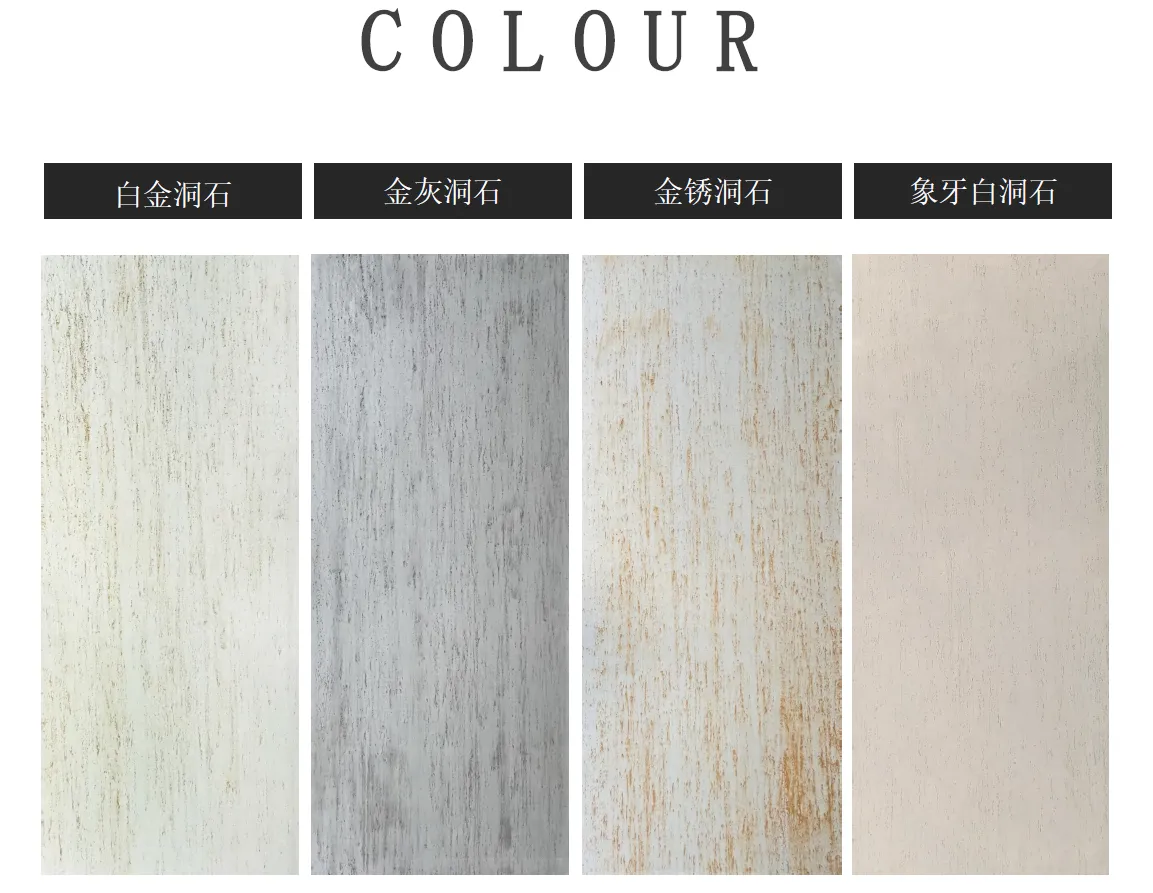
Travertine is a natural limestone characterized by a stratified structure with distinctive cavities and veins formed during geological sedimentation. These natural patterns create unique visual textures, ensuring that each piece possesses individual character. The color spectrum ranges from ivory white and light beige to warm walnut tones and silver-grey shades, offering versatility for diverse design concepts.
Composition: Primarily calcium carbonate with mineral deposits
Porosity: Natural cavities can be filled or left open for texture
Durability: High compressive strength and weather resistance
Workability: Excellent for cutting, shaping, and various finishes
Several distinct varieties of Roman travertine are available, each offering specific aesthetic qualities:
Travertino Classico: Warm beige tones with subtle natural veins, ideal for versatile interior and exterior applications.
Travertino Noce: Rich brown to chocolate shades, perfect for environments requiring strong visual character.
Travertino Silver: Modern grey and silver tones suited for contemporary and minimalist designs.
Travertino Navona: Ivory-white with delicate golden veins, excellent for refined interior applications.
The versatility of travertine extends to its finish options, each serving specific functional and aesthetic purposes:
Honed Finish: Matte, elegant surface ideal for modern interior design.
Polished Finish: Reflective surface enhancing natural veins for luxurious visual effects.
Brushed Finish: Soft, natural texture creating comfortable, welcoming environments.
Sandblasted Finish: Slightly rough surface improving slip resistance for outdoor flooring.
Roman huge travertine excels across multiple architectural contexts. For interior applications, it adds elegance to living rooms, bathrooms, kitchens, and luxury spaces. Outdoor applications include terraces, courtyards, pathways, and pool areas where its natural slip resistance proves valuable. The material also serves structural purposes including columns, facades, and decorative frames, while custom furniture elements such as tables, countertops, and sinks highlight its workability.
While natural travertine remains prestigious, modern construction demands innovative alternatives. Flexible stone technology, particularly MCM (Modified Clay Materials) products, offers compelling advantages for contemporary projects.
MCM flexible stone combines the natural texture and appearance of travertine with enhanced practical benefits. The material is significantly lighter than natural stone, reducing structural load and installation complexity. Its flexibility allows application on curved surfaces and complex geometries impossible with traditional stone. Additionally, MCM products offer excellent weather resistance, UV stability, and reduced maintenance requirements compared to natural stone.
COLORIA GROUP, a leading provider of comprehensive interior and exterior solutions, specializes in MCM flexible building materials including big slab boards, project boards, 3D printing series, and flexible stone products. With over a decade of experience serving residential and commercial projects globally, the company offers one-stop building material solutions backed by dedicated customer service.
When evaluating travertine options, consider these essential factors:
Color Consistency: Natural variation is expected, but consistent quality matters for large installations.
Structural Integrity: Ensure minimal cracking and proper density for load-bearing applications.
Finish Quality: Professional finishing enhances both aesthetics and functionality.
Supplier Reputation: Work with established suppliers providing technical support and quality assurance.
Roman huge travertine earns its high rating through exceptional historical prestige, natural beauty, structural performance, and application versatility. For projects demanding timeless elegance and proven durability, it remains an outstanding choice. However, modern MCM flexible stone alternatives offer innovative solutions for contemporary construction challenges, combining authentic stone aesthetics with enhanced practical benefits. Whether selecting traditional natural travertine or innovative MCM products, partnering with experienced suppliers ensures optimal results for any architectural project.
Recommend Products












