
Bridging ancient building wisdom with modern eco-conscious design
Stand in the shadow of the Colosseum, and you'll feel it—the weight of history in every block of travertine. For millennia, this creamy, porous stone has been the backbone of iconic architecture, from Rome's grand amphitheaters to Renaissance palaces. But here's the quiet truth about Roman travertine: those ancient builders were onto something sustainable. They quarried it locally, used it efficiently, and created structures that have outlived empires. Fast forward to today, and the building industry is grappling with a new challenge: how to honor that legacy of durability while slashing our environmental footprint. Enter MCM—modified composite materials—and a new era where "green" doesn't mean sacrificing beauty or strength.
Sustainable architecture isn't just a trend; it's a necessity. With global construction accounting for nearly 40% of carbon emissions, the pressure is on to rethink how we build. Traditional materials like natural stone, concrete, and metal often come with heavy costs: quarries that scar landscapes, factories that guzzle energy, and waste that piles up in landfills. But what if we could take the best of Roman travertine—its texture, its warmth, its ability to age gracefully—and reimagine it through a lens of recyclability and efficiency? That's exactly what MCM products like Roman Huge Travertine, MCM flexible stone, and Lunar Peak Silvery are doing. Let's dive into how these materials are rewriting the rules of sustainable cladding.
Let's start with the elephant in the construction site: traditional building materials are resource hogs. Take natural travertine, for example. Today's demand for that "Roman look" has led to over-quarrying in regions like Tivoli, Italy, where ancient deposits are being depleted faster than they can regenerate. Each truckload of stone requires heavy machinery, fuel, and water—all while leaving behind gaping holes in the earth. And that's just the extraction phase. Once installed, those thick, heavy slabs add structural stress to buildings, requiring more steel and concrete to support them, which in turn boosts carbon emissions.
Concrete, another staple, is a climate culprit. Producing cement—the binding agent in concrete—releases CO2 as a byproduct, making it responsible for about 8% of global emissions. Even metals like aluminium, while durable, demand massive energy to mine and refine. The result? A linear lifecycle: extract, produce, use, discard. By the time a building is renovated or demolished, most of its cladding ends up in landfills, never to be reused. That's not sustainability—that's a one-way ticket to resource depletion.
Did you know? A single square meter of traditional travertine cladding can generate up to 15kg of CO2 emissions from quarrying to installation. Compare that to MCM panels, which average just 3-4kg per square meter— a 70% reduction.
So, what is MCM, anyway? Think of it as nature's best traits, reimagined with a dash of engineering. MCM stands for "modified composite material," a blend of recycled stone powders, polymers, and fibers that's pressed into thin, flexible panels. The magic? It mimics the look and feel of natural materials—travertine, granite, even wood—without the environmental baggage. Lightweight (about 1/5 the weight of natural stone), flexible (it bends to curved surfaces), and durable (resistant to weather, fire, and impact), MCM is like the Swiss Army knife of sustainable cladding.
But the real star here? Recyclability. Unlike traditional stone or concrete, which are tough to break down and reuse, MCM panels are designed for a circular lifecycle. At the end of their 30-50 year lifespan, they can be crushed, reprocessed, and turned into new panels—no waste, no new mining. It's a closed loop that aligns with the "reduce, reuse, recycle" mantra architects and builders are desperate to live by.
MCM isn't a one-size-fits-all solution. It's a family of products, each tailored to different design needs. Let's spotlight a few that are making waves in eco-friendly architecture:
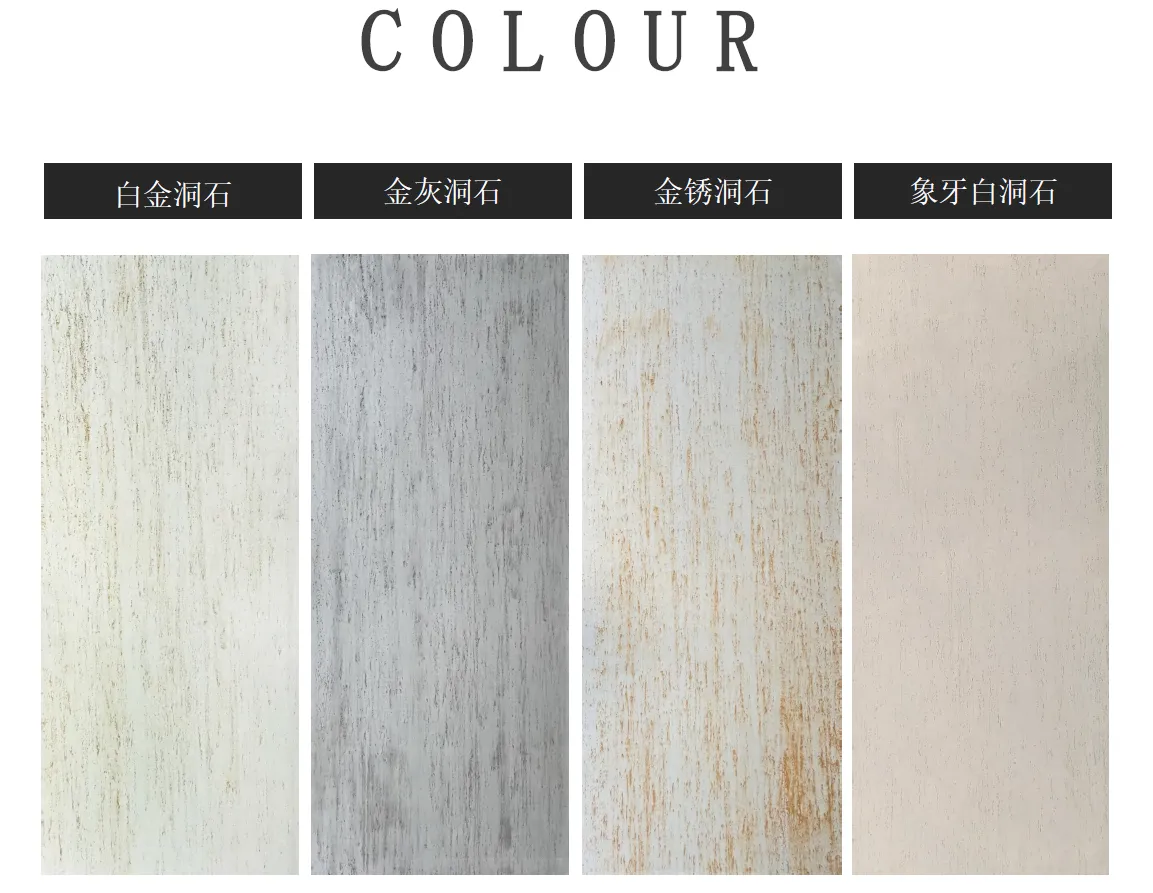
If there's a poster child for MCM's ability to blend past and present, it's Roman Huge Travertine. This panel is a love letter to the Colosseum's stone—same warm beige tones, same subtle veining—but with a 21st-century twist. Made from recycled travertine dust and a low-emission polymer binder, it weighs just 4-6 kg per square meter (compared to 25-30 kg for natural travertine). That means less structural support needed, lower transportation costs, and fewer carbon emissions during installation. Architects rave about it for heritage projects or modern builds aiming for that "timeless" feel without the guilt.
Ever tried to wrap natural stone around a curved wall? Spoiler: It's not easy. MCM flexible stone, though, is a game-changer. Thin (just 3-5mm thick) and pliable, it conforms to arches, domes, and organic shapes that would crack traditional stone. And because it's made with up to 70% recycled stone content, it's a win for both design creativity and the planet. Imagine a museum with a sweeping, stone-like facade that curves like a wave—all thanks to a material that's gentle on the Earth.
Metallic finishes add instant sophistication, but traditional aluminium cladding is energy-intensive to produce. Foamed aluminium alloy boards, especially the vintage silver variant, flip that script. By injecting air bubbles into the alloy during production, manufacturers create a panel that's 70% lighter than solid aluminium but just as strong. The vintage silver finish—think soft, brushed metal with a hint of patina—adds industrial-chic flair to facades, while the material itself is 100% recyclable. It's the reason why eco-conscious hotels and tech offices are swapping out heavy metal panels for this lightweight alternative.
For projects that crave a touch of the otherworldly, the Lunar Peak series delivers. Lunar Peak Silvery, with its shimmering, moonlit surface, mimics the texture of a cratered lunar landscape—without a drop of real moon rock, of course. Made from recycled glass, stone dust, and a reflective pigment, it's designed to reflect sunlight, reducing a building's heat absorption and cutting AC costs. In hot climates, that's not just sustainable—it's smart. And when the sun sets? It glows softly, turning buildings into beacons of eco-luxury.
Fair-faced concrete—with its raw, unpolished finish—has long been a favorite of minimalist architects. But traditional fair-faced concrete is thick, heavy, and carbon-heavy. MCM's take? A thin, lightweight panel that captures that same industrial elegance using recycled concrete aggregate and a low-carbon binder. Weighing just 5-7 kg per square meter (vs. 20-25 kg for traditional concrete), it slashes transportation emissions and structural load. It's the material for designers who want "less is more"—and mean it, both aesthetically and environmentally.
Talk is cheap—let's look at the data. The table below compares key MCM products with their traditional counterparts, measuring everything from weight to carbon footprint. Spoiler: MCM doesn't just compete; it dominates.
| Material | Weight (kg/m²) | Carbon Footprint (kg CO2/m²) | Recyclability | Typical Lifespan (years) |
|---|---|---|---|---|
| Traditional Travertine | 25-30 | 12-15 | Low (difficult to reuse) | 50-100 |
| MCM Roman Huge Travertine | 4-6 | 3-4 | High (100% recyclable) | 30-50 |
| Traditional Aluminium Cladding | 8-10 | 8-10 | Medium (recyclable but energy-heavy) | 40-60 |
| Foamed Aluminium Alloy (Vintage Silver) | 2-3 | 2-3 | High (100% recyclable, low energy to reprocess) | 30-50 |
| Traditional Fair-Faced Concrete | 20-25 | 10-12 | Low (often ends in landfills) | 50-80 |
| MCM Fair-Faced Concrete | 5-7 | 2-3 | High (recycled into new panels) | 30-60 |
Notice a pattern? MCM panels are drastically lighter, emit far less CO2, and are infinitely more recyclable than their traditional counterparts. Even with a slightly shorter lifespan (30-50 years vs. 50-100 for natural stone), their lower upfront impact and ability to be recycled make them a smarter long-term bet for the planet.
Enough theory—let's talk about a project that's putting MCM's recyclable edge to work. Take the "Green Spire" office complex in Barcelona, completed in 2023. The design team wanted a facade that nodded to Catalonia's stone heritage but met strict EU carbon-neutral standards. Their solution? A mix of MCM Roman Huge Travertine and Lunar Peak Silvery panels.
The results? The building's cladding weighs 80% less than if they'd used natural travertine and aluminium, slashing the need for steel reinforcement. Transportation emissions dropped by 65%, and during installation, workers noted how easy the panels were to handle—fewer injuries, faster construction. But the best part? When the building undergoes its first renovation in 30 years, those panels won't end up in a landfill. They'll be shipped back to the MCM factory, crushed, and turned into new cladding for another project. That's sustainability in action: a building that gives back, even after it's "done."
Recyclability isn't just good for the Earth—it's good for business. As governments crack down on waste (the EU's Circular Economy Action Plan, for example, mandates 70% recycling rates for construction waste by 2030), builders and developers are scrambling to find materials that keep them compliant. MCM isn't just a "green" choice; it's a future-proof choice. It reduces disposal costs, qualifies for green building certifications (LEED, BREEAM), and appeals to eco-conscious tenants and buyers who are willing to pay a premium for sustainable spaces.
But let's not overlook the human element. Architects and designers didn't get into this field to harm the planet—they want to create spaces that inspire, protect, and endure. MCM gives them permission to dream big without the guilt. Imagine telling a client, "We can have that travertine facade you love, and it'll cut your carbon footprint by two-thirds." That's not just selling a product; that's selling peace of mind.
The Romans built with travertine because it was strong, abundant, and beautiful. They couldn't have imagined climate change or carbon footprints, but their intuition—use local, use wisely—aligns with today's sustainability goals. MCM carries that torch forward, proving that we don't have to choose between heritage and the planet. With products like Roman Huge Travertine, MCM flexible stone, and Lunar Peak Silvery, we're building a new kind of legacy: one where our skyscrapers, schools, and homes stand as testaments not just to human ingenuity, but to our commitment to protecting the only Earth we have.
So the next time you walk past a building clad in MCM, take a closer look. That "stone" facade might be recycled. That "metal" panel might be lighter than a textbook. And that "concrete" wall? It could one day become part of another building, another story. In the end, sustainable architecture isn't about sacrifice. It's about reimagining what's possible—one flexible, recyclable panel at a time.
Recommend Products












